Subsurface Irrigation in Fennel Cultivation: A Comprehensive Guide
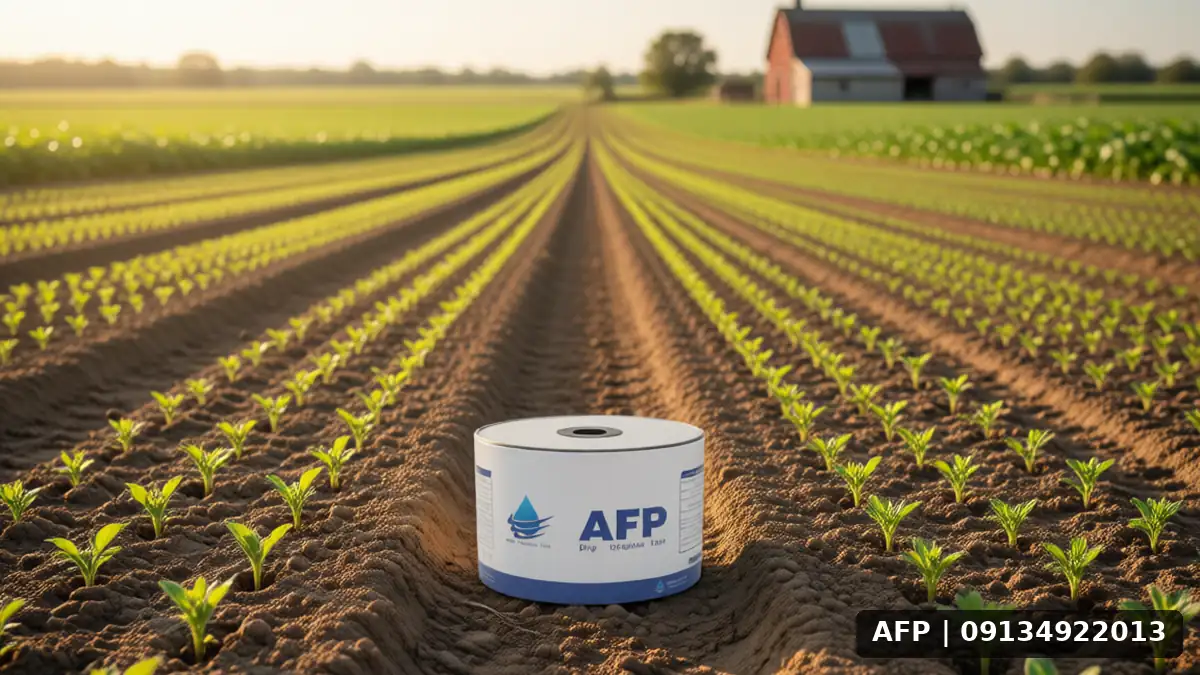
Early morning in the dill fields, where a gentle breeze drifts between the slender stems, holds a hidden secret beneath the soil: a system that delivers water directly to the roots and prevents evaporation. This technology, which involves subsurface irrigation for dill is not merely a technical method, but an economic and environmental strategy. Given the scarcity of water resources and the constant need to maintain moisture for faster plant growth, a deep understanding of subsurface irrigation mechanisms appears essential for any farmer seeking to maximize yield per unit area.
Introduction: Why does dill require subsurface irrigation?
Dill is a plant that thrives in hot, dry conditions, but its roots are highly sensitive to moisture fluctuations. Traditional surface irrigation methods, such as flooding or sprinkling, cause water loss through evaporation and surface runoff. In semi-arid climates, this loss can reach up to 30%. Subsurface systems, which can be implemented via drip lines or graphene-coated pipes (in more research-oriented scales), place water at a depth of 15 to 25 centimeters in the soil. This depth aligns precisely with the primary root zone of dill. Nevertheless, implementing this system requires strict adherence to technical principles to prevent root oxygen deprivation.
Technical principles of designing a subsurface irrigation system for dill
Selecting the installation depth
The installation depth of the pipe or drip line is the most critical variable affecting system performance. For mint, experimental data indicate that a depth of 15 to 20 cm below the soil surface is optimal. If the depth exceeds 25 cm, the fine, hair-like roots of mint require additional growth to access water, which diverts plant energy away from dry matter production and leafy growth. Conversely, if the depth is less than 10 cm, the risk of evaporation and mechanical damage from tractors or landlevelers increases.
Emitter spacing and discharge rate
For mint, which is typically row-planted with a spacing of 30 to 40 cm, emitter spacing must be adjusted to ensure uniform coverage of the wetted zone. In semi-subsurface systems, the recommended discharge rate per emitter is generally between 4 and 8 liters per hour. These rates must be calibrated based on soil type; in clay soils, lower discharge rates with longer irrigation intervals prevent root zone saturation and waterlogging.
Comparison of subsurface irrigation with conventional drip line
Subsurface drip line is one of the most practical methods for bulbous crops. In this method, the drip line is installed in the soil during planting, typically vertically or horizontally. The main difference from surface drip lines is the lack of soil surface disturbance and a significant reduction in the need for chemical herbicides because weeds do not germinate above ground.
To better understand the comparison of different methods and spacings, one can refer to Comprehensive Guide to Celery Drip Tape Irrigation as well, since principles such as flow rate, spacing, and pressure are similar across many vegetables.
Practical Installation and Operation Tips
- Soil Preparation: Before installation, the soil must be prepared to prevent the formation of coarse clods that can break the drip tape.
- Simultaneous Planting: The system must be installed precisely at the same time as the dill seed is sown to ensure the plant receives water from the very beginning. This step requires precise synchronization between the planter and installation equipment.
- Pressure Management: The pressure head at the beginning of the laterals must be checked to ensure uniform, droplet-like water emission from the emitters. Excessive pressure will eject water from the emitters and wet the surrounding area.
One of the major challenges in subsoil irrigation is the risk of emitter clogging by sediment particles or sludge. Therefore, using a water treatment sequence including a screen, disc filter, and sand filter is critical for subsoil systems. Conversely, for more precise planning of field operations, understanding the conditions required to rely on rainwater irrigation during early growth stages can help better manage resources.
Impact on Quality and Yield
Field evidence has shown that fennel grown with subsurface irrigation produces more robust stems, attributed to the reduction of root stress from surface drought. Furthermore, the limited growth of weeds lowers the need for manual weeding, which directly reduces total production costs. For a more precise estimate of yield and water coefficients, a study is required. Vegetable Yield Guide per Hectare can be useful, although fennel, as a medicinal and culinary plant, has its own specific coefficients that must be adjusted to regional conditions.
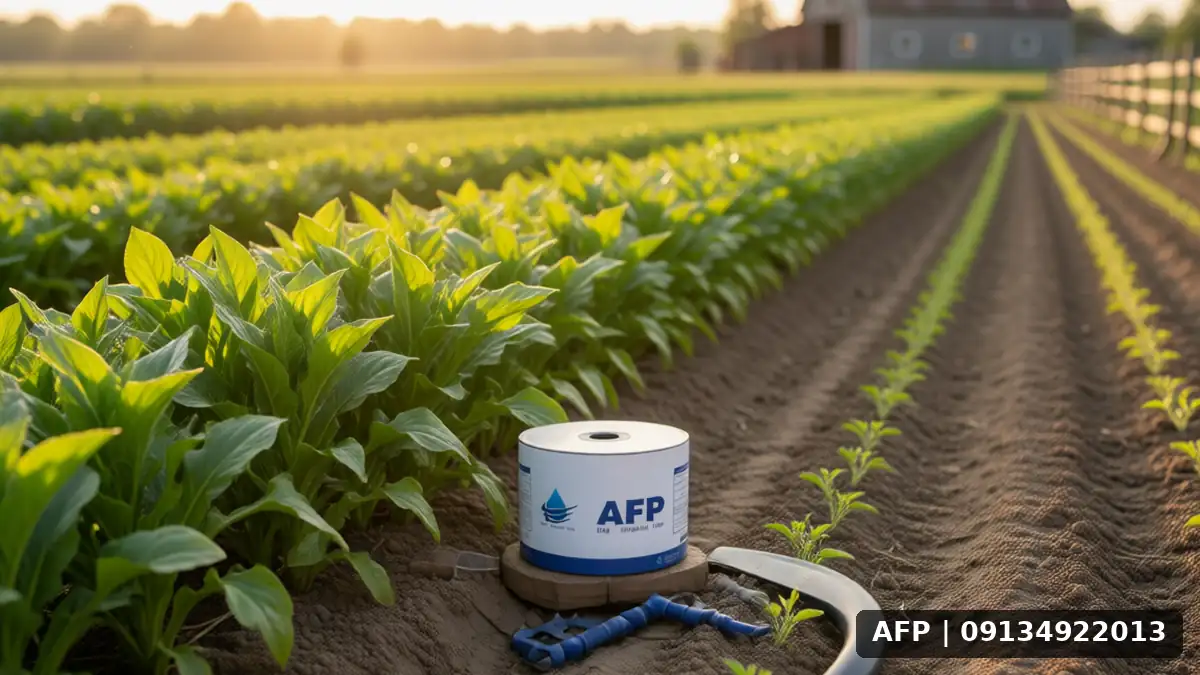
Fertigation Management in Subsurface Systems
Subsurface irrigation provides excellent opportunities for subsurface fertigation. Because water is delivered directly to the root zone, nutrient uptake is faster and fertigation efficiency can increase by up to 40%. However, the stability of fertilizer solutions is a critical consideration. Certain fertilizers, such as phosphates, may precipitate upon direct contact with roots and clog emitters. Therefore, the use of water-soluble nitrogen-based fertilizers and adherence to specified intervals between water application and fertilizer injection are essential.
Costing and Economic Assessment
The initial capital investment for subsurface systems is generally 15 to 20 percent higher than that of surface systems. This additional cost includes specialized planting equipment, stronger filtration, and high-quality drip tapes (pressure-resistant). However, return on investment calculations indicate that the reduction in water consumption and the increase in yield per unit area generate profits that recover the extra cost within two to three growing seasons. Similar studies on other vegetables, such as bell pepper performance in similar climates also indicate the same economic efficiency.
Frequently Asked Questions (FAQ)
Is subsurface irrigation recommended for coriander in heavy (clay) soils?
Clay soils have low permeability. Under these conditions, subsurface systems must be designed with greater care to prevent saturation and root suffocation. The spacing between laterals in clay soils should be narrower, and the flow rate should be reduced to allow water time to infiltrate around the root zone.
Can subsurface drip tapes be used for several consecutive years?
Depending on the quality of the raw material of the tube-type drip line, it can be used for 1 to 3 seasons. However, in coriander, where roots may damage the drip line, it is generally recommended that the system be recovered and reset at the end of each season after harvest, or replaced if damaged.
What is the best time to install the system: before or after sowing?
The best method is simultaneous installation with sowing. If installed before sowing, the pipe may be moved by mechanical tools. If installed after sowing, the soil compacts and roots may be stressed. Therefore, simultaneous installation is the most efficient method.
Conclusion and Future Outlook
Sub-surface irrigation for coriander is more than just an irrigation method; it is a water and soil management approach that allows farmers to maintain sustainable production under harsh water resource conditions. Success with this method requires precision in design, selection of appropriate depth, proper pressure management, and monitoring of water quality. Relying on technical innovations and precise crop-based data, there is a bright future for this method. Farmers interested in deepening their understanding of production can refer to other parameters such as Beet seed rate per hectare as an alternative or companion crop, consulting specialized sources for better planning of crop rotation. Adopting this technology is a major step toward smart and sustainable agriculture.