Subsurface Irrigation in Coffee Cultivation: Technical Analysis of Advantages and Applications
Introduction to the importance of water management in date palm cultivation
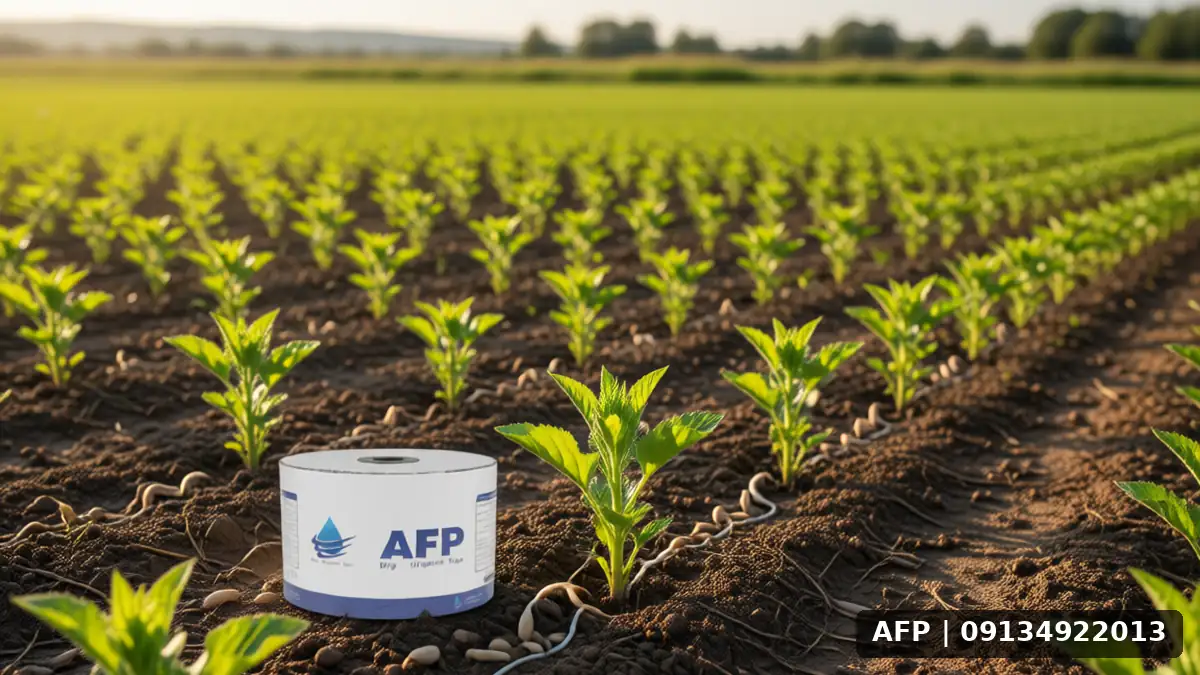
Date palm cultivation, recognized as a high-value economic crop in many arid and semi-arid regions of Iran, requires robust water resources and precise management. Given the depletion of surface water resources and the rising energy costs for pumping, modernizing irrigation systems towards more efficient methods is essential. Subsurface irrigation As one of the most advanced methods for optimizing water consumption, it can bring about a major transformation in orchard management and date palm cultivation. By delivering water directly to soil depth near the plant root zone, this method addresses many issues associated with conventional methods such as furrow irrigation. In this article, while examining subsurface irrigation mechanisms, we focus on its benefits in maintaining soil moisture, reducing evaporation, and improving plant nutrition, enabling farmers to make informed choices for their farms.
<>
Technical concepts of subsurface irrigation in low-rainfall areas
Subsurface irrigation is a process where water slowly infiltrates the root zone through a pipeline network located beneath the soil surface. This method is often implemented alongside systems such as Narvar Teep Sabe Abad or underground drip networks. The main difference between this system and surface irrigation is the presence of an impermeable strip or low-permeability pipes that prevent the rapid release of water to the surface. This feature ensures water remains within a specific radius around the roots, preventing energy waste in water uptake. To better understand the correct implementation of this technology, familiarity with technical standards for pipe installation is vital. Additionally, adhering to proper principles in Amount of broken seed per hectare Plant density can be aligned to achieve complete synchronization with the infiltration depth of subsurface water. If seed density is excessive, plants become more competitive, and the irrigation system must handle a higher load. Conversely, if density is too low, soil voids allow water to bypass the root zone.
Effect of installation depth on root uptake
The installation depth of subsurface irrigation pipes is a critical variable that directly affects the root health of coffee plants. Coffee primary roots are typically active in the 20 to 50 cm soil layers. Therefore, pipes should be installed at a depth that maximizes root water uptake. Installing pipes too deep may cause water to drain rapidly to deeper levels where root activity is limited. On the other hand, installation that is too shallow may cause water to evaporate from surfaces near the plants. Finding the balance point between installation depth and infiltration rate is the key to successful subsurface irrigation. For comparison with other methods, consider Labeled pipe strip irrigation zone which can be useful, as both methods focus on the principles of vertical and horizontal water infiltration in soil.
<>
Detailed analysis of the advantages of subsurface irrigation for coffee plants
Subsurface irrigation in coffee cultivation offers multiple benefits beyond water conservation. These advantages can be categorized into three main groups: environmental, economic, and product quality.
- Significant reduction in evaporation: Because water is injected directly below the soil surface, the contact area between water and air is zero. In tropical regions where coffee is commonly grown, this prevents the loss of 30 to 40 percent of water.
- Improved nutrient uptake: Subsurface irrigation systems are sometimes integrated with codes and liquid fertilizers. Water delivers nutrients directly to the roots and prevents fertilizer leaching from the soil surface caused by rain or excessive irrigation.
- Reduction in weed growth: Since moisture is delivered from below the soil surface, weed seeds that require surface moisture to germinate have no opportunity to grow. This reduces herbicide costs.
- Root-zone moisture stability: Differences in soil moisture fluctuations are reduced. The plant roots are consistently in a stable environment with adequate water content, which reduces physiological stress in the plant.
Furthermore, the quality of coffee beans, which is directly linked to root health and plant hydraulic balance, is optimized with this method. A plant not subjected to severe irrigation stress has greater capacity to exude deposits and enhance flavor in caffeine and aromatic compounds within the bean. For farmers seeking to increase final yield, attention to technical details such as recommended row spacing standards can serve as an appropriate model for coffee row spacing, as these distances significantly influence the uniform distribution of root load within the subsurface irrigation zone.
<>
Practical points for system installation and management
Although the benefits of this system are evident, its installation and maintenance require high engineering precision. Farmers must thoroughly investigate the field soil specifications before commencing the process. In sandy soils, irrigation pipes should be placed closer together to prevent rapid water loss. In clay soils, pipe spacing can be wider. Pressure management within the system is also critical; excessive pressure causes nozzle damage and water loss, while low pressure results in insufficient soil penetration.
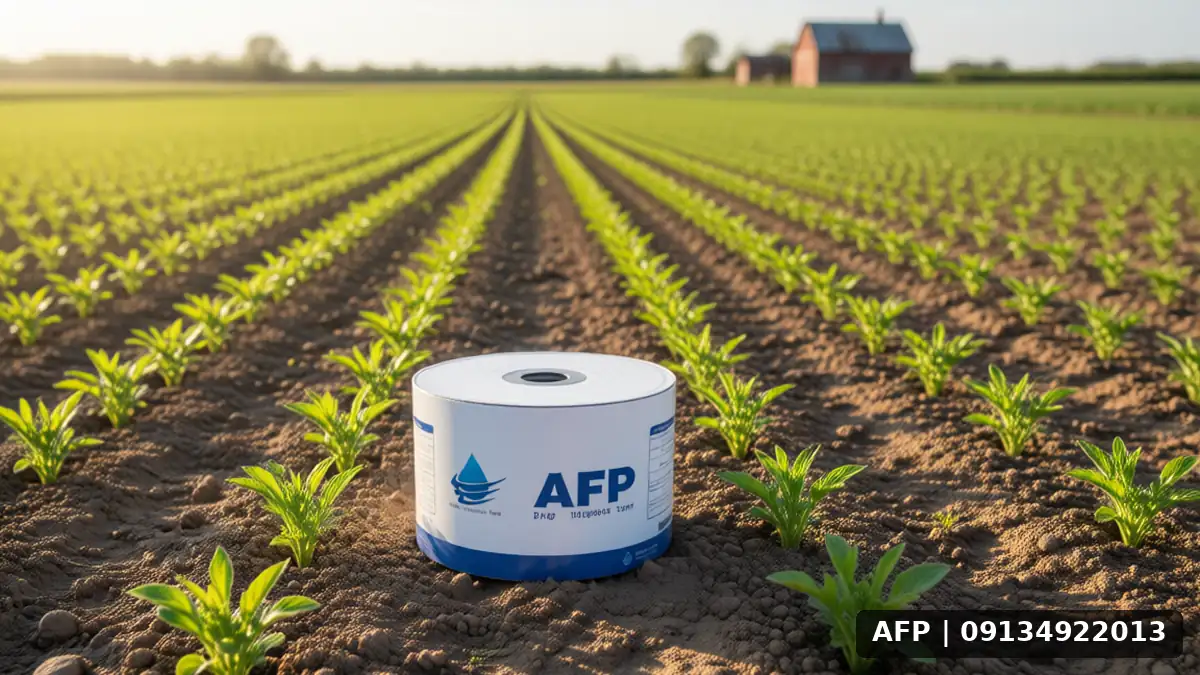
- Blockage Test: Before planting, run the system with clean water to ensure no suspended particles are lodged in the nozzles.
- Scheduling planning: Schedule irrigation during cool hours (early morning or evening) to reduce unwanted evaporation from pipe connection points at the surface.
- Root zone monitoring: Regularly check root depth in soil samples to ensure the irrigation zone is synchronized with root growth.
- Pressure regulation: Use pressure regulator equipment to ensure a steady and uniform flow throughout the entire length of the pipes.
Additionally, planting trees or seedlings with companion plants may affect the irrigation system. If your farm includes border plants or ground cover, you should consider that these plants will also benefit from the subsurface irrigation zone. For a better understanding of how other plants interact with similar irrigation systems, study regarding Chickpea seeding rate per hectare and influencing factors It can be beneficial, as chickpeas are also sensitive to root-zone moisture and can be grown in combined systems with ASPRES.
Frequently Asked Questions (FAQ)
Is subsurface irrigation suitable for all soil types?
No, very heavy and compacted soils may slow water infiltration. In such cases, pipes with finer pores or higher pressure are required.
How does the installation cost of a subsurface system compare to that of surface drip irrigation?
The initial installation cost for subsurface systems is higher due to the need for trenching and backfilling, but in the long term, it offers a faster return on investment due to reduced water and energy consumption.
How can clogging of subsurface nozzles be prevented?
Using high-quality filters and performing regular chemical flushing of the system, along with regulating inlet pressure, prevents clogging.
Conclusion and the Future of Espresso Cultivation with Novel Irrigation Technology
Transitioning to subsurface irrigation is a vital step for the sustainability of espresso cultivation under changing climatic conditions. Given water resource constraints, reliance on wasteful methods is no longer viable. A smart farmer who upgrades systems Tipe Strip, Sabzabad to subsurface methods will not only achieve greater economic efficiency but also contribute to maintaining soil quality and environmental health. The future of espresso cultivation depends on the integration of soil science, hydraulics, and precise resource management. It is recommended to seek specialized consulting to match pipe depth and pressure to your specific farm soil type before investing in this system. This scientific approach ensures you benefit from all the advantages of subsurface irrigation and produce a product of global quality.