Subsurface Irrigation in Cilantro Cultivation: Comparison with Drip and Sub-surface Line Systems
Introduction: The Necessity of Optimizing Irrigation in Coriander Cultivation
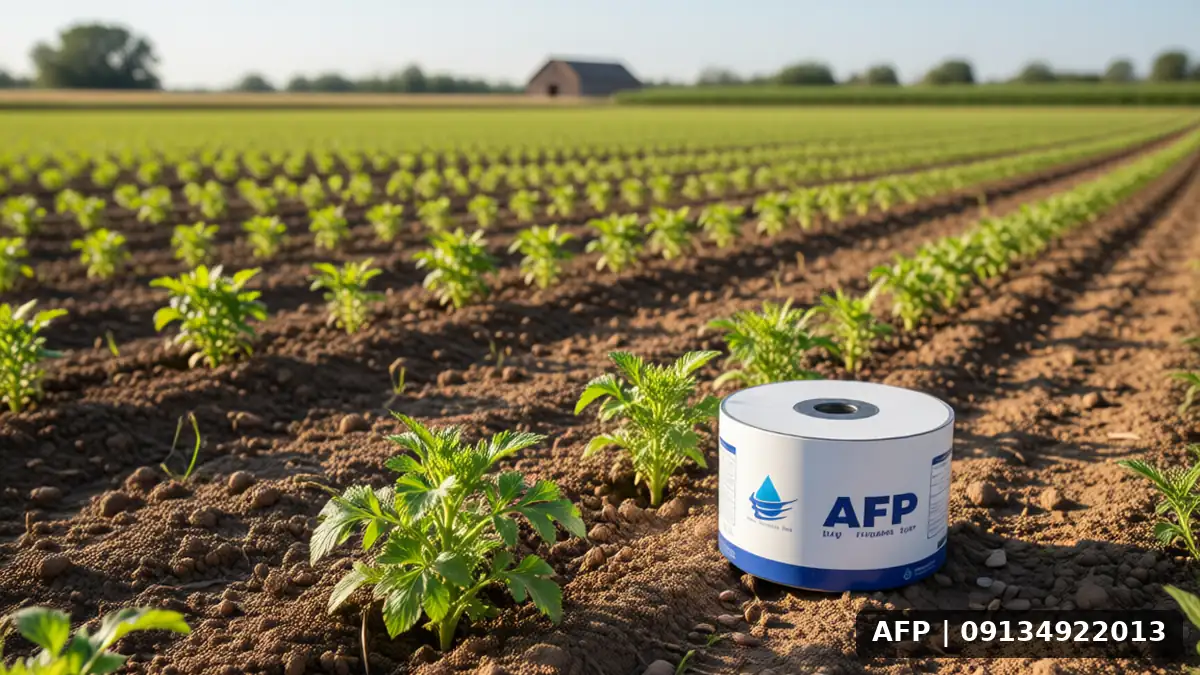
Coriander, as one of the most important medicinal and edible plants in Iran’s agricultural industry, has high sensitivity to water stress and soil moisture conditions. Selecting the correct irrigation method directly impacts not only yield quantity but also the quality of the plant’s aroma and resin. While ribbon irrigation for greenhouses has specific applications, for garden and open-field cultivation, fluid engineering within coarse-textured substrates is of vital importance. This article examines in detail the differences between subsurface drip irrigation and surface methods such as standard drip and ribbon drip in coriander fields.
Subsurface Irrigation: Mechanism and Benefits in Coriander
In subsurface irrigation systems, water lines (drip tapes) are placed at a depth of 10 to 15 cm below the soil surface. This depth corresponds to the zone of the main coriander root system. The main advantage of this method is a significant reduction in water evaporation from the soil surface, which can be up to 30 percent higher than with surface methods. Additionally, because weeds are reduced due to the lack of surface moisture, coriander has better opportunities for growth and development.
Impact on Salt and Nutrient Distribution
Coriander has high sensitivity to salt accumulation around the roots. In subsurface irrigation, the water pulse with high concentration (leaching fraction) spreads horizontally and vertically, preventing salt accumulation in the main root zone. This phenomenon is a major advantage for coriander farms in saline and arid regions.
Installation and maintenance cost of the system
The subsurface system has higher efficiency, but its initial installation cost is slightly higher than that of standard drip lines. This is because it requires more durable piping and a more precise filtration system. For more details on equipment, you can refer to the guide for 2-inch cotton irrigation pipe to ensure the appropriate pipe thickness.
<>
Comparison with surface drip method
The surface drip system, which is the most common method in Iran, places emitters directly on the soil surface or slightly above it. The comparison between the two systems is as follows:
- Water adequacy: The subsurface system requires 15 to 25 percent less water because it prevents evaporation and runoff.
- Weed management: In surface drip, weeds grow around the emitters, requiring more herbicides or mowing. In subsurface systems, the dry soil surface inhibits weed growth.
- Uneven slope distribution: In surface drip, steep slopes cause water to flow toward the downslope end. In subsurface systems, since water is applied within the soil, the slope’s effect on nutrient distribution is reduced.
However, surface drip is significantly cheaper and simpler to install and replace. For those seeking more economical solutions, consider Carrot seed rate per hectare can serve as an indicator for understanding the scale of similar crops, although cumin has smaller seeds.
Comparison with Narrow Web Tape
Narrow web tape is a wide plastic strip with small holes placed along planting rows. Due to its very low installation cost, this method has been popular for small-seeded plants such as cilantro and leafy greens. However, this method has weaknesses that should be considered when comparing it to subsurface systems:
Performance in heavy and light soils
In light and sandy soils, surface narrow web tape causes moisture to penetrate deeply, resulting in much of the water moving to depths beyond the reach of cilantro roots. In contrast, subsurface narrow web tape places water directly in the root zone. In heavy soils, the performance of surface narrow web tape is better, but subsurface systems still have an advantage in moisture management. For manufacturers of this technology, the article Narrow-strip drip line production line It can provide the technical manufacturing details of these tapes.
Risk of waterlogging and plowing
One of the major disadvantages of surface drip tape is vulnerability during cilantro planting operations. The risk of tape tearing is high. In subsurface systems, although the risk is lower (because the tape is buried at depth), if the tape deviates from the standard depth, the risk of kinking and root clogging of emitters increases.
<>
Practical tips for coriander cultivation using sub-surface irrigation
For successful sub-surface irrigation in coriander fields, adherence to the following principles is essential:
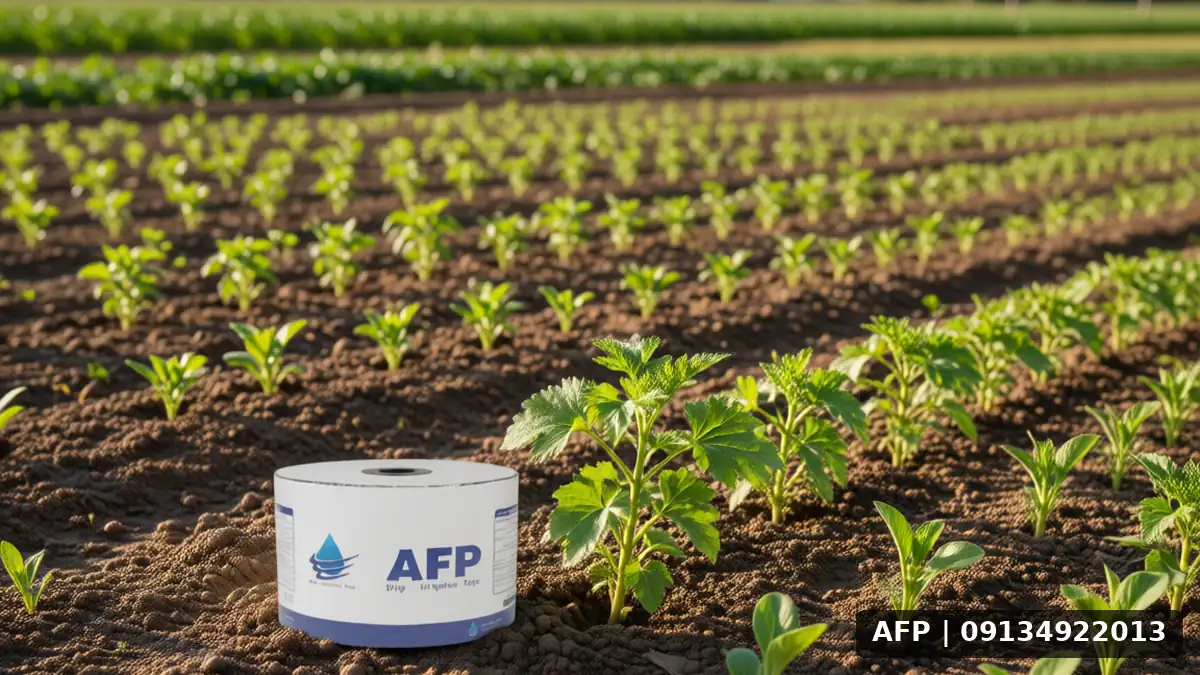
- Optimal depth: Install pipes at exactly 10 to 12 centimeters deep. Coriander has extensive shallow roots, and greater depths reduce water efficiency.
- Multi-stage filtration: Due to the small orifice size of drip tape and coriander’s sensitivity to water deficit, the use of high-precision sand and disc filters is mandatory.
- Removing excess strips: In the subsurface system, damaged or worn-out tapes must be carefully extracted to prevent damage to the soil surrounding the new tape.
- Soil moisture monitoring: Use soil moisture sensors in the root zone to prevent root waterlogging. Waterlogging is fatal for cilantro.
System flushes and flushing
Subsurface systems have less clogging due to the inability of fine sediments to penetrate the tape; however, because they are embedded in the soil, they are more susceptible to bacteria and biological clogging (Bioclogging). Regular use of chlorine or hydrogen peroxide in the water system is part of the maintenance plan. Additionally, periodic high-flow flushing to remove salts from the soil is essential to maintain cilantro quality.
In addition to cilantro, many farmers concurrently cultivate other vegetables such as lettuce or spinach. For a better understanding of similar crop densities, consider Performance comparison of melon in Iraq as it can provide a general view of the impact of water supply on final crop performance in similar regions.
<>
Frequently Asked Questions (FAQ)
Is subsurface irrigation suitable for cilantro grown in garden beds?
Yes, but the small scale and relatively high cost of the system make it less attractive for home garden beds. In garden beds, using surface drip tape with dry soil mulch is a more cost-effective alternative.
What is the most critical factor causing failure of subsurface systems for cilantro?
Lack of initial cleaning and inadequate filtration. Clogging of the fine subsurface lines with silt and clay causes water delivery to stop, leading to water deficiency in cilantro, which results in poor coloration and weak flowering.
Can old surface drip tapes be used in a subsurface system?
Never. Old surface tapes lack the necessary mechanical strength for soil placement and will break under root pressure. The use of subsurface-specific tapes with higher UV and mechanical resistance is mandatory.
What is the difference between subsurface irrigation and subsurface drip irrigation?
Subsurface drip places emitters at depth and requires a main line. Subsurface tube is a continuous strip that offers faster installation and is more suitable for densely spaced coriander rows.
Summary and final recommendation
Choosing a coriander irrigation method is a multidimensional decision. If your farm is in an arid region with saline soil and limited water, Subsurface tube irrigation is the best option in terms of uniformity and crop quality. If the budget is limited and the soil has good texture, Surface tube with soil moisture monitoring is an acceptable option. Ultimately, attention to filtration details and planting depth is the key to success with both methods. These methods help you achieve maximum yield from your coriander field with minimal water use and supply high-quality produce to export markets.
For further details on spacing and planting rates for other suitable crops, please refer to Increasing broiler yield per hectare to develop a comprehensive water and soil resource management plan for your vegetables.