Sprinkler Irrigation for Chickpea Cultivation: Cost Optimization
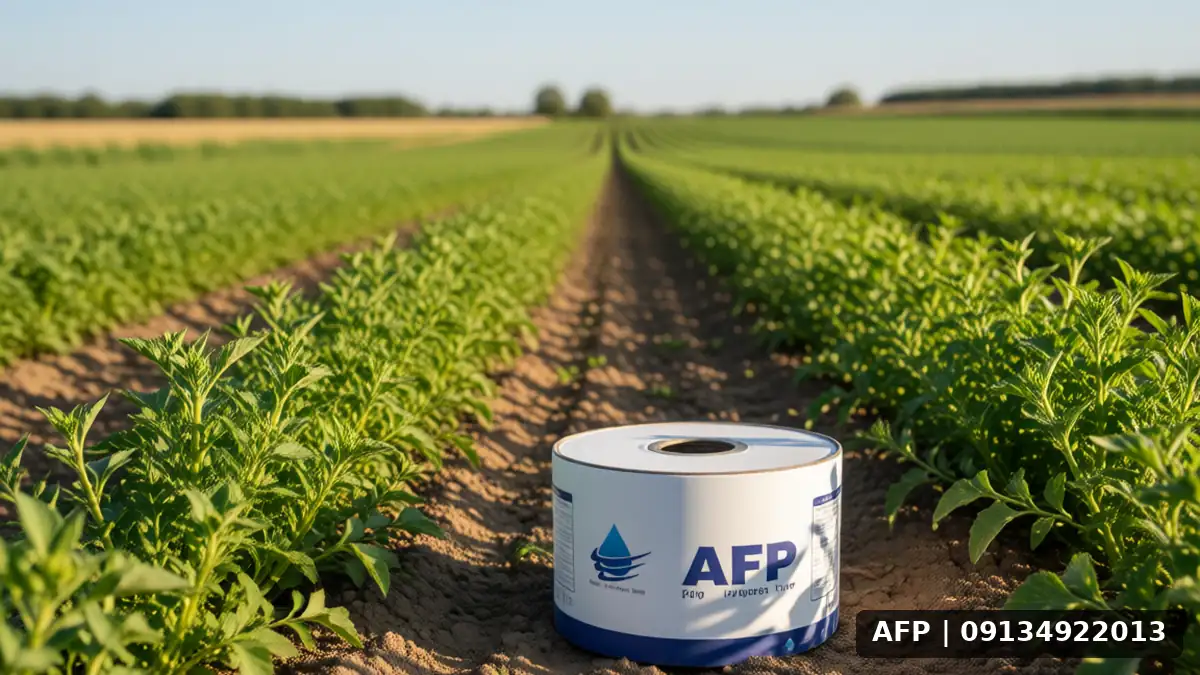
Introduction to the importance of flood irrigation in lentil cultivation
Lentil is one of the important leguminous crops in field agriculture. Due to its sensitivity to water levels and soil type, it requires precise management of water resources. The flood irrigation method, also known as basin irrigation, by guiding a uniform flow of water across the land surface, can lead to uniform soil moisture and even plant growth if implemented correctly. However, the main challenge for farmers is maintaining the balance between water supply quality and optimal cost of implementation. Since pumping energy consumption and soil layer management play a leading role in the final budget, familiarity with selection criteria and technical efficiency of modern irrigation systems such as drip tape is an undeniable necessity. The importance of this is heightened because in areas with chronic water scarcity, every liter of water wasted directly impacts the groundwater balance deficit and reduces the farm’s economic efficiency. Therefore, the transition from traditional methods to new technologies is not a choice but an inescapable obligation for the economic survival of agriculture.
In this section, our objective is to examine the direct relationship between the correct design of the irrigation network and the reduction of operational costs. Many farmers believe that drip tape systems are only suitable for greenhouse crops, whereas this technology, when adapted for open field agriculture, can significantly reduce labor and workforce costs. To better understand the structure and function of these systems, studying the components of drip irrigation systems with drip tape can be helpful. These systems create a homogeneous moisture environment in the root zone, minimizing water stress and allowing the plant to allocate more energy to dry matter production and grain filling, resulting in increased product quality and quantity at harvest.
Structural and operational cost analysis in lentil irrigation
Factors affecting pump water and energy consumption
The main cost in flood and drip strip irrigation is associated with operational expenses. Pump energy consumption is dependent on land elevation and transmission line length. In lentil cultivation, which has shallow and scattered roots, the even distribution of water via drip or strip methods ensures that more water is concentrated in the root zone. This concentration reduces total water usage. On average, using drip strips with an efficiency of 90 to 95 percent, compared to conventional flood irrigation with an efficiency of 50 to 65 percent, can save up to 30 percent in water and pumping costs. For a more accurate water requirement calculation, understanding the yield per hectare is a key factor. Although lentil data is rarely seen in general literature, general principles such as those described in the seed quantity per hectare article can be used to estimate lentil density and water requirements. Considering these points helps prevent both over-watering and under-watering, both of which lead to reduced economic yield.
The impact of drip strip quality on the economic lifespan of the system
The initial cost of purchasing drip tape is only a small fraction of the system’s total lifetime cost. Cheap, thin drip tapes are susceptible to clogging by fine sand particles and calcium carbonate deposits, which significantly increase maintenance and repair costs. Therefore, initial investment in standard thickness, high-durability tape leads to a lower depreciation rate and optimized annual costs in the long term. Guidance on the ideal wall thickness of drip tape can be helpful in selecting the appropriate option for specific lentil soil conditions. UV resistance is also one of the most important selection criteria. High-quality tapes with UV inhibitors last up to two outdoor cropping seasons, whereas low-quality samples become brittle and cracked in a single intense summer season.
Practical tips for optimizing lentil irrigation
To achieve cost optimization, purchasing the system alone is not enough; execution and daily management are also of vital importance. The following are key practical tips for farmers:
- Alignment of drip line spacing and planting row spacing: Lentils are usually planted in compact rows. The drip line should be placed exactly along the row, 5 to 10 cm from the center, so that moisture reaches the root zone directly and excessive drainage and improper water distribution between rows are prevented. This arrangement also facilitates nutrient absorption.
- Flow pressure management: Modern drip tapes typically operate at lower pressures. Using appropriate pressure regulators prevents line rupture at high-pressure points and eliminates replacement costs. Correct adjustment of inlet and outlet valves plays a significant role in pressure stability.
- Prevention of clogging: Before each irrigation cycle, use appropriate filters (centrifugal or disc). This is particularly crucial in regions with high sediment and well water, as it reduces the cost of system rehabilitation. Regular filter flushing is a mandatory practice.
Furthermore, combining drip irrigation with fertigation can also optimize fertilizer costs. This is because only the amount the plant needs reaches the roots at the right time. Educational resources on tomato drip irrigation can serve as a model to understand the behavior of drip lines in similar stem crops like lentil. Such applications are also useful for other crops like bell pepper.
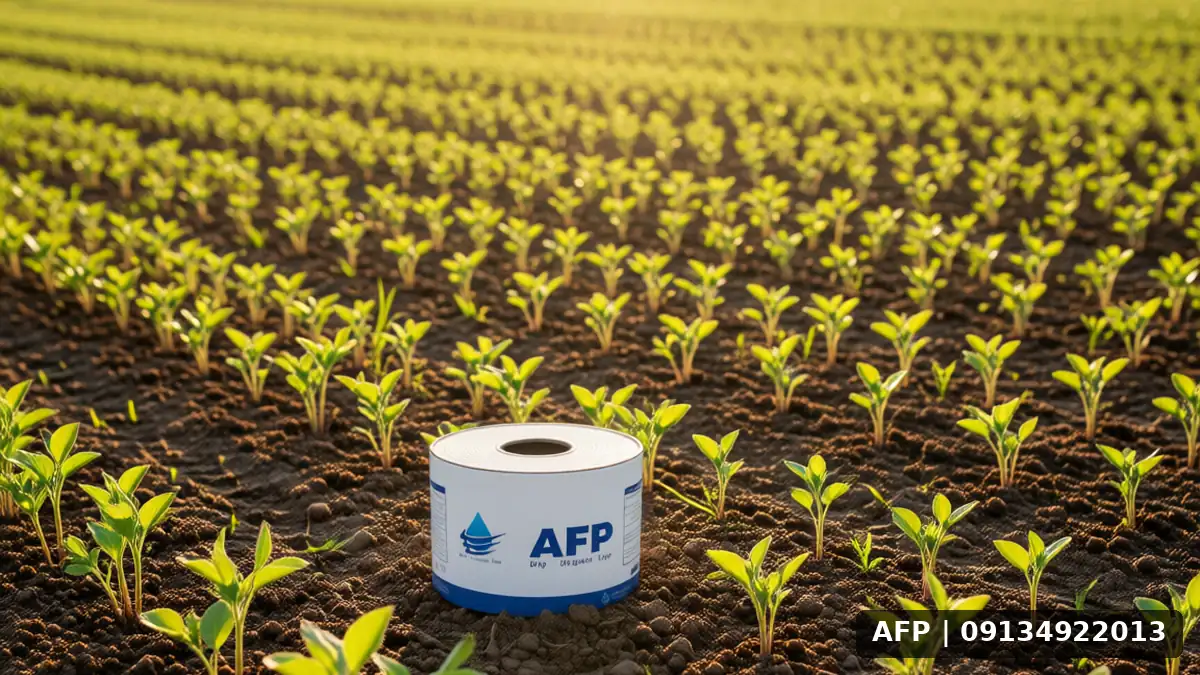
Frequently Asked Questions (FAQ)
Is furrow irrigation better for lentil than drip irrigation?
In a direct comparison of Total Cost of Ownership (TCO), drip irrigation is generally the winner. Furrow irrigation requires flat land and labor for water management. Drip irrigation automates the process, eliminating labor costs and improving water distribution accuracy, which leads to reduced waste and increased yield per hectare. This advantage is particularly evident in larger farms with sloping terrain, where managing water in furrow irrigation is difficult.
What is the pump energy consumption in drip irrigation?
Energy consumption depends on the drip line diameter, operating pressure, and mainline length. Under ideal conditions, high-efficiency DC pumps powered by battery or diesel can reduce fuel costs by up to 20%. The most critical factor to consider is the material of the drip line; lines made with more UV-resistant materials reduce long-term replacement costs. For more details on material durability, refer to the guide on Comprehensive Drip Irrigation Guide for Greenhouses Refer to sections covering general durability principles. Additionally, selecting a variable frequency drive (VFD) pump can optimize energy consumption based on actual plant requirements.
Can drip lines from previous seasons be used for lentil cultivation?
Yes, but with caution. Older lines may have undergone chemical degradation or deformation. Before using them with sensitive crops like lentils, test them for emitter clogging and structural integrity. Otherwise, the cost of premature replacement may be less than the risk of failure. It is recommended to flush the lines with appropriate pressure after each season to remove internal deposits.
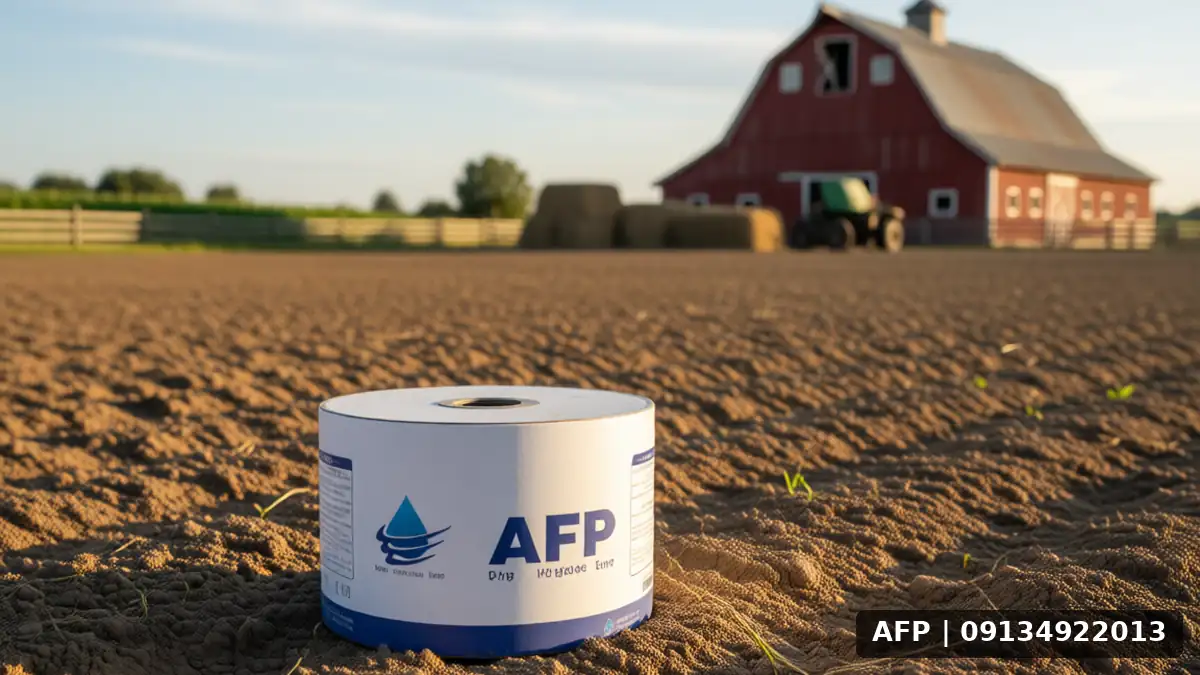
Final Conclusion
Drip irrigation, and specifically the use of drip line systems in lentil cultivation, is a reliable method to achieve cost optimization By considering technical aspects such as selecting the appropriate tape thickness, ensuring compatibility with planting density, and managing flow pressure, farmers can simultaneously reduce water and energy consumption while increasing crop yield. Initial investment in high-quality equipment and adherence to correct implementation principles are the keys to reducing overall installation costs and achieving an economical and sustainable crop. The future of Iranian agriculture depends on this transition from tradition to technology.
Related articles: Components of the drip irrigation system with tape line, white onion yield per hectare iraqand romaine lettuce yield per hectare factors increase methodsasparagus yield per hectare, Components of the D8A8D8A7 drip irrigation system, D8AADB8C line