Soil Moisture Irrigation in Lettuce: Applications and Practical Tips
Introduction to the Importance of Moisture-Based Irrigation in Leafy Vegetable Farming
Green leafy vegetable and lettuce farming is highly sensitive to soil moisture management. In cool climatic conditions, leafy plants require consistent and stable moisture; temporary dryness or flooding irrigation can lead to early bolting or loss of tissue quality in the final product. Moisture-based irrigation using drip systems and drip tapes is an operational solution for precise water control within the Root Zone. This method not only saves water resources but also reduces leaf splitting and prevents fungal infections caused by surface overflow irrigation, ensuring plant health.
Specialized Applications of Drip Systems in Leafy Vegetable Cultivation
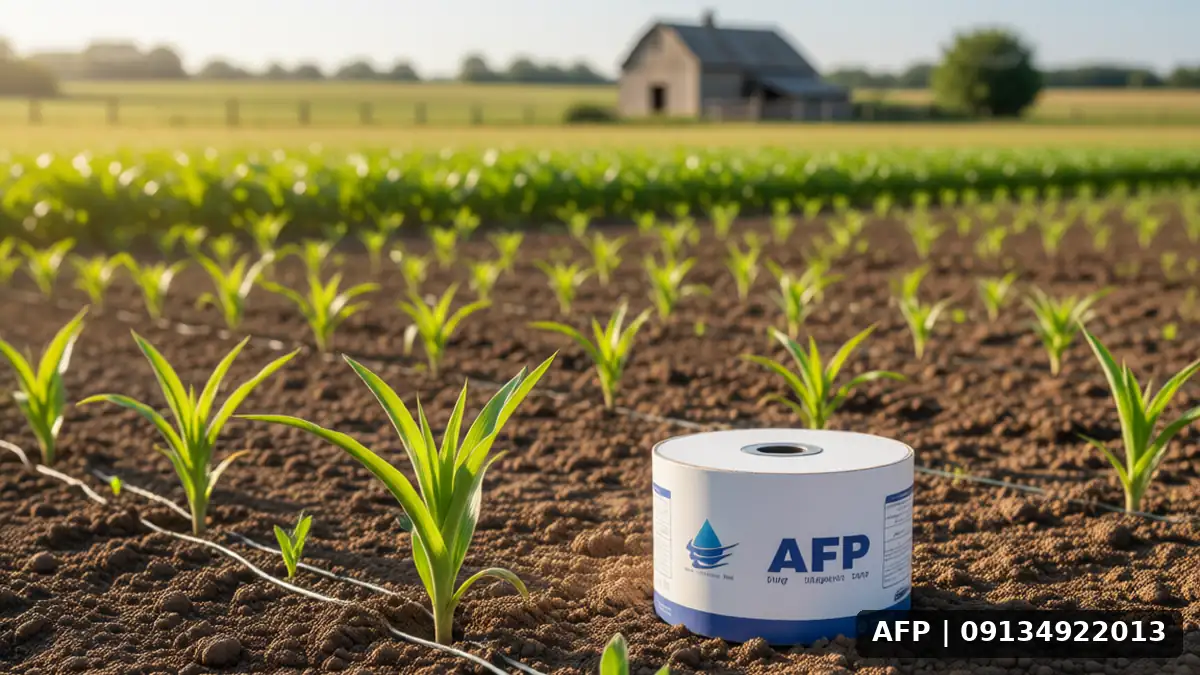
The use of Drip Tape in horticulture, particularly in high-frequency leafy vegetable cultivation, is a primary application. These systems create a strip irrigation pattern, delivering moisture locally and in a controlled manner to the roots. This section highlights two important applications:
- Local Strip Irrigation: In row-planting of leafy vegetables, the drip tape is placed at intervals of 8 or 12 centimeters, at a soil depth of 10 to 15 centimeters. This spacing ensures stable moisture within the strip, allowing lateral root systems of the vegetables to access water quickly.
- Fertigation: One of the critical applications is the direct injection of water-soluble fertilizers through the drip system. Green leafy vegetables require accessible nitrogen and potassium to maintain freshness. Performing Fertigation under optimal moisture conditions enhances ion absorption and prevents salt deposition on the soil surface, which causes salinity.
Understanding the main components of the system is essential for selecting the appropriate drip line type; each section, from filter to nozzle, must have high compatibility with the target pressure and flow rate. To learn about these components and their correct connection methods, you can refer to the guide for Components of the Drip Line System reference.
Comparison of Drip Line Types and Throw Distance
The choice of throw distance in drip lines affects the soil moisture profile of lettuce. A shorter throw distance increases vertical water infiltration and reduces the risk of leaf splitting, but it increases pump energy consumption. For lettuce cultivation, drip lines with a throw distance of 16 to 20 cm provide a better balance. Additionally, using double-lateral drip lines in large farms doubles the watering speed and prevents temporary drying of the end sections of the strip.
Water Source Accessibility and Site Assessment Before Irrigation
Before installing a soil moisture irrigation system, a detailed assessment of the area’s geological and water characteristics is of high importance. Soil type (sandy, clayey, or loamy) affects permeability and moisture retention. In soils with low permeability, the volume and duration of irrigation must be adjusted to prevent waterlogging of lettuce roots, which causes rot.
Additionally, assessing the available water source volume and the pressure required for the drip line system during the growing season ensures the prevention of sudden pressure drops and temporary root dryness. To this end, the importance of site inspection for drip lines must be taken seriously. Mismatch between soil capacity and polyethylene drip line systems can cause uneven water distribution across crop rows.
Practical tips for moisture management with drip line systems
In this section, we describe the executive and operational points used in leafy vegetable farms:
- Flow rate adjustment based on row dimensions: In leafy vegetables, row sizes are very small. Therefore, drip lines with low flow rates (e.g., 2 liters per hour) are more suitable. High flow rates cause the wetting strip to extend beyond the crop row width, leading to water loss and weed growth in the inter-row spaces.
- Salinity management via leaching: Leafy vegetables are sensitive to salinity. The use of a drip system enables localized leaching. This is done by slightly increasing the volume of water at the end of each irrigation cycle to flush excess dissolved salts from the root zone and prevent salt buildup in the leafy tissue.
- Reducing field air humidity: With subsurface drip irrigation, surface moisture and humidity above the leaves are reduced. This makes it much harder for diseases caused by pathogenic fungi (such as Alternaria) to thrive.
- Use of an in-line flow fluctuator: In long rows of leafy vegetables, installing a flow fluctuator in the drip tape system helps ensure uniform flow rate along the entire length of the line, preventing dry spots at the end of the row.
For a better understanding of how to set up irrigation emitters in related line systems, you can refer to Methods for calculating emitter locations which are also useful when designing supplementary networks for leafy vegetable crops.
Fogging and its impact on lettuce yield and other horticultural crops
In addition to lettuce cultivation, many orchardists and vegetable growers also plant crops with deeper root systems, such as cabbage, peppers, and certain vegetables. Drip systems offer flexibility and can be easily adapted for other crops by adjusting the emitter spacing. For example, in summer crop cultivation, moisture management directly affects yield and product quality; this is in contrast to lettuce, where plant growth rate has a dual sensitivity to moisture.
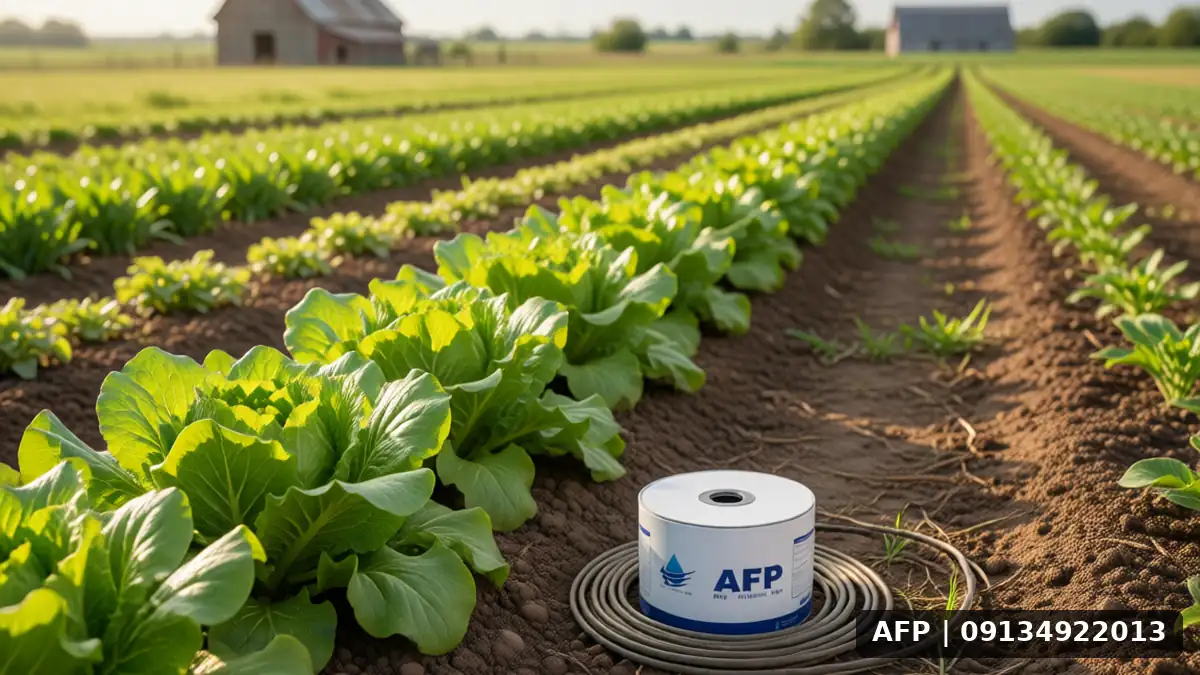
In many regions with similar climates, the use of drip systems for high-yield crops has resulted in a significant increase in production. A comprehensive review of everything about subsurface irrigation can provide complementary insights into the optimization of water resource consumption for other field crops.
Frequently Asked Questions (FAQ)
Is the drip system suitable for lettuces with limited root dimensions?
Yes, lettuces have shallow and surface-level roots. Drip emitters placed at a depth of 10 to 15 centimeters align exactly with the lettuce root pattern. The key point is that the emitter diameter should not be larger than the row spacing, so that moisture remains concentrated within the inter-row band and water loss to root-less areas is minimized.
How can early flowering of lettuce due to moisture stress be prevented?
Early flowering (bolting) often occurs due to repeated water stress. Using a drip system with short, regular irrigation cycles maintains soil moisture within the optimal range (60 to 75 percent of minimum field capacity). This balance prevents the lettuce from entering a stress state, allowing it to remain in a vegetative stage and continue growing.
What is the irrigation interval for lettuce in hot weather?
In hot weather, evaporation and transpiration occur more rapidly. Typically, using shorter irrigation cycles (for example, every 2 to 3 hours) with a drip system, running for 10 to 15 minutes, is more effective than fewer, longer irrigation sessions. This method keeps the soil surface moist without waterlogging the root zone.
Can the drip system be reused for subsequent crops?
Yes, the drip tubing has a useful lifespan and can be used for subsequent lettuce cycles or even similar crops such as endive or other shallow-rooted vegetables. Flushing the micro-filters (80 microns) at each cycle is essential to prevent clogging of the emitters.
Summary and Conclusion
Using moisture management with a drip system for lettuce cultivation is not just about water conservation; it is a scientific method for increasing quality and preventing water stress in plants. By carefully selecting the drip type, adjusting the discharge rate to match the lettuce root dimensions, and managing soil moisture optimally, growers can expect the final product to be supplied to the market with high freshness and good shelf life. This sustainable and optimized approach is a significant step toward modern lettuce farming.
Related Articles Pulse Harvest Yields per Hectare: A Comprehensive Guide to Boosting Performance