Smart Irrigation in Spinach Cultivation: A Comprehensive Guide to Cost Reduction and Water Optimization
Introduction: The Necessity of Transitioning to Smart Irrigation in Spinach Cultivation
Spinach is a crucial leafy vegetable that requires precise management of water and light resources due to its rapid growth and short cultivation cycle. In recent years, with the rising costs of energy resources and water scarcity, the use of conventional irrigation systems is no longer economically viable. Smart Irrigation In particular, the use of drip tape is considered a strategic tool for modern farmers. This method not only increases the accuracy of water distribution but also reduces labor costs through automation. In this article, we examine filtration technologies and pipe layout to analyze optimal costs and return on investment in spinach cultivation, enabling you to make informed decisions.
The Role of Drip Tape in Optimizing Water Use for Spinach
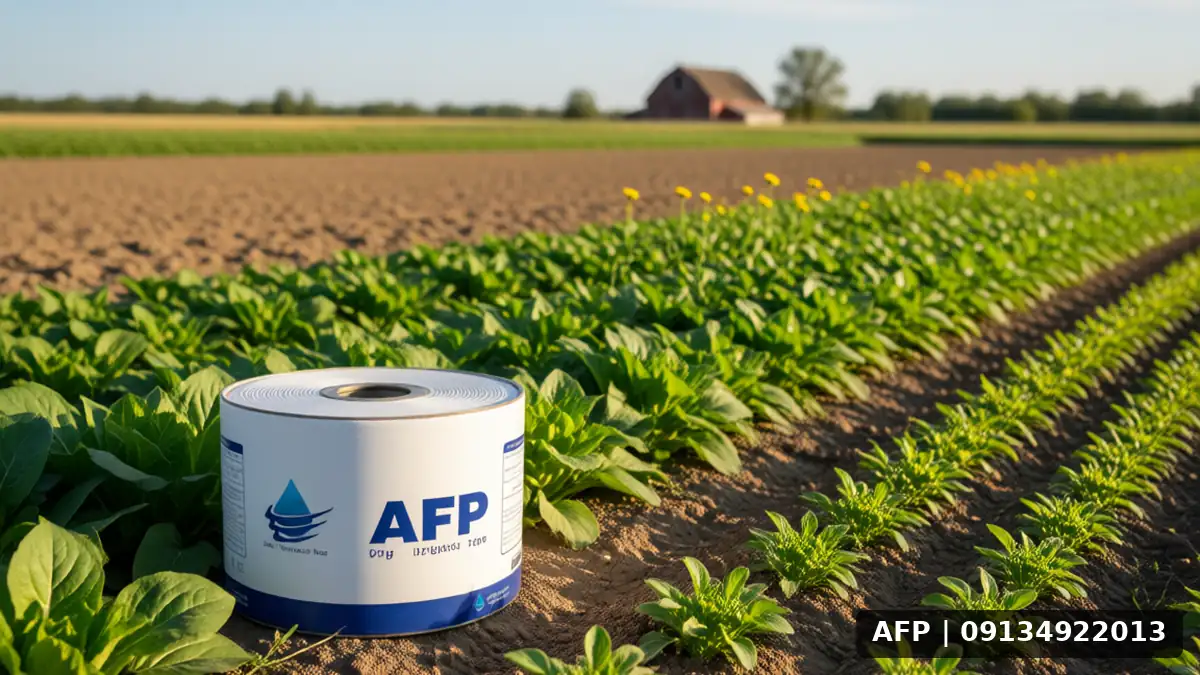
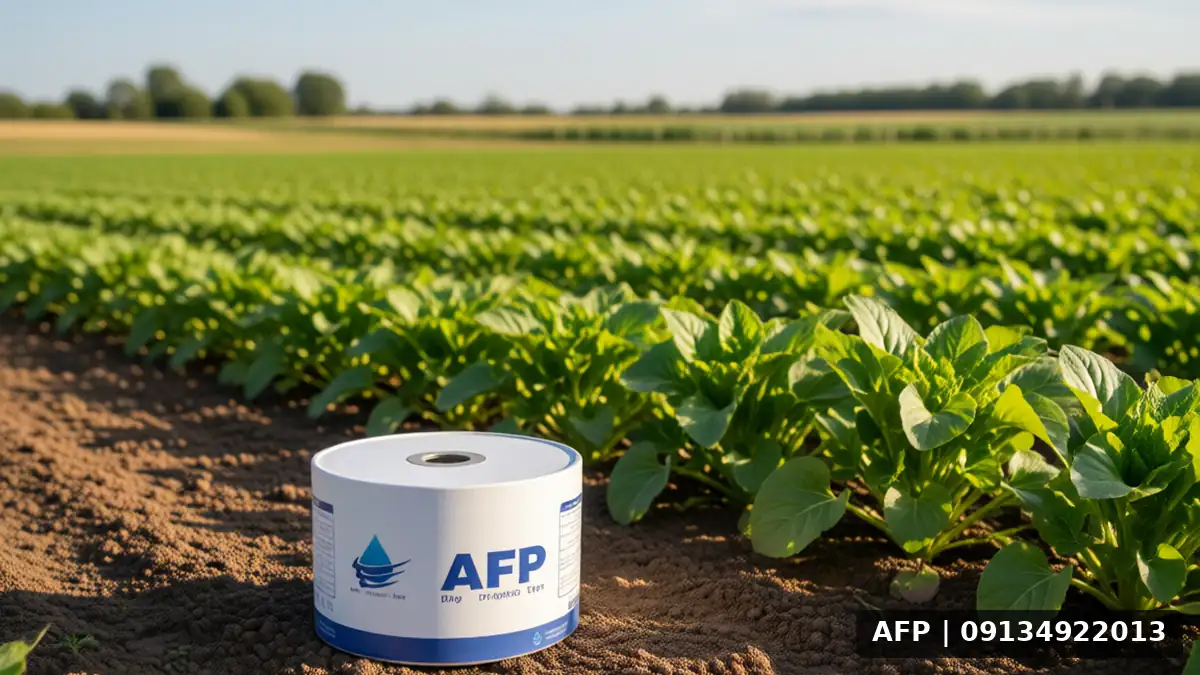
Drip tape is the optimal choice for shallow-rooted vegetables like spinach, thanks to its compact structure and appropriate drip hole diameter. In this system, water is released directly into the root zone, minimizing surface evaporation. For Smart Irrigation of Spinach, drip tape with a drip emitter spacing of 10 to 20 centimeters should be used. This spacing ensures uniform soil moisture distribution and prevents the leaching of nutrients to lower soil layers. A key consideration is the compatibility of the drip tape with the filtration system, as spinach is sensitive to microbial contaminants, and clogging of drip holes can compromise yield.
The Impact of Root Depth on Irrigation System Selection
- Broad, shallow root systems: Spinach has a root system with a predominant depth of less than 15 cm. Therefore, surface-placed drip tape is in direct contact with the roots.
- Reducing water stress: Drip watering prevents severe fluctuations in soil moisture and improves leaf quality.
- Improving nitrogen uptake: Localized irrigation concentrates nutrients in the root zone, enhancing nitrogen uptake, which is the main driver of spinach growth.
Cost Optimization: Economic Analysis of Smart System Installation
Some believe that the upfront cost of acquiring smart systems is a deterrent, but statistics show that the return on investment is realized within two growing seasons. For optimal cost In spinach cultivation, one should not focus solely on the price of pipes but must also consider hidden costs such as maintenance, water losses in manual systems, and harvesting expenses. On average, smart drip irrigation can reduce pump energy consumption costs by up to 30% because it requires lower pressure. Additionally, by reducing crop waste caused by root rot (due to irregular irrigation), net income increases. Farmers who use moisture sensors are able to prevent over-watering, which leads to the waste of resources.
Cost comparison: Drip line vs. Sprinkler
To gain a better understanding of the operational principles of drip line usage in sensitive crops, it is recommended to study the drip irrigation maintenance and management guide to avoid installation errors. Additionally, understanding how yield per ton can be increased through proper resource management plays a key role, which you can find in the article Increasing Garlic and Onion Harvest Yield per Hectare Check it out; because similar management principles exist between these vegetables.
Practical Tips for Successful Installation of Smart Systems
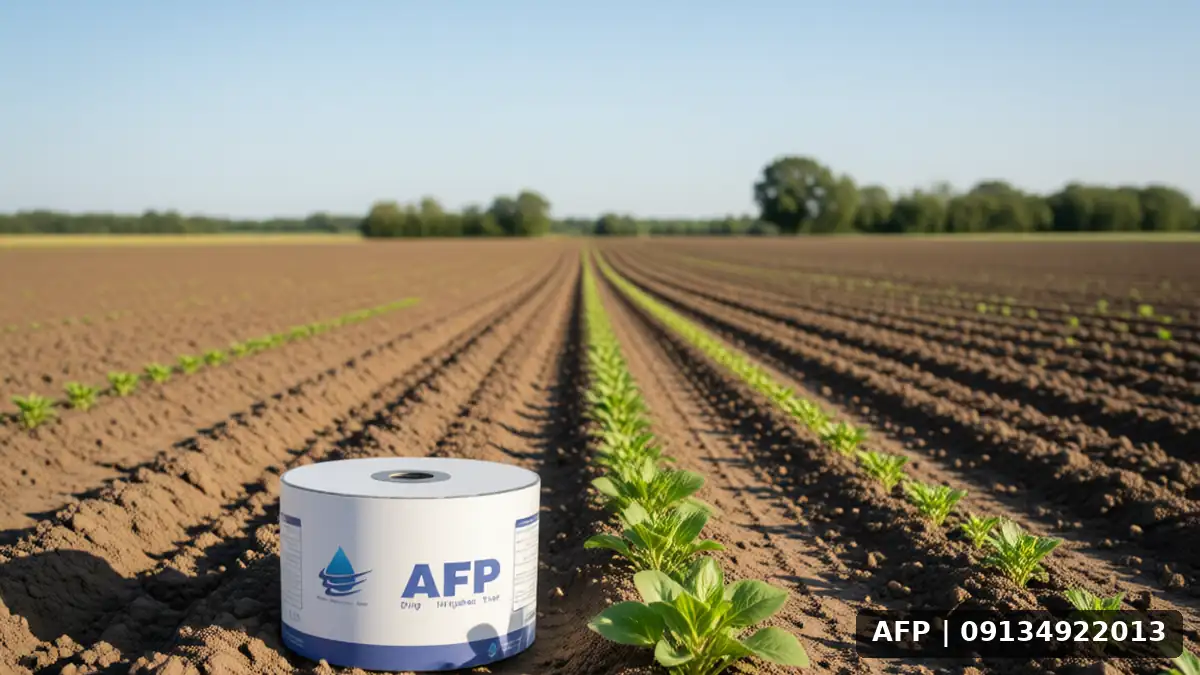
Successful establishment Smart Spinach Irrigation It requires careful attention to technical details. One of the most critical factors is the system’s operating pressure. Drip tape typically operates at 5 to 8 pounds per square inch (psi). Excessive pressure can damage the delicate roots of spinach, while insufficient pressure will result in uneven water distribution. The use of a pressure regulator is recommended. In addition, the layout of the spinach rows must align with the drip tape spacing to prevent plant shading of the drip line. This is because spinach requires gentle light, and excessive crowding can lead to leaf rot.
Impact of automation systems on crop quality
- Soil moisture sensor calibration: The use of soil sensors for detecting precise water needs is more accurate than relying on a timer. Spinach requires higher moisture levels in its early stages compared to its maturity phase.
- pH and EC Monitoring: In irrigation and plant fertilization (fertigation) systems, the pH of the water can be adjusted to enhance nutrient uptake. Spinach has a high sensitivity to soil acidity.
- Two-stage filtration: Using a turbulizer filter followed by a disc filter is essential to prevent dripline clogging.
For those planning to grow other vegetables, understanding planting density is important. As noted in the article on basil seed rate per hectare, high planting density of vegetables makes precision in water distribution critical. Therefore, drip systems are ideal for all leafy vegetables such as spinach, lettuce, and basil.
Frequently Asked Questions (FAQ)
Is drip tape suitable for all types of spinach?
Yes, drip tape is suitable for all spinach varieties, including semi-aquatic and dryland types, provided that the dripper spacing is coordinated with the plant spacing.
What is the cost of maintaining smart systems?
The annual maintenance cost of smart systems is approximately 20% lower than that of conventional systems due to fewer spare parts required and automation. Most costs are associated with replacing filters and control panels.
Can smart systems be used for double-cropping?
Although spinach is typically grown as a single crop, it offers high flexibility when rotated with other vegetables, particularly with adjustable systems (such as drip tape).
Conclusion: The Future of Spinach Cultivation with Technology
Transition to Smart Irrigation For spinach cultivation, the transition to smart irrigation is no longer just an option but an economic necessity. By following technical principles, optimizing initial costs, and utilizing precise soil moisture data, farmers can achieve higher-quality products at sustainable costs. The key to success lies in combining knowledge of climatic cultivation with modern drip-tape technology. Sustainable agriculture is achieved when water and energy resources are used with high precision. It is recommended to consult on precise flow rate and pressure calculations for various crops before purchasing a system. For further reading on optimizing yields for other crops that benefit from drip irrigation, refer to the guide on AFP. Garlic yield per hectare You can also check the layout and planting density of green bean seeds per hectare to gain a more comprehensive understanding of farm management. This intelligent approach is the foundation of modern and competitive agriculture in the region.
Related articles: potato drip tape irrigation guide iraq, Basil seed quantity per hectare: A comprehensive planting guide