Smart Irrigation for Onion Cultivation: A Comprehensive Guide to Leveraging Benefits
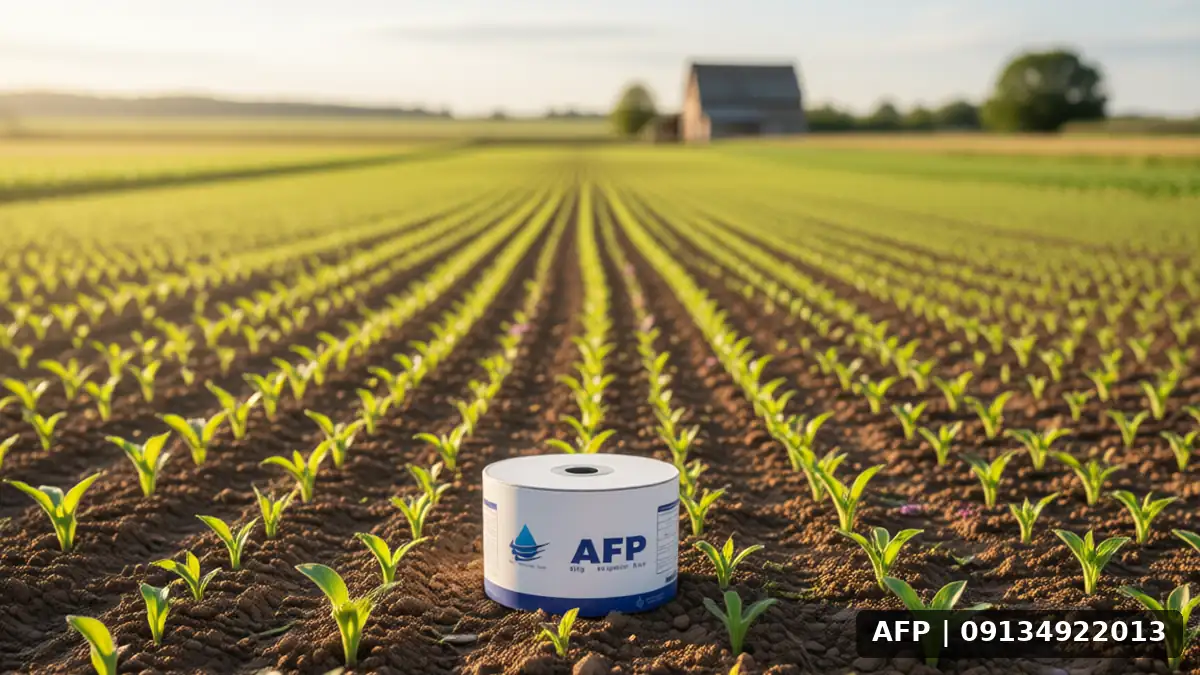
Technological advances in agriculture, particularly in irrigation, have shifted water resource management from conventional practices toward smart and precision patterns. For crops such as onion, which require stable and controlled moisture, the use of Smart irrigation in onion cultivation is a strategic step for improving productivity. In this article, we examine in depth the benefits of these methods so that farmers looking to upgrade their production level can make informed decisions. The primary focus is on drip and tape irrigation, two efficient methods for this sensitive crop.
The importance of precise moisture management in onion growth
Onion is a bulb crop whose growth is directly related to water uptake from various root zones. In recent years, climatic variability and water resource scarcity have forced farmers to adopt methods that not only reduce waste but also maintain product quality. Smart irrigation, utilizing soil moisture sensors and decision-making algorithms, ensures water is consumed exactly when and in the quantity required by the plant. This precision in moisture management is a key advantage, leading to uniform onion size and reduced waste.
The relationship between drip systems and onion root health
One of the main concerns in onion cultivation is root rot caused by temporary soil waterlogging. Drip irrigation systems, particularly when integrated with artificial intelligence or automation, prevent excessive water accumulation around the roots. Instead of wetting the entire soil surface, water is applied drop by drop to the root zone. This improves oxygen supply to the roots and makes the plant more resistant to fungal diseases. If you are looking to increase your crop stand count, studying potato yield per hectare can give you better insight, as similar subsurface mechanisms exist in the bulb formation of other crops.
Key benefits of smart irrigation in onion cultivation
Using advanced technologies for onion irrigation provides numerous benefits beyond water conservation. Below are the most important of these benefits:
- Increased yield and commercial quality: Maintaining consistent moisture levels ensures uniform onion growth. Onions that are uniform in weight and size have higher added value in both export and domestic markets. For a better understanding of the factors affecting yield, you can refer to the article Factors increasing the number of garlic cloves per hectare Note that there is significant overlap in precision irrigation principles between onions and garlic.
- Reduction in energy and water consumption: Smart systems optimize electrical energy consumption by reducing unnecessary pumping. Additionally, a 30 to 50% reduction in water use compared to surface irrigation is one of the most attractive benefits for farms prone to drought.
- Better fertilizer management (Fertigation): One of the greatest advantages of automation is the ability to inject precise amounts of fertilizer through the irrigation system. In onion cultivation, fertilization at sensitive growth stages is critical. AI can adjust fertilizer amounts based on plant needs and prevent root burn.
- Reduction in manual labor intervention: With the installation of smart systems, the need for workers to be constantly present on the farm to turn valves on and off is reduced. Farmers can monitor and control irrigation status via a mobile application.
Of course, selecting the type of drip emitters and their spacing is very important. Although we have focused on drip irrigation, familiarity with 90 thread hose and its applications in irrigation can help in selecting the appropriate piping for stable pressure transfer. High-quality pipes increase the system’s lifespan and prevent hidden leaks.
Practical tips for implementing smart onion irrigation
To benefit from the advantages of smart irrigation in onion cultivation, the correct implementation of the system, from technical design to maintenance, is vital. The following practical tips are provided:
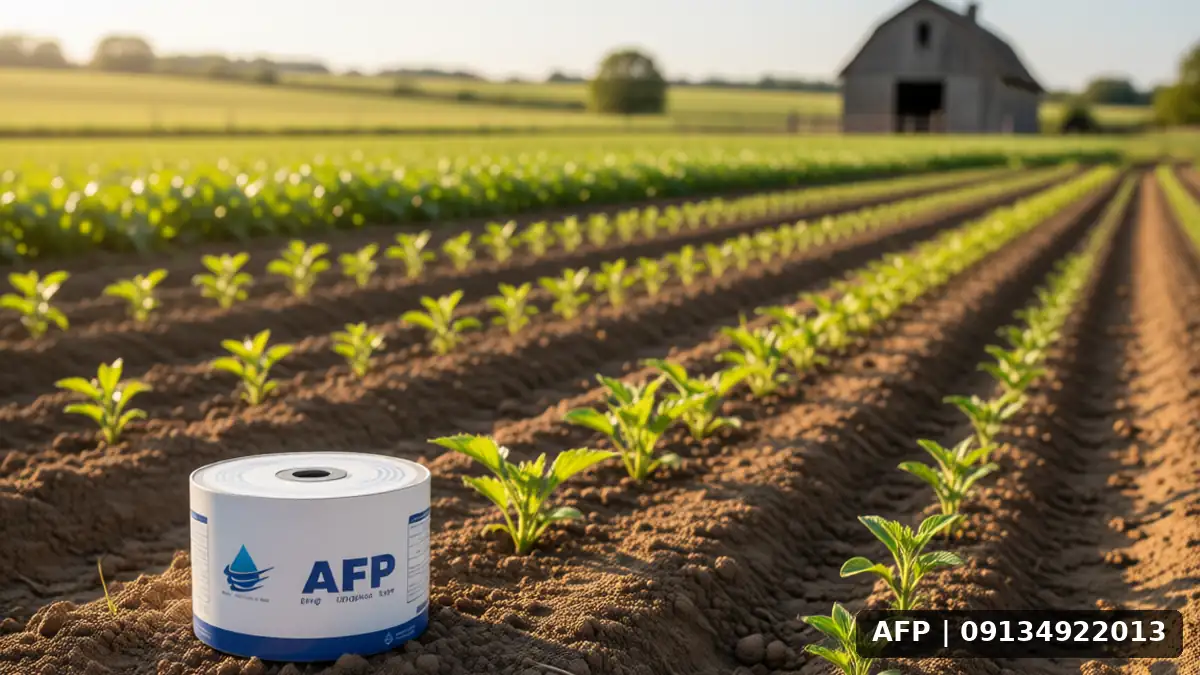
Scheduling irrigation timing based on growth stages
- Initial vegetative stage: At this stage, frequent low-volume irrigation is recommended to prevent damage to delicate onion sprouts. The smart system must have the capability to adjust for low pressure.
- Onion bulb formation stage: This is the most critical period. Irrigation must be continuous and uniform for the onion to reach its final dimensions. Water deficiency during this period causes central hollowing of the bulb.
- Maturity and separation stage: Stepwise reduction of irrigation to help dry the outer skin and increase the shelf life of onions in storage.
Another important point is the periodic flushing of drip emitters. Salts in the water (when irrigating with dry soil well water) can clog the lines. New smart systems have the capability for automated reverse flushing, which is considered a significant operational advantage. Additionally, if using drip lines, ensure they are correctly placed under the leaves to prevent burning of terminal leaves by water spray.
Role of sensors in smart decision-making
The use of soil moisture sensors at different depths (e.g., 10 and 30 cm) is the key to the success of the smart system. These sensors send real-time data to the controller. Although onion is a medium root-density crop, precise knowledge of moisture at 30 cm depth allows the plant to develop deeper roots. In this regard, familiarity with sunflower yield per hectare demonstrates how controlled irrigation can contribute to high shoots even in grain crops, and this principle applies to onions as well.
Frequently Asked Questions (FAQ)
You may also have concerns about investing in smart systems. In this section, we answer several common questions:
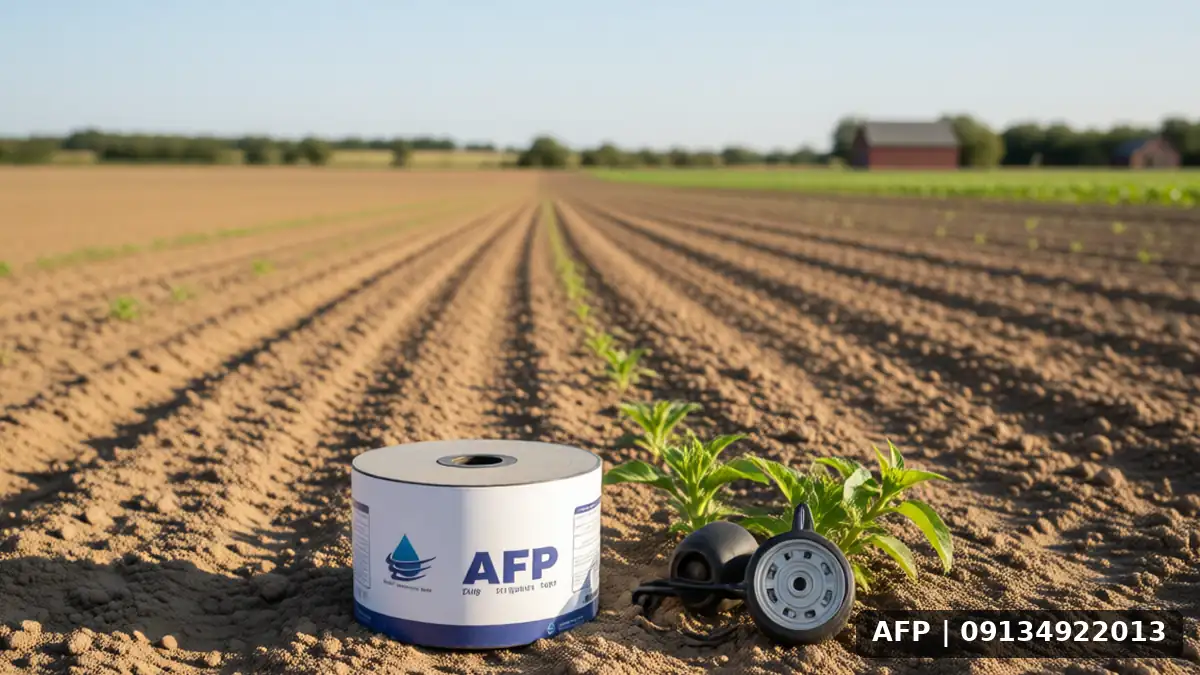
Is smart onion irrigation suitable for small farms as well?
Yes, even on small farms, using smart timers and simple sensors can reduce water costs and prevent efficiency losses. The initial cost is offset by long-term savings.
Is drip irrigation prohibited for onions in sandy soils?
Contrary to popular belief, drip irrigation is feasible in sandy soils if the system is precisely designed, but it requires closer spacing of drippers and more frequent irrigation. System intelligence is critical here to prevent water leaching into unreachable depths.
What is the difference between tape and drip irrigation for onions?
Drip tape wets the cover crop more and can help suppress weeds in early stages, but precise moisture control during bulb formation is more effectively achieved with drip emitters. Choosing between the two depends on your soil conditions and weed management strategy.
Summary: Why smart irrigation is the future of onion cultivation?
Ultimately, implementing smart irrigation in onion growing is not just a technical technique but a paradigm shift in farm management. Its benefits range from reducing environmental stress and saving money to producing onions with higher commercial quality and longer shelf life. Given the importance of water in this process, understanding the correct principles of irrigation network design is vital. Farms should consult more detailed resources in this field to select the best scenario for their needs. To better understand the design principles behind every smart system, you can review the article on irrigation conditions with pH/EC settings. Water quality, even in advanced systems, always plays a significant role in plant health. From starting with the smallest component of the network to overarching farm management, your onions can become a highly productive and healthy crop.
Related articles: Garlic seed amount D8AFD8B1 per hectare