Smart Irrigation in Fava Bean Cultivation: Cost Optimization and Yield Enhancement
Introduction to the Importance of Smart Irrigation in Fava Bean Cultivation
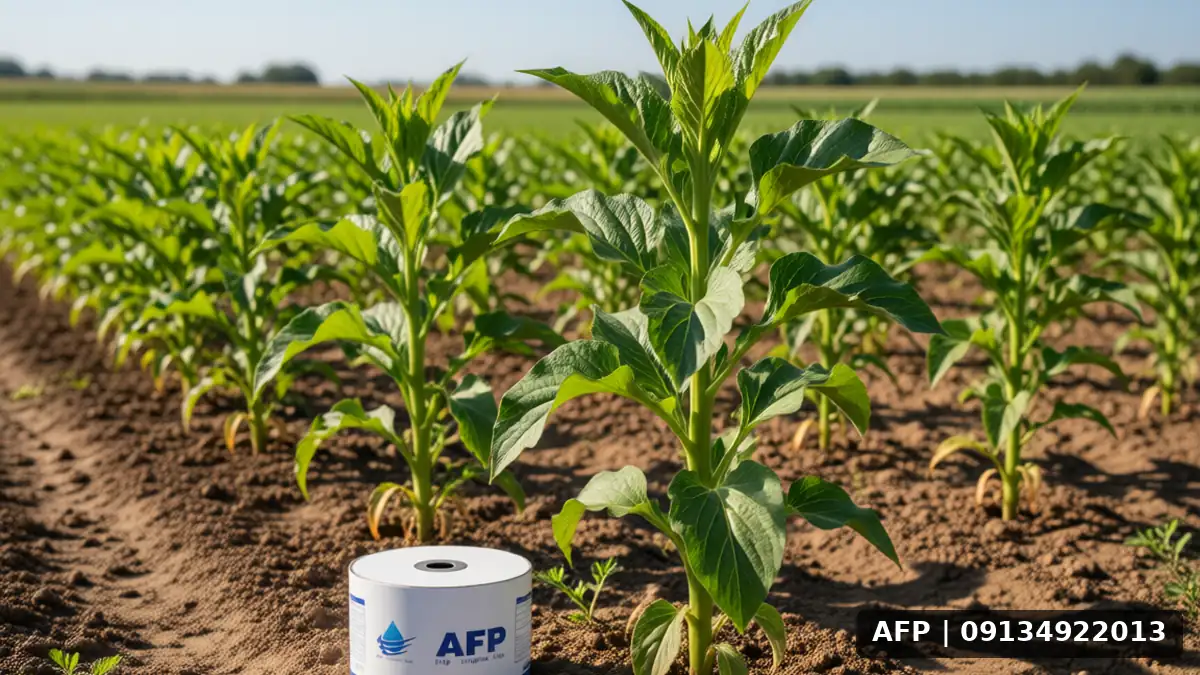
Fava beans are one of the fastest-growing and most popular legumes, playing a significant role in providing plant-based protein. One of the primary challenges in producing high-quality fava beans is the precise management of water resources. This crop is sensitive to water stress during early growth stages, but excessive watering can lead to root rot, fungal diseases, and a severe reduction in seed quality. In this context, approaches to smart irrigation have gained attention among progressive farmers as a novel solution for optimizing water use, reducing energy costs, and increasing yield per unit area. The objective of this article is to provide a comprehensive roadmap for implementing drip and tape drip irrigation systems using smart technologies, so that the final cost per hectare can be calculated and executed. Attention to technical details in the installation and setup of these systems reduces errors and ensures the farm’s economic sustainability.
Competence and Performance of Tape Drip in Smart Irrigation of Fava Beans
Tape drip is one of the most efficient and cost-effective drip irrigation methods, specifically designed for row crops such as fava beans. In modern smart systems, tape drip typically operates in combination with precision filters, pressure-compensating valves, and environmental sensors. This combination ensures that water reaches exactly the roots that need it, thereby reducing evaporation. For the correct selection of tape drip, it is essential to understand root depth and row spacing. Fava beans have a root system that is primarily located at a depth of 15 to 20 centimeters; therefore, positioning the tape at the appropriate depth is the key to success. Familiarity with various drip emitters and the operational pressure of the tape prevents clogging and leaks. In this regard, documented research on maintenance and management of tape drip irrigation It can expand your technical understanding of useful life and performance coefficients for drip lines.
Selecting the appropriate drip line size and slope for fava bean cultivation
In fava bean cultivation, due to the seeding distance, which is typically between 20 and 25 centimeters, the use of drip lines with a diameter of 20 or 25 millimeters is common. These sizes allow the line to be placed directly adjacent to the planting row. Using thinner lines may result in pressure drop and fluctuations in water distribution accuracy, while wider lines entail higher initial capital investment. In addition, an appropriate slope along the line path must be maintained to ensure uniform pressure throughout the row length. For better understanding of price ranges and market diversity, refer to the Comprehensive guide to prices of 20-centimeter drip lines in the Iranian market which can be effective for your business plan.
Analysis of fixed and variable costs in smart systems
Irrigation costs are divided into two main categories: fixed and variable. Fixed costs include initial capital investment in purchasing drip lines, precision filters, main hoses, smart valves, and control equipment. Variable costs include energy consumption for pumps, operation and maintenance costs, gradual wear of pipes, and ancillary expenses. Smart systems reduce unnecessary irrigation frequencies and pump operation to required times only, significantly lowering variable costs in the long term. Calculating optimal costs requires precise analysis of return rates and comparison with conventional methods. Although purchasing smart equipment may seem expensive initially, the return on investment period is shortened as crop yield per hectare increases. For a conceptual comparison of yield in other crops and better understanding of farm economics, you can refer to existing statistics and analyses regarding Broccoli yield per hectare You can refer to it, although despite the difference in crop type, the economic logic of cost management is shared.
Accurate calculation of operational costs using smart data
To achieve true cost optimization, the use of water consumption data is vital. Soil moisture sensors and weather stations provide real-time data, ensuring that irrigation occurs precisely when the plant is on the verge of water stress. This approach prevents water waste and reduced plant efficiency. Additionally, the use of high-efficiency pumps and correct tuning of pumping frequency based on system pressure leads to a significant reduction in electricity costs. At this stage, understanding water infiltration depth and soil moisture profile is crucial. For more technical details on how to calculate infiltration depth and adjust irrigation scheduling, you may refer to the relevant specialized resources.
Key practical tips for reducing costs in broad bean cultivation
To achieve optimal costs and high economic returns, implementing the following principles in broad bean fields is essential:
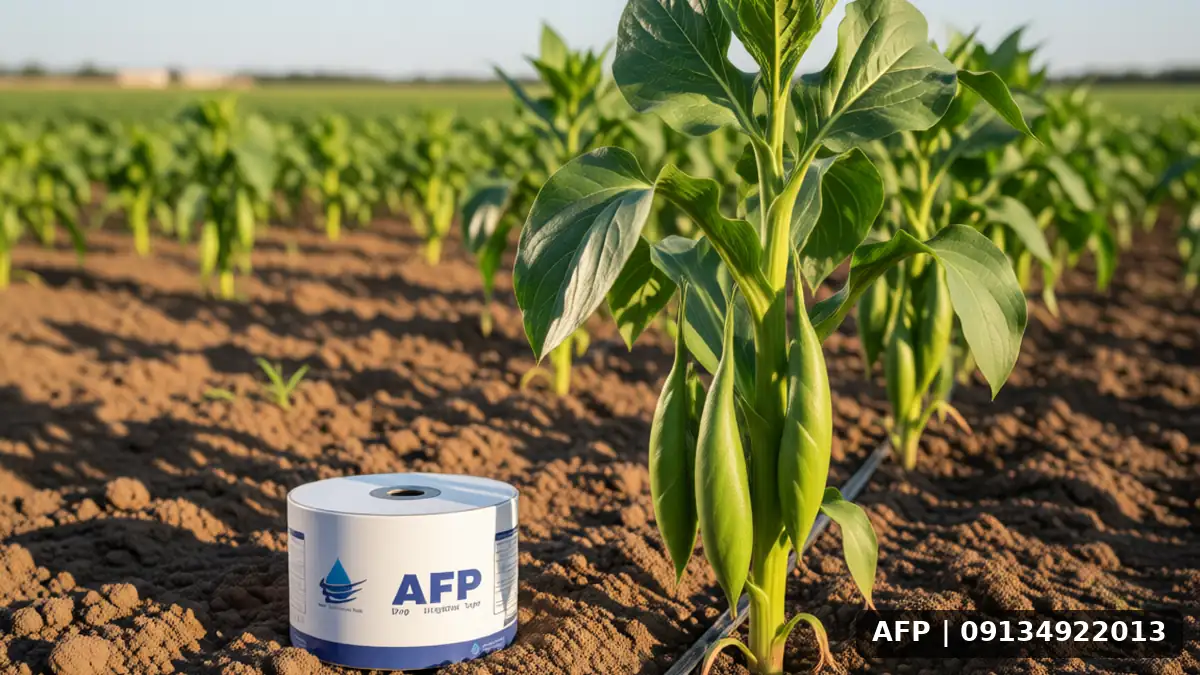
- Utilizing appropriate filters: Fava bean is sensitive to sedimentation and clogging of drippers. Using disc-balloon or sand filters with appropriate filtration precision before water enters the drip tape increases the useful life of the tape and prevents the need for costly mid-season replacement.
- Precise leveling and level sowing: Uneven terrain causes pressure fluctuations in the drip tape, reducing water distribution accuracy. Proper field leveling before tape installation ensures irrigation uniformity and prevents dry or waterlogged areas.
- Seed quality management and sowing: Uniform growth rate ensures that all plants benefit equally from water and nutrients. Using high-purity, high-germination seeds reduces irrigation system instability. For a better understanding of seed management principles in similar crops, refer to the guide for basil seed rate per hectare ; however, although fava bean is a different crop, the concept of precise sowing management is identical.
Irrigation scheduling based on growth stages
- Initial Growth Stage: Fava beans are highly sensitive to stress during the first and second weeks. Irrigation must be light, frequent, and precise to ensure uninterrupted germination and establishment.
- Flowering and Pod-Setting Stage: Water demand peaks at this point. At this stage, using smart systems to prevent water stress during grain formation is critical and directly impacts grain weight.
- Maturity and Harvest Stage: Irrigation is gradually reduced to prevent grain rot within the pod and to increase the percentage of dry matter.
Frequently Asked Questions About Smart Irrigation for Fava Beans
Is drip tape suitable for all weather conditions?
Yes, tape drip is suitable in most climatic conditions, but in areas with very silty soils, it may require higher water concentrations or more advanced filtration. Additionally, in cold regions, the use of freeze-resistant tape drip and specialized materials is recommended.
How can I avoid the high costs of buying smart systems?
You cannot completely avoid technology, but you can use simpler sensors, such as mobile soil moisture sensors, which cost significantly less than full weather stations. Smartly combining these sensors with the farmer’s local experience optimizes costs.
What is the difference between drip irrigation and tape drip in fava bean cultivation?
Tape drip is more cost-effective for row crops with close spacing, such as fava beans, because it requires less piping. Traditional drip irrigation is usually used for trees or crops with wider spacing (such as corn or tomatoes). Tape drip also allows for easier collection.
Final Summary
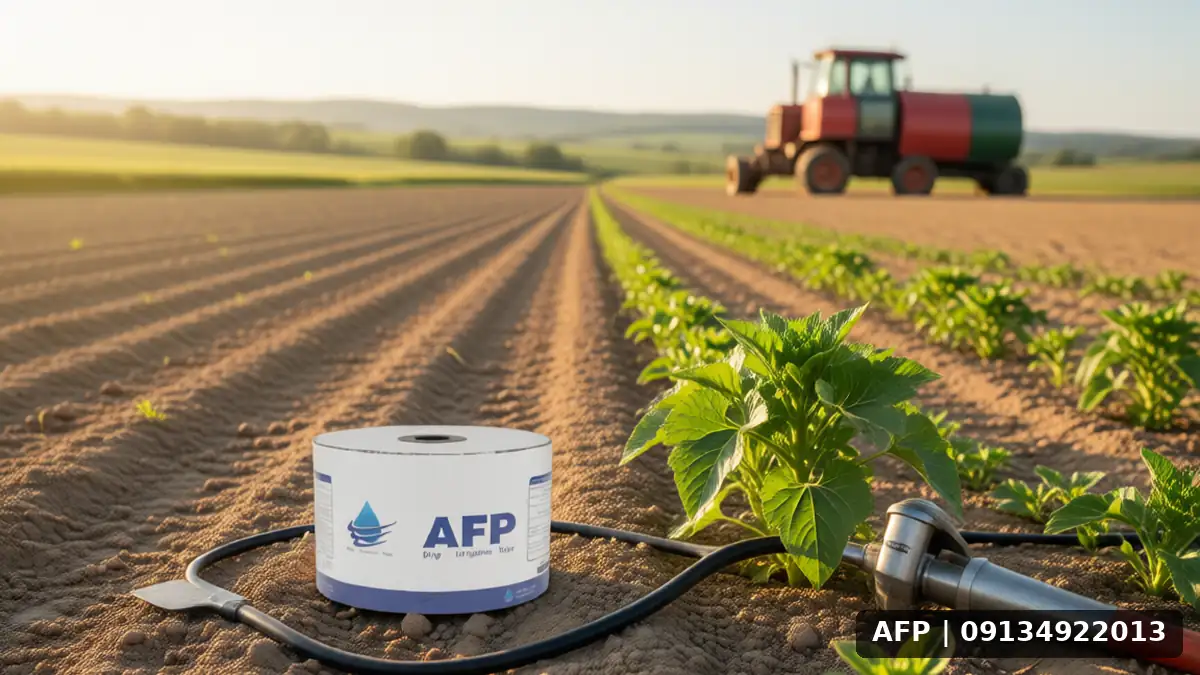
Cost optimization in smart fava bean irrigation is a combination of selecting precise equipment, data-driven resource management, and leveraging technology. Tape drip, as a key tool, must be selected and installed with high precision. The initial investment in smart systems will be offset by a significant reduction in water consumption and an increase in crop yield. Farmers are advised to use precise data for decision-making and to avoid relying on emotional judgments. By following these principles, sustainable, profitable, and environmentally friendly fava bean cultivation can be achieved.
Related content for further reading: Caraway Seed Rate per Hectare – Puri Guide