Smart Irrigation in Faba Bean Cultivation: Challenges and Practical Solutions
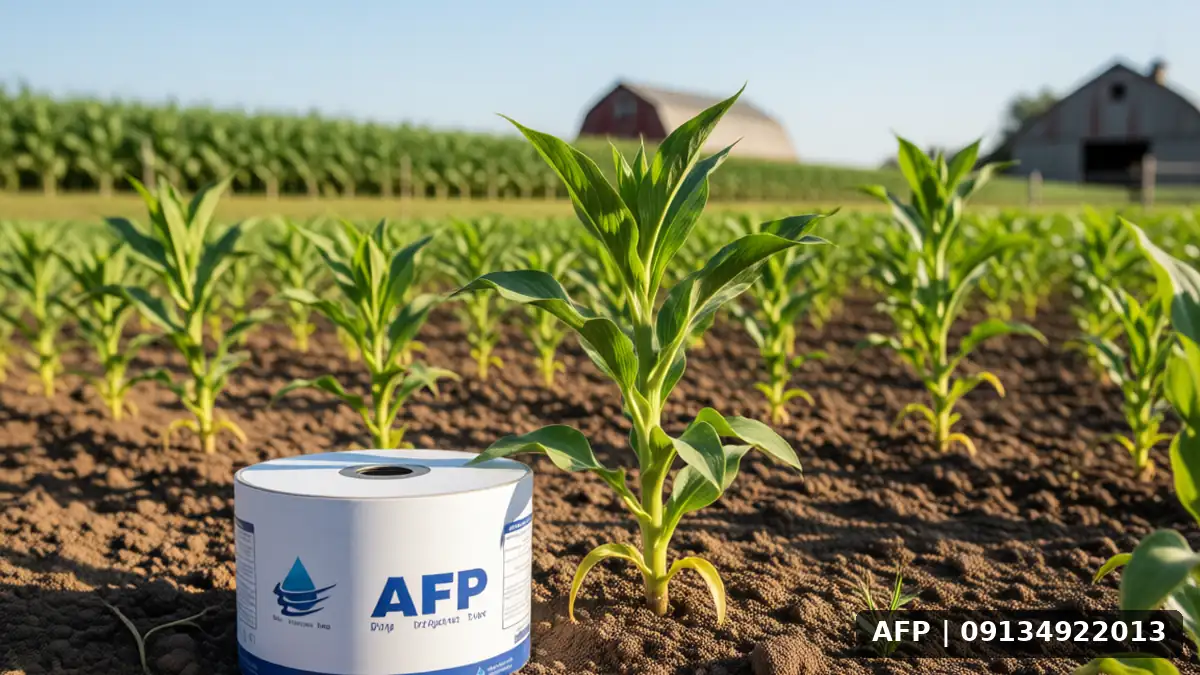
Introduction: The Necessity of Smart Irrigation for Sweet Peas
The sweet pea is one of the most important legume crops in Iran. Due to its requirement for adequate moisture during sensitive growth stages, it demands precise irrigation management. In recent years, with rising energy costs and the scarcity of water resources, the transition from conventional irrigation to smart systems has become increasingly necessary. Smart Irrigation for Peas This smart irrigation technology for peas is not a luxury option but appears to be an economic survival necessity for farms. By utilizing soil moisture sensors, temperature data, and meteorological inputs, these systems optimize the timing and volume of water application. However, implementing this technology in crops like peas—which have stems prone to lodging and superficial root systems highly sensitive to drought and waterlogging—presents specific challenges. The following section examines these challenges from technical, economic, and operational perspectives.
Technical Challenges in Implementing Smart Irrigation Systems for Peas
Mismatch Between Pea Growth Patterns and Fixed Timers
The biggest technical challenge in smart pea irrigationThis is due to the complex growth pattern of the plant. Fava bean has different water requirements at various stages, including seedling emergence, vegetative growth, and flowering. Many farmers use simple mechanical or electric timers that operate on a fixed schedule. This method leads to water stress during hot periods or root waterlogging during rainy periods under variable weather conditions. A truly smart system must be able to dynamically adjust the irrigation pattern based on real-time data from soil moisture sensors at different depths (e.g., 10 and 20 centimeters). The design of the network, in which Yield per hectare and planting density are considered, directly affects the flow rate required for drip lines. If these variables are not properly synchronized with the irrigation model, even a smart system will not yield desired results.
In drip and tape systems, a major challenge for fava bean is water source quality. Groundwater in many regions of Iran contains sediments, iron oxide, and chlorides that eventually cause the clogging of dripper orifices. Although fava bean has relative sensitivity to soil salinity, physical clogging of drippers leads to uneven water distribution along the row. Farmers using the domestically produced tape line must pay special attention to dual filtration systems (caliber and disc). Furthermore, regular system flushing as part of the smart algorithm should be incorporated into the central software to create the necessary pressure for sediment removal.
Economic and managerial challenges of farmers
High initial cost compared to crop revenue
One of the main deterrents for small and medium-sized farmers is the initial setup cost of a system smart irrigation for fava beans . The cost of sensors, controllable pumps, data gateways, and initial installations can appear daunting when compared to the added value obtained in the first season. Many farmers do not recognize this cost as a capital expenditure rather than an operational one. To overcome this challenge, phased investment models must be used. Initially, only soil moisture sensors should be installed, and pump control should be automated subsequently based on data. This gradual approach reduces financial risk. Furthermore, acknowledging that labor costs for manual irrigation checks increase in larger farms helps shift the economic equation in favor of smart technologies.
Organizational culture and resistance to change
Shifting from traditional irrigation methods (often based on guesswork and annual experience) to data-driven methods is a significant cultural challenge. For years, farmers have relied on observing water accumulation or plant wilting before taking action. In a smart system, decisions must be predictive and based on Volumetric Water Content (VWC). Training and empowering farmers to read data and understand its implications are undeniably major operational challenges. Without a deep understanding of fava bean physiology and its relationship with soil moisture, the smart system will remain a cold and useless tool.
Practical solutions for overcoming challenges
- Selecting the correct tape and drip emitters: Use tip-type tapes with standard thickness and drip emitters suitable for fava bean rows. Review Quantity of shrimp and chowso per hectare As competing or intercropped plants, it helps determine row width and dripper spacing to prevent root competition interference with other crops.
- Optimizing planting density with water data: Before planting, plan for the expected yield of chadhare per hectare (assuming fenugreek is intercropped with biennial plants such as vetch or wheat). Excessive density prevents the smart system from uniformly meeting the water demand of each plant. Appropriate plant spacing allows the system to maintain uniform flow.
- Using optimal drip and subsurface (rip) irrigation: Instead of high-volume, infrequent irrigation cycles, use short, frequent cycles. The smart system should manage this pattern. For more details on techniques, see the Comprehensive Drip Irrigation Guide as it can be helpful, since the physical principles of water transfer in drip lines are similar for many root crops and legumes.
- Monitoring soil quality: Faba beans respond well to soil pH between 6 and 8. Using smart data to adjust pH in the rhizosphere (via acid injection or conditioners) is part of the true definition of smart irrigation, not just water pumping.
FAQs about smart irrigation for faba beans
Is smart irrigation economical for small faba bean farms?
For farms under 5 hectares, using fully smart systems with numerous sensors may result in a slow return on investment (ROI). It is recommended to start with a central soil moisture sensor connected to a mobile app and manually adjust pump description based on it. This approach provides 80% of the benefits at 20% of the cost.
What is the best time to plant faba beans considering weather conditions?
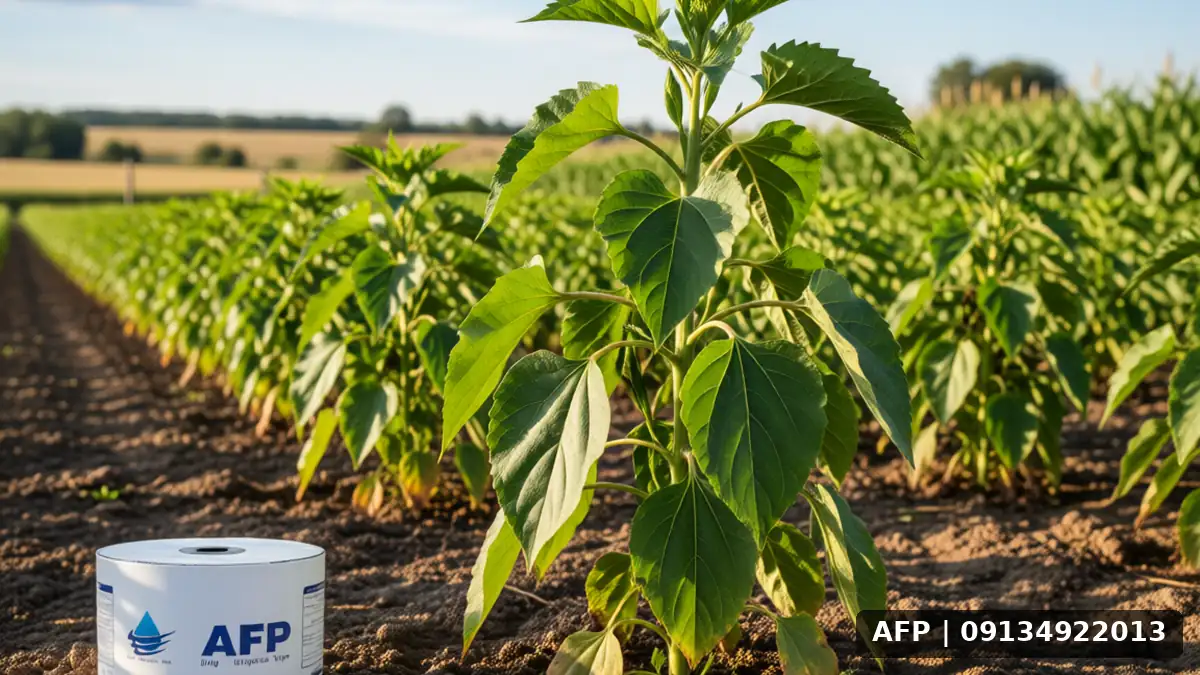
Faba beans are a dicotyledonous plant. Autumn planting or early spring planting is preferred. In a smart system, soil temperature data at a depth of 10 centimeters should be monitored based on the optimal temperature for faba bean germination (approximately 10 to 25 degrees). If the soil temperature exceeds 25 degrees, the irrigation algorithm should increase the natural root depth to prevent surface heat.
Does soil type affect the selection of a smart irrigation system for fava beans?
Yes, significantly. In sandy soils, the water infiltration rate is high and available water capacity is low; therefore, the system should have more frequent, shorter irrigation cycles. In clay soils, infiltration is low and the risk of waterlogging exists; therefore, soil moisture sensors must be interpreted with greater caution, and stronger filtration systems are required. A true smart system must incorporate different hydraulic modeling based on soil type.
How can interference with other crops in intercropping with fava beans be prevented?
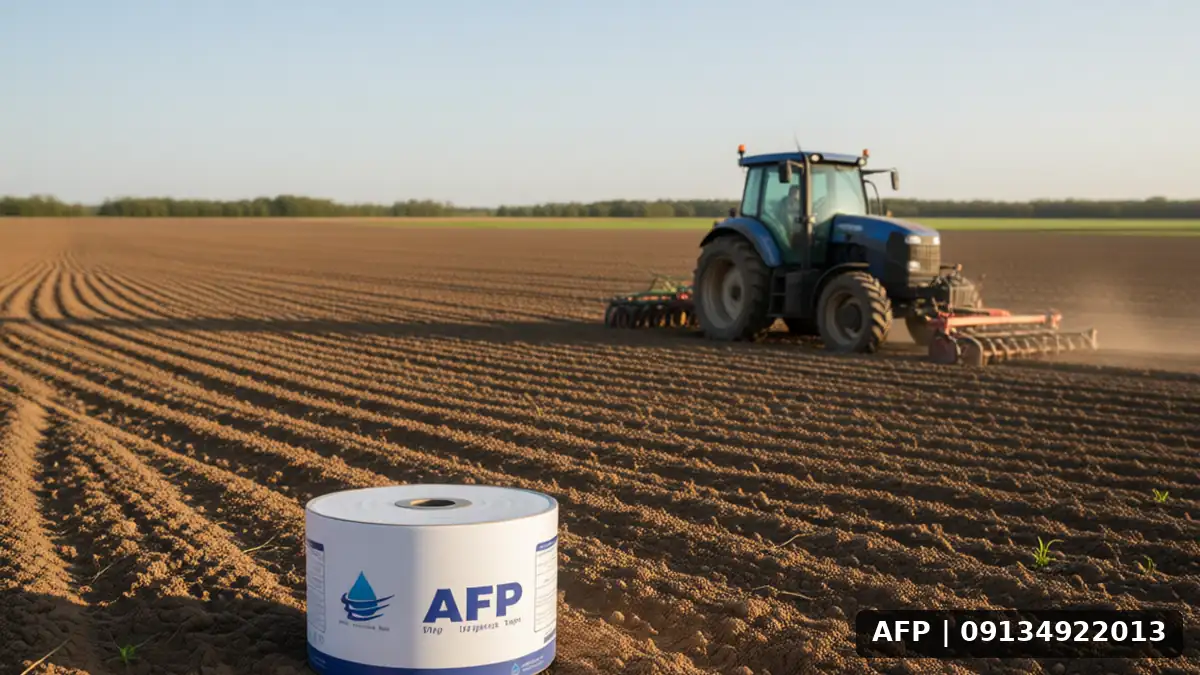
In intercropping, water competition management is critical. It is recommended that fava bean-specific drip lines be placed at a safe distance from the other crop. Studies have shown that copper yield per hectare and also sunflower plants have high competition for water and nutrients. The network design must ensure that the fava bean root zone is deprived of direct access to the competing crop’s water, or conversely, fava bean irrigation priority is considered based on the economic priority of the main crop.
Conclusion: The Future of Fava Bean Irrigation in Iran
Implementation Smart irrigation of broad beans This is more than just a hardware technology; it is a paradigm shift in agriculture. Challenges such as high costs, resistance to change, and technical issues like clogged drip emitters and mismatched growth patterns are real but solvable. By adopting a phased approach, continuously educating farmers, and using adequate filtration systems, we can reduce water consumption and increase the yield of sweet broad beans. Iranian farmers can transition from traditional farms to data-driven operations by investing in knowledge and technology, thereby succeeding in export markets where consistent production quality and volume are crucial. The future of broad bean irrigation in Iran depends on whether we view these challenges as obstacles or as opportunities to upgrade our farming operations. Given limited water resources, addressing these challenges is a national imperative.