Smart Irrigation in Cucumber Cultivation: Key Considerations
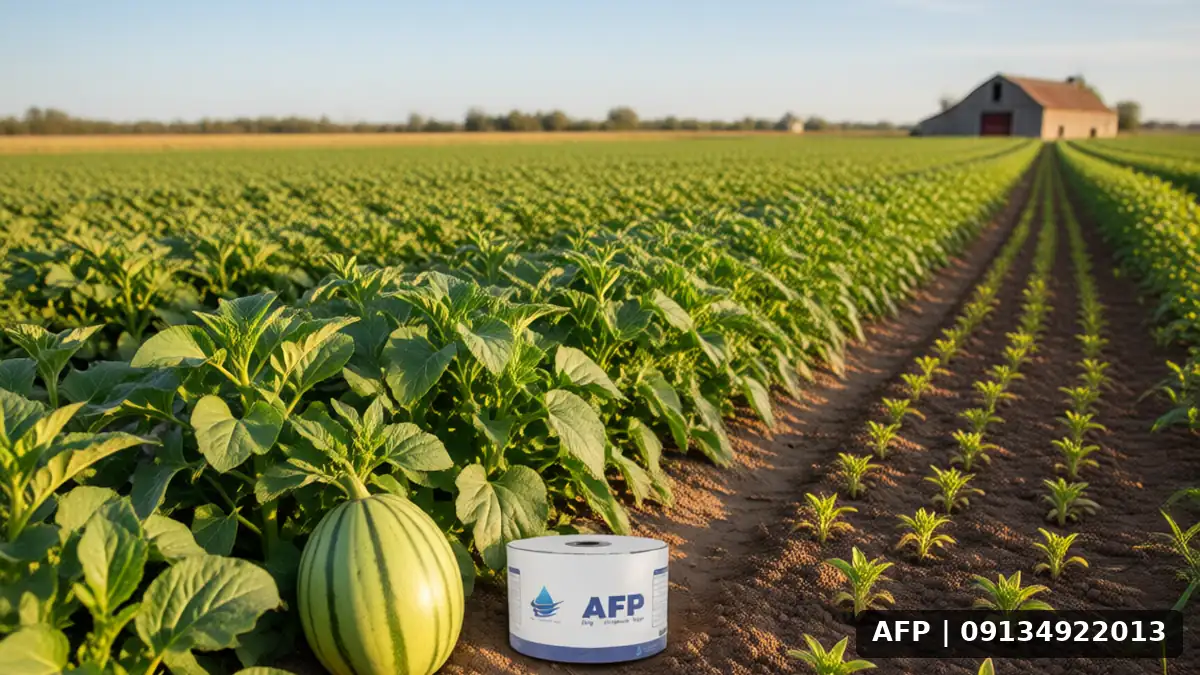
Introduction to Irrigation Management in Melon Cultivation
Melon cultivation is one of the most challenging greenhouse and orchard crops in semi-arid climates. Due to shallow root systems and high sensitivity to sudden soil moisture fluctuations, this crop is prone to physiological disorders such as fruit cracking and root rot. In recent years, the use of Smart Irrigation for Melons has received special attention from farmers and agricultural engineers as a solution to these challenges. The primary objective of implementing these systems is the precise delivery of water and nutrients at the required time and quantity for the root zone, without waste of energy and resources.
Modern irrigation systems, combining sensors, central controllers, and precision outlets, enable real-time monitoring of soil moisture. This approach prevents over-irrigation, which leads to root hypoxia and fungal diseases. Additionally, preventing drought stress during critical fruit growth stages directly positively impacts melon quality and commercial yield. The following section details the technical and practical aspects of these systems.
Technical Principles of Drip and Tippet Strip Irrigation for Melons
The selection of irrigation outlet type varies based on the planting method (containerized or direct). The two main methods Drip and drip tapes are the most common options. In drip irrigation, water is delivered drop by drop at a low flow rate to the base of the plant. This method is highly suitable for planting in carts or plastic baskets, as it protects muskmelon roots from excessive wetness.
However, for direct field planting without carts, drip tapes are generally considered the better option. Drip tapes can have higher flow rates and infiltrate water into the soil within a specific strip along the length of the pipe. The main advantage of this system is faster operation and a reduced need for multiple pipe lines. Selecting the appropriate output flow rate should be based on soil temperature and growth stage. In early growth stages, lower flow rates with increased frequency are recommended, whereas the fruit filling stage requires a higher volume of water.
Key points in designing a smart system
Smart irrigation for melons means more than just using a timer; it includes monitoring environmental variables and making automated decisions. The following points are essential for designing an effective system:
- Soil moisture sensors: Installing sensors at the active root depth (typically 15 to 30 centimeters) for melons is necessary. The data from these sensors should be directly sent to the controller to activate irrigation based on actual soil needs.
- Soil salinity monitoring: Melons are sensitive to salt accumulation at the soil surface. Using salinity electrodes or EC meters allows the farmer to use appropriate leaching water and prevent salinity buildup.
- Irrigation uniformity: Providing uniform water pressure at all points of the field or greenhouse is one of the key points. Inefficient water distribution causes part of the crop to become dry while another part becomes waterlogged, directly affecting the uniformity of the final product. To check this, you can read the article Ochre seeds characteristics per hectare table of agricultural density Review studies showing similar concepts regarding planting density and resource distribution.
Moisture Management in Sensitive Growth Stages of Melon
Each growth stage of melon has different water requirements. In the vegetative stage, severe drought stress can halt vine growth. Conversely, over-irrigation at this stage promotes excessive vegetative growth and delays flowering and fruiting. During the fruit formation and enlargement stage, melon reaches its peak water demand. In this period, moisture fluctuations lead to fruit cracking, which is an irreparable commercial defect.
For optimal management, the use of water balance formulas or pot weight monitoring is recommended. In the pot weight method, the decrease in pot weight due to plant transpiration and soil evaporation is measured, and an automatic control system injects water to restore soil moisture to the target level. This method is much more precise than point-based moisture monitoring but incurs higher costs. To better understand the impact of precise resource management on final yield, studying articles on drip line water application rates can provide broader insight into hydraulic parameters.
Practical Tips for Reducing Costs and Increasing Efficiency
Implementing smart irrigation should be guided by economic and operational perspectives. Farmers are often concerned about the high cost of equipment, but the return on investment of these systems can be evaluated through savings in water, pumping energy, and reduced crop losses. The following practical tips will help you achieve the best results:
- Water Source Sanitation: Always use appropriate filters (screen, disc, or sand) before water enters the drip or micro-sprinkler system. Clogged emitters are the most common cause of failure in these systems. Smart melon irrigation will not be efficient without proper water filtration.
- Irrigation timing: In hot regions, irrigation during the cooler night hours or early morning is recommended to reduce evaporation. If you use temperature sensors, configure the controller algorithm to increase water volume during peak heat stress.
- Pressure stability monitoring: Network pressure fluctuations cause changes in emitter flow rates. Using pressure regulators at the end of lines ensures uniform water distribution. To learn about pressure optimization methods for different crops, study the topic of melon yield per hectare This can help you better understand the relationship between resource management and final output.
- Data aggregation: Do not neglect logging sensor data. Analyzing multi-month datasets helps you optimize irrigation patterns for the next season. This data logging is the heartbeat of every smart system.
Frequently Asked Questions (FAQ)
Is smart irrigation economically justified for small-scale melon crops?
Yes, even on small plots, reducing human error and preventing root rot caused by over-irrigation can prevent the loss of your entire initial capital. Additionally, improved water and energy efficiency reduces operating costs. To compare with other crops, you can Factors affecting sunflower yield per hectare to gain a broader perspective on resource management.
What is the recommended spacing for drip line emitter outlets in melon crops?
Depending on soil depth and outlet type, a spacing of 10 to 15 centimeters between drip line emitters is generally recommended. This spacing must align with the target root penetration depth of melons. Precise adjustments require field testing.
Can smart systems also monitor soil salinity?
Yes, by installing Electrical Conductivity (EC) sensors in the soil solution, the system can estimate salinity levels. If salinity exceeds the tolerance threshold for watermelon, the controller can issue a leaching command using a larger volume of water to remove salts from the active root zone.
Conclusion and Sustainable Solutions
Smart watermelon irrigation is not a luxury option but a necessity for survival and competitiveness in high-quality markets. Combining precise hardware, such as high-quality drip tapes, moisture monitoring sensors, and intelligent software algorithms, enables the production of watermelons with high uniformity, appropriate weight, and minimal defects. By following the key points mentioned in previous sections, such as salinity management, filter maintenance, and data monitoring, you can minimize risks associated with climatic stresses.
Our final recommendation is to assess your local farm conditions before starting and conduct a short calibration period to allow the system to adapt to the local climate. With this approach, you will observe a significant increase in yield and a reduction in water consumption. For a deeper understanding of resource management principles in various crops, you can Factors Affecting Soybean Seed Rate per Hectare study, which covers similar topics in the field of planting and irrigation optimization.