Smart Irrigation in Cress Cultivation: A Comprehensive Comparison of Drip and Tape Systems
Introduction to Smart Irrigation in Gomphrena Cultivation
Gomphrena globosa (beefsteak plant) is a species that, in addition to its visual appeal in ornamental gardens, has extensive applications in traditional medicine and pharmacology. Since this plant can be cultivated in diverse climatic conditions ranging from temperate to semi-arid regions, precise and intelligent management of water resources is not just an option but a vital necessity for its survival and optimal growth. In modern agricultural literature, Water-saving drip irrigation is recognized as an efficient method for maintaining root-zone moisture and reducing water loss. These methods not only lower operational and energy costs but also enhance the final quality of seeds and Gomphrena flower heads. In the following section, we examine smart irrigation in Gomphrena cultivation: a comparison of the two main approaches, drip and line-drip irrigation, so that farmers and agriculture enthusiasts can make informed decisions regarding their farms by fully understanding the pros and cons of each method, thereby preventing crop failure.
Importance of Moisture Control in Growth Stages
Gomphrena is a plant that requires uniform and consistent moisture; severe fluctuations in soil moisture cause physiological stress to the plant, reduced flowering, and a significant drop in seed quality and flower head color. Using soil moisture sensors and valve control automation systems ensures that irrigation is precisely synchronized with the plant’s actual needs. This smart approach minimizes water and energy waste and enables the cultivation of Gomphrena with maximum genetic potential under water-scarce conditions. In this section, the key role of new technologies in optimizing water consumption is clearly visible, which can lead to a significant increase in farm yield and a reduction in labor costs.
Comparison of Drip and Line-Drip Irrigation for Gomphrena
The choice between drip and tape irrigation depends on climatic conditions, soil type, seeding precision, and the farmer’s budget. Both methods have unique strengths and weaknesses that must be evaluated precisely before final installation. Below is a comparative analysis of these two methods in table and explanatory text format:
Features of drip irrigation in chard cultivation
- High precision: Drippers deliver water point-to-point at low intensity to the roots; this feature is ideal for chard, which has a limited root zone, concentrating soil moisture in the root area and preventing nutrient leaching.
- Reduced leaching and evaporation: The slow, direct flow keeps the soil surface less dry and significantly reduces evaporation from the soil surface, which is highly effective in arid regions.
- Higher initial cost: The installation of drip emitters, precision filters, and numerous connections increases initial costs compared to tape drip, but they have a long useful life and do not require annual replacement.
To optimize this system, study subsurface irrigation can also be a suitable guide, as dill can benefit from direct water transfer to the root zone under dry and hot conditions, preventing the effects of the harsh climate on germination and keeping the roots cool.
Characteristics of tape drip irrigation in dill cultivation
- Rapid and cost-effective installation: Tape drip remains along the furrow during planting and has a high installation speed, which is attractive for large-scale farms with early crop cycles.
- Variation in water output: By using different orifice spacings, water flow can be adjusted to match growth stages (germination, vegetative growth, and flowering), reducing the risk of waterlogging.
- Risk of clogging: The thinness of the tape makes it sensitive to sediment and algae, requiring precise filtration and regular maintenance, which must be factored into the budget.
When selecting tape, water use efficiency standards for root-zone crops is adaptable, as the ideal irrigation intensity must be calculated based on the soil’s water-holding capacity to prevent root waterlogging and ensure adequate oxygen supply to the roots.
The role of automation in both systems
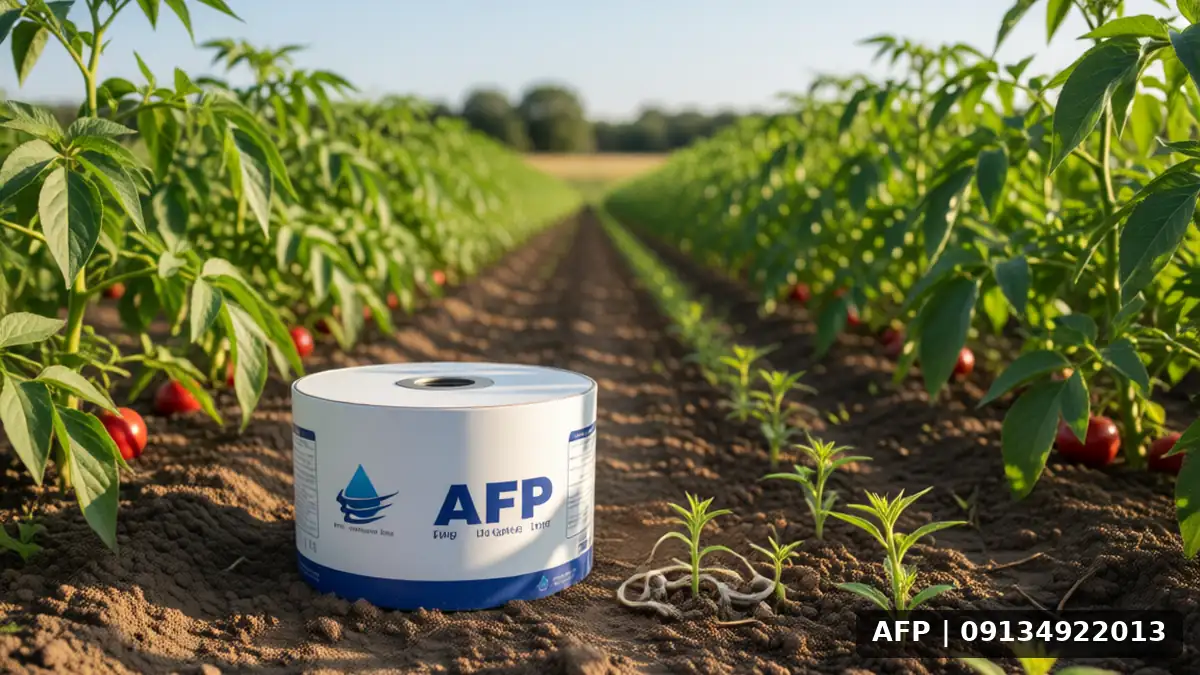
Smart irrigation for caraway cultivation: A comparison of both methods, which can be managed using smart controllers. Automation optimizes irrigation timing and duration by receiving data from moisture and temperature sensors, thereby reducing the need for physical presence. To better understand equipment selection principles, please read Plant harvesting with precision nursing It is recommended because planting density directly affects the flow rate required per square meter, and high caraway bush density requires greater precision. This image demonstrates the coordination between automation systems and the irrigation network, showing how sensors are connected.
Practical tips for optimizing caraway irrigation
- Correct weeding: Before installing either system, ensure the bed surface is level to guarantee uniform water distribution and prevent local pooling that causes root rot.
- Monitoring water pH and EC: Shiitake is sensitive to soil pH between 6.0 and 7.5; if alkaline, drip irrigation with pH adjuster injection performs better, maintains soil chemical equilibrium, and ensures nutrient uptake.
- Interaction with fertilization: In drip irrigation, soluble chemical fertilizer may distribute less locally and spread more in the tape strip due to open intervals between emitters; therefore, fertilizer dosing in the tape strip must be more precise to prevent root burn and keep shiitake leaves green.
- Seasonal planning: By examining water pressure measurements for the tape strip, tape rupture at high pressures is prevented, and appropriate pressure for each growth stage is regulated, ensuring the longest possible equipment lifespan.
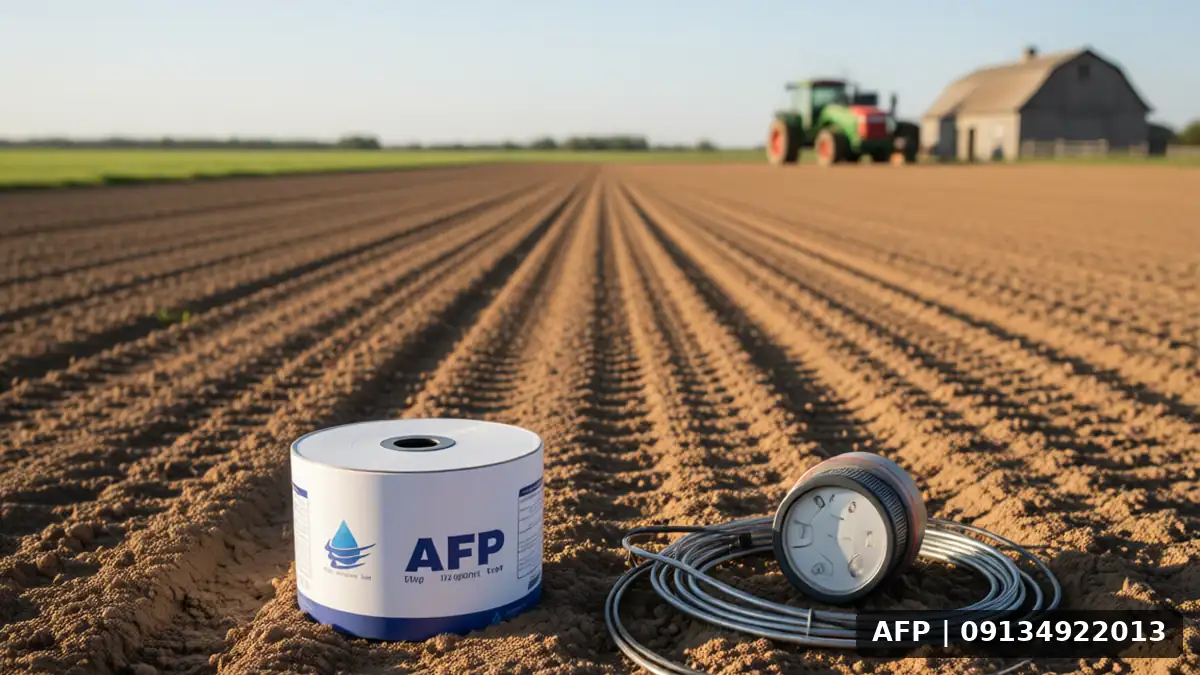
Although shiitake requires continuous root-zone moisture, drip irrigation with short intervals and durations often has the advantage in very arid climates. However, in wetter climates, the tape strip is a more logical choice due to lower flushing and cost. This image shows a sample of a smart tape strip system in a shiitake farm and demonstrates how it is installed.
Frequently Asked Questions (FAQ)
Is subsurface irrigation better for dill?
If subsurface systems are accessible, subsurface irrigation can reduce evaporation by 30% and suppress weeds, which is highly beneficial for plants with delicate foliage like dill. Study Subsurface irrigation is recommended for technical details and explains its installation.
How to calculate the required water consumption for dill?
Based on regional climatic conditions, use PET (Potential Evapotranspiration) calculations and dill crop coefficients; for warm and dry climates, higher daily irrigation intensity is required, while in cooler regions, longer intervals and smaller volumes are recommended.
Is the drip tape reusable?
Depending on product quality, some drip tapes can be used for two to three seasons if properly maintained; however, fixed drip emitters often have a longer lifespan and are considered a more long-term investment.
Summary
Smart Irrigation in Soybean Cultivation: The comparison shows that no method is absolutely superior to the others. Drip irrigation is suitable for greater precision and control, while drip tape offers faster installation and lower cost. Farmers can choose the optimal combination based on their climatic conditions, infrastructure, and financial resources. Utilizing automation and monitoring leads to greater savings in water and energy and improves economic efficiency. This article provided a comprehensive guide for selecting the appropriate irrigation method for soybeans, focusing on practical information. To learn more about water efficiency in other crops, refer to Water Efficiency Guide which will be beneficial and provide better perspectives on similar systems in other crops.