Smart Irrigation in Basmat Cultivation: Key Tips
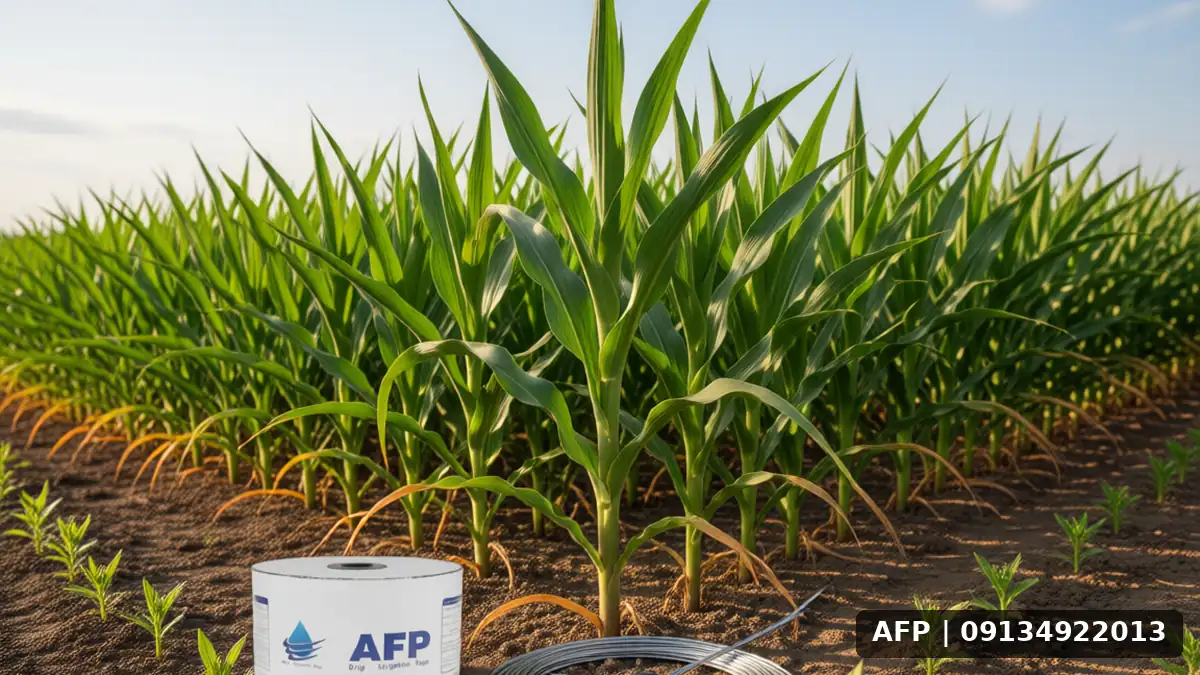
Introduction: The Importance of Water Management in Forage Maize Cultivation
Forage maize is one of the most demanded livestock feed crops due to its high nutritional value and easy digestibility. However, success in cultivating this crop depends directly on the precise management of water resources. Climate fluctuations and groundwater scarcity have rendered traditional soil-based irrigation methods insufficient for modern agricultural needs. Smart Irrigation for Forage Maize Through drip and tape systems, this approach can significantly increase farm yield by reducing water wastage and delivering moisture precisely to the root zone.
In this article, we examine the technical and operational details of implementing these systems for maize cultivation. Our goal is to enable farmers to reduce production costs and benefit from higher yields by selecting the appropriate components and scheduling irrigation correctly.
Why Does Maize Require a Special Irrigation Strategy?
- Rapid Growth Cycle: Maize grows during hot and dry months and has a critical need for frequent irrigation.
- Sensitivity to Water Stress: Water deficiency during the flowering stage directly affects kernel weight.
- Root structure: The corn root system requires a deep, moist profile, which surface irrigation often fails to provide.
Choosing the Right System: Drip Tape or Drip Line?
For corn cultivation, two primary options are available: drip tape and drip line systems. Each has distinct advantages and specific applications.
Advantages of Drip Tape in Corn Production
Due to lower cost and rapid installation, drip tape is the first choice for many corn farms. This system typically consists of a thin polyethylene tape with emitters or small tubes spaced at specific intervals. For further information on the components of this system, you can read the article on Drip Tape Components and Systems Drip tape is designed as a temporary, removable installation, making it easy to collect after harvest for reuse in subsequent seasons.
Drip Line Systems in Long-Term Farms
If your farm is a few years old and you are considering a larger investment for long-term system durability, a drip system with thicker polyethylene pipes is more suitable. These systems have higher pressure tolerance and a longer service life. Of course, understanding the basic principles is essential before installing a drip system. It is recommended to consult the guide Important considerations before installing drip tape Read it, as the correct installation principles are the same for both types of systems.
Key points for implementing smart irrigation in Shahi
Implementing smart irrigation does not simply mean using drip emitters; it involves properly configuring pressure, emitter spacing, and precise scheduling.
Determining emitter spacing based on planting density
The standard emitter spacing for corn is usually 30 or 40 cm. However, if your planting density is high, a 30 cm spacing ensures more uniform water distribution. Ensure that your drip lines are installed so that water reaches the root zone evenly.
Water Pressure Management
Drip emitters are designed for a specific pressure (typically 1 to 3 bar). Excess pressure causes air bubbles and uneven distribution, while low pressure leads to incomplete water discharge. For tape drip systems, using a high-quality filter is essential to prevent clogging of the tape due to sediment.
Irrigation Timing Based on Growth Stage
- Vegetative Growth to Flowering: Frequent irrigation with smaller volumes. The goal is to keep the soil moist without waterlogging the roots.
- Growth and Kernel Fill: Increase water volume and decrease frequency. Corn in this stage requires high moisture levels to prevent kernel desiccation.
- Late Growth: Stop irrigation 2 to 3 weeks before harvest to prepare the grain for drying.
Practical Tips and Common Troubleshooting
Problems may arise at any time during the season. Identifying them helps you minimize losses.
Preventing Line Clogging
One of the biggest enemies of drip irrigation is line clogging caused by calcium deposits or algae. To resolve this issue, sieve or disk filters are mandatory at the system inlet. Additionally, regular system flushing after each irrigation session prevents the accumulation of solid particles. To learn about proper flushing methods, study the technical section on this topic.
The Importance of Field Inspection
Before drilling a well or laying pipes, field inspection is critical. Ground slope can cause water to flow excessively on one side of the line and create a deficit on the other. Always read the field inspection guide for drip tape to calibrate your slope measurement tools. In cases of significant slope, using a pressure regulator at the lower end can be beneficial.
Integration with Subsurface Systems
If your farm relies on groundwater irrigation (for example, from deep wells), synchronizing pump pressure with the drip system is essential. Pressure mismatches can cause line rupture or pump cavitation. Reviewing general pipe and equipment guides helps you correctly select the system’s main lines.
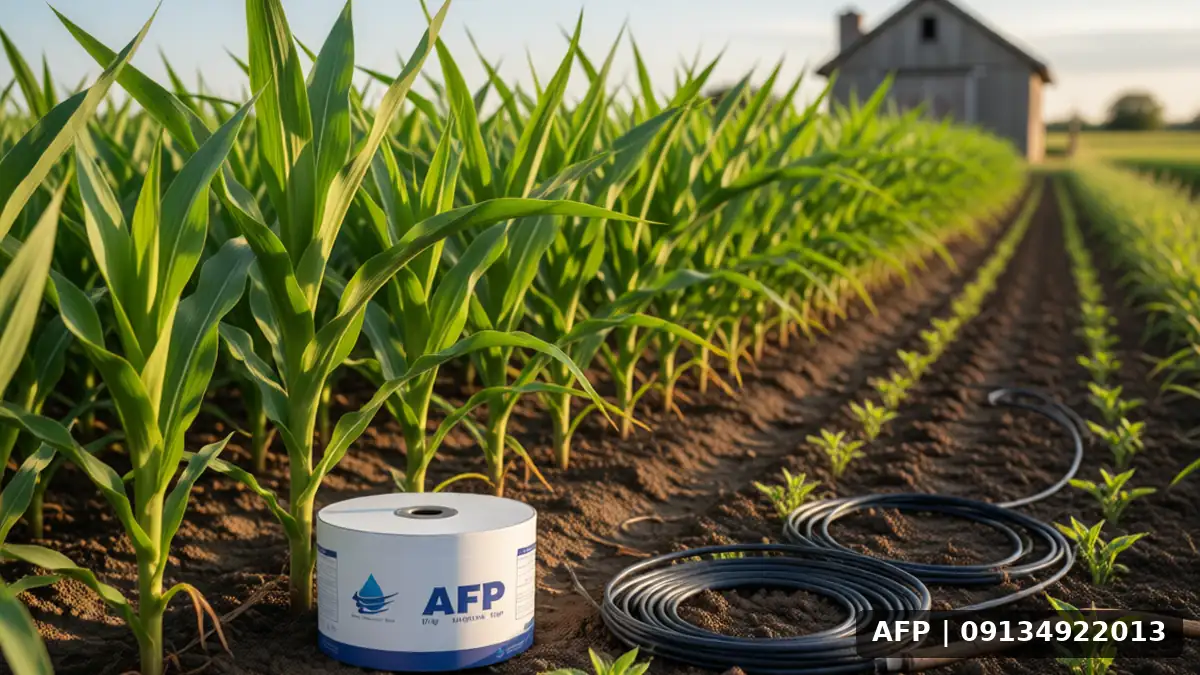
Optimizing Corn Yield Through Irrigation
Irrigation is just one factor; how water is used alongside fertilization and seed selection determines final performance. Corn requires the right combination of water, nitrogen, and phosphorus at the right time to reach maximum yield.
Drip Fertilization (Fertigation) Combination
Drip systems can also be used for fertilization. This practice saves fertilizer use and improves root uptake. Water-soluble fertilizers must be precisely dissolved in a dedicated tank and then delivered to the field with irrigation water. Note that water pH and fertilizer type interact with each other.
Impact on Yield per Hectare
With proper irrigation management, corn grain yield per hectare can increase significantly. Estimates show that using 20% less water than surface methods can increase yield by 15%. To better understand how other factors affect corn yield, see related articles on Increasing corn yield per hectare Review it, as general crop management principles are intertwined with irrigation.
Frequently Asked Questions (FAQ)
Is drip tape better or drip for sweet corn?
For single-crop sweet corn production, drip tape is generally preferred due to lower cost and faster installation. However, if your farm is large and you plan to use the system for multiple years, a drip system is more durable.
Why does water not discharge uniformly from the tapes?
This issue can be caused by several factors: clogged filters, excessive land slope without a regulator, or insufficient pump pressure. Always check the system’s inlet pressure.
What is the maintenance cost of a drip system?
Maintenance costs depend on the service life of the tape. Higher-quality tapes have a higher upfront cost but offer greater durability. Cleaning filters and flushing the tapes after each use constitute a major part of maintenance.
Can subsurface systems be combined with surface systems?
Yes, many farmers use tape tubes as transfer pipes from water wells or tanks. It is essential that the main pipes are made of high-pressure polyethylene.
Conclusion: Steps for Success
Implementing smart irrigation in sunflower cultivation is a strategic investment to address water scarcity challenges and increase yields. From selecting the tube type (tape or drip) to managing pressure and fertilization, each step plays a critical role.
- Always inspect the filter for hygiene.
- Take land slope into account before installation.
- Adjust the irrigation schedule based on the corn growth stage.
- Use reputable sources to learn about the system components.
By following these tips, you will not only increase yield but also contribute to water resource conservation and long-term farm sustainability. Modern farming requires accurate information and the right tools, and precise drip irrigation is the most accurate tool at your disposal.