Sesame Seed Rate per Hectare: A Comprehensive Guide to Proper Cultivation
Introduction to the importance of determining hemp seed rate
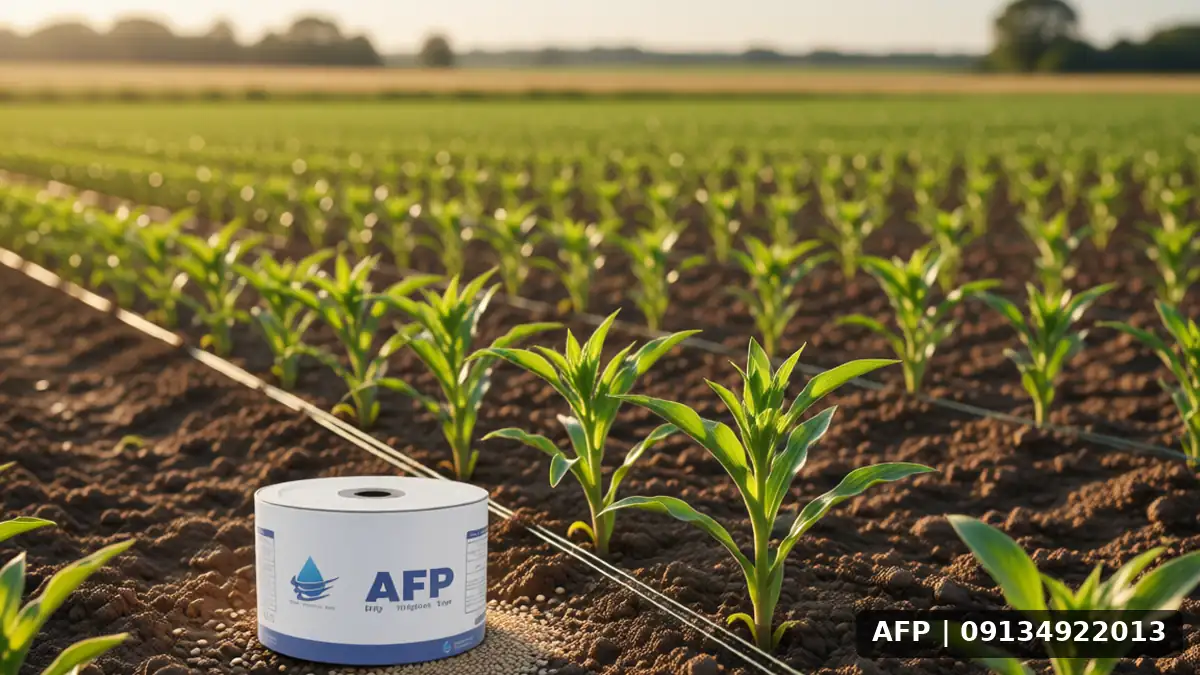
Precision in agriculture is one of the key factors for successful hemp cultivation. Many farmers, despite having quality varieties and suitable soil, face problems due to incorrect calculation of the amount of hemp seed per hectare leading to issues such as excessive plant density or inappropriate stand spacing. This directly affects competition for nutrients and water, ultimately impacting the final yield. In this section, we aim to draw a strategic roadmap for optimizing the seed rate by relying on modern agronomic principles and empirical data. Note that these calculations are not just dry numbers; they must be adapted to environmental variables such as soil type, irrigation method (drip or tape), and geographical region.
Optimal seed density range based on varieties
The most reliable references for sesame seed rates per hectare indicate that oilseed crops are highly sensitive to planting density. For sesame, the range typically varies between 5 and 25 kg per hectare depending on the variety. Varieties with larger seeds and taller plants require lower densities. Conversely, early-maturing and short varieties, often used in cold climates or as double-cropping, can tolerate higher densities.
- Tall varieties and large seeds: Maximum of 5 to 7 kg seed per hectare. Row spacing for these varieties should be increased to ensure sufficient light reaches the leaves and to prevent the spread of fungal diseases.
- Medium varieties: Ideal range of 10 to 15 kg. This group makes up the majority of industrial consumers.
- Early-maturing and short varieties: Up to 20 or 25 kg may be considered. This method is primarily used for secondary vegetable harvests or quick summer planting.
A common mistake is using weight conversion factors for different varieties without accounting for seed germination rate. Sesame seed has a high germination rate if it is healthy and fresh, but if the seed is old, the amount of seed applied must be calculated upward. This point is confirmed in all guides, such as barley seed rates and water per hectare, which state that seed health factors must be central to calculations.
The impact of irrigation method on determining spacing and seed quantity
Planning sesame cultivation today is inconceivable without irrigation infrastructure. The choice between drip tape or drip irrigation systems directly affects moisture distribution and plant establishment, thereby influencing the amount of seed that can be sown. Drip tape is highly popular in large-scale areas due to its lower cost and faster installation. For informed decision-making, reading the article “How much is the cost of drip tape for one hectare?” can provide a complete overview. In drip tape systems, the distance between lines is typically 40 to 50 centimeters, and seeds are sown directly above the line so that roots can quickly access moisture.
Conversely, drip irrigation offers more flexibility in row arrangement. If you use dual-sided emitters, you can reduce the row spacing and maintain the seed count without causing heavy competition among plants. Additionally, for those using intercropping with other plants, studying “Drip tape spacing in beans” can provide an algorithm for adjusting spacing in sesame and bean intercropping. Intercropping sesame with beans or other legumes increases biodiversity and prevents recurring diseases, but requires extra precision in calculating space for each plant.
Practical tips for mechanized and manual sowing
Differences in seeding accuracy between mechanized equipment and hand planting can affect establishment success. For mechanized sowing, it is recommended to use a calibrated pressure regulator to prevent uneven spacing. If hand planting, using a measuring tape stretched along the rows ensures consistent spacing between plants. Remember that hemp is sensitive to soil compaction; therefore, seeding depth must be exactly 1 to 1.5 cm. Deeper seeding slows emergence and can lead to establishment failure in some cases.
Assessment of climatic and soil factors on the seeding window
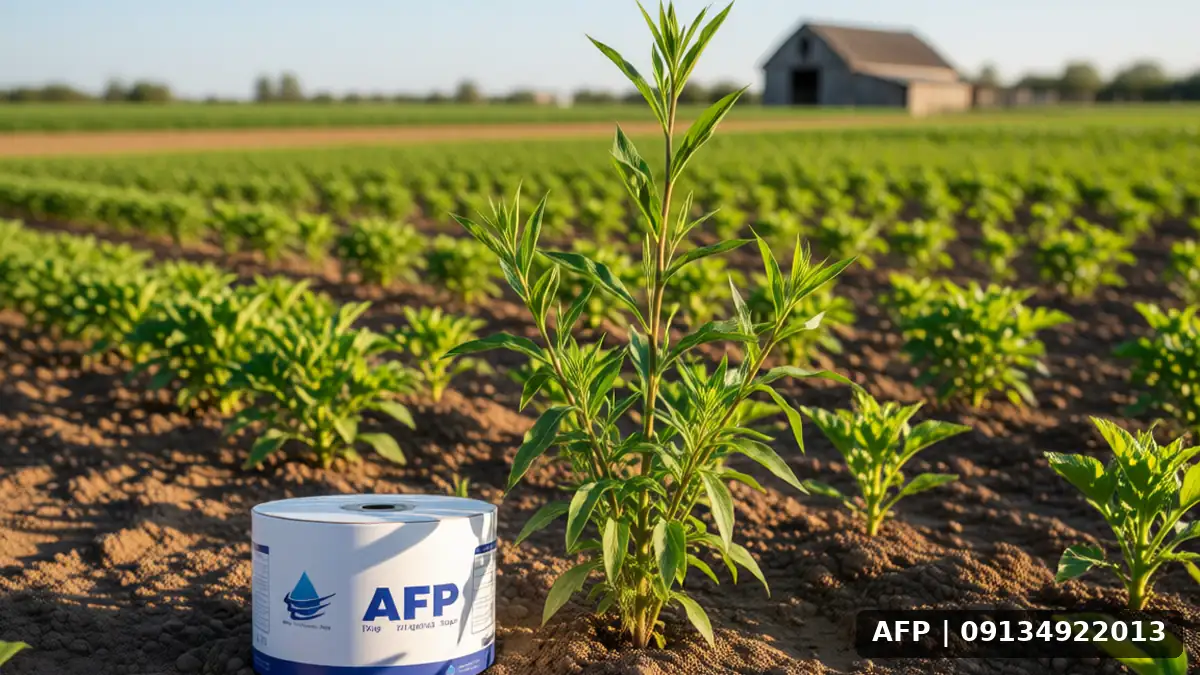
Sandy soils with low water retention require lower seed density, allowing plants to develop deeper roots and access sub-surface moisture. In heavy clay soils, higher seeding densities can be used because surface water retention is better near the roots. Additionally, in hot and dry regions with lower atmospheric humidity, reducing seed density and increasing plant spacing helps plants experience less stress and maintain better oil quality. This consideration is also important when growing near other crops. If your field is adjacent to corn or rice farms, reviewing guides such as Yield of irrigated lentils per hectare can help you better understand water resource balance in sequential cropping, as hemp is also highly dependent on precise water cycle management.
Answers to Frequently Asked Questions (FAQ)
This section addresses common questions among farmers regarding calculation and execution:
1. Is it possible to grow hemp at very high density specifically for leaf and root production?
Yes, but this approach is primarily used for animal feed or green manure production. In such cases, seed density can exceed 30 kg/ha, but do not expect high-quality seed yield.
2. How should hemp seeds be sown in conjunction with a drip irrigation system?
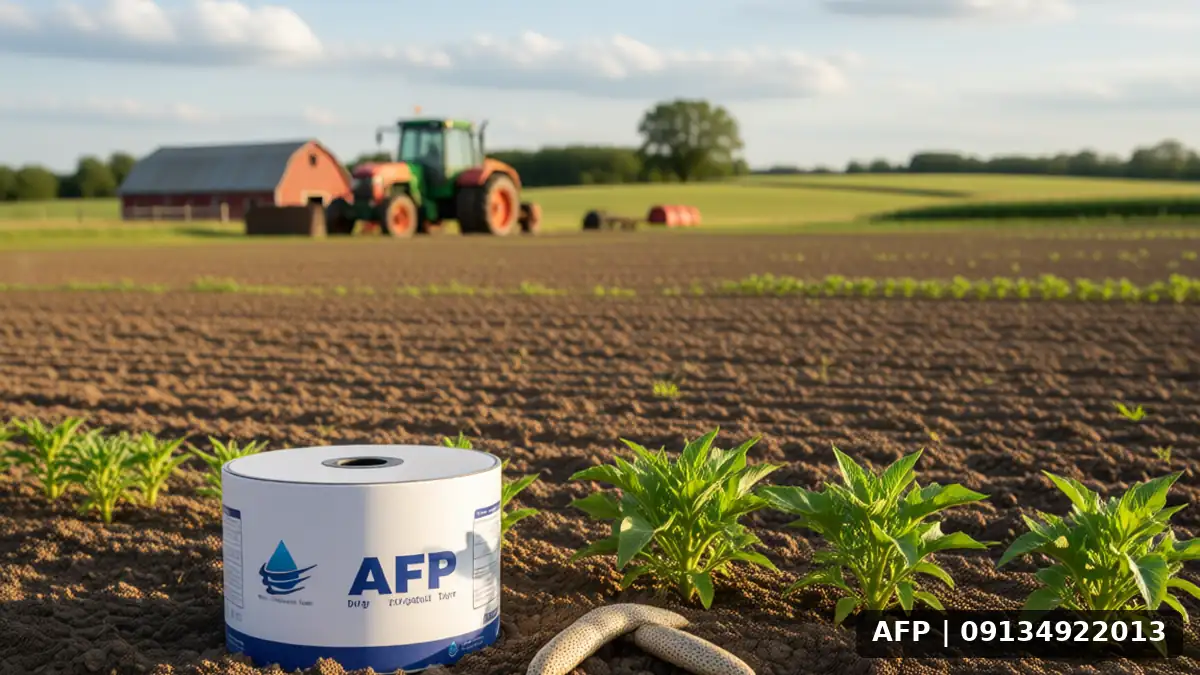
Combining drip irrigation with mechanical seeders is recommended. You can use dual-line emitters and sow seeds exactly in the middle between two drip lines to ensure full moisture coverage and optimal growing space. For further details, refer to the comprehensive guide on [Cucumber Sowing with Drip Irrigation Method](https://navar-abyari.ir/%d8%b1%d8%a7%d9%87%d9%86%d9%85%d8%a7%db%8c-%d8%ac%d8%a7%d9%85%d8%b9-%da%a9%d8%a7%d8%b4%d8%aa-%d8%ae%d9%8a%d8%a7%d8%b1-%d8%a8%d8%a7-%d8%b1%d9%88%d8%b4-%d8%a2%d8%a8%db%8c%d8%a7%d8%b1%db%8a/), which explains similar principles for spacing small seeds.
3. If seed quality decreases, how should the seed quantity be adjusted?
If the germination percentage of your seeds drops below 80%, the amount of seed used must be adjusted by the factor (100 / germination percentage). For example, if germination is 70%, increase the seed quantity by a factor of 1.42 compared to standard rates to ensure adequate coverage.
Conclusion and Final Recommendations
Precise determination Sesame seed rate per hectare It is a dynamic process that requires continuous evaluation of field conditions, the selected variety, and irrigation infrastructure. Using drip or subsurface drip irrigation should not be merely a budgetary choice but part of the planting strategy to ensure uniform moisture and uniform stand development. We recommend conducting a small on-farm trial before each new planting to test different densities under your actual conditions. This practice not only reduces the cost of errors but also provides you with customized data for future seasons. Ultimately, adhering to fundamental principles and using documented resources guarantees your long-term success in cultivating this valuable crop.
Related articles: Related article Related article Related article D8AFD8B1 Related article, clover yield per hectare factors increase, Fenugreek seed rate per hectare: A comprehensive guide