Saffron Irrigation with Drip Tape: Key Maintenance Tips and Practical Guide
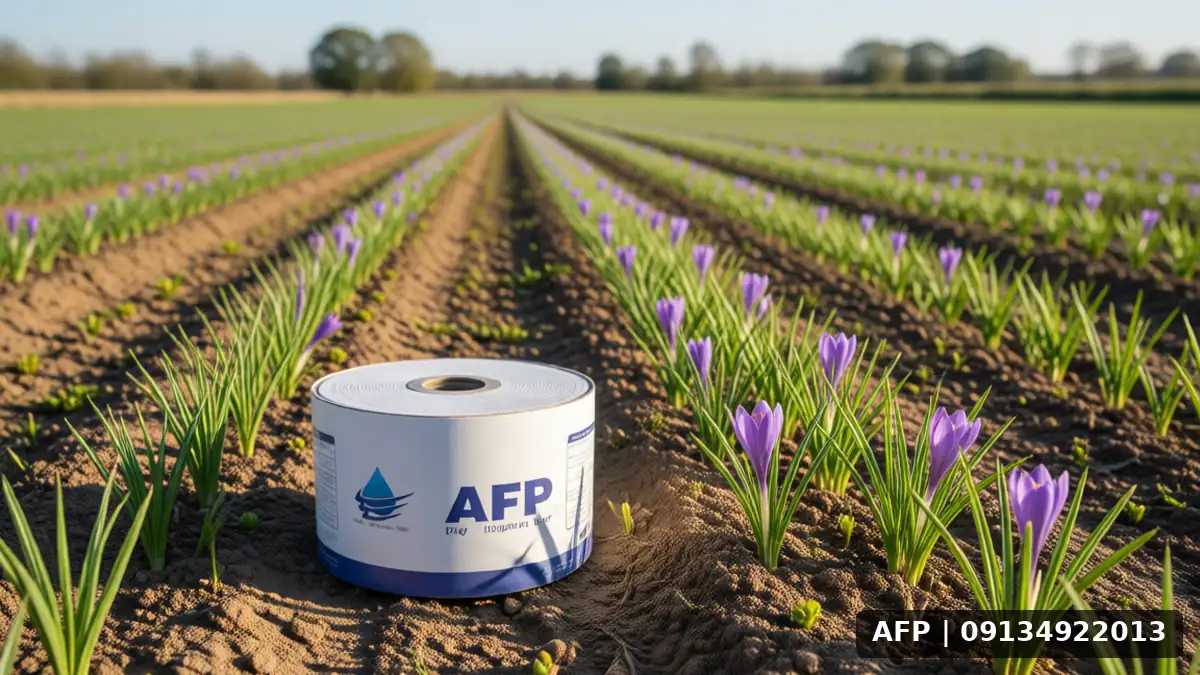
Saffron, as the most expensive spice in the world, requires precise water resource management. Using drip irrigation and tape line systems in saffron fields, in addition to water conservation, enables more precise management of soil nutrients and moisture. However, success with this method requires special attention to Maintenance of saffron tape lines . Due to their thin profile and high filter sensitivity, these lines are prone to clogging and mechanical damage, which can lead to uneven irrigation distribution and ultimately a decline in stigma yield. The following section outlines key technical guidelines for the proper maintenance of these systems.
Technical and structural principles of tape lines in saffron fields
The tape lines used for saffron typically feature in-line drippers that facilitate uniform water distribution beneath the soil surface. For saffron, which grows from corms, the depth of corm planting and the spacing between tape lines are of vital importance. When selecting tape lines, planning should be based on corm density, as detailed in the article on saffron planting rate per hectare. Appropriate tape line spacing prevents miscalculations in discharge rate. Additionally, the polymer material used in the tape lines must be resistant to UV radiation, as in most saffron fields, the lines are exposed to direct sunlight during the growth seasons.
Impact of water pressure on tape line integrity
One of the primary causes of tape line degradation is pressure fluctuation in the system. Tape lines are designed to operate within a specific pressure range (typically 1 to 3 bar). Excessive pressure can rupture the tape wall and cause failure, while low pressure results in reduced flow and inadequate irrigation. To maintain tape line integrity, the use of a pressure regulator at the beginning of main lines is recommended. These settings must be aligned with soil conditions and the root zone requirements of the saffron.
Specific Challenges of Saffron Irrigation Using Drip Tape
Rainfed saffron is grown in many regions, but in orchard and pomegranate farms, controlled drip tape irrigation increases the number of saffron crocus flowers and the intensity of the saffron color. A key point in maintaining these systems is managing ‘relative dryness’ during the late growth season. Drip tape keeps moisture concentrated in the root zone. If the system is not properly maintained and the drip emitters clog, sudden water stress occurs, leading to blind flowers. Therefore, regular cleaning and troubleshooting are of higher importance.
The Phenomenon of Deposit Removal and Mineral Sediments
One of the biggest enemies of drip tape is calcium and calcium carbonate deposits formed from hard water. These sediments accumulate in the drip emitters and block the outlets. To prevent this problem, it is essential to use citric acid or phosphoric acid at a mild concentration at the beginning of each irrigation season. Additionally, adding Whitening or tannin to the water can help prevent biofilm growth in the pipes. This process must be done while carefully monitoring the water pH to avoid damaging the saffron roots.
Practical Tips for Extending the Useful Life of Drip Tape
Practical management of saffron drip tape maintenance involves several key steps that must be followed by the farmer:
- Flushing (washing) the end of the tape: Tape drippers must have open ends. Before the end of each irrigation cycle, open the flush valve to expel suspended particles and sediment. Failing to do so will cause silt and clay accumulation at the end of the tape and block the drippers near the outlet.
- Appropriate filtration: The use of a cylindrical filter of appropriate size (typically 120 to 200 mesh) is mandatory. Never use weaker filters, as fine sediment particles (such as fine sand) will pass through and enter the tape, causing internal clogging.
- Preventing tape rupture: The drip tape is very delicate. When planting seedlings or performing drainage operations, avoid hitting or pressing on the tapes. It is recommended to use tape holders on the soil surface to prevent displacement by wind or water flow.
In addition, in fields where other crops such as garlic or coriander are cultivated alongside saffron, water resource management must be more precise. Regarding garlic yield per hectare, the irrigation demand varies. Therefore, the manifold must be designed to allow individual control of each section.
Comparison Table of Tip Line and Drip Pipe in Saffron
Drip tape appears to be more economically viable for rainfed crops such as saffron, as it requires no trenching and can be installed and removed quickly. However, its maintenance is more difficult. In contrast, systems that use rainwater piping and its applications offer greater durability but are not suitable for rainfed or semi-rainfed saffron.
Troubleshooting and resolving common drip tape issues
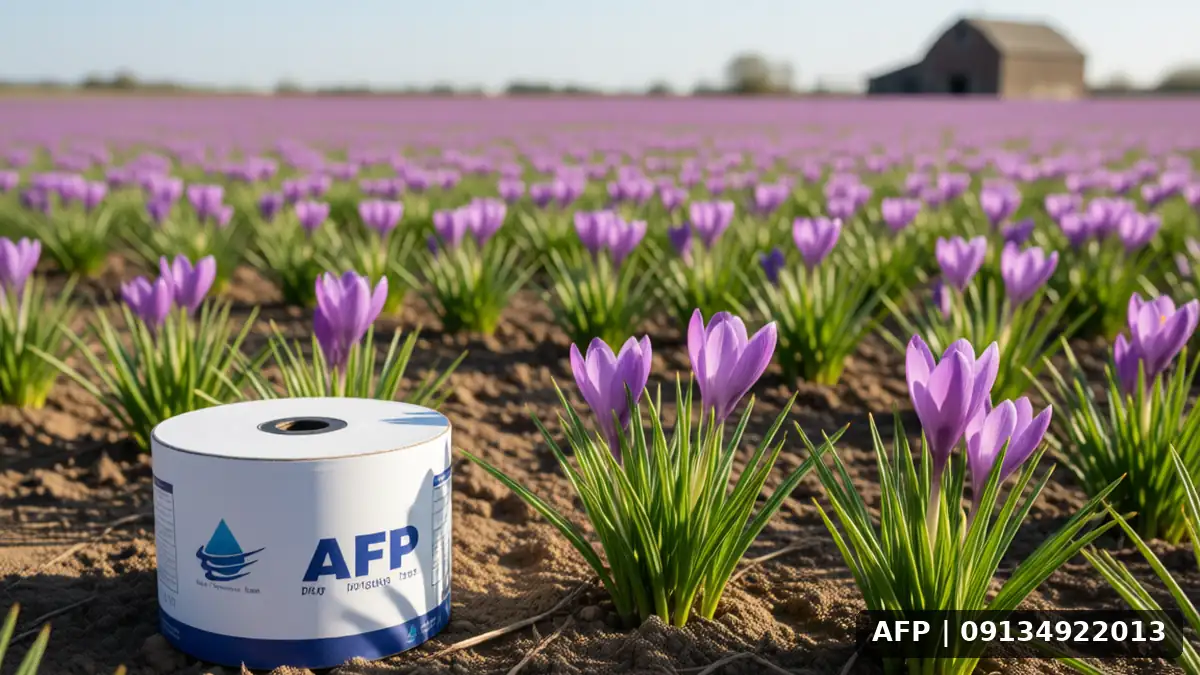
When you encounter a problem, you must quickly identify the cause. Common symptoms include: under-irrigation on one side of the lines, small tears in the tape, and clogging of the main filter. Sometimes, drip tape issues are caused by water quality. If the water used is effluent or surface water, filtration and disinfection must be ensured. Additionally, if you are using combined systems, coordination with the mustard yield per hectare and shared water management, can be optimized.
Visual inspection and pressure gauge
Using a pressure gauge at the end of open lines (Flushing Line) is an effective method for detecting blockages. If the pressure at the end of the line increases, it indicates that the outlet is clogged or the tape is blocked. This check should be performed once a week during the irrigation season. In addition, using acid flush kits at the beginning of each season helps fully clean the emitters.
Frequently Asked Questions About Saffron Drip Tape Maintenance
Can drip tape be used for multiple seasons?
Drip tapes are typically single-use, but with proper maintenance, they can be used for two seasons. However, it is recommended to use new tape each season to prevent a decline in emitter quality. In small farms, reusing tape with special care is possible.
What is the best time to flush drip tape?
The best time is the last few minutes of each irrigation cycle. When a pulsating pressure is created, particles are pushed outward. Additionally, a complete acid flush is recommended before starting a new season.
Is drip tape used for rainfed saffron?
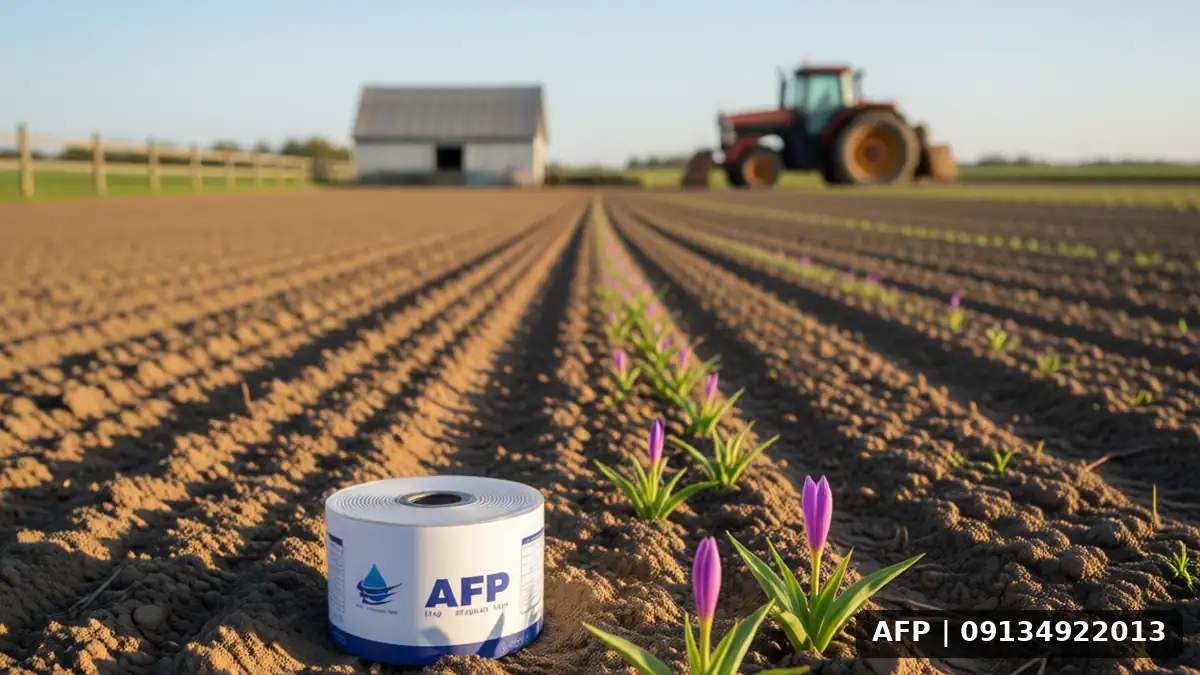
Yes, although saffron is typically rainfed, using drip tape during dry years to support corm growth and flower development is highly effective. This method even leads to stable yields in low-rainfall regions.
Summary and Final Recommendations
Maintaining saffron drip tape is a continuous process requiring attention and planning. From selecting the appropriate tape for required water pressure to using precise filters and performing regular flushing, all of these are critical for saffron production performance. By following this guide and leveraging technical expertise, you can extend the useful life of your irrigation systems and maximize corm yields. If you need more information about general principles, studying the article “Conditions for Latch Bent in Helich” can provide a better understanding of hydraulic principles.
Related Articles: comprehensive pepper drip tape guide yield tips