Rotational Irrigation in Melon Cultivation: Applications
Introduction to the Importance of Rotational Irrigation in Muskmelon Cultivation
Muskmelon is a crop highly sensitive to moisture balance. In the semi-arid climate of Iran, proper water management directly impacts not only yield volume but also fruit quality and sweetness. Rotational Irrigation of Muskmelon This method involves periodic and repeated irrigation rather than a single heavy, uniform application. It ensures soil moisture is distributed evenly and prevents complete drying in the intervals between irrigation events. Over time, growers have found that combining rotational irrigation with drip and tape line systems yields higher efficiency compared to conventional methods.
In this article, we examine the technical details of implementing rotational irrigation with a focus on modern systems. Our goal is to provide a practical roadmap enabling producers to achieve global-standard quality products with minimal cost and optimized water use. We also address the role of polyethylene tape lines and modern drip emitters in this process.
Key Advantages of Rotational Irrigation for Muskmelon
- Maintaining stable moisture levels in the active root zone.
- Reducing the risk of fungal diseases caused by waterlogging.
- Enhanced uptake of nutrients and soluble fertilizers.
- Adherence to sustainable agriculture principles and reduction of plant stress.
To better understand these concepts, we examine each section in detail below.
Principles of drip line operation in melon cultivation
Drip line is one of the most effective precision irrigation methods, where thin polyethylene lines are laid at a specific distance from the plant stem. These lines contain small holes that release water uniformly and diffusively without direct pressure on the soil surface. In melon cultivation, where inter-row spacing is typically wide, the drip line system effectively facilitates rotational irrigation.
A key consideration in installing drip lines is setting the distance from the plant. A distance of 10 to 15 cm from the stem is ideal to place moisture directly in the zone of the melon’s superficial roots. Melons have few deep roots and primarily absorb nutrients from the upper soil layers. Therefore, the drip line method, which concentrates moisture at a depth of 10 to 20 cm, has high overlap with the root system.
Differences between drip line and drip irrigation in rotational systems
Although both methods are classified as low-water-consumption irrigation, drip lines are often preferred for muskmelon rotation due to the faster water infiltration into the soil during warm seasons. However, the drip system also has specific applications. To better understand the available options, you can review the comprehensive article on Types of irrigation systems to compare the subtle differences between these two methods under various cropping conditions. The choice between drip and tape lines should be determined based on the farm’s soil type and investment budget.
Optimizing the rotational irrigation schedule
The core of rotational irrigation is correct timing. Muskmelons have varying water requirements depending on their growth stage. In the final growth stage, frequent, low-volume irrigation can cause fruit cracking. Therefore, rotational irrigation must be carefully designed in a stepwise manner.
Recommended irrigation schedule based on growth stages
Using this table is only a preliminary guide. Regional growing conditions, soil type (fine or sandy), and air temperature all change these figures. In sandy soils with high permeability, irrigation intervals should be shorter and the volume per application should be lower. In fine-textured soils, there is a risk of waterlogging, so long irrigation durations should be avoided.
Which tape to choose for rotational melon irrigation?
Choosing the tape size and material is a primary concern for many farmers. Cotton tapes, due to their resistance to UV erosion and stability under high-temperature conditions, are an attractive option for regions with intense solar radiation. These tapes offer better compatibility with soil and demonstrate a longer service life over time. To view the complete installation and maintenance guide for this type of tape, refer to the specialized article Guide to 2-inch Cotton Irrigation Tape please review it. This guide provides precise details on connecting to the main line and preventing clogging.
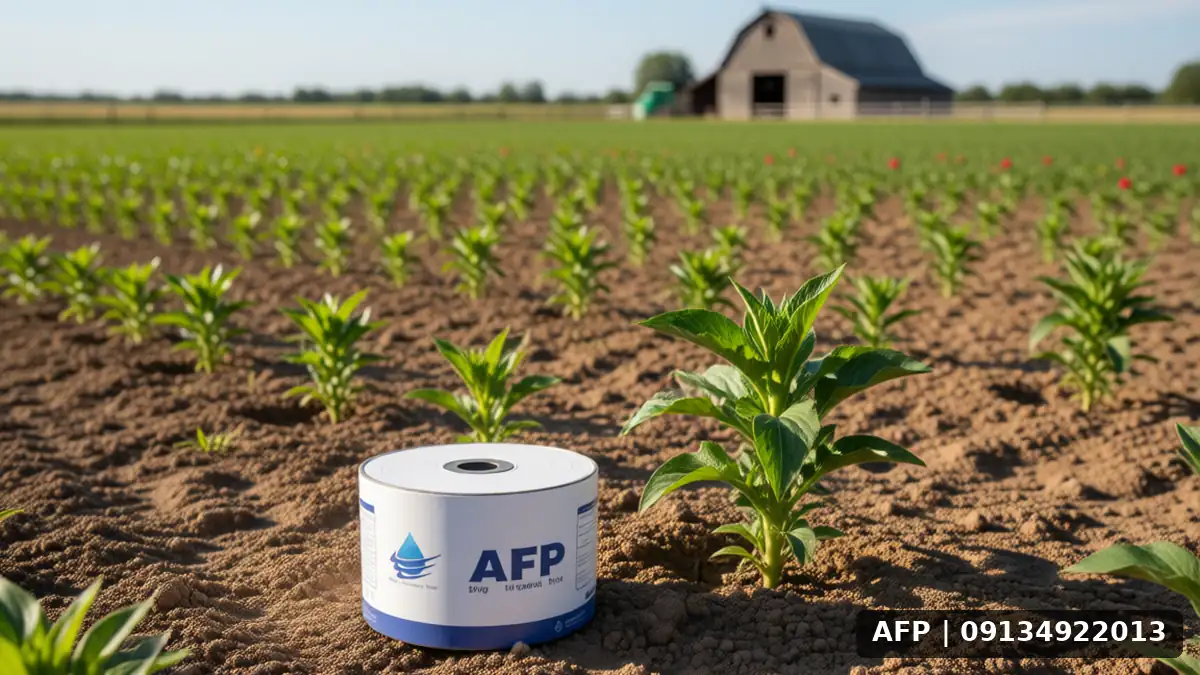
In addition to drip tape, inline drippers with a 30 or 40 cm spacing are applicable in certain planting designs. In this mode, rotational irrigation is performed by turning valves on and off. Even if your system is based on fixed drip emitters, familiarity with tape maintenance principles is still essential. As a complementary study, you can learn more about innovative drip irrigation solutions to gain more information and stay aware of the latest technologies available in the market. This material demonstrates that precision irrigation technologies are becoming increasingly intelligent.
Key practical points for implementing rotational irrigation
Theoretical planning without execution is futile. In the practical execution of melon rotational irrigation, adherence to the following points creates noticeable differences in crop performance:
- System cleanliness: Never introduce contaminated water or water with high sediment content into the drip tape. Dual filtration (screen and magnetic strainer) is mandatory to prevent clogging of the tape’s small emitters.
- Pressure control: Pressure in the drip line must not exceed reasonable limits, as this can cause the line to burst or water to spray out. The appropriate pressure for drip lines is usually between 1 and 2 bar.
- Coordination with crop rotation: If you use crop rotation in your field, rotation irrigation must be coordinated with the planting calendar to maintain soil micronutrient balance.
- Infiltration test: Before planting, perform a soil infiltration test to more accurately estimate the length of each irrigation rotation cycle.
Additionally, combining rotation irrigation with fertigation can double efficiency. You can also manage systemic herbicides using the same drip lines. To learn about the best methods for planting agricultural beet species, which are sometimes grown with melons, you can review the watermelon harvest yield per hectare guide, as the irrigation management principles for these Brassicaceae crops share similarities with melon in certain aspects.
Frequently Asked Questions (FAQ)
Is rotational irrigation suitable for heavy soils?
Yes, but with caution. In heavy soils, water infiltration is slower and there is a risk of moisture accumulation at the surface. In this case, shorter and more frequent irrigation cycles are recommended to prevent roots from experiencing complete drought while avoiding fungal growth.
What is the cost of tape drip compared to standard drip irrigation?
Typically, tape drip has a lower initial cost and simpler installation. However, standard drip emitters offer superior flow control. The choice should be based on the desired level of precision in melon rotational irrigation.
When should tape drip be replaced?
Signs such as cracking, insect bore holes, or a significant drop in output flow rate indicate the need for replacement. High-quality tape drip usually lasts for up to 3 seasons.
Can drip tape be used for melon cultivation in greenhouses?
Yes, completely. In greenhouses, drip irrigation using tape systems also helps regulate relative humidity, which is highly beneficial for preventing powdery mildew and whitefly infestations on greenhouse melons.
Conclusion: A Step Toward Smart Farming
Drip irrigation for melon cultivation is no longer a luxury option but an economic necessity for farm sustainability under water scarcity conditions. Integrating this method with tape and drip technologies ensures that every drop of water reaches the roots at the right place and at the optimal time. By adhering to practical guidelines, controlling pressure, ensuring precise filtration, and planning schedules, you will achieve not only higher yields but also produce of superior quality and extended shelf life.
We recommend having a written operational plan before the start of the season and installing irrigation tape with precision. Continuous learning about different system types and their optimization is the key to success in today’s competitive markets. The future of melon farming depends on this precise resource management.