Rotational Irrigation for Maize: A Comprehensive Guide
Introduction: Why is rotational irrigation critical for maize?
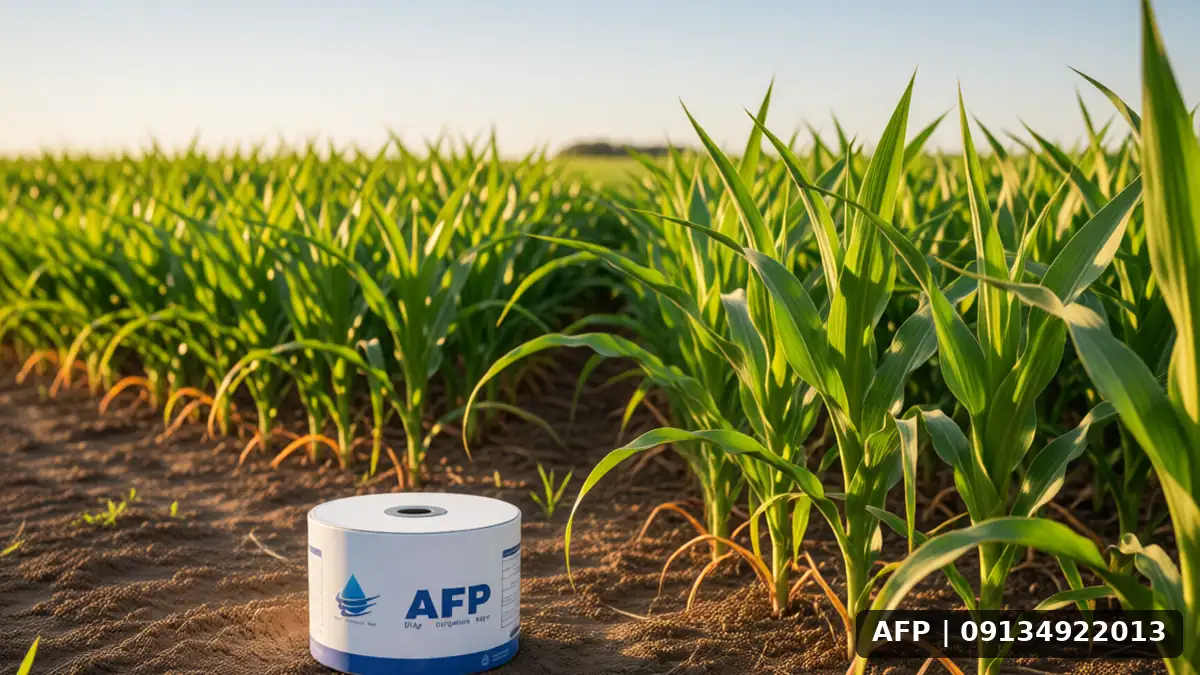
Maize is one of the most important agricultural commodities in Iran. Due to its high water requirements during active growth seasons, proper management of water resources is essential. Rotational irrigation of maize This is a technique in which the field is divided into several blocks, and water is applied to each block at specific, sequential intervals. This method not only helps maintain uniform soil moisture but also ensures that the plant roots are fed from resources in a balanced manner throughout the season. By using drip tape alongside a rotational system, water waste can be prevented while precisely meeting the plant’s water needs. In this section of the article, we aim to re-establish the theoretical and practical foundations of this method for maize farmers so they can make more confident decisions.
One of the main challenges in maize cultivation is high sensitivity during flowering and grain filling. If irrigation is inconsistent or uneven, some plants may suffer from drought stress while others face root rot. Rotational irrigation eliminates this imbalance. Additionally, this method allows for reduced soil erosion in areas with concentrated water flow. To better understand this, you can read the article on ‘Direct Field Irrigation: Advantages and Disadvantages’ to understand the differences between various approaches.
Principles of designing a rotational irrigation system with drip tape
In drip and tape systems, water is delivered directly to the root zone under low pressure. However, when implementing block rotation, special attention must be paid to the integrity of the pipe network. Proper pressure and flow rate design at each stage of the cycle requires precise hydraulic calculations that many farmers overlook. An unbalanced rotation system results in incomplete irrigation for blocks far from the center. Therefore, the top priority in design is the accurate leveling of elevations and the selection of appropriate diameters for main and lateral lines.
- Block zoning: Blocks should be designed based on uniform soil depth and substrate type to ensure equal water infiltration rates across all fronts.
- Tape selection: Emitter spacing must correspond to the corn planting frame (typically 70 to 80 cm). For a purchasing guide, Irrigation tape pre-purchase tips review them.
- Rotation scheduling: Typically, two or four blocks are defined. The irrigation duration for each block must be calculated so that the total rainfall across all blocks in a week equals the total water requirement of the corn.
Managing moisture and water requirements at different growth stages
The water requirement of corn changes at each growth stage. From silking to crop maturity, the water uptake pattern is different. In a rotational system, you have more flexibility to adapt the irrigation schedule to these changes. For example, at the silking stage, the plant requires less deep moisture, but at the grain-filling stage, water consumption peaks. If the rotational system is not used correctly, some blocks may be irrigated while others are not during the sensitive grain-filling stage, resulting in reduced kernel weight and increased spoilage.
Practical calculations based on available data
To fine-tune water volume, it is essential to use empirical figures. Corn generally requires about 500 to 600 cubic meters of water per hectare to achieve optimal yield. This figure can vary depending on soil type and climatic conditions. Familiarity with corn yield per hectare helps you compare water economy against crop productivity. Additionally, if your land is sloped, using specialized drip-line pipes is crucial to maintain constant pressure; in this regard, 2-inch diameter drip-line pipe guide will be useful.
- Measure the soil moisture in each block before starting the cycle.
- Based on the region’s climate data, divide the required weekly water amount by the number of blocks.
- Adjust the output flow rate of the drip line to ensure the calculated amount is delivered in each rotation period.
- After completing the cycle, inspect the rooting status of the irrigated blocks.
Practical Tips and Common Mistakes in Implementation
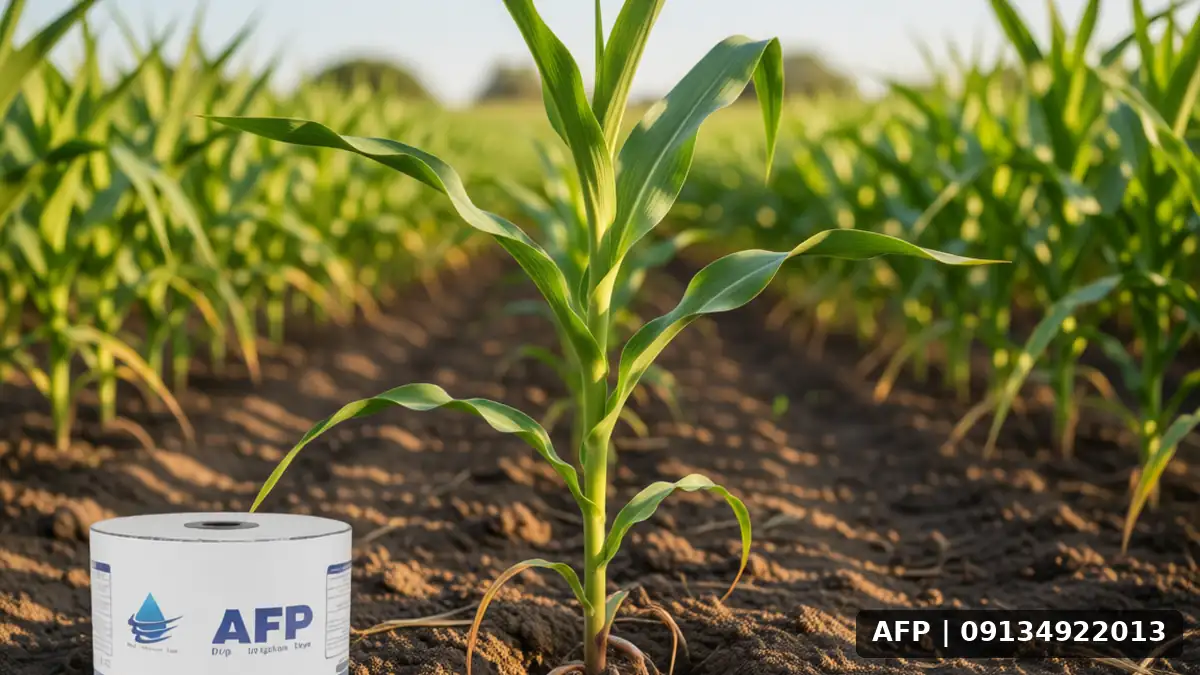
Many failed applications Rotational Corn Irrigation This is often caused by simple operational errors. A common mistake is the irregular changing of block order. If you alter the rotation sequence in a week, some root zones may remain under prolonged stress. Another error is ignoring water infiltration into soil depths. In light soils, water moves faster and may pass through the root zone before corn roots can absorb it. To address this, shorten irrigation duration and increase frequency. Additionally, inspecting pipes and cleaning filter pads before each serious cycle is crucial to prevent dripper clogging. If you are unfamiliar with the technical issues of drip tape, reviewing supply chain conditions related to your section can provide a better perspective on optimizing component supply.
Frequently Asked Questions (FAQ)
Is rotational irrigation suitable for late-maturing corn varieties?
Yes, but it requires more precise adjustments. For late-maturing corn, the growth period is longer, so you must define shorter and more frequent cycles to maintain moisture uniformity.
Can drip tape be used alongside rotational irrigation?
Definitely. Drip tape is one of the best carriers for implementing rotational irrigation, as it consumes less water and allows for more precise control over the root zone.
What is the best time to start an irrigation cycle?
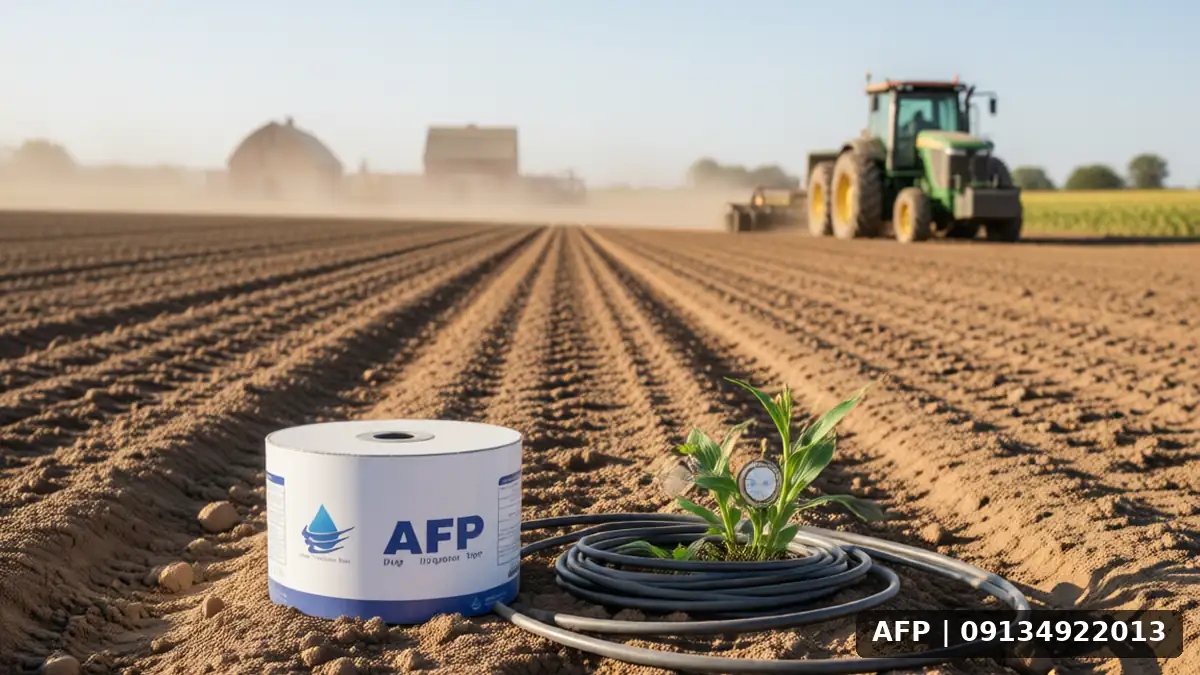
The optimal time to start irrigation is when the root zone at a depth of 10 to 20 cm is dry. It is recommended to use a moisture sensor or a manual test with a trowel.
Conclusion and Final Recommendations
Trusting in Rotational irrigation for corn With a drip tape line, it is a strategic path for Iranian farmers to experience maximum yield with minimum water consumption. The key to success lies in the coordination between technical calculations, soil type, and the precise timing of cycles. By following the principles outlined in this comprehensive guide, you will be able to minimize drought stress and improve corn kernel quality. It is recommended that before fully implementing the system, you follow a test block with extra care and compare the results with the rest of the field. To learn more about optimizing corn production, consider the guide on corn yield per hectare. This approach, combining technical precision and resource management, guarantees the sustainability of your agriculture in the coming years.
Related articles: mikdori tukhmi zira siyoh dar gektar dasturi kisht, Drip tape line D981D98A Basra