Rotational Irrigation in Coriander Cultivation: Applications, Practical Principles, and Water Management
Introduction to Alternate Row Irrigation in Coriander Cultivation
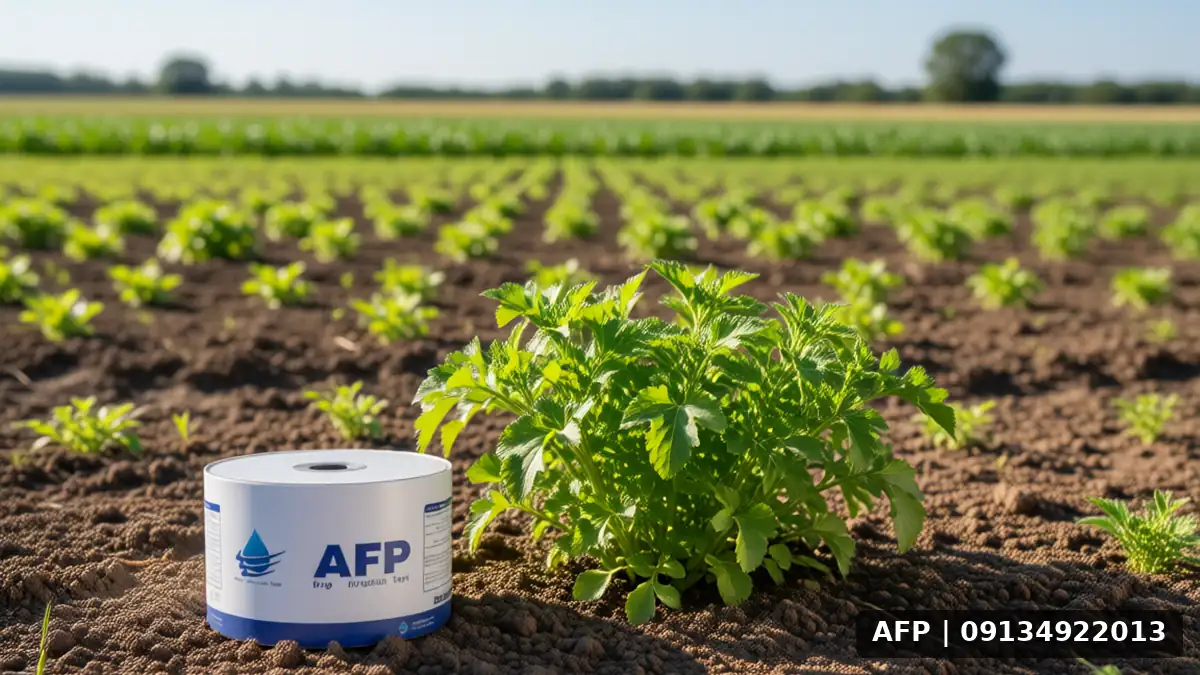
Coriander (Coriandrum sativum) is a short-season crop sensitive to environmental stress, grown in many humid and semi-arid regions of Iran. A key challenge in its mass production is optimizing water use, as coriander has shallow roots and is susceptible to thrips-caused fungal diseases when seedbed moisture is high. Here, alternate row irrigation (Alternate Row Drip Irrigation) is proposed as an advanced strategy to manage soil moisture and reduce energy costs. Primarily used in drip and tape systems, this method irrigates adjacent rows alternately, forcing roots to move toward the center of the dry row to find moisture. This promotes deeper, more symmetrical root growth. The aim of this article is to provide farmers with a practical guide to leveraging the benefits of this technique without significantly increasing initial costs. [[LINK: types of irrigation systems]]
Physical and hydraulic principles of alternate row irrigation
Root Zoning Concept
In rotational irrigation, we allow one row of plants to remain temporarily without water, while the adjacent row continuously receives moisture. Cilantro, due to its high growth rate, requires uniform soil temperature and moisture; therefore, this method must be executed with high precision to prevent a significant reduction in yield. Research indicates that in row crops, the use of low-flow drippers (e.g., 2 liters per hour) in dedicated furrows or drip tapes with an internal diameter of 16 mm enables the creation of alternating wet zones. In this scenario, cilantro roots located in the dry row grow toward the wet row, thereby increasing root volume per cubic meter of soil. This phenomenon is known as “active suction” and can increase water use efficiency by up to 25%. To select the appropriate components, it is necessary to Components of the drip tape system in order to maintain appropriate pressure and flow in the main lines.
Impact on soil water potential
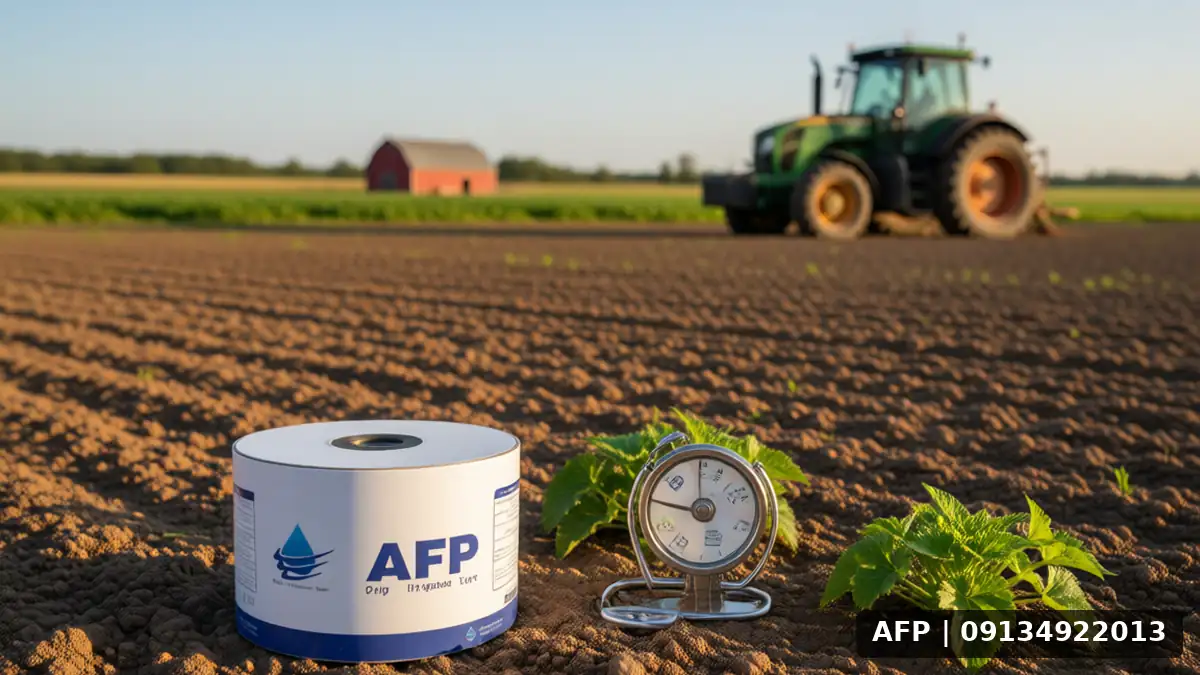
Soil Water Potential exhibits greater fluctuations under the rotational method compared to uniform irrigation. Cilantro is sensitive to water potential within the range of -50 to -100 kilopascals. If this range is not maintained, the plant will suffer from water stress or root suffocation (due to full saturation). Therefore, soil moisture sensors at a 10 cm depth (the main root absorption zone for cilantro) should be used. [[LINK: Calculating yield of beans and mung beans per hectare]]
Practical applications of rotational irrigation in cilantro
1. Reduction of energy costs and total cost
One of the main reasons for implementing rotational irrigation is to reduce water pumping. In drip systems, pumps are usually designed to open all lines at once. With rotation, lines can be divided into two separate zones, keeping only one zone active during 4 to 8-hour intervals. This allows the pump to operate at a lower flow rate and more suitable duty cycles. For cilantro, which has a short growth period (about 60 to 70 days), this scheduling can save up to 15% on irrigation system electricity consumption. Additionally, in arid regions where drinking water quality is limited, this method allows the use of non-potable sources for drier sections.
2. Control of Rhizome Diseases and Growing Mediums
Diseases such as physiological wilting and gray mold (Botrytis) in cilantro are exacerbated by high growing medium moisture. Rotational irrigation allows dry-row growing media to improve aeration and reduce soil surface relative humidity. These conditions are unfavorable for small spores and soil-borne fungi. Therefore, farmers can maintain general plant health without the need to apply additional chemical pesticides. This method is particularly effective in greenhouse cilantro cultivation, where humidity control is more difficult. [[LINK: فایده لنتاری کمیل روخنموی سبزی و فوسکا]]
3. Management of Uniformity
Drainage Uniformity in drip irrigation sometimes decreases due to soil settling or clogging of some emitters. Rotational irrigation functions so that if one slot has a minor issue, the adjacent row (which is currently receiving water) supports acceptable cilantro performance. This ‘dual reliance’ helps mitigate the negative effects of pressure non-uniformity. In drip tape systems, ensuring the health of drip tape connections This is necessary to prevent pressure leakage to adjacent rows.
Practical tips and scheduling for cilantro
- Determining growth phases: Cilantro is highly sensitive during the initial weeks (seedling stage). At this stage, rotational irrigation is recommended This is not possible or is implemented in a semi-rotational mode (with both rows irrigated at a lower flow rate). From the third week onward, when side shoots begin to form, full rotation can be started.
- Irrigation volume calculation: Coriander requires a daily water volume of approximately 4 to 6 liters per square meter. Under rotational irrigation, this volume must be distributed over a 48-hour period. For example, 48 liters per square meter divided by 2 equals 24 liters per square meter per irrigation cycle for the active row.
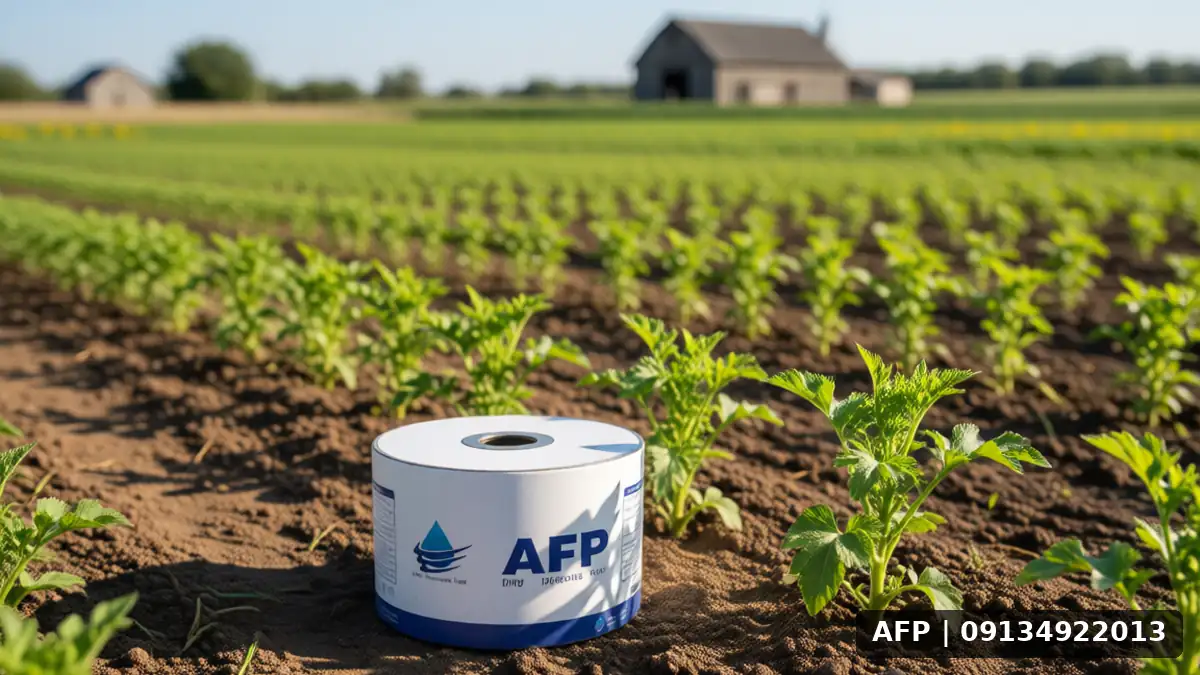
- Dripper selection: Use drippers spaced 20 to 25 cm apart in the furrow. The recommended flow rate is 2 to 3 liters per hour to prevent dry zone formation.
- Seedbed care: For coriander, the seeds are very small. If using a tape line, the tape slots must be positioned exactly at the seed depth (1 to 2 cm) to ensure water reaches the root zone directly and prevent seedbed erosion.
For those new to advanced systems, reviewing the guide to types of irrigation systems helps understand the subtle performance differences between tape and drip. Additionally, ensuring your connectors are standard prevents hidden leaks; agricultural tape connectors should be made of high-quality PVC or PE to extend the system’s service life.
Frequently Asked Questions (FAQ)
Is rotational irrigation suitable for all climates?
No. In very moist and cold climates (such as some Himalayan regions), the reduction in bed moisture under the rotational method may cause root frost on cold nights. This method is ideal for semiarid to moderately humid regions where temperature fluctuations are not extreme.
Do I need a moisture sensor?
To start, you can rely on your previous experience, but for precise rotational execution, using soil moisture sensors at a 10 cm depth is highly recommended to prevent over-drying of the inactive row.
What is the impact of this method on yield (kilograms per hectare)?
If executed correctly, final cilantro yield does not decrease, and leaf quality (freshness and aroma) may improve due to stronger root growth. However, if the rotation is excessively long, a 10 to 15 percent reduction in wet weight may occur.
Conclusions and Final Summaries
Implementing rotational irrigation in coriander cultivation is a smart approach for sustainable agriculture. Considering the global price of coriander and the sensitivity of this crop to processing, maintaining leaf quality through precise moisture management is of paramount importance. This method not only reduces water consumption but also makes the plant more resistant to climatic stresses by encouraging root growth. If you are looking to optimize your current system, a comparative analysis of tube band versus drip irrigation can help you choose the best option for narrow furrows in coriander. Also, remember that selecting the appropriate water dose, such as the considerations discussed regarding seed quantity and operations, also plays a vital role in soil bed health. When executed with precision, rotational irrigation for coriander is the key to achieving higher value-added products for export markets.
Related Articles: drip irrigation tape system components، komil rohnomoi lentarii sabzi fosila foyda، Agricultural tube band connections