Rotational Irrigation in Border-Bounded Crops: Applications, Benefits, and Practical Considerations
Introduction to Rotational Irrigation in Lettuce Cultivation
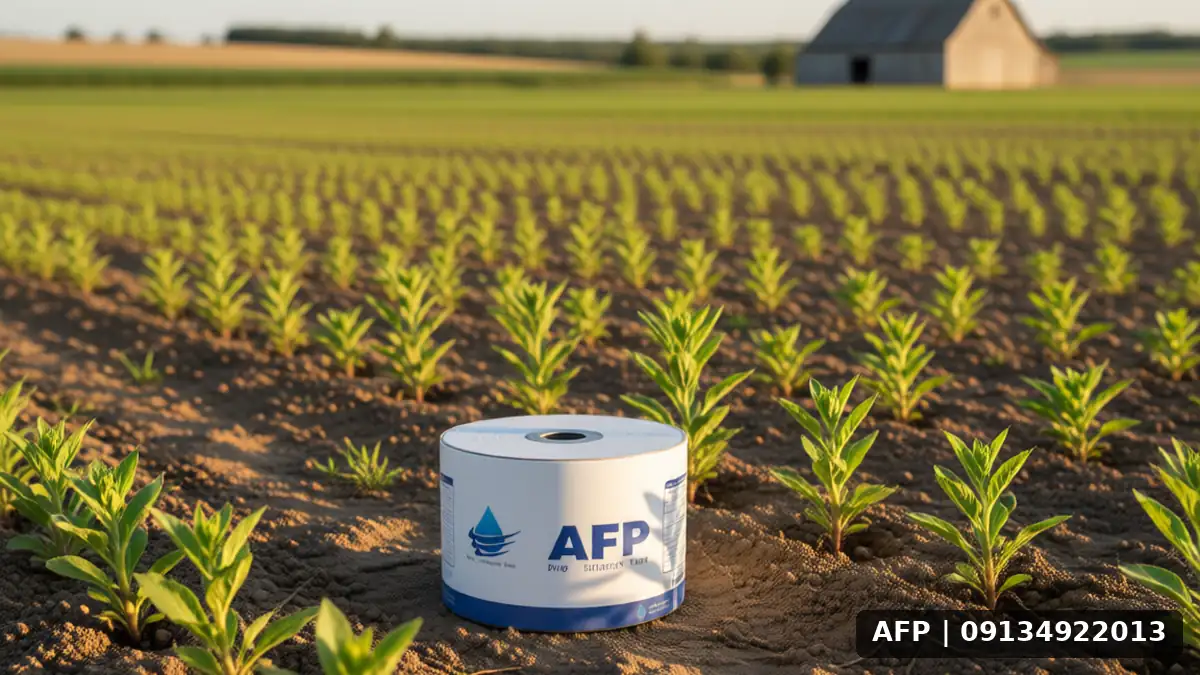
Farmers cultivating lettuce and other herbaceous or soft fruits face specific challenges in water management. Due to rapid growth and variable moisture requirements, lettuce necessitates a logical and predictable irrigation method. Rotational Irrigation in Lettuce Cultivation One of the advanced methods used in drip and tape systems enables the regular and equitable distribution of water across different field sections. This approach prevents water stress or waterlogging, reduces pressure on the water supply system, and manages energy costs. The following section details the applications, technical principles, and operational guidelines of this method.
Principles and Mechanisms of Rotational Irrigation
The principles of rotational irrigation are based on dividing the field into equal sections or zones via long hoses. In each cycle, only a specific hose section is activated while others remain in standby. This process is repeated automatically or manually using a scheduled solenoid valve. To better understand this concept, consider how water is allocated in conventional systems; for example, when using a drip tape system, the guide Cucumber can provide a clearer understanding of water distribution systems. In rotational irrigation for lettuce, the primary objective is to establish hydraulic equilibrium along the entire length of the drip tape, ensuring plants receive adequate water at all points in the field. This equilibrium prevents water stress and allows roots sufficient time to absorb nutrients and water regularly.
Specialized Applications of Rotational Irrigation in Crops
Although mint is a local and indigenous crop, the principles of rotational irrigation are easily transferable to similar crops with shallow root systems and high moisture requirements. The application of this method in cucumber cultivation is one of the best practical examples. Like mint, cucumber is sensitive to soil moisture stability, and severe irrigation fluctuations can cause fruit cracking or quality reduction. Therefore, using a drip line with rotational irrigation capabilities enables more precise root zone management. Additionally, these principles apply to forage maize cultivation, where dividing the field into sections and implementing sequential irrigation can effectively increase water use efficiency. Studies on forage maize yield indicate that proper water management directly impacts production volume.
Practical Tips for Installing and Commissioning the Rotational System
- Hydraulic Division of the Field: Divide the field into equal blocks based on hose length and drip line diameter. Ensure that pipe resistance is equal in each block to minimize pressure loss at the end of the hoses.
- Selection of Appropriate Solenoid Valves: Use valves with high timing accuracy and pressure resistance to ensure the irrigation sequence proceeds without manual intervention. Selecting reputable brands prevents frequent malfunctions.
- Drivers and pressure interactions: When using a central pump, pressure-reducing valves should be installed at the start of each active hose to prevent pressure at the end of the tape line from dropping.
- Time scheduling: Calculate the duration of each irrigation cycle based on the drip or tape emitter output rate and the daily water requirement of melons. For further optimization, it is recommended to use the tape line schedule to accurately determine the output rate.
- Monitoring clogs: In a rotational system, signs of tape line clogging in inactive hoses are hidden. After the cycle ends, the manifold box and filters of each hose must be inspected to remove blockages in a timely manner.
Optimizing water and resource use
One of the main reasons for choosing rotational irrigation is optimizing water use. Given that melons have high water use efficiency, rotational systems enable deep and infrequent irrigation during drought conditions. This is particularly important in areas with limited water resources. If you intend to manage other crops alongside melons, studying yield per head can also provide better insight into resource management and water allocation to different crops. Precise water allocation ensures plants reach maximum growth capacity within specific time intervals.
- Reduces the need for simultaneous pumping across the entire hose length and lowers electricity consumption.
- Enables the use of smaller pumps with a water storage tank, enhancing system safety.
- Offers greater flexibility in irrigation scheduling based on weather forecasts and reduces waste.
- Supports root health by maintaining moisture equilibrium across all blocks and preventing rot.
Frequently Asked Questions (FAQ)
Is rotational irrigation feasible for small farms?
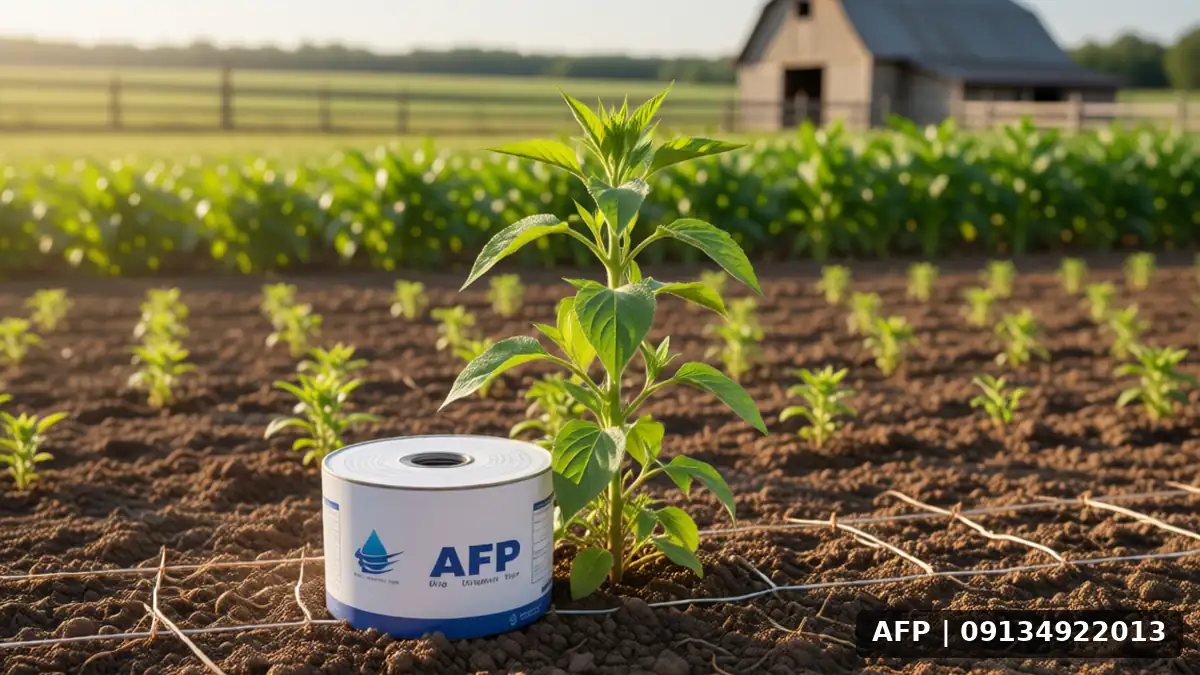
Yes, even on farms with high-density layouts, 20 to 50-meter hoses can be controlled sequentially. This method is ideal for farms experiencing pressure drop at the end of hoses, and the installation cost scales according to farm size.
Is the maintenance cost of the rotational system higher or lower?
The initial cost is slightly higher due to the need for solenoid valves and a central controller. However, in the long term, maintenance costs decrease with reduced pump wear and water loss. This savings is clearly visible in the first few years.
Is a soil moisture sensor required for rotational ridged irrigation?
Using a smart soil moisture sensor alongside the rotational system significantly improves water management accuracy and prevents over-irrigation. Real-time sensor data helps the controller accurately set the start and end times for each cycle.
Summary
Rotational irrigation in ridged cultivation It is not merely a technical method, but a strategic approach for the sustainable management of water resources in modern agriculture. By correctly dividing the farm, using appropriate ridge tapes, and planning precise timing, it is possible to reduce water consumption and control production costs while maintaining crop quality. Farmers seeking to increase efficiency and farm economic sustainability should examine the principles of this method more seriously. On the other hand, if you use a soil moisture system alongside ridged irrigation, the coordination of these two methods can be a turning point in your farm’s productivity. For more details about similar products, you can refer to relevant resources.
Related articles: qahvagi chora kkunanda miqdori hosilgiiri dar hektar noroi tiq, Potato yield per hectare: influencing factors + methods to increase, green beans seed quantity per hectare planting guide, dill seed per hectare factors increase yield