Rotational Irrigation in Basil Cultivation: Analysis of Advantages and Operational Principles Using Tape Tip
Introduction: The Necessity of Smart Water Management in Basil Cultivation
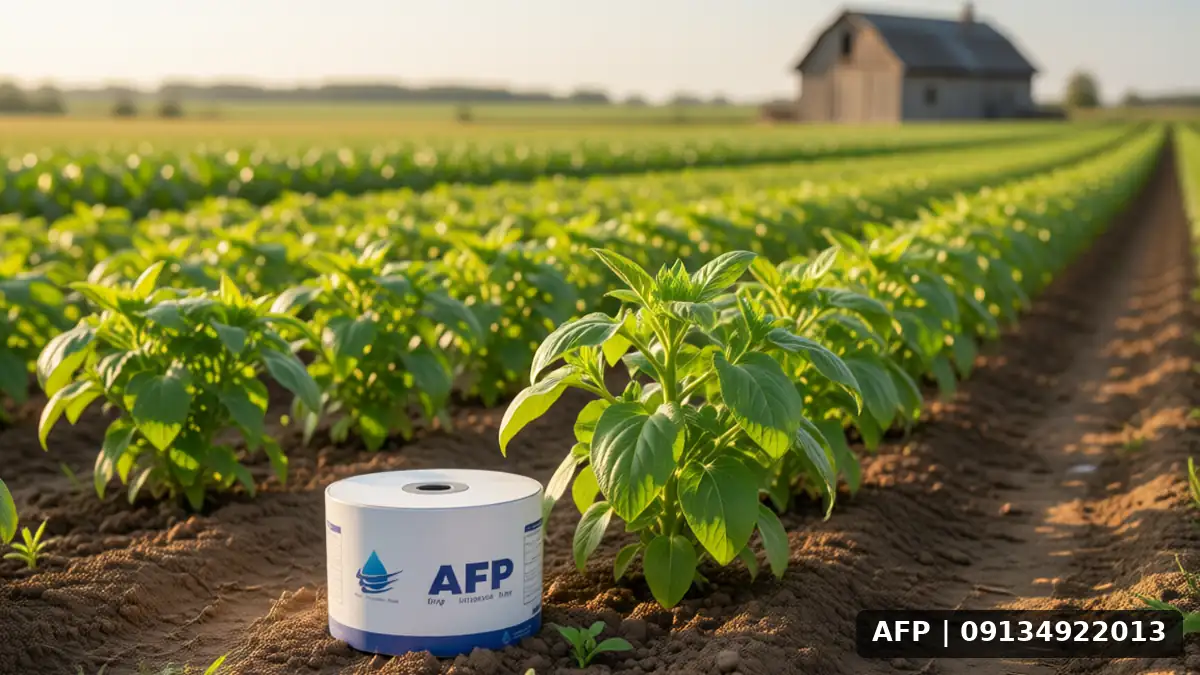
Basil (Ocimum basilicum) is a prominent medicinal and culinary plant whose growth is directly dependent on optimal water resource management. In recent years, due to the increasing scarcity of water resources, farmers have turned to modern irrigation techniques. Rotational irrigation for basil is one of the advanced methods that allows maintaining the necessary moisture in the rooting zone through regular irrigation repetitions in short time intervals. This technique is usually combined with drip irrigation system components using tape emitters to ensure uniform distribution of water and nutrients in narrow bands around the roots. The objective of this article is to precisely explain the benefits of this method and provide practical tips for its optimization.
Technical Principles of Rotational Irrigation and Its Compatibility with Tape Lines
Rotational irrigation refers to frequent, low-volume irrigation at short time intervals. This operates in contrast to flood irrigation, where a high volume of water is applied in one cycle. For basil, which has shallow surface roots, tape lines have high mechanical efficiency due to the proximity of the water discharge point to the root absorption zone.
Rationale for Selecting Tape Lines for Basil
- Delivery efficiency: Reduced surface evaporation due to limiting the wetted zone.
- Moisture control: Ability to precisely adjust water application according to early-stage plant needs.
- Salinity reduction: Prevention of salt accumulation around the plant, which is common in high-water-use irrigation systems.
For the correct design of this system, understanding flow rates and pipe diameters is critical. You can refer to the Guide to Water Yield per Hectare to learn how to calculate the appropriate flow rate for each hectare, which covers the basic principles of hydraulic calculations.
Key advantages of rotational irrigation in basil
Using this technique offers several advantages beyond water conservation:
- Improved nutrient uptake efficiency: Keeping the root zone consistently moist keeps soil nutrients continuously available to the plant. This is particularly critical during the vegetative growth stage of basil.
- Salinity stress management: Basil is sensitive to soil salinity. Rotational irrigation reduces the need for large water volumes for deep leaching because the concentration of undesirable substances cannot accumulate quickly in the root zone.
- Improved crop quality: Basil is a crop whose aroma and flavor depend directly on essential oil concentration. Water stress leads to reduced oil production and increased bitterness. Rotational irrigation prevents water stress, thereby preserving the medicinal quality of basil.
- Reducing Fungal Root Diseases: While excessive moisture is hazardous, extreme dryness also weakens the plant. The balance created by rotational irrigation does not create a suitable environment for pathogenic root fungi such as Phytophthora (provided there is adequate drainage).
Regarding the selection of precise system components, it is recommended to determine the appropriate drip irrigation band in consultation with an irrigation engineer, ensuring that the slot size is fully coordinated with the pipe diameter and soil type.
Practical and Operational Implementation Notes for the System
Determining the Irrigation Frequency and Intervals
Determining the irrigation interval depends on climate conditions, soil type, and plant class. Generally, for basil in clay soils, irrigation every 1 to 3 days is recommended; however, in sandy soils, the intervals should be shorter (4 to 6 times a day at a very low flow rate) or repeated daily. The most important point is to avoid completely saturating the soil in a single session.
Pressure and flow management
Drip tape systems require low pressure and stable flow. Using a pressure regulator is essential to prevent the erosion of drip tape grooves. Excessive pressure reduction can cause insufficient water infiltration at various depths. To ensure the accuracy of system discharge calculations, refer to the article on drip irrigation discharge levels to verify that the actual flow matches the nominal flow.
Filtration infrastructure
Drip tapes are prone to clogging. Always use appropriate filters (disc, sand, or mesh filters alongside them). Clogging of the drip tape line causes dry spots and uneven plant growth, which is unacceptable in industrial basil cultivation.
Impact on growth and economic efficiency
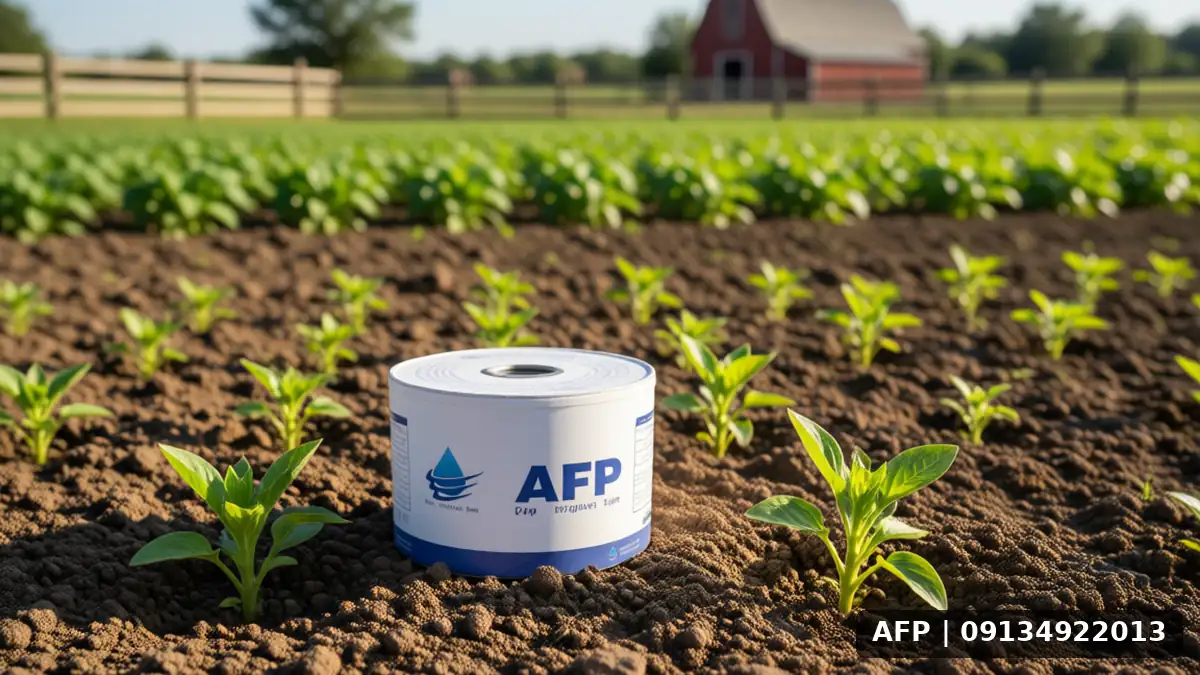
A key question is whether these systems are economically viable on a commercial scale. According to various reports, precise resource management can lead to maximized yields. Although basil is classified as a low-water-use crop, its quality is directly dependent on soil health. You can compare this with other crops, such as Irrigated wheat yield per hectareUnderstand how water efficiency in high-value crops such as basil is enhanced through modern techniques. While wheat is a high water-consuming crop, basil can achieve a higher yield per cubic meter of water used through rotational management.
Frequently Asked Questions (FAQ)
Is rotational irrigation effective in all seasons?
In colder seasons, the water requirement for basil decreases, and the irrigation frequency should be reduced to prevent root freezing and aphid growth. In the warm season, the number of irrigation applications increases to prevent plant heat stress.
How much of a difference does the cost of micro drip vs. drip irrigation make in initial expense?
Micro drip tape is generally cheaper than perforated drip emitters because of its simpler structure and lower requirement for precise plastic components. However, drip emitters provide more accurate flow control. Choosing between the two depends on the level of precision required.
Is it possible to use fertigation with this system?
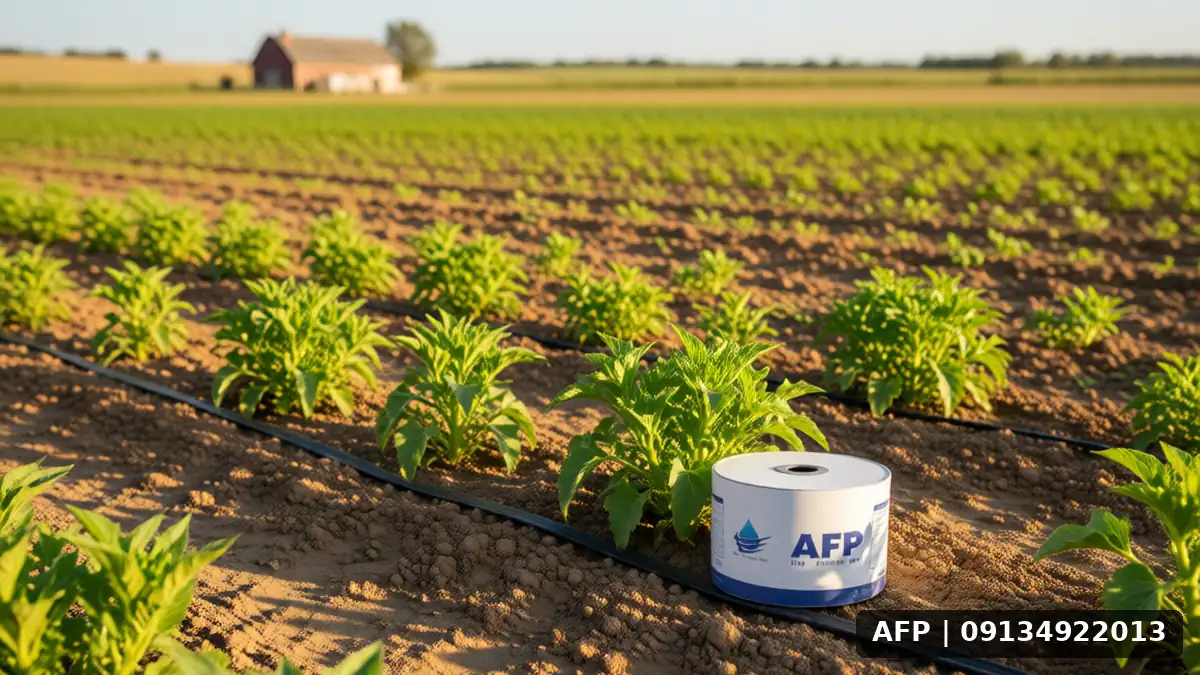
Yes, rotational irrigation provides the optimal time for foliar spraying, as the active root system reaches peak nutrient absorption. Injecting fertilizer through a drip line system delivers exceptional efficiency.
Conclusion
Implementation Rotational Drip Irrigation for Basil In addition to drip lines, this innovative and economical approach is beneficial for intensive agriculture. This method not only conserves water resources but also promotes root elongation by reducing environmental stress, thereby enhancing the final product quality. The successful implementation of this system requires precise hydraulic calculations, proper filter maintenance, and regular adjustment of the irrigation cycle. Given basil’s strategic market position in the medicinal and food industries, investing in these precision irrigation techniques ensures long-term farm competitiveness and profitability.
Related content: green cumin seed amount per hectare planting care, How to Determine Drip Line Irrigation Points