Rosemary Irrigation via Tiphane Strip: A Comprehensive and Specialized Guide
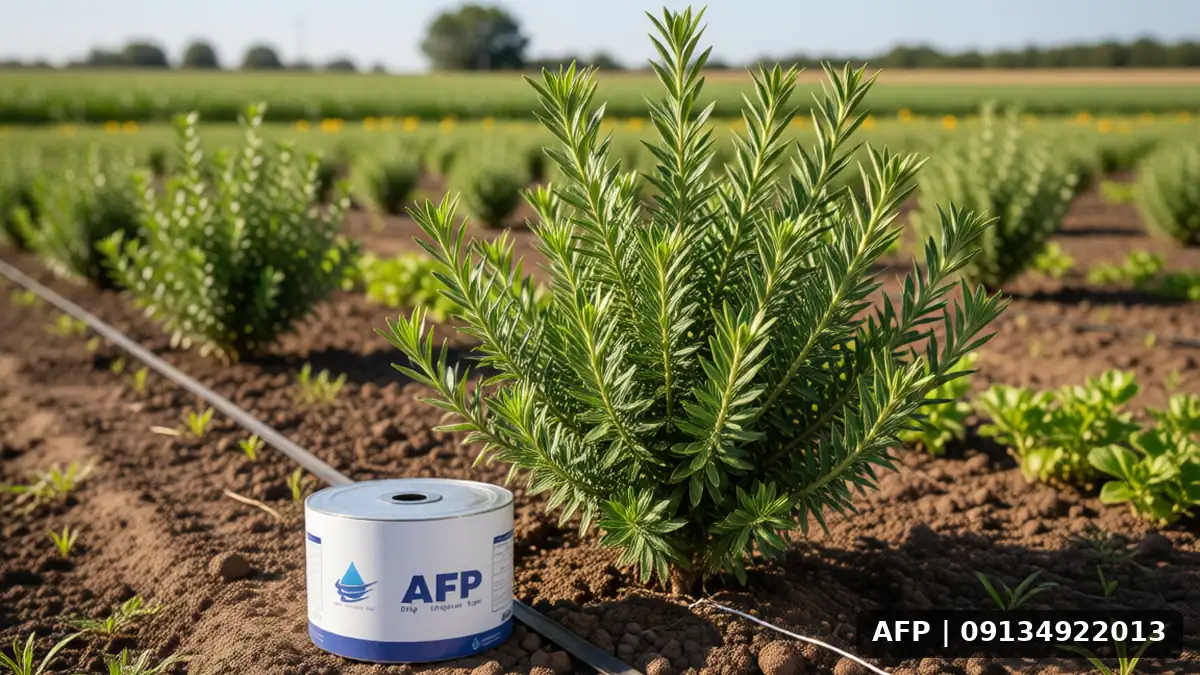
Introduction to the importance of proper irrigation in rosemary cultivation
Rosemary (Rosmarinus officinalis) is one of the most popular medicinal and aromatic herbs in the world, renowned for its relatively high drought tolerance. However, the common perception that rosemary requires no precise moisture management is incorrect. To maximize the yield of essential oil and preserve aroma, Irrigation of rosemary must be controlled and precise. The use of modern technologies, such as drip lines, enables direct water delivery to the root zone and prevents water stress under harsh climatic conditions. This article examines the applications and technical principles of moisture irrigation in cultivating this plant, providing a comprehensive guide for farmers. Understanding these principles not only helps reduce water consumption but also ensures the final quality of the product. Rosemary is one of the plants that loses its aromatic and flavor quality if moisture is mismanaged; therefore, selecting an appropriate irrigation method is an integral part of farm management.
Technical principles of moisture irrigation in rosemary
Impact on vegetative and floral growth
Rosemary is a plant sensitive to fluctuating soil moisture. Drip irrigation maintains moisture stability within the root zone. This stability allows the plant to direct its energy toward the production of active chemical compounds (such as pinene and camphor) rather than merely attempting to find water. Studies indicate that a uniform increase in moisture can raise the volatile oil content by up to 15 percent. This process requires high precision in agricultural measurements. To better understand the impact of climate on water requirements and how to accurately calculate quantities, you can refer to the article on the yield of Hamadan alfalfa per hectare, which also emphasizes the importance of precise irrigation calculations for medicinal and forage crops. Understanding these calculations is vital for optimizing water use in rosemary fields and significantly reduces the waste of scarce water resources. Additionally, paying attention to the irrigation coefficient and the planting density in each region plays a decisive role in determining the required precision.
The role of drip tape in moisture stability
Drip tape is made of polyethylene with small, adjustable emitters that deliver water to the soil at low pressure and a steady rate. Compared to sprinkler systems, it minimizes evaporation. In rosemary cultivation, which is typically done in rows, drip tape is easily installed at an appropriate distance from the center of the rows. Proper design of the pipeline network is the first step in creating a sustainable system. To familiarize yourself with the advantages of this system compared to conventional methods and to better understand the technical parameters, it is recommended to read the article Required water quantity per hectare study. This comparison shows that water efficiency in drip line systems is up to 40% higher than in conventional systems. This reduction in water use lowers production costs and protects the environment. Furthermore, reduced water use means a lower pumping energy demand, which in turn reduces the carbon footprint of agricultural production.
Practical applications and implementation notes
Determining standard spacings
One of the main challenges in drip irrigation of rosemaryis determining the appropriate drip line placement from the roots. Rosemary roots are deep and extensive. Typically, the drip line is placed at a distance of 10 to 15 cm from the plant growth axis. This distance must be adjusted based on soil type and land slope. In large plots, aligning spacing with planting density is critical. To better understand spacing principles for other crops and how they apply to deeper root systems, you can refer to the guide on drip line spacing in beans Review the settings; the general hydraulic principles for this crop are closely similar to those for rosemary, although the exact intervals differ based on root depth. Fine-tuning these intervals ensures water reaches all root zones, preventing rot or desiccation. Additionally, soil texture and drainage rates must be considered when determining these intervals to prevent waterlogging around the stem.
Pressure Management and Flow Interference
Because drip tapes with small diameters (such as 1/2 or 1/4 inch) are sensitive to pressure fluctuations, the filtration and pressure regulation systems must be designed with precision. Pressure variations can lead to harmful leaks or emitter clogging. Using regulating valves at the start of the main lines compensates for pressure drops. If you use larger diameter drip tapes, monitoring the output flow at the end of the tape is essential to prevent uneven irrigation. Pressure management is a critical component of system design. Technical issues related to the useful life of these systems are detailed in the article ‘How to Extend the Useful Life of Drip Tape,’ which is recommended for long-term system maintenance in rosemary fields. Adhering to maintenance protocols minimizes the risk of tape failure. This article also examines suitable filters and lateral flushing cycles, which are vital for maintaining the health of drip tapes in rosemary systems. Furthermore, selecting appropriate materials for connections enhances the system’s resistance to chemical degradation.
Irrigation Scheduling Table by Season
Frequently Asked Questions (FAQ)
Is residual drip irrigation better for rosemary?
Yes, residual drip systems (where some water remains in the drip line after irrigation stops) can be beneficial during dry summer conditions because they retain moisture for later use. However, you must ensure that this residual water does not cause root rot during wet seasons. Balancing soil moisture and aeration is key to the success of this method. This approach is particularly important in low-rainfall areas where rosemary develops deep roots.
When should the drip tapes for rosemary planting rows be replaced?
The best time for replacement is before the new growing season. If rosemary is grown as a perennial, review the drip tapes at shorter annual intervals (e.g., every 2 to 3 years) to address blockages. Additionally, a physical inspection of the tapes for holes and abrasions is mandatory. If continuous water leakage is observed at various points on the tape, full replacement is recommended. This prevents long-term yield losses.
Can fertigation (irrigation and fertilization) be used simultaneously?
Using fertigation in the drip tape system is a highly efficient method for fertilizing rosemary. Since rosemary is sensitive to chemical fertilizers, it is best to use low-dose, multi-stage fertilizers. This method improves nutrient absorption and prevents root burn. Combining irrigation and fertilization significantly increases final yield. Furthermore, the use of water-soluble organic fertilizers can improve soil quality in the long term and reduce the need for chemical fertilizers.
Conclusion and final recommendations
Implementation of systems Irrigation of rosemary Based on the tip line, this not only reduces irrigation costs but also improves the quality and quantity of the yield (whether as ornamental or medicinal plants). The key is maintaining moisture consistency within the root zone. For those designing irrigation systems for other medicinal crops, reviewing the guide to tip line spacing in beans can provide a good overview of hydraulic principles, although precise rosemary settings require greater attention to moisture control. Additionally, understanding how your local climate affects water requirements is critical; studying the article on Hamedani alfalfa yield per hectare serves as an example of these calculations. Finally, maintaining the useful life of the tip line through proper filtration and stable pressure ensures long-term investment returns. Following the scientific and practical principles presented in this article is a significant step toward sustainable and profitable agriculture. Also, paying attention to soil health and nutrient cycling is an essential part of this integrated approach.
Related articles: Hamedani alfalfa yield per hectare, Rice and wheat variety Four-Sided Hamedani alfalfa D8AFD8B1 seed rate per hectare