Rapeseed Seed Rate per Hectare: Comprehensive Guide
Introduction and the Importance of Precision Canola Seeding
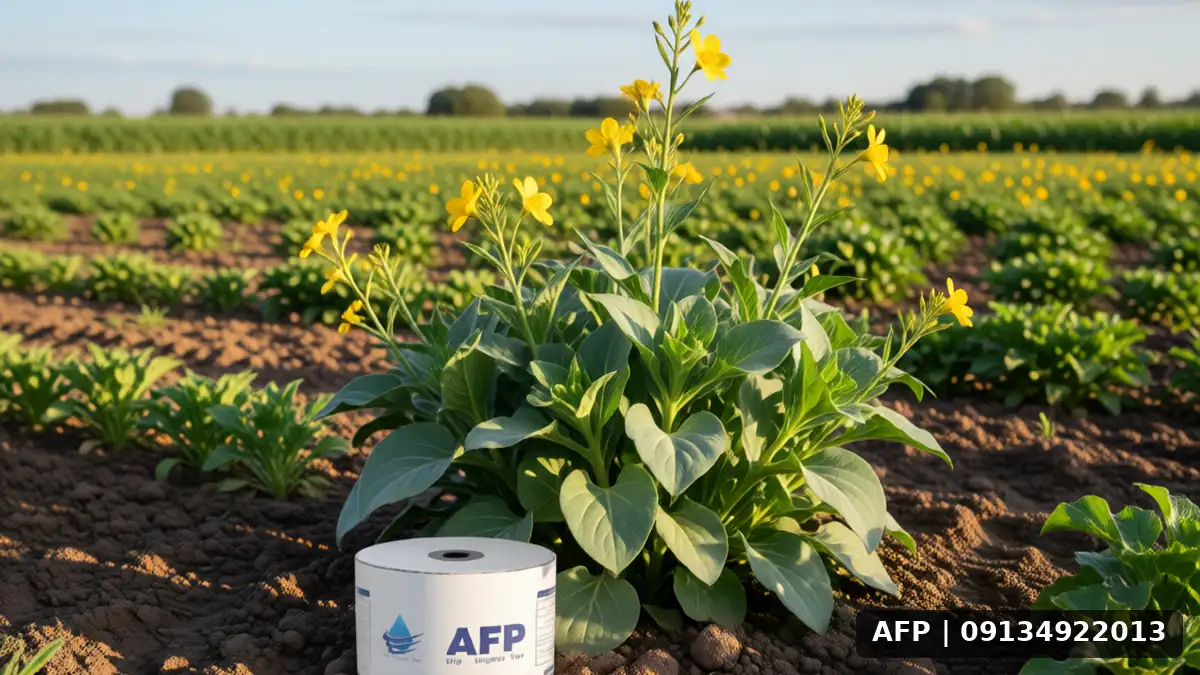
Canola is a key oilseed and strategic crop in Iran’s food and industrial supply chain. Its cultivation is particularly important in many regions with semi-arid and arid climates. To achieve economic and environmental efficiency, a precise understanding of the canola seed rate per hectare is vital. This parameter is not a fixed number but a variable determined by bioecological factors, seed quality, planting technologies, and water management methods. The amount of seed sown directly affects plant competition, the speed of achieving full canopy closure, disease resistance, and ultimately the final seed and oil yield. Excessive seeding leads to poor density, increased fungal diseases, and weak plant growth, while seeding below the standard provides an opportunity for weed growth and reduces yield. This comprehensive guide aims to provide a scientific and practical framework to help farmers better understand the interactions between various factors and select the optimal planting density for their fields. By focusing on the principles of new precision agriculture and smart water management, this article goes beyond traditional recommendations and outlines practical solutions for reducing costs and improving crop quality.
Analysis of Factors Influencing the Determination of Canola Planting Density
Determining the final canola seed rate per hectare is a multidimensional process where the following factors play a key role:
- Seed characteristics: Seed size, thousand seed weight, germination vigor, and seed purity. The lower the germination vigor, the greater the need to increase the sown seed rate to achieve the desired final density.
- Regional climatic conditions: In areas with adequate rainfall and fertile soils, crops exhibit greater vertical growth potential, allowing for lower planting density. However, in drier regions, higher density is necessary to create shade and conserve soil moisture.
- Soil bed and drainage: Both well-drained clay soils and sandy soils with high leaching rates require specific seed rate adjustments to ensure optimal root establishment.
- Harvest objective: Rapeseed cultivation for producing refined oil, protein meal, or for flowering purposes may necessitate different density strategies. A grain-focused objective generally requires medium to high density.
Reference table of seed rates based on conditions
Under standard climatic conditions in Iran, the general recommended range is 15 to 22 kg per hectare, but these figures are variable:
Technical analysis of sowing methods and their impact on planting accuracy
Sowing technology is the main pillar of precision in seed distribution. In older manual or semi-automatic sowing systems, seed distribution has a high standard deviation. This unevenness causes seed accumulation in some areas of the field and gaps in others. Therefore, to ensure the desired final density, we are forced to use a theoretical seed rate above the required amount to prevent losses due to irregular density. Conversely, the use of modern and precise sowing implements equipped with depth and spacing control systems enables uniform distribution. This accuracy allows the farmer to ensure uniform field coverage using less seed. This is of particular importance for expensive or rare seeds. Optimizing the sowing process is the first step in managing input costs and increasing overall farm yield.
Operational comparison of manual and mechanical sowing
Field data indicates that in manual sowing, seed loss due to improper depth and irregular distribution can increase by up to 20 percent. To compensate for this deficit, farmers often need to increase the seed quantity, which can itself lead to intense competition among young plants and stem weakness. On the other hand, precision seeders with proper aeration and depth adjustment enable uniform sowing at depths of 2 to 4 centimeters, which is the ideal condition for establishing canola crops. This technical precision allows for a 15 to 25 percent reduction in seed usage without a decrease in final yield. To better understand sowing interactions with other crops, reading the article [Green Bean Seed Rate per Hectare](https://navar-abyari.ir/%d9%85%d9%82%d8%af%d8%b1-%d8%a8%d8%b0%d8%b1-%d9%84%d9%88%d8%a8%db%8c%d8%a7-%d8%b3%d8%a8%d8%b2-%d8%af%d8%b1-%d9%87%da%a9%d8%aa%d8%b1/) can provide a broader perspective on input management in mixed cropping systems.
The Strategic Role of Drip and Tule Irrigation in Moisture and Seed Management
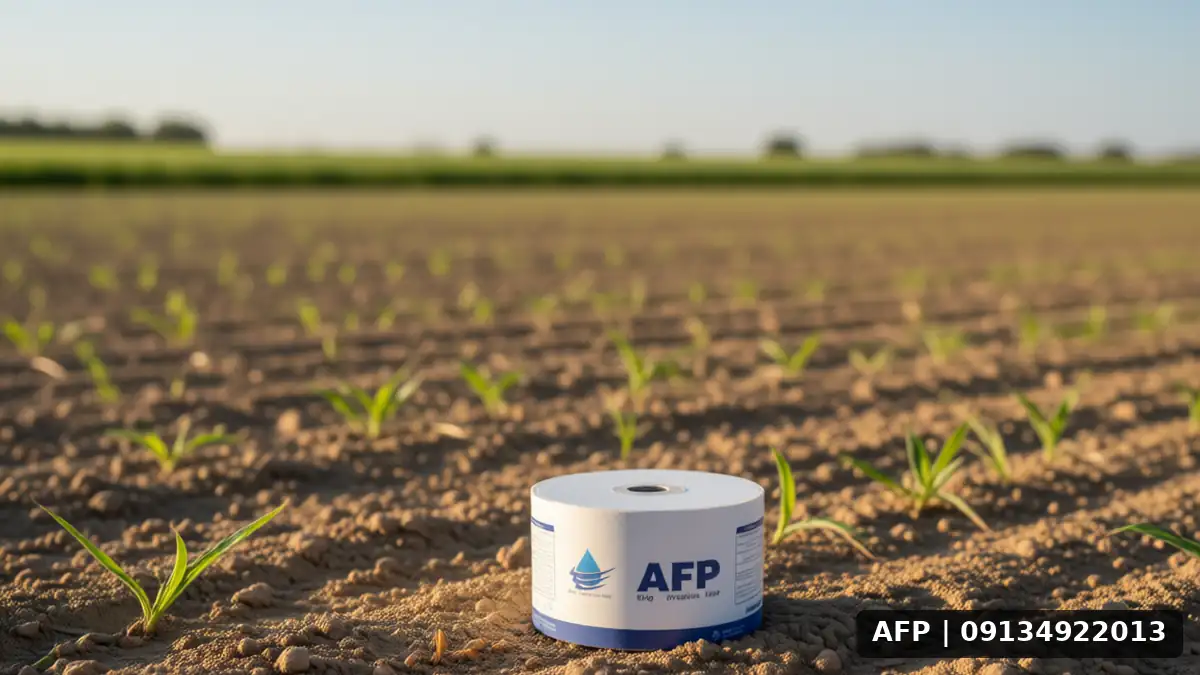
The synergy between irrigation and cropping is one of the most critical axes of precision agriculture. Drip and tape drip systems, by creating a stable moisture environment in the root zone, alter the required initial planting density. In fields utilizing tape drip, moisture density in the root zone increases, which accelerates germination and reduces the need to compensate for losses with higher density. Consequently, a lower seed quantity can be used because the yield potential per plant increases due to better access to water resources. This method also reduces stress on pipes and equipment, thereby extending the service life of irrigation systems. Proper management of this process requires a mutual understanding of soil water physics and the physiological needs of canola. Farmers are recommended to design their irrigation infrastructure to align with the canola planting pattern using the [Tape Drip Installation Guide](https://navar-abyari.ir/%D9%85%D8%B1%D8%A7%D8%AD%D9%84-%D9%86%D8%B5%D8%A8-%D9%86%D9%88%D8%A7%D8%B1-%D8%AA%DB%8C%D9%BE/).
Mutual Optimization of Planting and Irrigation
Combining optimal planting density with precision irrigation does not have a cumulative effect; rather, it has a multiplicative effect on increasing yield. When roots are well-established and not under severe competition for traffic, effective water use decreases and seed quality improves due to the absence of nutrient deficiency in the mid-growth stage. This systems approach also reduces economic risks resulting from weather variability.
Practical Strategies to Reduce Risk and Increase Efficiency
To achieve maximum yield from canola seed, the following protocols must be implemented:
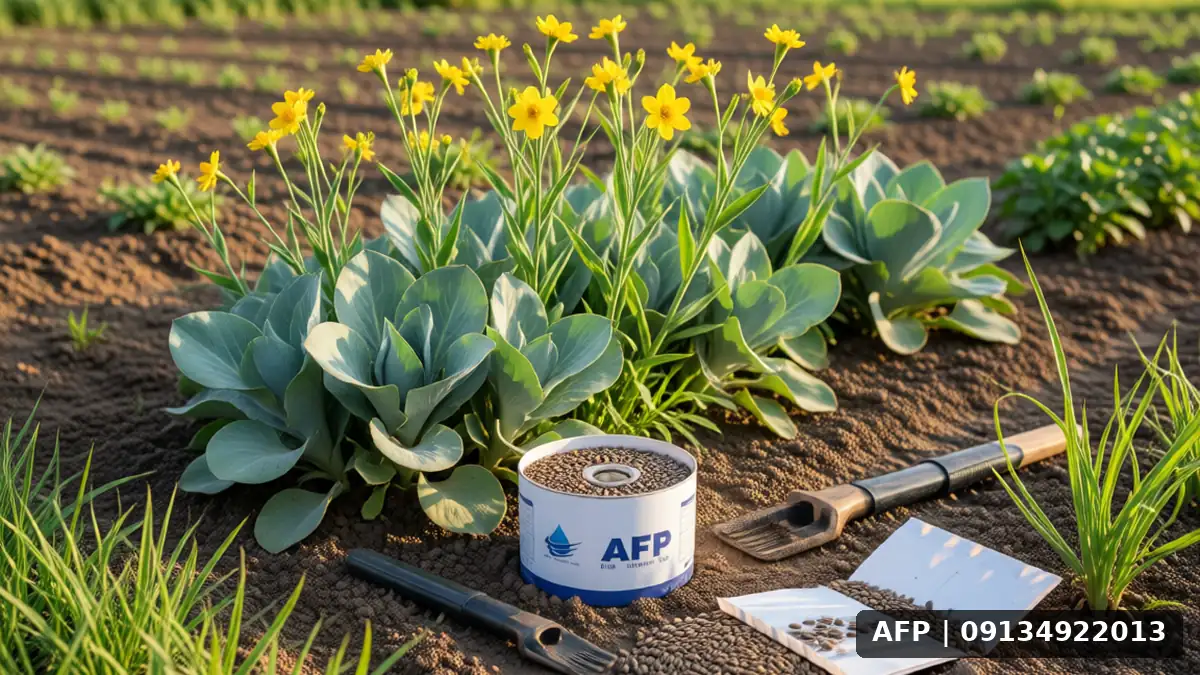
- Pre-purchase seed quality control: Use certified seeds with a germination rate above 92% and high purity. Every 1% decrease in vigor directly reduces final density and increases the seed rate required.
- Precise seedbed preparation: Appropriate plowing and drilling to create a soft and uniform seedbed. The presence of stones or soil clods varies planting depth and leads to uncontrolled stand loss.
- Integrated weed management: Pre-planting chemical or mechanical weed control reduces competition for canola plants, allowing lower stand densities without reducing field coverage.
- Early monitoring and correction: Use drones or visual inspections in the initial weeks after planting to identify thin spots and implement corrective actions if necessary.
Answers to frequently asked questions from farmers
Precise calculation of seed requirements using scientific formulas
For accurate calculation, the standard agronomic formula is used: seed rate (kg per hectare) = (required seed count per square meter × seed weight) divided by 10,000. The required seed count is determined based on the target final density (per square meter) and seed viability. This method eliminates guesswork.
Direct impact of drip irrigation on crop economics
Yes, drip irrigation reduces evaporative stress, thereby increasing root efficiency. This allows the farmer to achieve equivalent yield with a 10 to 15 percent reduction in initial seed quantity. For a better understanding of the technical process, refer to [drip irrigation installation guide for Areq](https://navar-abyari.ir/drip-irrigation-tape-installation-steps-ariq/) to ensure the installed system aligns with plant needs.
Optimal planting windows in various regions
In cold regions, sowing from late autumn to early winter is recommended to allow the plant to undergo winter dormancy with a strong crown. In warmer regions, sowing should be timed so that the peak fertility period avoids the hottest part of summer. Adherence to the local phenological calendar is essential.
Conclusion and Future Outlook
Determination Rapeseed seed rate per hectare It is an art that requires a combination of climate, soil, and technology knowledge. Executing the aforementioned principles, from selecting high-quality seeds to utilizing smart irrigation, paves the way for sustainable and profitable farms. Large-scale farmers adopting precision-focused approaches will be able to reduce investment risks and increase the quality of the produced oil. The future of rapeseed cultivation in Iran is inextricably linked to the integrated management of resources and the application of new technologies. It is recommended to expand your knowledge and leverage experiences from other crops by studying [Lentil seed rate per hectare](https://navar-abyari.ir/%d9%85%d9%82%d8%af%d8%a7%d8%b1-%d8%a8%d8%b0%d8%b1-%d8%b9%d8%af%d8%b3-%d8%af%d8%b1-%d9%87%da%a9%d8%aa%d8%b1/) and resources related to the [Guide to Increasing Irrigation Tape Lifespan](https://navar-abyari.ir/afzaliyathoi-lentai-qatragi/), transforming your view of the farm into an industrial system.
Related articles: Чӣ тавр муҳлати истифодаи лентаи обёриро зиёд кунем?, Lentil seed rate per hectare: A comprehensive guide and key points, Related article Related article Related article Related article D8AFD8B1 Related article, Drip Line Maintenance and Costs