Rainwater Irrigation via Runoff in Rosemary Cultivation: Key Prerequisites
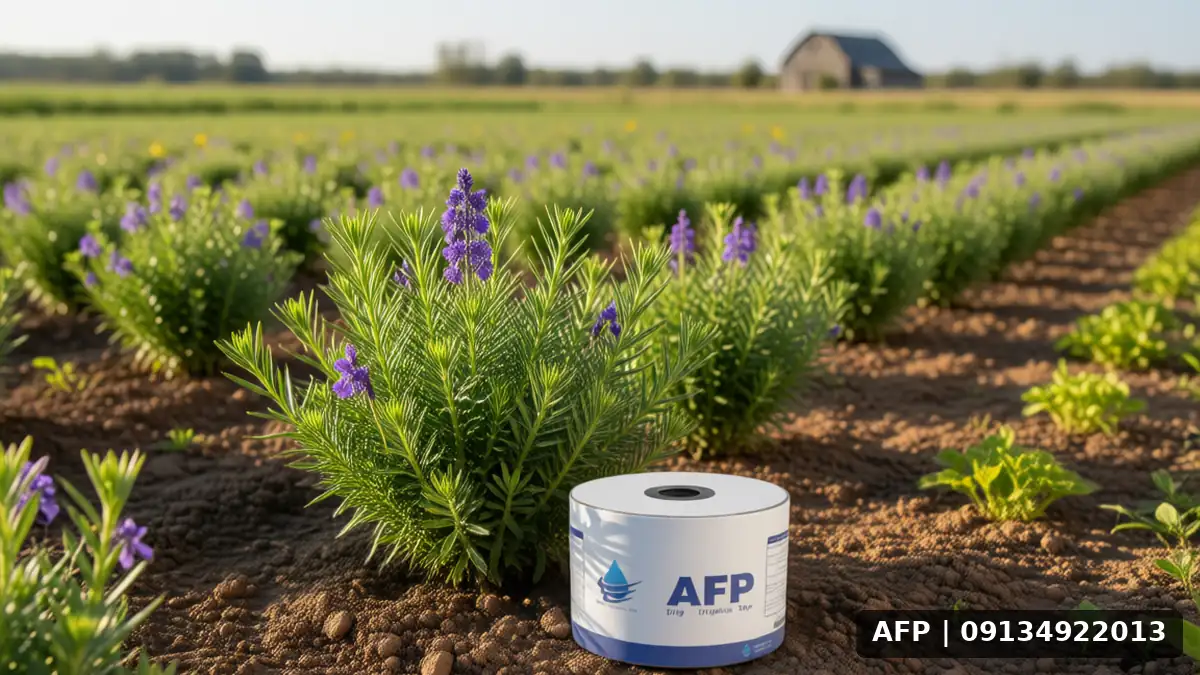
Introduction to run-off rain irrigation in rosemary cultivation
Rosemary is an aromatic medicinal herb that is considered a suitable option for commercial production in semi-arid regions due to its relative drought tolerance and specific requirement for controlled moisture. In recent years, modern irrigation methods aiming to mimic natural rainfall have attracted significant attention. One such method is run-off rain irrigation which uses specific pressures and spray angles to ensure water droplets land on the crop canopy and soil in a way that maintains the plant’s moisture equilibrium while reducing erosion of the topsoil layer due to runoff. This method is particularly applicable to plants like rosemary, which have deeper root systems and respond positively to uniform moisture distribution. However, before implementing such a system, it is critical to understand the technical prerequisites, suitable soil beds, and correct pressure and spray range settings to prevent unnecessary costs and damage to the plant.
Technical and field prerequisites
Before installing any irrigation system, the dimensions and technical specifications of the field must be precisely measured and analyzed. In run-off rain irrigation, there are multiple variables that, if ignored, can severely reduce the system’s effectiveness. The first and most important prerequisite is determining the bed slope . Rosemary is typically planted in long furrows or beds with a gentle slope to prevent roots from experiencing salt stress and waterlogging. If the bed slope exceeds one percent, the potential for water and soil runoff increases, and it is essential to use surfactant-reducing agents or fine-tune the spray angles to reduce droplet impact velocity.
Soil Texture and Drainage Analysis
Rosemary soil must have adequate drainage. The layout of sprinkler systems (such as small rain simulators) must be adjusted based on soil infiltration depth. In clay and heavy soils with low permeability, using high pressures in sprinkler systems leads to water accumulation on the surface and increased erosion; therefore, the primary prerequisite is using lower pressures and frequent but short-duration scheduling. For crops like rosemary, which are highly sensitive to poor drainage during the early growth stage, a soil infiltration depth profile analysis is recommended. To better understand the importance of seeding and planting in different soil conditions, you can study the article on one seed corn per hectare as an example of the effect of bed changes on the water and soil process.
Rain Gun Pressure and Flow Rate Settings
One of the key prerequisites in rain gun irrigation with erosion control is the correct adjustment of the system’s working pressure. Sprinklers designed to simulate rain usually have specific flow rates and spray ranges. For rosemary, the optimal pressure range is between 1 and 3 bar to ensure water droplets are fine enough to minimize soil erosion. If the pressure exceeds this range, the kinetic energy of the droplets increases, blasting the soil cover aside. Additionally, selecting the appropriate flow rate to prevent root washout while simultaneously creating sufficient moisture at a soil depth of 10 to 20 cm is important. In this regard, for comparison with other crops, study factors affecting the production of lentils per hectare and increase methods can provide a general view of the impact of irrigation methods on final yield.
Practical Implementation Points for the System
After completing the design phase and calculating technical prerequisites, the practical implementation of the sprinkler irrigation system begins. In this stage, adhering to several key points ensures that rosemary crop performance reaches its maximum. The following items are explained in order of importance:
- Avoiding water droplets on leaves: During hot and dry periods, the sprinkler system should be adjusted so that droplets do not land directly on the rosemary leaves to prevent the risk of fungal diseases (such as powdery mildew and rust). If avoiding this is difficult, irrigation should be avoided during peak heat hours.
- Using drip lines for root moisture prerequisites: To allow rosemary roots to establish at depth, combining the sprinkler system with drip lines (or micro-sprinklers) can be effective. This method acts as a moisture prerequisite for deeper soil layers, while the sprinkler system handles only surface water supply.
- Runoff control with vegetative covers: Applying organic mulch (such as rice hulls) between rosemary rows creates a protective layer that reduces the speed of soil runoff caused by raindrop impact. This is an important prerequisite for preventing soil erosion.
Comparison with drip irrigation
Although drip irrigation is superior in terms of water efficiency, strip and spray methods are sometimes selected for rosemary cultivation because aromatic and medicinal plants like rosemary require moisture spread across the soil surface to maximize organic matter uptake. Runoff in surface irrigation methods can cause nutrient accumulation in the root zone, but if not controlled, it leads to soil loss. In this regard, familiarization with the principles of surface runoff which refers to surface strip irrigation, can help in understanding the differences between these methods. Strip methods adjust their technical prerequisites by changing the pressure of the distributors.
Root prerequisites and appropriate seed selection
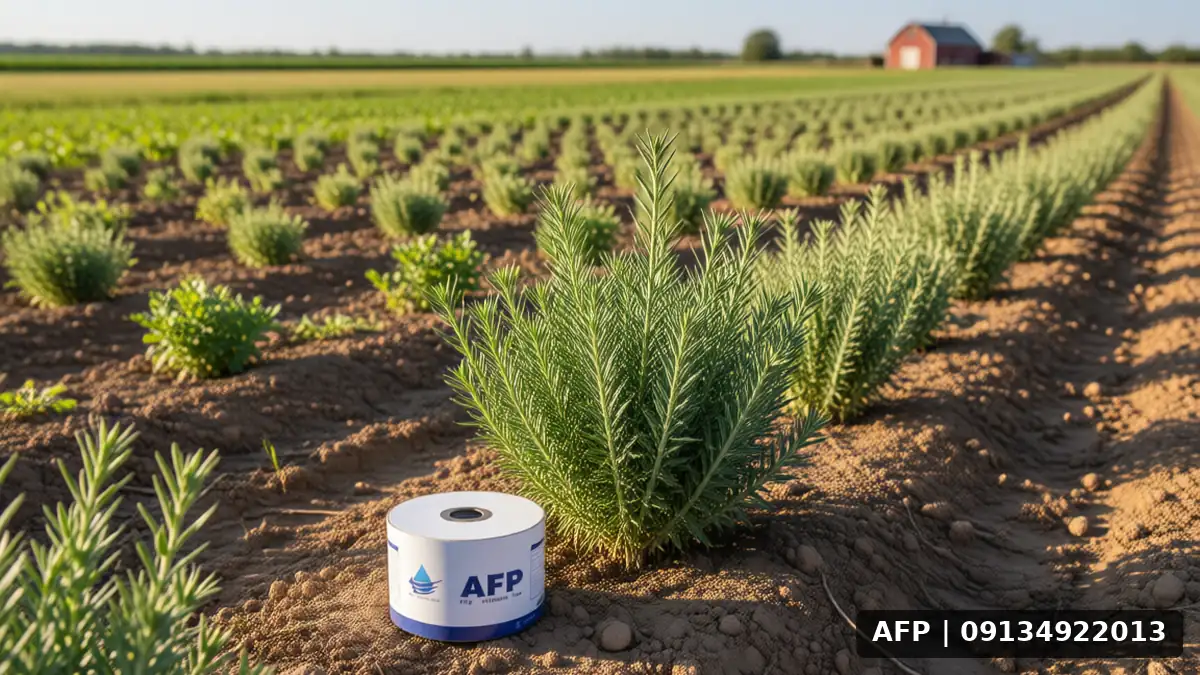
In rosemary cultivation, selecting seeds or seedlings suitable for farm conditions is a necessary prerequisite for success in any irrigation method, including spray irrigation with runoff. Rosemary roots have relatively high sensitivity to excessive wetness; therefore, the spray system must be calibrated to create a dry-wet cycle. In fields with clay soil and slow root establishment, the use of seeds with greater tolerance to drainage stress is recommended. On the other hand, if you are dealing with sensitive roots in other contexts, studying the seeding rate of hamdani alfalfa per hectare and influencing factors can provide insight into how seed selection is based on soil and water. In rosemary, planting density and root depth must always be adjusted based on the spray system’s ability to deliver moisture to that depth; therefore, the main prerequisite is the geometric compatibility of the distribution system with the plant bed.
Frequently Asked Questions (FAQ)
Is spray irrigation with runoff better than drip irrigation for rosemary?
Both methods have their advantages. Drip irrigation is preferable for rosemary in sandy, low-moisture soil conditions where root precision is required. However, sprinkler irrigation, if proper bed preparation and anti-erosion prerequisites (such as vegetative cover) are met, can yield better results due to uniform surface moisture and stimulation of lateral roots. The choice between the two depends on soil type, slope, and budget.
When is the best time to use the sprinkler system for rosemary?
The optimal time to use sprinkler systems is in the early morning to allow water to evaporate more quickly and reduce the risk of erosion. Additionally, in cold seasons when rosemary growth is slower, reducing spray volume and increasing the interval before harvest is an important prerequisite in moisture management.
Should lateral tape be used for irrigating rosemary?
Lateral tape can be used as a complementary method. If the lateral tape is combined with an appropriate emitter pressure (approximately 1 to 2 bar), it prevents water accumulation around the stems and can reduce soil erosion along the tape line. This prerequisite is of double importance in sloped areas.
Conclusion
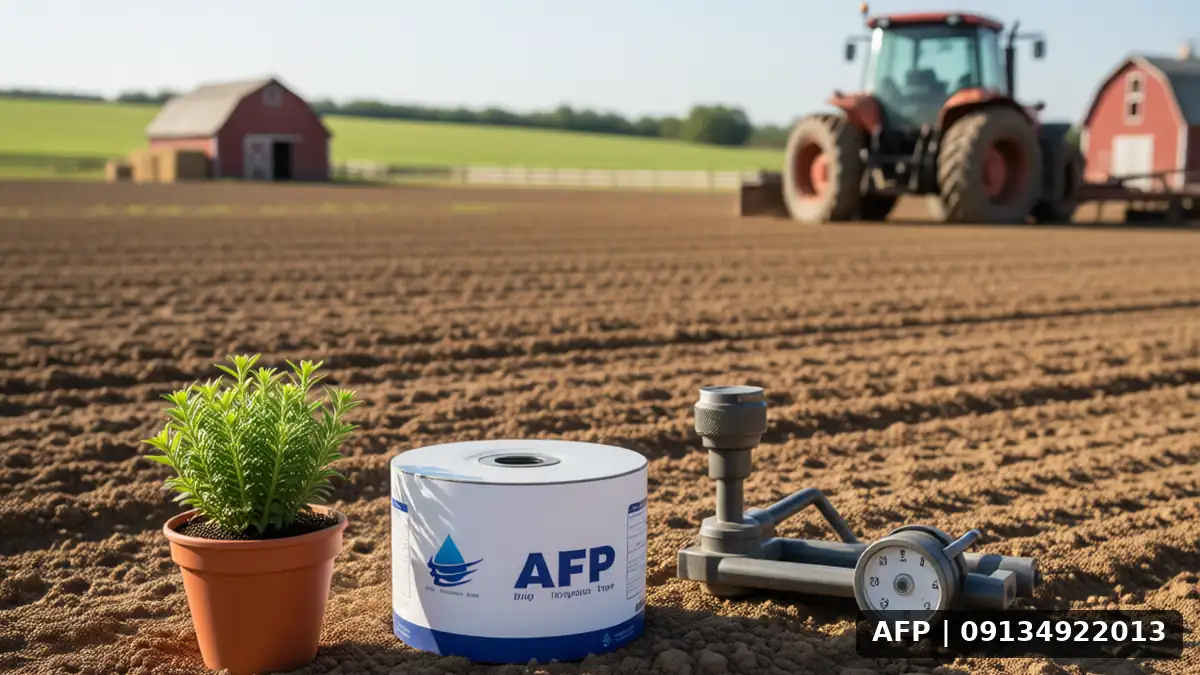
Rainfed irrigation with erosion in rosemary cultivation is a combination of water, soil, and plant science. Success in this method depends on strict adherence to technical prerequisites such as bed slope, distributor pressure, soil type, and seed density. Rosemary requires consistent moisture but suffers from waterlogging and severe erosion; therefore, a system design based on suitable beds and precise calculation of parameters will yield positive results. Using reference data, such as yield per hectare, can be useful for estimating root moisture needs. Expand your knowledge in this area to ultimately harvest higher-quality, healthier rosemary.
Related articles: Flood-irrigated lentil yield per hectare: A comprehensive guide to increasing production, oval watermelon yield per hectare iraq