Rainwater Irrigation for Basil Cultivation: Key Tips for Maximum Productivity
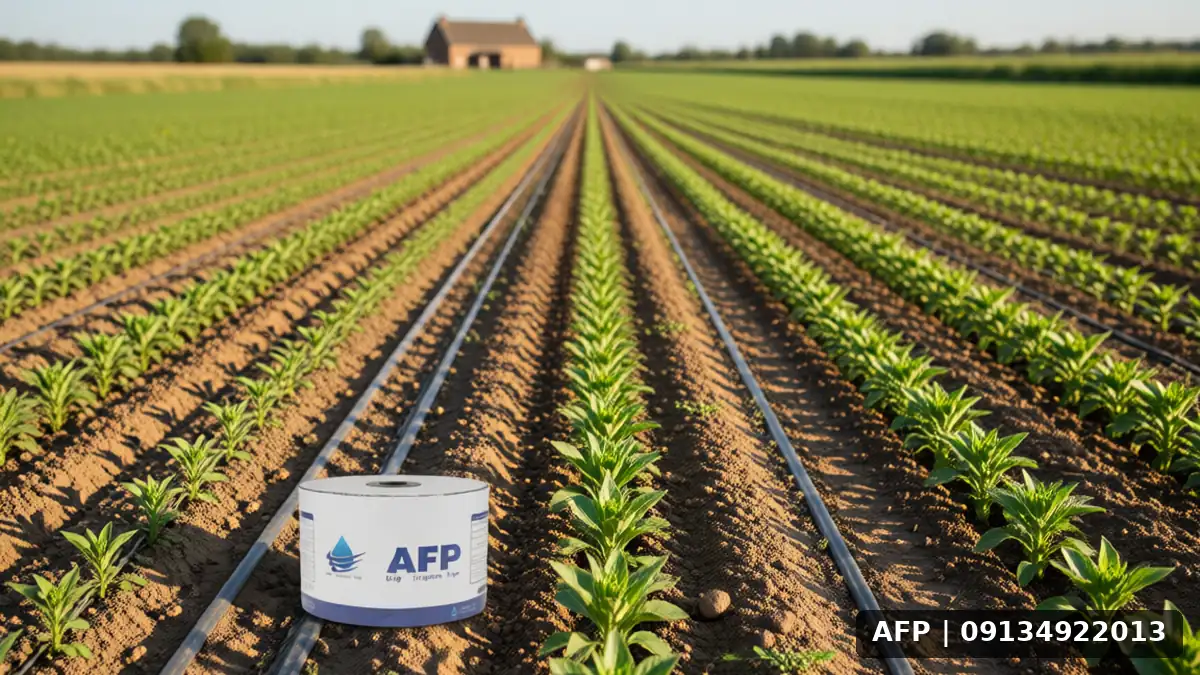
Introduction to the Importance of Smart Water Management in Basil Cultivation
Basil (Ocimum basilicum) is a high-demand medicinal plant that, due to its shallow root system and delicate leaf structure, is highly sensitive to sharp fluctuations in moisture levels. In modern agriculture, the use of traditional flood irrigation methods or even sprinkler systems (spray irrigation), which are colloquially known by the general public as rain-style irrigation for basil often leads to undesirable side effects such as collar rot, downy mildew infection, and a reduction in the aromatic intensity of the final product. The primary reason for this is the direct wetting of leaves and the creation of high relative humidity within the plant canopy. On the other hand, drip and micro-sprinkler irrigation systems, which are considered the most precise form of water management, deliver moisture directly to the root zone. This method not only prevents surface soil drying, which can cause chaffing in young seedlings, but also reduces water consumption by up to 40% compared to flood irrigation methods. In this comprehensive article, aiming to correct the general understanding of the term ‘rain-style irrigation’ and replace it with correct technical principles, we examine the details of designing, installing, and operating suitable irrigation systems for basil farms. Our goal is for farmers to achieve the best yield from every liter of water and guarantee the quality of their basil in the target market through a deeper understanding of water physics and plant bio-physiology.
<>
Strategic Advantages of Using Drip Systems in Basil Farms
- Epidemiology Control: Preventing leaves from remaining wet and reducing the surface-to-surface spread of fungal and bacterial diseases that threaten basil.
- Yield Efficiency (KID): The ability to precisely and instantaneously control the delivery of water and nutrients to the plant, leading to uniform growth and simultaneous harvest.
- Root stability: Maintains moisture stability in the root zone, which is critical for plants with shallow root systems like basil and helps prevent drought-stress shocks.
Selecting the appropriate dripper should be based not only on planting spacing, but also on soil type and regional temperature. For basil, Anti-Drift drippers with a constant flow rate of 2 liters per hour are generally the best option, as their flow rate is not affected by fluctuations in pipe pressure. Additionally, understanding crop yield is essential for accurately calculating water requirements and planning irrigation cycles. You can use the article analyzing yield per hectare for medicinal plants (focusing on rosemary and basil) to better understand the relationship between moisture and crop biomass.
Key tips for implementing proper drip irrigation (as an alternative to rain irrigation)
Precise scheduling of irrigation
Basil is a long-day plant that exhibits higher photosynthetic activity and water demand during the early morning and late evening hours. Drip irrigation should preferably be performed during these times to minimize evaporation from the soil surface and ensure water is directly accessible to the roots. Using smart electronic controllers connected to soil moisture sensors allows you to adjust the irrigation cycle based on plant stress. On hot summer days, instead of increasing the water volume in a single application, it is better to increase the frequency of irrigation while reducing the duration of each session; this allows roots to recover and prevents anoxia caused by soil profile saturation. Additionally, avoiding irrigation during midday hours when evaporation is high prevents waste of resources.
Depth, stability, and pipe selection
In industrial basil cultivation, the engineering of water transmission lines plays a vital role. The use of hoses with appropriate thickness and PVC-Resistant quality is essential. Three-inch pipes are highly suitable for main lines due to their high resistance to pressure and wind. Proper installation of these pipes and welding of connections leads to uniform water distribution along the rows. To learn about technical features, brand comparisons, and the installation of these pipes, read the article Three-inch hose buying guide: Application, benefits, and installation tips . Incorrect pipe selection can lead to increased pressure loss at the end of the line, resulting in insufficient water delivery to the final emitters.
<>
Technical inspection of emitters, filtration, and appropriate pressure
One of the common challenges in basil irrigation is the clogging of micro-drip emitter holes with silt particles, calcium deposits, and biological contamination. Therefore, equipping the system with appropriate filters (such as 120-mesh organic filters or spring sand/silt filters) at the system head is critical. The driving pressure in the lines must not be below 2 bar or above 4 bar. Low pressure causes irregular dripping and failure of radial drippers, while high pressure leads to water splashing and increased evaporation around the drippers, which contradicts the philosophy of drip irrigation. For this reason, precise adjustment of the Pressure Regulator at the beginning of each Branch Line is recommended to ensure stable pressure delivery to the drippers. For a better understanding of filtration systems and water supply, you can refer to the guide for Technical Assessment of Basili Yield per Hectare which also addresses water requirement analysis based on performance.
For intercropping systems where basili is grown alongside other vegetables such as beans or cucumbers, the drip emitter flow rate must be adjusted according to the root depth of each plant. Bean roots are shallower, whereas cucumber roots are deeper. You can review the guide for Tipe Drip Tape for Beans: Drip Irrigation Guide to gain a better understanding of vegetable root behavior, as the general principles are similar to basili, but there are minor differences in timing and water dosage that require Zone Management.
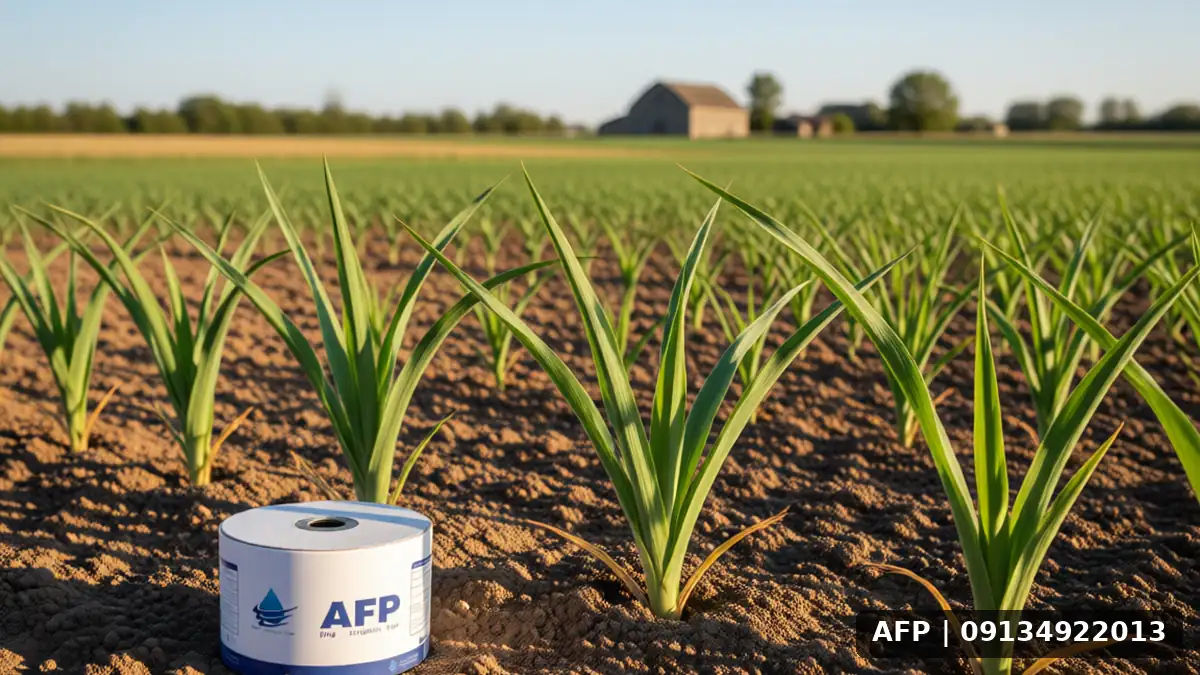
Practical Tips for Farmers and Drainage Management
- Smart soil moisture status detection: Before each irrigation, check soil moisture to a depth of 5 to 10 cm. If the soil is dry, activate the water. Basil is highly sensitive to severe water stress and wilts quickly, which reduces essential oil quality. Using soil moisture sensors prevents water waste.
- Fertigation: Use drip irrigation precision to inject soluble fertilizers. Basil is sensitive to calcium, magnesium, and iron deficiencies. Calcium deficiency causes spotting on young leaves and reduces shelf quality of the product. Frequent application in small doses is better than heavy, infrequent fertilization.
- System inspection and flushing: Flush the drip emitters and main line with citric acid or vinegar every 3 months to prevent chemical and biological clogging. This practice doubles the useful life of drip systems.
- Drainage management: Ensure adequate floor drainage. Basil is sensitive to waterlogged roots, and root rot progresses rapidly under anaerobic conditions. For a better understanding of pipe layout and its relationship to drainage, read Shahram’s article on Type Strip: Analysis of Correct Line Layout, which covers hydraulic principles and line grading.
<>
Frequently Asked Questions (FAQ) about Basil Irrigation
Is sprinkler irrigation better than drip irrigation?
No. Traditional sprinkler irrigation is not recommended for basil under any circumstances. This method wets the leaves and increases the risk of rot and fungal diseases. Drip irrigation and lateral lines have absolute superiority because they maintain moisture in the root zone. Even when the term ‘sprinkler’ is used for lateral systems, it refers to precise water distribution, not spraying on the plant canopy.
What is the appropriate dripper spacing for basil?
Given the planting density of basil (usually 30 to 40 cm row spacing), a dripper spacing of 30 or 40 cm along the line is recommended so that the soil wetting zones merge. The flow rate of each dripper is also 2 liters per hour. If lateral lines are used, the width of the wetted band must be less than 60 cm.
Can I use one system for basil and other vegetables?
Yes, but you must adjust the flow rate and irrigation duration separately for each section. Leafy plants like basil require more frequent and ample water, while root vegetables like radish need less frequent but deeper irrigation. For comparison with canopy and root vegetables like cucumber, see the guide Comprehensive Drip Irrigation Guide for Cucumbers and study it, as cucumbers require deeper roots and a different water requirement pattern than basil. Zoned management solves this challenge.
Conclusion and Final Recommendations
Implementing modern irrigation systems for basil cultivation is a high-yield investment that reduces labor costs, decreases water usage, and improves product quality. Focus on basil drip irrigation with correct interpretation, it means using precise and indirect methods like drip irrigation, which improves product quality in terms of aroma, shelf life, and commercial value. Dear farmers can upgrade their knowledge of irrigation for other vegetables by reading supplementary resources such as the guide to the complete lentari guide for Fabaceae vegetables, or enhance their understanding of irrigation for other vegetables. Ultimately, the key to success is continuous monitoring of the system, precise pressure calibration, and adapting it to the region’s climatic conditions.