Rainfed Irrigation in Okra Cultivation: Challenges and Risk Management Strategies
Introduction: The Unfortunate Overlap of Okra and Irregular Rainfall
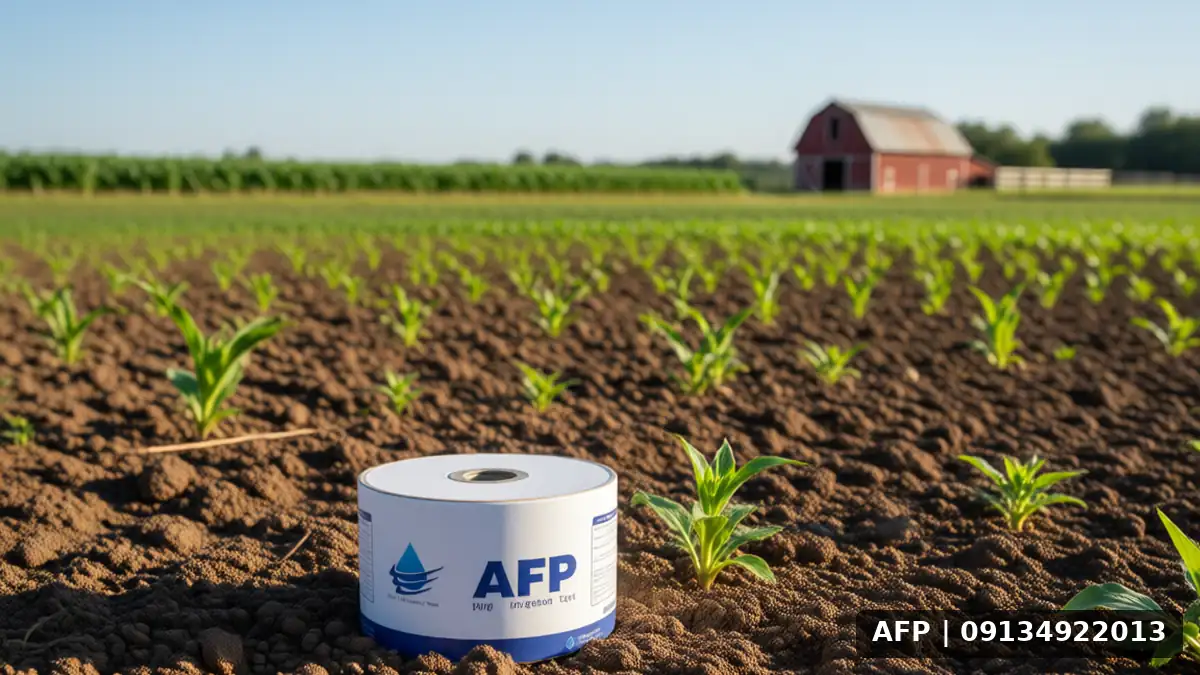
Okra is a high-yielding and sensitive legume that depends heavily on environmental conditions. Many farmers plant it in rainfed areas, assuming the plant can be managed naturally; however, reality tells a different story. Rainfed irrigation of okra This refers to relying solely on seasonal rainfall, where there is no control over the timing, amount, or intensity of precipitation. For okra, which requires stable root moisture, this situation can be catastrophic. The following provides a roadmap to better understand these challenges and transition to more precise irrigation systems. The goal is for farmers to use detailed data analysis to move beyond natural risks and achieve real yields in water-scarce conditions.
Specialized analysis of rainfed irrigation challenges in okra
1. Fluctuating moisture stress
Rainfall in most regions of Iran occurs in stormy and intermittent patterns. These fluctuations cause okra roots to experience waterlogging and severe drought alternately. This stress directly leads to flower abortion and a reduced fruiting rate. In contrast, pressurized irrigation systems, such as various drip irrigation types, allow for precise water volume control. Managing soil inflow reduces physiological stress on the plant and ensures uniform growth. Additionally, reducing temperature fluctuations in the root zone minimizes the plant’s energy consumption for internal regulation.
2. Outbreaks of fungal diseases and powdery mildew
High leaf humidity following heavy rain creates an ideal environment for spore proliferation and fungal disease development. Okra irrigated via rain methods without precise chemical management becomes susceptible to rust and fungal leaf spots, which drastically reduce the commercial value of the crop. Managing relative humidity around the plant through root-zone irrigation is the most effective preventive strategy. Root-zone irrigation keeps the air around stems dry and interrupts the chain of tissue-to-tissue disease transmission. This approach reduces the need for repeated fungicide applications and optimizes production costs.
3. Soil Erosion and Nutrient Leaching
Direct impact of raindrops on the soil around the okra planting site causes soil structure breakdown and sheet erosion. Leachable nutrients such as nitrogen and potassium are washed out of the root zone, leading to nutritional deficiencies in the plant. In conventional farming, using subsurface or controlled surface irrigation systems prevents this phenomenon. To better understand the differences, you can review the article Subsurface Irrigation which explains methods for protecting soil and maintaining soil structure stability. Preserving soil structure is vital for root penetration and infiltration.
Performance Comparison: Rain Irrigation vs. Sub-Soil Systems
Irrigation system selection should be based on soil type and regional climate. For highly permeable sandy soils, using properly slotted drip tape lines is critical. In this regard, familiarity with types of drip tape It helps you select an appropriate strip for your agricultural conditions. The drip strip, by uniformly distributing water in the root zone, prevents deep water loss. Additionally, under saline conditions, regular leaching with the drip strip directs salts to non-active depths.
Practical tips for risk management in rainfed cotton cultivation
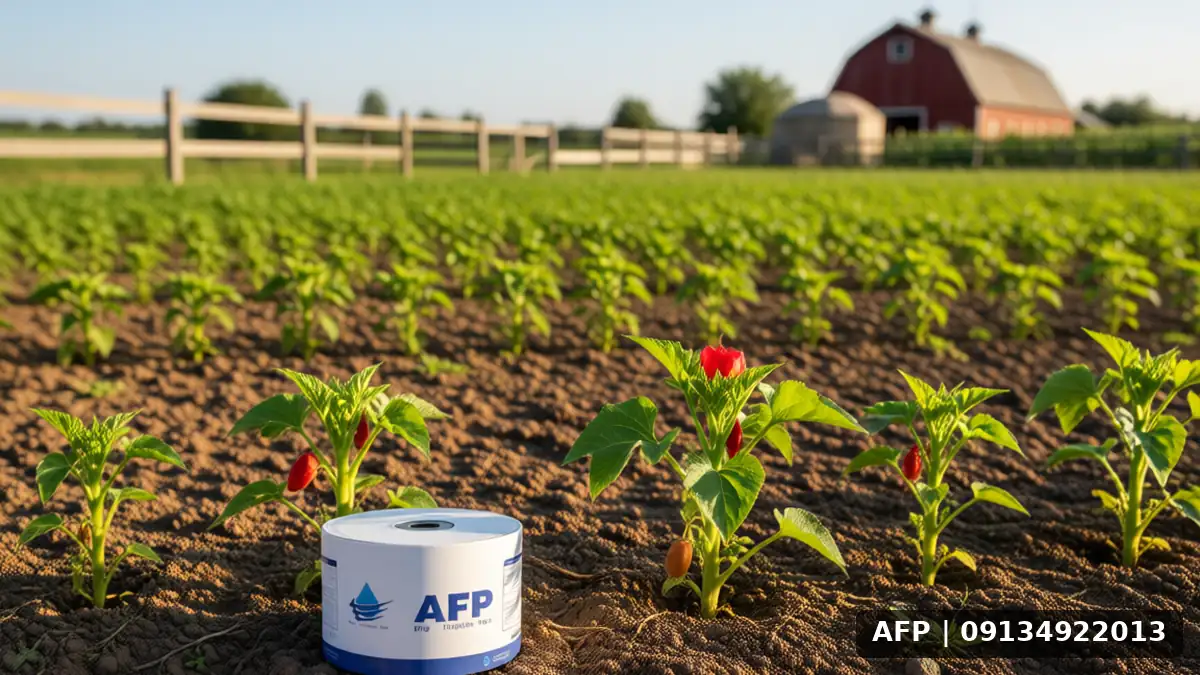
- Bed stability: In rainy conditions, it is recommended to create high beds (approximately 20 centimeters) to retain moisture after rainfall and prevent water leakage to non-active depths. This increases root wetting duration and reduces the frequency of supplementary irrigation.
- Agricultural covers: The use of agricultural mulches to reduce evaporation and maintain stable root temperature is essential, even in rainy conditions. Mulch not only stores moisture but also partially controls weed growth and prevents soil crusting.
- Planting timing: Schedule okra planting for seasons where maximum rainfall coincides with peak crop water demand (typically the flowering stage). This overlap reduces moisture stress during the sensitive reproductive phase.
- Moisture monitoring: Using soil moisture sensors for periodic monitoring allows you to utilize supplementary irrigation sources, even if limited, when rainfall is insufficient. Precise monitoring rather than guesswork mitigates drought risk.
To avoid high initial costs of mechanized irrigation systems, you can use precise weather data analysis to optimize planting density per hectare, compensating for rainfall deficits. Appropriate stand density creates a balance between competition and efficiency.
Alternative solutions: Saving okra with drip lines
Many farmers assume that switching from rainfed to drip irrigation is a major investment. However, considering higher yields per unit area and reduced waste, this transition accelerates savings in ancillary costs (pest and disease management). For okra, which has high root oxygen requirements, drip irrigation via open furrows is recommended. Review related articles such as Pumpkin yield levels demonstrate how significantly drip irrigation systems can impact final produce volume and weight. This model applies to okra, where precise flow rate adjustment minimizes crop yield variability.
Frequently Asked Questions (FAQ)
Does okra perform better in heavy clay soils under rain irrigation?
No. Heavy soils become waterlogged during intense rainfall, weakening the okra base. Loam soils with proper drainage are more suitable, but mechanized irrigation management still yields better performance.
How many times per week does okra require irrigation?
In standard systems, depending on the climate, okra requires precise irrigation 1 to 3 times per week. This frequency can eliminate rainfall fluctuations during the rainy season and ensure moisture stability.
Conclusion: Transitioning from Risk to Control
Okra rainwater irrigation, while having no initial cost, carries high variability in yield, quality, and even plant survival. Disease risks, erosion, and moisture fluctuations are risks that cannot be tolerated in modern agricultural economics. Moving toward pressurized irrigation systems, even on a small scale, is a tool for transforming into a more transparent and profitable marketing approach. By investing in information and equipment, you can move beyond the risk of relying on rain and supply high-quality produce to the market under any conditions. This approach ensures economic stability for the farmer.
Related Content: lushkashirizi rola takashavanda