Rainfall Irrigation in Wild Onion Cultivation: Key Considerations
Introduction to sprinkler irrigation of green onions
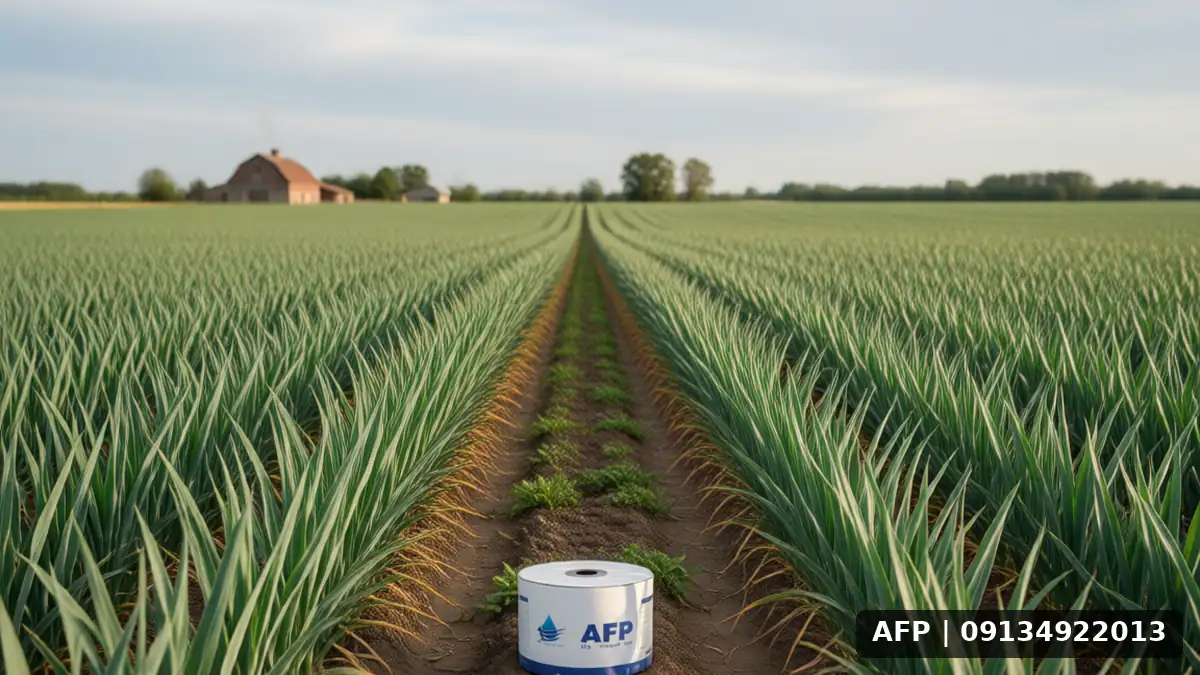
Green onion cultivation is an important branch of agriculture in Iran that has always attracted farmers due to high domestic and export market demand. Choosing the appropriate irrigation method plays a decisive role in increasing the yield and profitability of this crop. Among the various methods, Sprinkler irrigation still has widespread application due to lower installation and maintenance costs compared to advanced systems. However, is sprinkler irrigation optimal for green onions? In this section, we review the most general points regarding this method.
Sprinkler irrigation, using small sprinklers and hose lines, distributes water as small, uniform droplets in the space around the plant. This method mimics natural rainfall and keeps green onion roots moist. However, it requires precise management of timing and flow rate to prevent evaporation and water waste. Farmers seeking cost-effective solutions can maximize the benefits of this method by studying the key points below.
Review of technical principles and advantages of sprinkler irrigation for green onions
For the successful implementation of sprinkler irrigation in green onion fields, adhering to specific technical principles is vital. One of the most important of these is determining the appropriate distance between nozzles and the ground surface. The recommended distance is typically between 40 and 60 centimeters to protect leaf temperature from direct spray and ensure moisture reaches the roots. Additionally, selecting nozzles with appropriate droplet size (for example, 2 to 4 millimeters) allows water to infiltrate the soil slowly rather than running off the surface.
- Reducing initial costs: Sprinkler irrigation systems are generally less expensive than drip or tape systems.
- Simplicity of installation and maintenance: Due to the absence of complex electromechanical components, troubleshooting and repairs are easier.
- Suitable for flat lands: In fields with low slope, uniform water distribution along the lines is more feasible.
On the other hand, understanding the disadvantages of this method is critical for making the right decision. Sprinkler irrigation in hot and windy conditions leads to significant evaporation and water drift. Additionally, direct sprinkling of water on leaves can cause the spread of fungal diseases such as blight. Therefore, farmers should avoid this method during the peak heat of the day and schedule irrigation for late afternoon or early morning.
Impact of sprinkler irrigation on root establishment and growth of leek
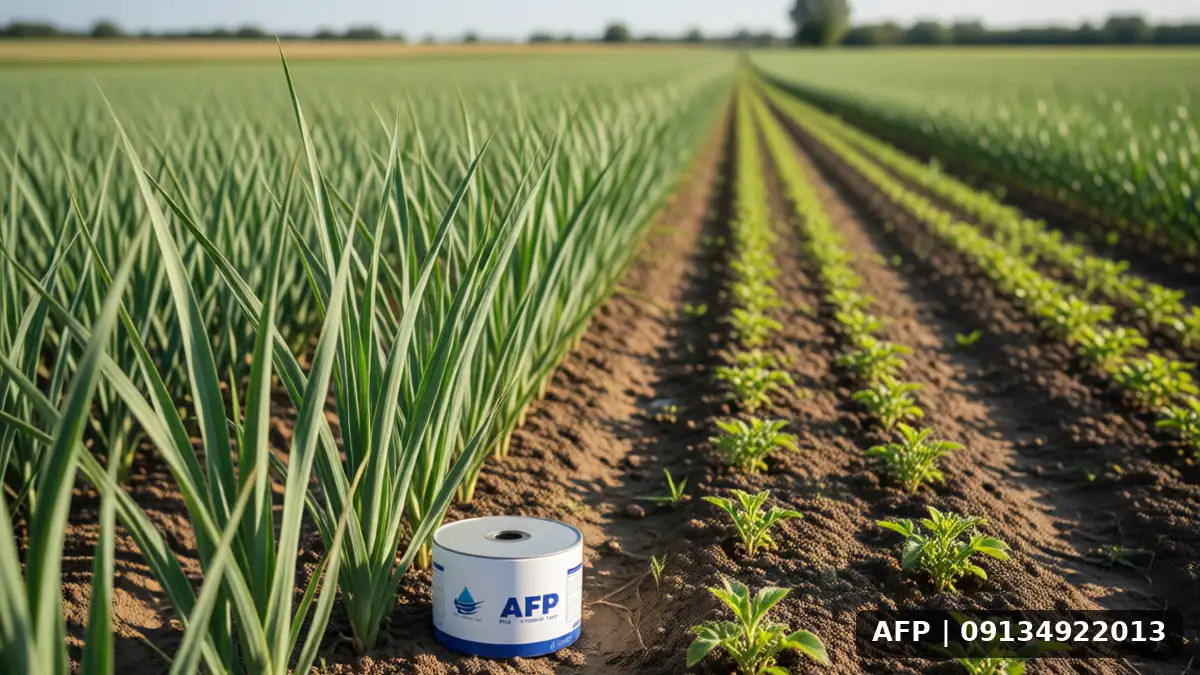
Leek is a plant that has deep and strong roots for nutrient absorption. Sprinkler irrigation, by distributing moisture evenly at shallow to medium depths, helps strengthen the root system. Nevertheless, for maximum growth, combining sprinkler irrigation with Fertigation can have positive effects on stem and leaf growth. Farmers can refer to the comprehensive guide article for a better understanding of irrigation and fertilization principles. Buckwheat Yield per Hectare: A Comprehensive Guide to Improving Performance and Profitability Review these to understand similar algorithms.
Comparison with Modern Irrigation Systems
While sprinkler irrigation is simple, more modern systems such as drip lines offer better control over soil moisture. Familiarity with the components of these systems can provide a better perspective on water resource management. If your fields present challenges regarding drainage and slope, examining the components of a drip irrigation system using drip lines may be beneficial. Both methods have specific advantages, and the final choice should be based on local conditions.
Practical Tips for Improving Sprinkler Irrigation Performance
To achieve the best results from sprinkler irrigation in Musi rice fields, it is essential to observe the following practical points:
- Irrigation Timing Management: Do not irrigate during the hottest hours of the day (10 AM to 3 PM). The optimal times are midnight or early morning.
- Optimizing Water Flow Rate: Adjust the flow rate of main lines to ensure that pressure does not drop significantly behind the nozzles. Pressure loss causes raindrops to become heavy and large, which can damage leaves.
- Maximum Water Efficiency: Multi-row plastic mulching can reduce evaporation by up to 30 percent. This method is particularly recommended for warm and dry regions.
- Monitoring Soil Moisture: Using a tensiometer or moisture sensor, check the moisture level at a depth of 20 centimeters. The goal is to maintain moisture at 60 to 70 percent of field capacity.
In addition to irrigation tips, planting at an appropriate density plays a significant role in increasing yield. Seed density per hectare can impact final productivity. Study regarding Garlic seeding rate per hectare: Methods to increase yield It helps you achieve a balance between planting density and required irrigation. Higher planting density increases water demand, requiring the sprinkler irrigation system to distribute water with greater precision.
Preventing Common Issues and System Optimization
One common issue with sprinkler irrigation is clogging of nozzles and pressure regulators. To prevent this, using polymeric or mesh filters with appropriate density (e.g., 120 mesh) is essential. Additionally, adding a scale inhibitor to the water source can extend equipment lifespan. Periodic flushing of the system with weak chlorine (100 parts per million) helps eliminate biofilms and algae.
For farmers aiming to reduce the risk of fungal diseases, balancing air circulation and humidity is crucial. Sprinkler irrigation can increase local relative humidity. A simple solution is to reduce spacing between lines to enhance leaf drying speed. In some cases, combining sprinkler irrigation with limited subsurface irrigation can manage root-zone moisture without increasing surface humidity. For a deeper understanding of irrigation management in similar crops, refer to the tape drip irrigation guide for potatoes which provides good insight into the principles of water delivery to roots, although garlic has its specific characteristics.
Frequently Asked Questions (FAQ)
Is rainwater irrigation recommended for onion in autumn?
Yes, rainwater irrigation in autumn, when temperatures are moderate, is highly efficient. During this season, evaporation risk is low, and moisture penetrates better to the roots. However, monitor that over-irrigation does not cause root rot.
Can sewage water be used for rainwater irrigation of onions?
Using sewage water without sufficient treatment can cause clogging of nozzles and plant diseases. It is recommended to always use treated or municipal treated water. If sewage water is used only for low-cost irrigation, ensure the use of stronger filters.
What duration is sufficient for each round of rainwater irrigation?
This depends heavily on the climate, soil type, and air temperature. Generally, 2 to 4 hours is recommended for sandy soils, and 1 to 2 hours for heavy soils. Monitor soil moisture to adjust the exact times.
Does rainwater irrigation require high pump pressure?
Yes, sprinkler irrigation with medium pressure (approximately 1.5 to 3 bar) performs well. This is a significant advantage because it reduces the cost of high-pressure pumps. Compared to drip irrigation system components that require more precise pressure, the sprinkler system offers greater flexibility.
Summary and future approach
Sprinkler irrigation in chive cultivation is a cost-effective and efficient solution, particularly for farms with limited budgets and flat land. Adhering to key points such as scheduling, nozzle spacing, and using filters can prevent common defects in this method and ensure optimal moisture levels. While advanced systems like drip and tape irrigation perform more optimally, sprinkler irrigation still holds a special place in Iranian agriculture.
For farmers seeking to increase yield, attention to seed density and moisture management are the two main pillars of success. Studying related articles such as Sweet pepper yield per hectare: influencing factors + methods to increase it can give you a general overview of the principles for increasing yields in high-demand vegetables. Since both chives and sweet peppers are crops with specific irrigation needs, understanding the common concepts between them can help improve farm management.
Finally, it is recommended that you optimize your sprinkler irrigation strategies for chives through field trials and precise monitoring. If properly managed, sprinkler irrigation can be the key to producing high-quality chives at low cost. Knowledge of technical principles, equipment maintenance, and flexibility in planting and fertilization methods are all factors that, working together, lead to better results. For farmers willing to upgrade their irrigation management, reviewing Fennel production factors per hectare It can also provide new insight into effective irrigation approaches, as fennel is a plant with a need for continuous moisture.