Sprinkler Irrigation for Asparagus: Wind Drift, Runoff and Comparison with Drip
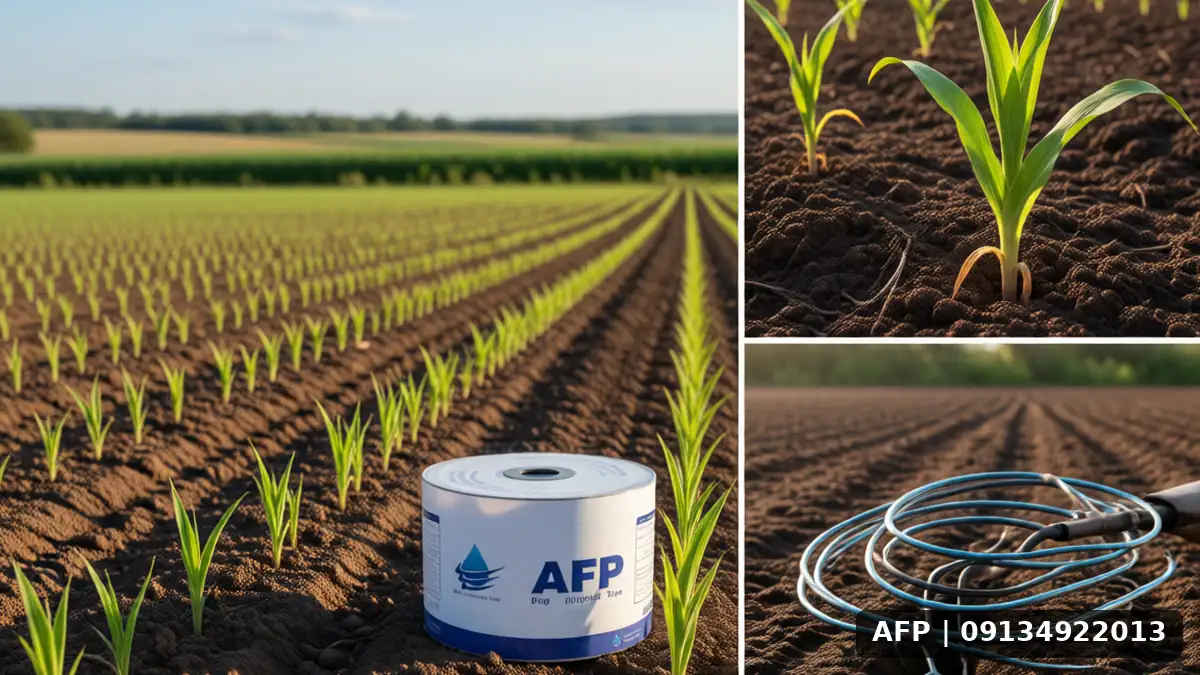
Asparagus irrigation must support the crop’s root system and healthy fern growth, not simply wet the visible soil surface. Sprinkler, furrow and drip irrigation can all be used, but their suitability depends on soil, weather, water quality and the stage of crop growth.
Wind drift and runoff are different problems
Wind drift occurs when moving air carries sprinkler droplets away from the intended area. Surface runoff occurs when water moves across the ground instead of infiltrating where it is applied. A sprinkler system can experience either or both. Neither term describes a separate type of drip irrigation.
Before increasing irrigation time to compensate for dry patches, check wind conditions, sprinkler distribution, pressure and the soil’s infiltration rate. Additional water can worsen runoff or deep drainage without correcting uneven distribution.
Comparing irrigation methods for asparagus
- Sprinklers: cover a broad area but are affected by wind and may wet the fern canopy. Schedule and operate them to limit prolonged leaf wetness, taking local disease-management advice into account.
- Furrows: can be used where land preparation and water control permit. Avoid flows that erode soil or expose crowns.
- Drip: applies water close to the root zone through emitters. Filtration, flushing and pressure control are essential. Correct line placement and a field wetting test matter more than a universal spacing recommendation.
Planning and field checks
- Record soil texture, slope, water quality and available flow.
- Check soil moisture within the active root zone rather than judging only the surface.
- For sprinklers, use catch containers under representative operating conditions to check distribution; note wind and pressure at the time.
- For drip, compare emitter discharge near the beginning and end of representative laterals and inspect the wetting pattern.
- Adjust irrigation to rainfall, crop stage and measured soil conditions. Do not copy a fixed schedule from another climate.
Costs and equipment selection
Compare installation, pumping energy, filtration, maintenance, labour and replacement costs for the actual field. No single method guarantees a particular water-saving percentage, crop yield or payback period. For a perennial planting, assess whether the proposed irrigation lines are suitable for the intended service conditions and maintenance access.
When requesting AFP equipment, provide row layout, lateral length, elevation changes, water analysis and available pressure. Product pressure limits, service life and warranty must come from the relevant technical sheet and agreed order, not from a general crop guide.
Technical references
New Mexico State University: Asparagus Production in New Mexico explains irrigation choices and the importance of soil, weather and crop stage. FAO: Choosing an Irrigation Method discusses wind, soil conditions and cost considerations. Regional schedules in these sources require local adaptation.