Rain Irrigation with Erosion Control in Spinach Cultivation: Applications
Introduction to Water Management in Spinach Cultivation
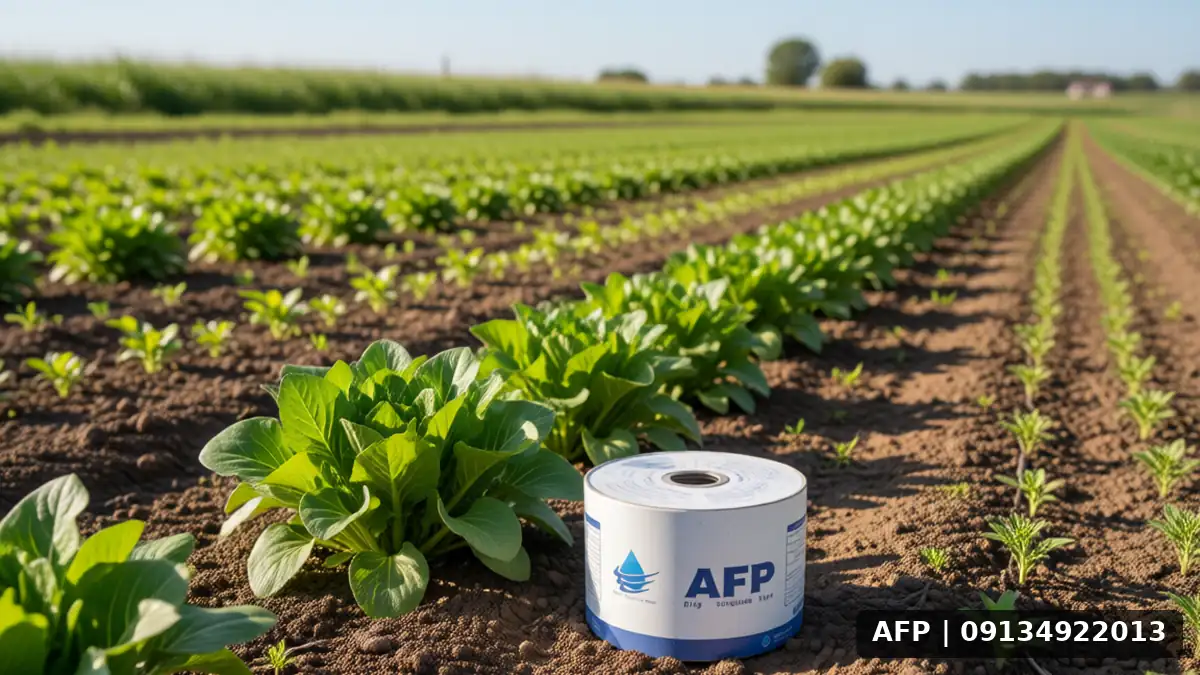
Spinach is one of the most important annual leafy greens grown in Iran during the autumn, winter, and spring seasons. Due to its rapid growth, requirement for adequate soil moisture throughout the entire vegetative period, and high sensitivity of its shallow root system to drought stress, precision in irrigation methods is essential. Conventional irrigation methods, such as furrow or basin irrigation, often result in water wastage and physical damage to leaves. In contrast, Rain gun irrigation (Rain Gun Irrigation) has established a specialized role in vegetable farms as a semi-precision method. By simulating natural rainfall, this technique creates a uniform growth pattern and, under certain conditions, prevents soil salinization at the surface. The following section analyzes the specialized applications of this method in spinach cultivation.
Technical Principles of Rain Gun Irrigation in Spinach Cultivation
Irrigation by sprinkling is performed through sprinkler heads or shatters mounted on fixed distribution pipes. Unlike drip tape, which releases water drop by drop at the crop line level, sprinklers project water at height to use centrifugal force and pressure to reduce droplet size and widen the spray pattern. For spinach, which lacks deep roots and is fed primarily in the top 30 to 50 centimeters of soil, controlling water infiltration depth is critical. The installation of drip tape typically accounts for the pressure deflection curve; however, in sprinkler systems, precision in adjusting head height and spray angle is more vital. If the head height is excessive, water droplets may evaporate before reaching the soil or damage spinach texture due to high impact pressure. Therefore, for spinach, head height should be controlled within a 1.5 to 2 meter range to keep the spray pattern locally concentrated on the planting lines rather than covering the entire field at every moment.
Comparing sprinkler performance with drip systems
Many farmers assume drip irrigation (drip tape) is always superior. Although drip tape has a higher irrigation efficiency, flexibility in planting distances with fixed tape is difficult for broadcast crops like spinach, which may be sown via broadcast seeding or mechanized seeders. In such cases, sprinkler irrigation offers a more practical solution due to its ability to cover large areas with minimal interference with planting operations. However, a combination of both methods is observed in some precision farms. You can use Key points of drip tape irrigation Use this for sections with row planting, and move between rows or open spaces with the drag. This combined approach allows you to benefit from uniform soil moisture by depth and the speed and lower installation cost of drag systems.
Practical Applications and Suggested Layouts
To optimize spinach irrigation with drag hoses, particular attention must be paid to gun layout and irrigation timing. Spinach is a short plant; if the drag gun is placed directly above the stem, it may break the stem and contaminate the leaves with soil and dust. Therefore, Water Supply Through Rigid Lines This is superior to using moving guns or large shots. In flat fields, using metal or PVC pipes with a diameter of 3/4 inch, equipped with small guns of 1/4 to 1/2 inch, ensures a uniform spray pattern. Gun spacing must be such that their spray zones have uniform overlap to prevent dry or wet spots in the field. This method is especially useful for fields that require complete yield per hectare due to soil slope; equal water distribution guarantees uniform and predictable production.
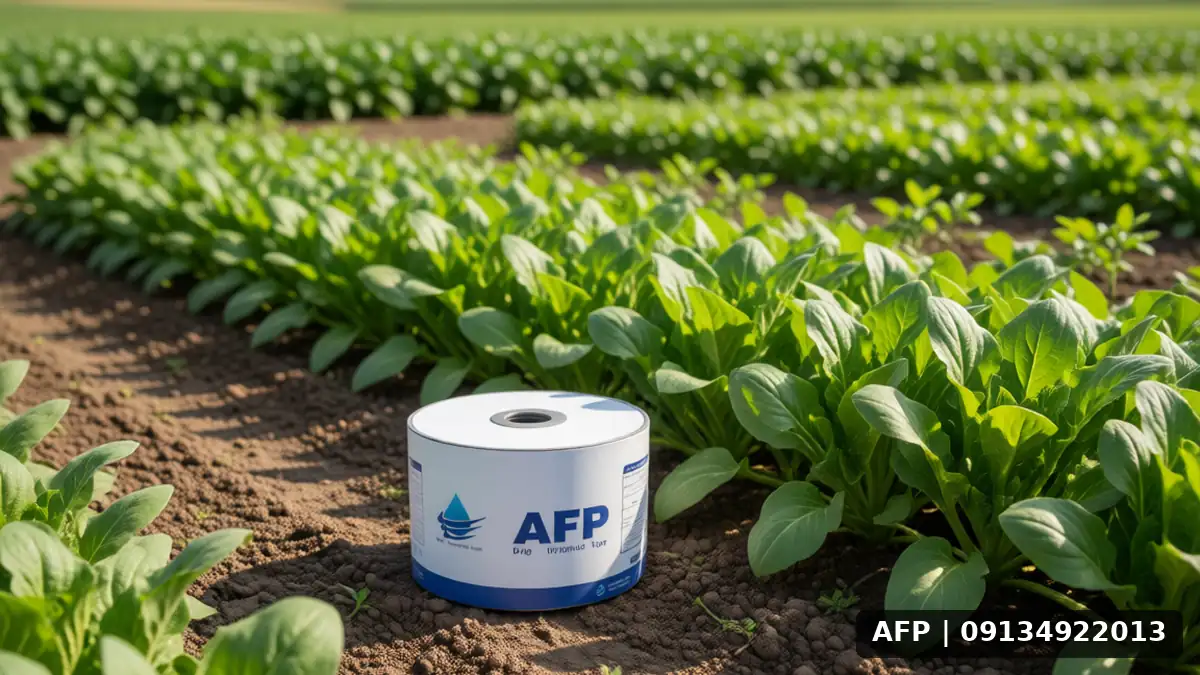
- Input Pressure Adjustment: The system pressure for drag guns must be set between 1 and 2 bar. Excessive pressure creates mist, which evaporates rapidly in hot weather, while low pressure results in heavy droplet fall and physical soil damage.
- Calculating Flow Rate: By considering the droplet diameter and gun height, the rainfall rate (mm/hour) can be estimated. For spinach, a recommended rate is typically between 4 and 8 millimeters per hour to facilitate water penetration into the surface soil.
- Irrigation Quota: Spinach requires constant moisture. With a mobile irrigation system, short and frequent irrigation sessions (for example, 15 to 20 minutes) can be scheduled at close intervals, which simulates scattered rainfall.
Salinity Management and Soil Aeration
One of the less-discussed advantages of mobile sprinkler irrigation is its impact on the soil surface. In saline-prone fields, water sprinkling on the surface causes salinity materials to accumulate on the topsoil. While this is negative in one respect, by creating a sandy or mesh layer and while the amount of grape production per hectare is being affected, salinity can be moved to deeper levels through supplemental irrigation (saline flushing). Therefore, if the spinach soil has relative salinity, using mobile irrigation to flush surface salinity is far more effective than drip irrigation, as drip irrigation only pools water under the planting rows, leaving salinity behind in the paths between rows.
Practical Points in Maintenance and Installation
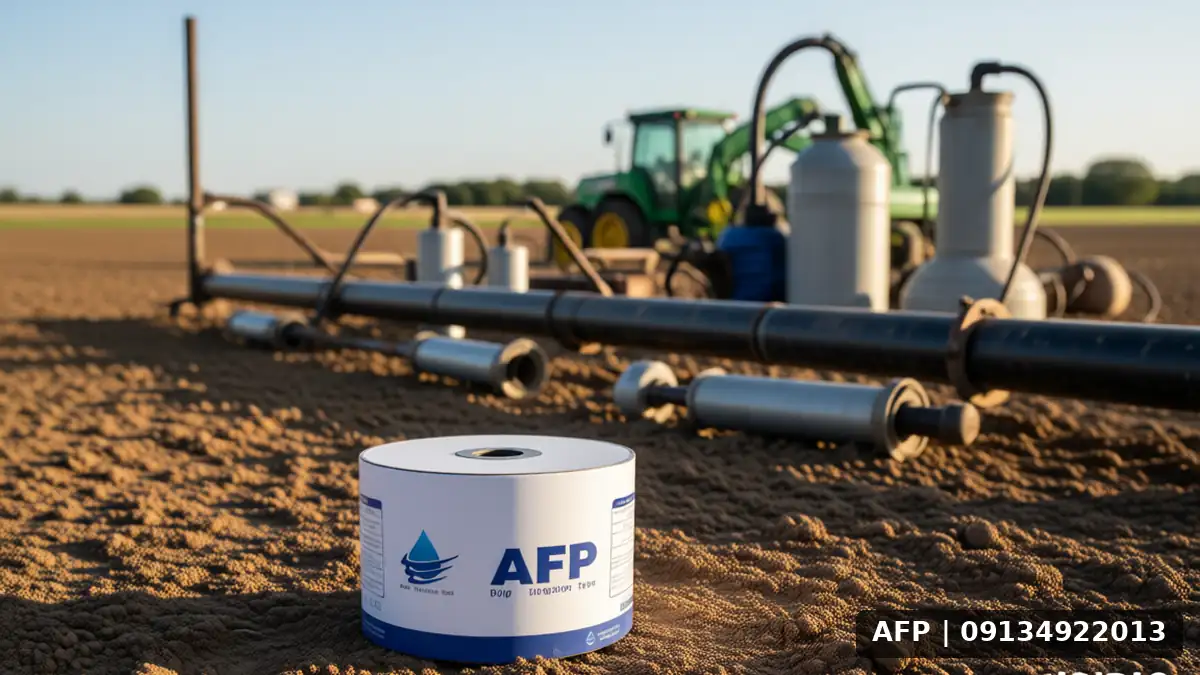
Correct installation of a sprinkler system requires careful piping and secure mounting of the sprinklers. Excessive pipe vibration during operation can cause joint failure and reduce spray uniformity. It is recommended to use high-quality metal or plastic pipes that can withstand pressure fluctuations. Additionally, selecting an appropriate location for the water inlet and ensuring easy access for maintenance are other key considerations. In some cases, due to the high cost of metal piping, suitable-diameter polyethylene pipes may be used, but care must be taken to ensure the pipes do not burst under spray pressure. For those seeking more affordable solutions, Drip irrigation zone for the greenhouse can be a comparative option, but for open and flat fields, fixed sprinkler systems remain an attractive choice due to their wider coverage area and resistance to climatic conditions. Also, before selecting the sprinkler type, definitely Tips before purchasing a drip tape do not just read this, but review the selection criteria for spray sprinklers, which include metal quality, nozzle type, and spray angle stability.
Frequently Asked Questions (FAQ)
Is sprinkler irrigation suitable for all types of spinach?
Yes, but for grain spinach with wider row spacing, gun spacing must be adjusted precisely to prevent gun shadows from casting on the plants. For densely seeded spinach, smaller guns at higher elevations are recommended.
Does drizzle cause fungal diseases in spinach?
Sprinkling in the early morning with rapid leaf drying reduces the risk of fungal diseases. Evening or late-day irrigation causes moisture to remain on leaves and increases infection risk.
How do the costs of drizzle and drip irrigation compare?
In large flat farms, installing drizzle lines is generally less expensive than drip tape and requires simpler maintenance. However, the pump energy cost for generating the required pressure for drizzle is higher.
Can subsurface irrigation be used for spinach?
Yes, all aspects of subsurface irrigation indicate that this method is highly beneficial and efficient for spinach due to its shallow root depth, but it requires more precise piping.
Conclusion
Rain irrigation using spray gun nozzles in spinach cultivation is a smart approach for modern agriculture that balances cost, precision, and moisture management. This method is particularly valuable when a spinach farm requires surface salinity flushing or uniform moisture coverage over a large area due to climatic or soil conditions. By observing technical parameters such as pressure regulation, gun height, and irrigation scheduling, this system can be utilized as a complementary or alternative tool to drip irrigation systems. Farmers are advised to refer to in-depth studies such as white Persian leek per hectare For example, on production optimization, to better understand the relationship between water management and final plant yield, particularly in sensitive leafy greens. Ultimately, combining technical knowledge with field observation is the key to successful irrigation management for spinach.