Rain Irrigation in Rosemary Cultivation: Advantages and Practical Applications
Introduction: Why consider irrigation for rosemary?
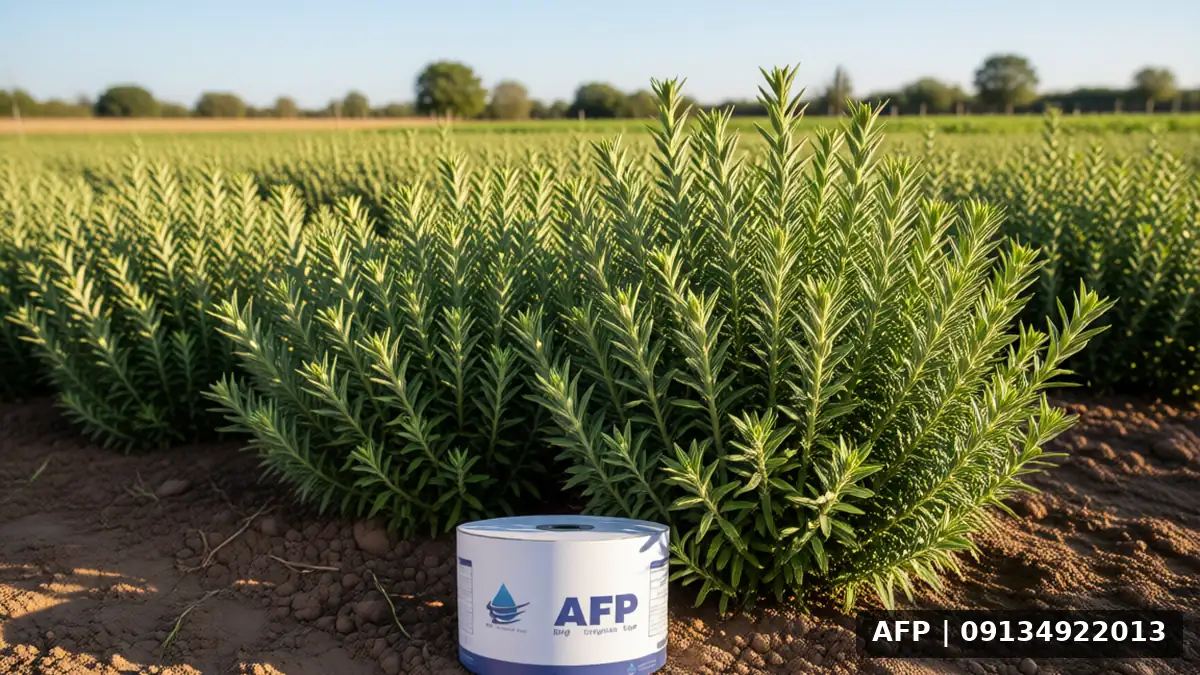
Rosemary is a drought-tolerant perennial that holds a special place in modern agriculture. Many farmers assume that because rosemary requires minimal water, its irrigation system is simple. However, to maintain quality and increase yield, selecting the appropriate irrigation method is a critical factor. In this article, we focus on rainfall irrigation for rosemary ; an innovative method that simulates rainfall and offers numerous benefits. Join us to learn about its advantages and practical tips.
Understanding rainfall irrigation systems
Rainfall irrigation is a method where water is applied over the plant in fine, uniform droplets, exactly like rain. Unlike drip irrigation, which targets only the root zone, this method covers all parts of the plant, including leaves and stems. For plants like rosemary, which are more susceptible to pests and fungal diseases, irrigation management plays a vital role.
Rainfall systems, especially when implemented as micro-spray and micro-sprinkler systems, provide an excellent combination of precision and coverage. This technology is designed to deliver water gently without causing mechanical stress to the plant. In fact, direct field irrigation has both advantages and disadvantages, and understanding these benefits is essential for selecting the right system. Rosemary, when placed in optimal water and weather conditions, can achieve optimal performance.
Difference from conventional drip irrigation
Drip irrigation is less robust and targets only the root zone. However, spray irrigation allows for dust washing and leaf humidity control. This can positively impact photosynthetic processes in plants with small, dense leaves, such as rosemary.
Key benefits of spray irrigation in rosemary cultivation
Using a spray irrigation system for rosemary offers numerous benefits, detailed below. These advantages are directly related to yield, quality, and production costs.
- Increased yield and more balanced growth: Uniform water distribution across various parts of the plant promotes more balanced shoot and leaf growth in rosemary. This is particularly effective during the early years of planting, when the plant is establishing a dense canopy.
- Reduced labor and energy costs: Automatic spray systems eliminate the need for farmers to be constantly present for irrigation. This automation is a significant advantage in farm management.
- Better pest and disease control: Washing leaf surfaces with fine water droplets can reduce surface-borne pests such as powdery mildew and certain external fungi. It is essential to monitor the amount and timing of irrigation to prevent excessively moist conditions.
- Improved harvest quality: Crops such as rosemary, which are valued for their aroma and quality, grow best under optimal moisture conditions. Rain irrigation, by creating a suitable environment, helps preserve fragrance and high leaf quality.
In addition, these systems are a suitable alternative to drip irrigation in arid regions with long summers. These methods can operate Drip Irrigation Systems in Basra: Advanced Agricultural Solutions for a Sustainable and Efficient Future and leverage advanced technologies to maximize water efficiency.
Practical implementation and maintenance tips
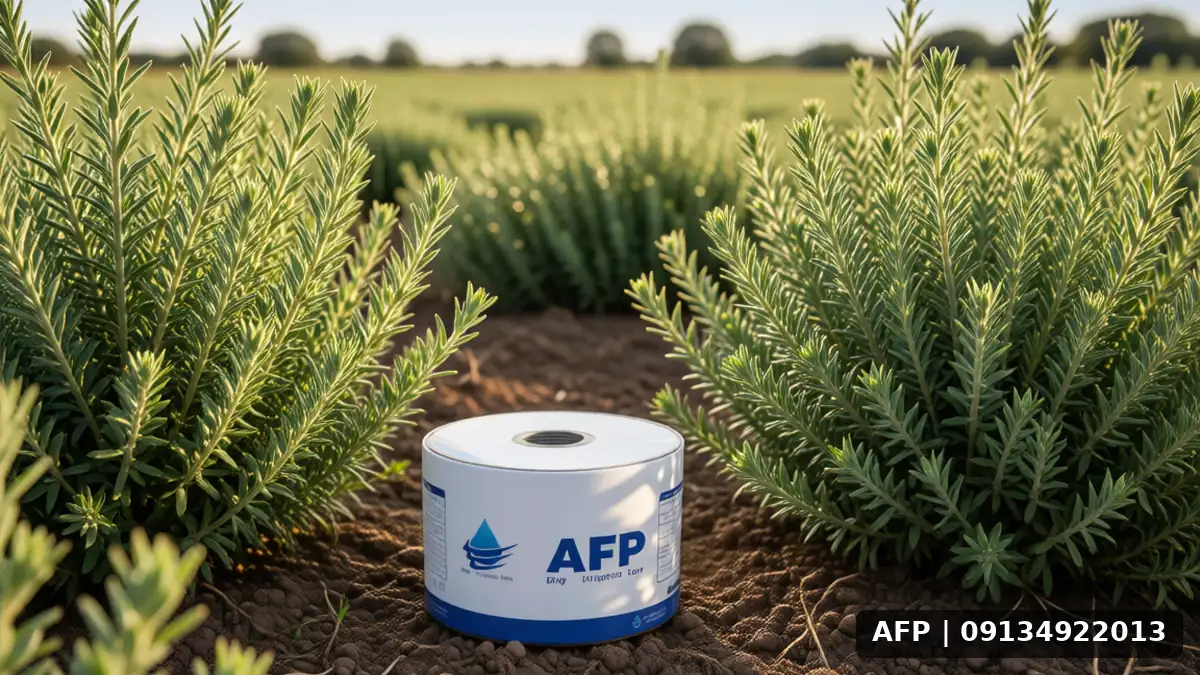
To benefit from the advantages of rain irrigation for rosemary, the following key points must be considered. Proper implementation is the key to success in this system.
- Selecting the appropriate emitter type: Drip emitters with low discharge rates and fine droplets are the best choice for rosemary. Ensure that the emitters do not have a flushing mechanism.
- Best irrigation timing: The best time is before sunrise or in the late afternoon. This prevents water evaporation and the risk of creating hazardous conditions for fungi.
- Appropriate filtration: Using suitable filters to prevent clogging of drip emitters is critical. Water contaminated with sediment or turbidity will damage the system.
- Regular monitoring of soil moisture: Even when using rain irrigation, check soil moisture regularly. Rosemary is sensitive to excessive rooting and fears waterlogging of the root zone.
Furthermore, combining rain irrigation with a proper fertilization program can yield exceptional results. This process is similar to optimizing seed dosage for beans; attention to detail is the key to achieving optimal outcomes. Precise control of water volume and timing improves water use efficiency and boosts yield.
Frequently Asked Questions (FAQ)
Is rain irrigation dangerous for rosemary?
No, it poses no danger if implemented correctly. However, using it in areas with high rainfall or in the late afternoon at high temperatures can increase the risk of fungal conditions.
Can rain irrigation be used for rosemary in the first year?
Yes, if done carefully. In the first year, the plant is developing its root system and requires consistent watering. A rain irrigation system can be helpful but should be used alongside drip irrigation to ensure proper root establishment.
Compared to drip irrigation, how much less water does rain irrigation consume for rosemary?
Water consumption in both methods depends on soil type, climate, and flow rate. Rain irrigation may use slightly more water due to leaf evaporation, but it distributes water more effectively across the foliage.
Is this system suitable for large-scale rosemary farms?
Yes, sprinkler systems are easily scalable for large farms and become fully automated with modern control technology. For more information on resource optimization, you can look at the seed quantity for dry farming per hectare; where precision in water and seed calculations is key to optimization.
Conclusion
Rain irrigation for rosemary is an innovative and effective method that can help farmers increase yield, gain better control over the plants, and reduce labor costs. Although rosemary is a drought-tolerant plant, utilizing optimized irrigation technologies can help you raise the quality and quantity of your crop to a higher level. This method becomes a sustainable and efficient solution, especially when combined with drip and tape irrigation systems.
As a final recommendation, always consult local resources and irrigation specialists to align with your specific farm conditions. Additionally, studying agricultural resource optimization can help you choose a better strategy for growing rosemary and other plants. In this regard, knowing the dry farming seed quantity per hectare can help you understand the relationship between resources and productivity.
Related Topics: Wheat seed rate per hectare: A comprehensive guide to cultivation, Dandelion seed rate D8AFD8B1 hectare, Clover seed rate D8AFD8B1 hectare