Rain Irrigation in Pepper Cultivation: A Comprehensive Guide to Applications and Practical Tips
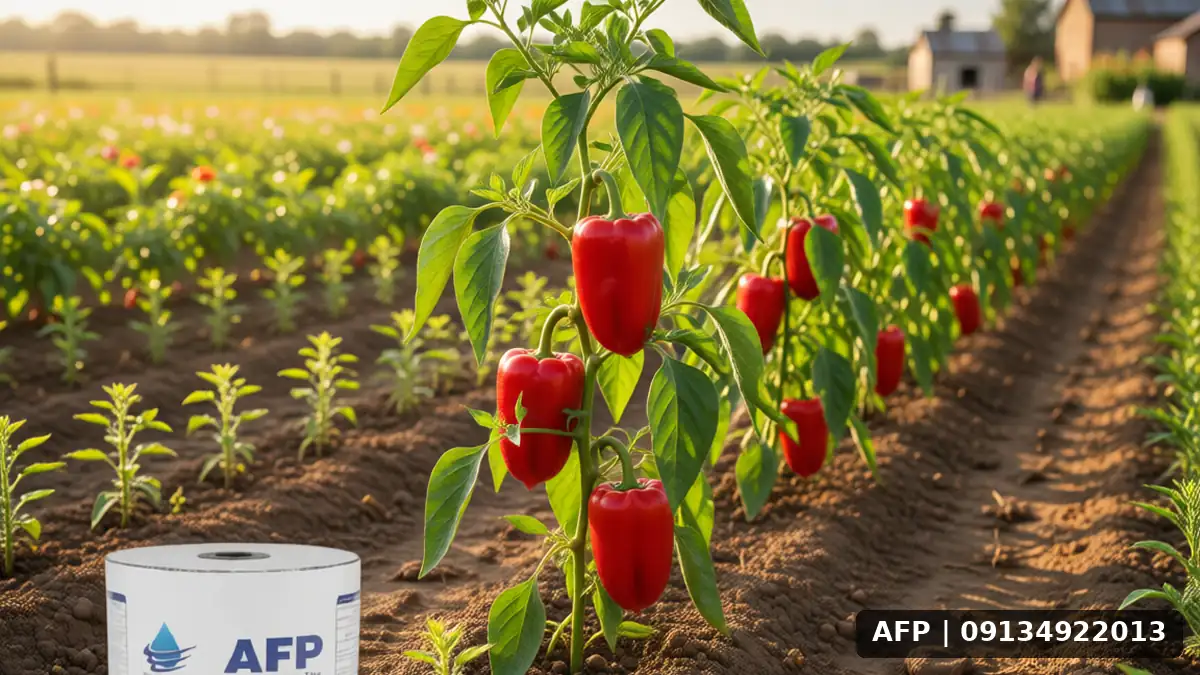
Bell pepper cultivation, as one of the sensitive crops in Iranian greenhouses, requires precise management of water resources. Many farmers are uncertain about the choice between drip, trickle, and spray irrigation systems when selecting an irrigation method. Spray irrigation is a method in which water is distributed as fine droplets over the soil surface and plants via sprinklers. Although this method is common for some grain crops, its application to bell peppers presents specific challenges. In the following, we examine the application, advantages, disadvantages, and operational considerations of spray irrigation in bell pepper cultivation to help you make an informed decision.
Understanding Spray Irrigation and Its Mechanism
A spray irrigation system consists of sprinklers that distribute water under pressure to simulate rainfall. Unlike drip irrigation types that release water directly into the root zone, spray irrigation also moistens the air surrounding the plants. This characteristic has two sides: on one hand, it can help cool the environment during hot summers, but on the other hand, it increases the risk of fungal disease outbreaks.
In bell pepper cultivation, where the plant is typically characterized by leathery leaves and multi-branched stems, direct water spraying on leaves can cause physical damage or create a moist environment for pathogens such as Leveillula taurica (white rot) disease. Therefore, the use of sprinkler irrigation in bell pepper is more applicable during the early stages or in systems with limited temperature control.
Specialized applications of sprinkler irrigation in bell pepper
Despite the challenges mentioned, sprinkler irrigation has applications in certain bell pepper cultivation scenarios:
- Greenhouse cooling: On very hot days, sprinklers cool the air inside the greenhouse by spraying water. This prevents excessive heat and heat stress in bell pepper plants.
- Initial sowing or transplanting: During the dispersal of bell pepper seedlings, low-intensity sprinkler irrigation can help stabilize young roots. At this stage, the use of sprinklers with a smaller coverage radius is recommended.
- Soil washing and moisture control: Using this system as a humidity control tool is common in other products such as grain vegetables. To ensure the distinction between methods, you can refer to the article on types of irrigation systems for a better understanding of the structural differences between systems.
A key point is the non-use of sprinkler irrigation during the flowering and fruiting stages of bell peppers. Direct wetting of petals and fruits can lead to brown spots, reduced visual quality, and increased total product costs. Under these conditions, a switch to drip or tape systems is essential.
Practical benefits and challenges for farmers
Potential benefits
Contrary to the common belief that sprinkler irrigation is always ineffective, this system can be beneficial for bell peppers under specific conditions:
- Simplified maintenance compared to complex drip systems for some older greenhouses that do not require renovation.
- Uniform moisture distribution in the soil surface layers, which is beneficial for the shallow roots of bell peppers during cold months.
Challenges and Risks
The biggest challenge of sprinkler irrigation for bell peppers is the increase in relative humidity. Bell peppers are sensitive to high air humidity. If the greenhouse temperature exceeds 25°C and the relative humidity from sprinklers rises above 70%, ideal conditions are created for soil-borne and aerial fungi.
In addition, water loss in sprinkler irrigation is greater due to direct evaporation from leaf surfaces. While in drip irrigation systems water reaches the soil directly, in sprinkler systems a portion of the water is lost to the air. For comparison of efficiency, the study Training on Drip Irrigation can provide you with better insight into precise water management.
Practical Points for Correct Sprinkler System Implementation
If you intend to use sprinkler irrigation for bell peppers due to existing infrastructure or specific climatic conditions, observing the following points is critical:
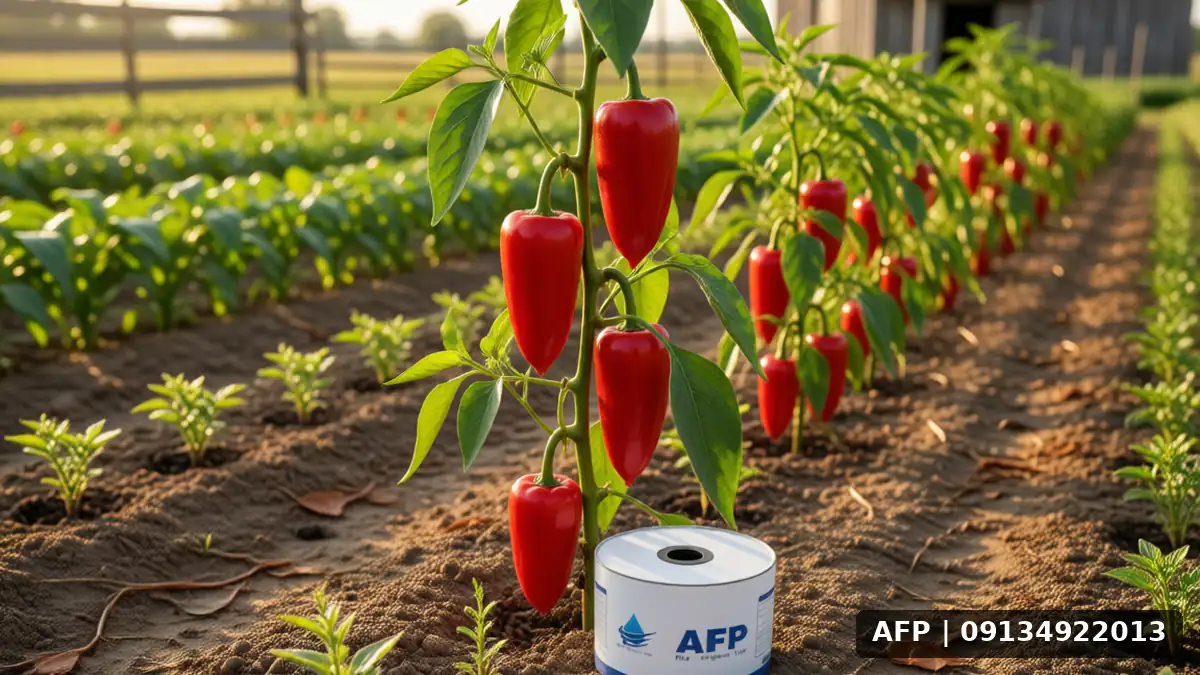
- Irrigation Timing: Never use the sprinkler system during peak afternoon heat. Cold water contacting hot air causes physiological shock to the plants. The best times are early morning and night.
- Controlled Pressure: Sprinkler pressure must be adjusted so that water is applied as mist or small droplets on the seed, not as a direct jet hitting the leaves. High pressure causes bruising and damage to paprika leaf tissue.
- Ventilation Management: Always activate greenhouse ventilation systems during and after sprinkler irrigation to quickly remove accumulated moisture from the greenhouse space and prevent early onset of mildew.
Note that combining sprinkler irrigation with foliar feeding, except for drip strip systems, may cause uneven distribution of nutrients. For paprika nutrition, drip or drip strip systems are more efficient. If you need information regarding optimal temperature and timing, Key Points When Using Drip Strip Irrigation read this article.
Comparison with tape and drip systems
In the modern agricultural industry, most bell pepper greenhouses use tape systems. The main reasons are higher water efficiency and reduced energy costs. Tape is placed linearly directly on the bell pepper crop and delivers water to the roots. To gain a better understanding of this technology, you can read the article drip irrigation tape system components to learn about its components.
The use of the drip tape system in vegetable and pepper cultivation increases yield and improves fruit quality. If you still have doubts regarding the fine differences in seed consumption or the planting of other crops grown in similar systems, you can review the Drip Tape Types Guide.
Frequently Asked Questions (FAQ) about rain sprinkler irrigation for peppers
Can I use rain sprinkler irrigation for all growth stages of peppers?
No. While this system may be feasible during the vegetative growth stage, it is not recommended during the flowering and fruiting stages due to the high risk of fungal diseases and a decrease in fruit quality. During these stages, you must switch to drip or drip tape systems.
How can I prevent sprinkler water damage to pepper leaves?
By setting low sprinkler pressure and using low-shrink, fine-mist nozzles (Wing sprinkler) that disperse water widely. Also, limit irrigation to midnight or early morning so leaves dry faster.
Does spray irrigation cause soil compaction and root washout?
Yes, if the soil has a steep slope or high water volumes are applied in a short time. For pepper, which has sensitive roots, low volume and high frequency are recommended in spray systems to prevent washout and soil erosion. Drip line systems are lower-risk in this regard.
Summary
Spray irrigation in pepper cultivation is an older method with limited uses. This system is mostly used for ambient temperature management or initial seeding dispersal, but it is not suitable as a main irrigation system for a high-value crop like pepper. Fungal disease risk and water waste are two key points to consider. If possible, investing in drip line and precision drip systems simultaneously with improving greenhouse ventilation is the optimal choice for economic efficiency and plant health. By understanding the differences between these systems and following the practical tips provided, you can reduce the risks of these methods and benefit from their advantages under specific conditions. For more information on planting and care principles, reading related conversations Points to consider before purchasing irrigation drip lines can be useful.