Rain irrigation for lettuce cultivation: Analysis of preconditions and operational challenges
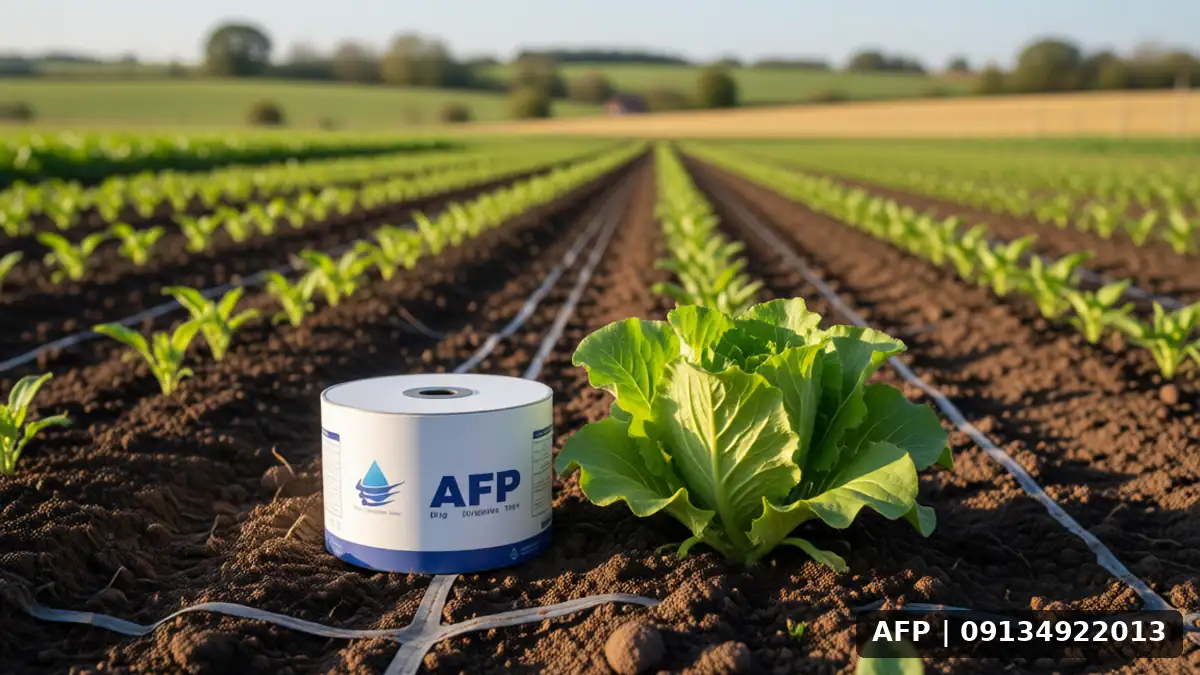
Introduction: A New Look at Traditional Vegetable Irrigation Methods
In modern agriculture, water resource management is considered a vital component of food production. Many farmers, especially in the cultivation of sensitive vegetables such as lettuce, still rely on traditional methods such as overhead sprinkler irrigation. This method has been widely popular in recent years due to its low initial cost and ease of installation. However, is this method ideal for cultivating lettuce, which naturally requires uniform and stable moisture? This question is the central focus of the current discussion regarding Overhead sprinkler irrigation prerequisites . In this article, we aim to outline the various aspects of this method and examine its technical and management prerequisites so that farmers can make more informed decisions for their farms.
Lettuce is a crop with relatively shallow roots that requires regular, stress-free irrigation to maintain crispness and product quality. With overhead sprinkler irrigation, uniform water distribution during the growing season is not always guaranteed. Therefore, understanding this method and recognizing its limitations is the first step in optimizing irrigation management. If you are looking for ways to increase efficiency, you may want to know how irrigation prerequisite guides can impact your final performance.
Technical Analysis of Prerequisites for Overhead Sprinkler Irrigation for Lettuce
To effectively use rainfed irrigation for lettuce cultivation, specific preconditions must be met. These preconditions are not limited to equipment; they also include climatic conditions, soil type, and irrigation regime management. The following sections detail these key parameters.
Climatic conditions and soil temperature management
Lettuce is a cool-season crop, and its optimal growth requires maintaining a consistent soil temperature. In rainfed irrigation, the high volume of water flowing over the soil surface can rapidly change the temperature in the root zone. These temperature fluctuations may cause physiological stress to the plant. Therefore, the first precondition is to understand the relationship between water volume and infiltration depth. Farmers must determine whether rainfed irrigation is suitable from a timing perspective in semi-arid climates.
Soil structure and plasticity
Heavy, plastic soils are prone to surface crusting. In rainfed irrigation, this crust prevents water from infiltrating deeply to the lettuce roots, leading to root rot and fungal diseases. Another technical precondition is having well-structured soil. If your field soil is prone to crusting, rainfed irrigation is strongly discouraged, and pressure-based methods should be used instead. In this context, reviewing the structural preconditions of drip lines can provide a better understanding of how pressure distribution affects roots.
Bulk density and uniform distribution
One of the major challenges of sprinkler irrigation is uniform water distribution. If the field has natural slopes or mounds, some areas will be waterlogged while others remain dry. Lettuce is sensitive to moisture consistency, and uneven water levels across the plot can reduce crop quality. To address this issue, the primary prerequisite is precise field leveling before planting.
Key advantages of sprinkler irrigation for lettuce
While many older sources refer to sprinkler irrigation as a low-cost method, today the key advantages of this method compared to modern systems are clearly visible. The advantages of this method for lettuce include low energy consumption, but it involves excessive water waste and inefficient performance in sensitive crops.
Water loss through evaporation and deep percolation
The biggest drawback of sprinkler irrigation is water loss through surface evaporation. In hot seasons, lettuce faces high evaporation rates, and out of every 100 liters of water applied, only 40 to 50 liters may reach the roots. This places a strain on water resources. Compared to systems such as Extending the service life of the drip line which deliver water directly to the root zone, sprinkler irrigation appears impractical in terms of optimal water use.
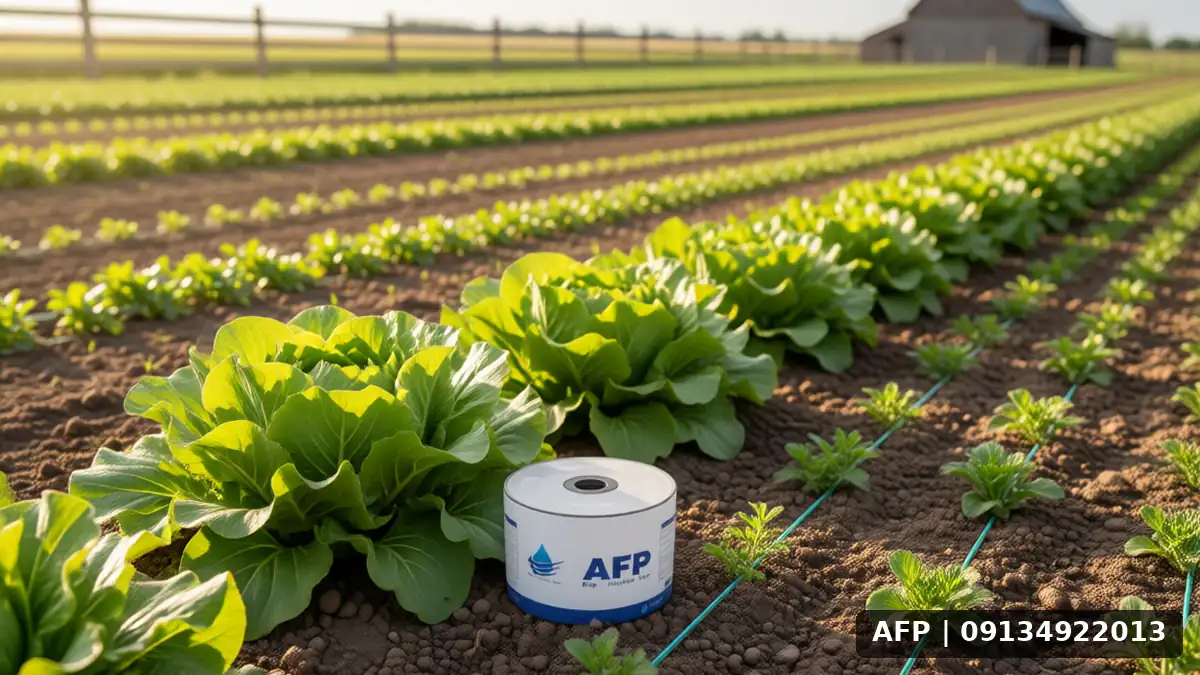
Increased water pressure on sensitive roots
Using high water pressure in spray irrigation can cause physical damage to the delicate leaves of lettuce and even spray soil particles toward the flower heads. This issue increases microbial contamination rates and reduces post-harvest shelf life. Farmers should account for this framework in their gardening plans and immediately switch to pressurized methods if leaf weakening is observed.
Operational prerequisites and practical methods
If, for any reason, you decide to continue using spray irrigation in a section of your lettuce field, you must consider specific operational prerequisites. These prerequisites help you achieve the least amount of loss even with a conventional system.
- Field leveling: Before starting, ensure the field is perfectly level to prevent the formation of uneven drainage.
- Irrigation scheduling: Irrigate in the early morning or late evening to prevent excessive evaporation during the heat of the day.
- Inflow rate control: Use simple flow meters to prevent over-irrigation and root waterlogging in lettuce.
- Multi-row planting in small plots: Consider small plots to reduce the wetted area and simplify water management.
Finally, for those intending to transition to modern systems, understanding guide for selecting the appropriate drip line is a golden prerequisite for the final decision.
Frequently Asked Questions (FAQ)
In this section, we answer common questions from farmers regarding the prerequisites for lettuce rain irrigation.
Is rain irrigation for lettuce cheaper than drip irrigation?
For small systems, yes, but considering water loss and labor costs, pressurized systems generally offer better economic justification over a 2 to 3-year period.
What is the best time for rain irrigation of lettuce?
In cold and dry seasons, this is best done in the early morning. In hot seasons, this method is not recommended due to high evaporation rates.
Does the use of rain irrigation cause root rot in lettuce?
Yes, the risk is very high in heavy and waterlogged soils. Lettuce requires oxygen in the root zone, which is severely limited in saturated soil.
Summary and Future Outlook
Review of Prerequisites Rainfall Irrigation in Lettuce Cultivation This indicates that, due to inherent limitations in uniform water distribution and stress management, this method is not considered the primary option for commercial lettuce cultivation. The main prerequisites include the need for loose soil, precise leveling, and time management. However, for farmers with limited financial resources, this method remains an acceptable interim solution, conditional upon adherence to the operational guidelines mentioned.
But for farmers transitioning to more sustainable systems, we strongly recommend reviewing the prerequisites for modern systems. Understanding Irrigation Tapes for Greenhouse can be a good starting point for optimizing your resources. The ultimate goal is to achieve higher quality produce, lower irrigation costs, and reduced environmental risks. With careful planning and an understanding of the technical prerequisites, this can become a sustainable irrigation industry for lettuce.
Related Articles: Carrot seed rate per D8AFD8B1 hectare