Rain-fed Irrigation in Spinach Cultivation: Key Benefits
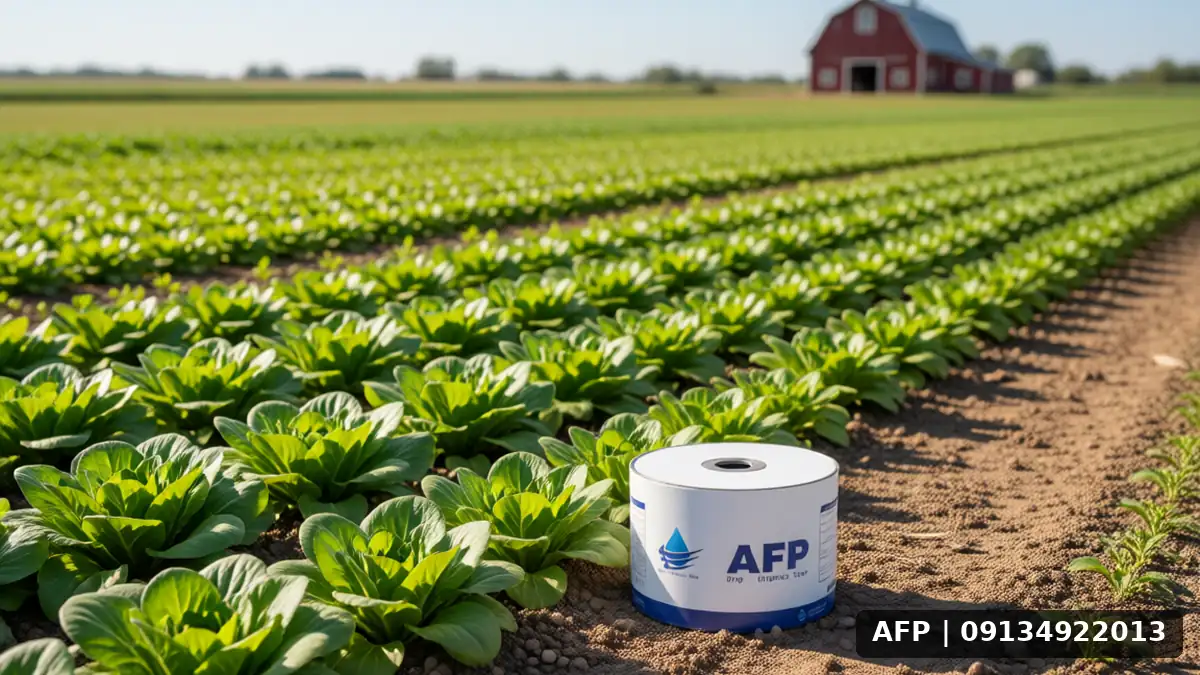
Introduction: The Importance of Selecting the Appropriate Irrigation Method for Spinach
Spinach is a moisture-sensitive vegetable that requires precise management of water and soil resources to achieve rapid growth and high-quality yields. While drip and lateral tape irrigation have been recognized in recent years as high-efficiency methods, returning to traditional foundations such as rain irrigation or capsule spray systems offers specific advantages for certain growth stages of spinach. In this method, water is distributed with low pressure and wide surface coverage over the soil and plants, which can provide unique benefits over point-source methods under specific conditions.
In this section of the article, we examine in detail why a professional farmer might choose to use a rain irrigation system and how to optimize this system for spinach cultivation. Our goal is to provide clear, practical information so that you can select the best irrigation technology based on your specific farm conditions.
Technical Analysis of the Advantages of Rain Irrigation in Spinach Farms
Spinach is a plant with shallow roots that requires continuous moisture. Although lateral tape irrigation offers water savings, rain irrigation provides significant technical advantages in the following cases:
- Uniform distribution of moisture in the topsoil: Spinach is sensitive to moisture loss in the upper soil layers. Rainfall simulation irrigation ensures uniform moisture distribution across all field depressions and ridges, unlike drip tape, which can cause water to accumulate on one side under steep slopes.
- Thermal leaching and heat stress reduction: During warm seasons, solar radiation can cause heat stress on spinach leaves. Cool spray mists regulate leaf temperature and prevent sunburn. This benefit is critical in Iran’s dry and hot regions.
- Reduced root zone pressure: Unlike high-pressure drip systems, gentle spray flow prevents direct pressure on the soil around the roots, allowing delicate spinach roots to absorb water without increased vulnerability.
Performance comparison with drip irrigation
Many farmers seeking maximum water savings when reviewing drip tape installation may find an excellent balance by combining systems: using spray irrigation during early seedling stages and drip irrigation during the growth phase. Modern spray systems with precise control can significantly reduce water waste. Since spinach is sensitive to atmospheric humidity, increasing local relative humidity with spray mists facilitates faster growth under dry conditions.
Practical tips for implementing rain irrigation
To maximize the benefits mentioned, proper implementation of the rain irrigation system is essential. The following are key operational points:
- Selecting the appropriate nozzle or spray head: Spinach is a sensitive crop; therefore, use spray heads that produce fine droplets (Micro-droplets) to avoid leaf damage and ensure the water infiltrates the soil at a shallow depth.
- Managing spray head spacing: The standard spacing for spinach cultivation is typically 1 to 2 meters. This spacing should be adjusted based on wind speed and soil type. Closer spacing is necessary for sandy soils.
- Irrigation timing: Irrigate spinach using rain irrigation during cool hours (early morning or late afternoon) to prevent severe evaporation and fungal diseases that peak with high night-time humidity.
- Combination with Fertigation: You can use the sprinkler irrigation system to inject soluble fertilizers. This ensures that plant nutrition is delivered more uniformly to the root zone compared to root-only application.
Beyond spinach, many farmers face similar challenges when growing other vegetables. For example, if you are also growing corn in the same field alongside spinach, note that corn requires significantly different irrigation conditions. Therefore, it is recommended to separate irrigation systems for each crop type.
Plant Disease Management
One of the main concerns with sprinkler irrigation is the increased risk of fungal diseases. For spinach, managing leaf wetness is critical. It is recommended to ensure that leaves dry as quickly as possible after each sprinkling cycle. Using low-wind fans or maintaining proper planting spacing can minimize this risk. Additionally, in areas with high relative humidity, using drip irrigation during the final growth stages may be more appropriate.
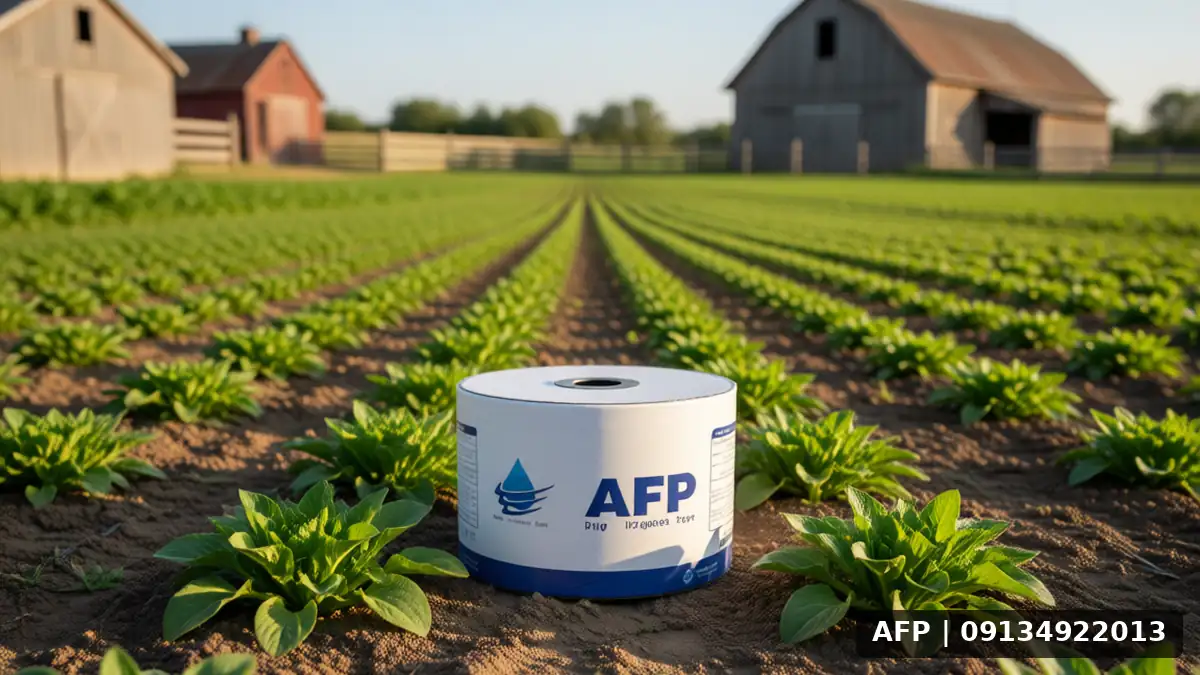
Frequently Asked Questions (FAQ) About Spinach Irrigation
Is sprinkler irrigation suitable for all soil types?
No, in heavy clay soils, permeability is low, and rainwater may pond on the surface. In this case, a drip or tape system with controlled pressure is a better option. However, in light silty soils, sprinkler irrigation performs very well.
What is the main cost difference between sprinkler and drip irrigation?
Installing sprinkler systems sometimes incurs higher initial costs due to the need for specific pressure pumps and different piping networks. However, regarding maintenance and replacement of consumable parts, it can be cost-effective in the long term, especially if the system is properly designed.
Can sprinkler irrigation be used for other vegetable crops such as squash?
Yes. Although spinach is more sensitive, vegetables like squash also benefit from adequate soil moisture. For further guidance on selecting an irrigation system for similar crops, studying a tape irrigation guide for squash can provide a comprehensive view of how different systems perform with various products.
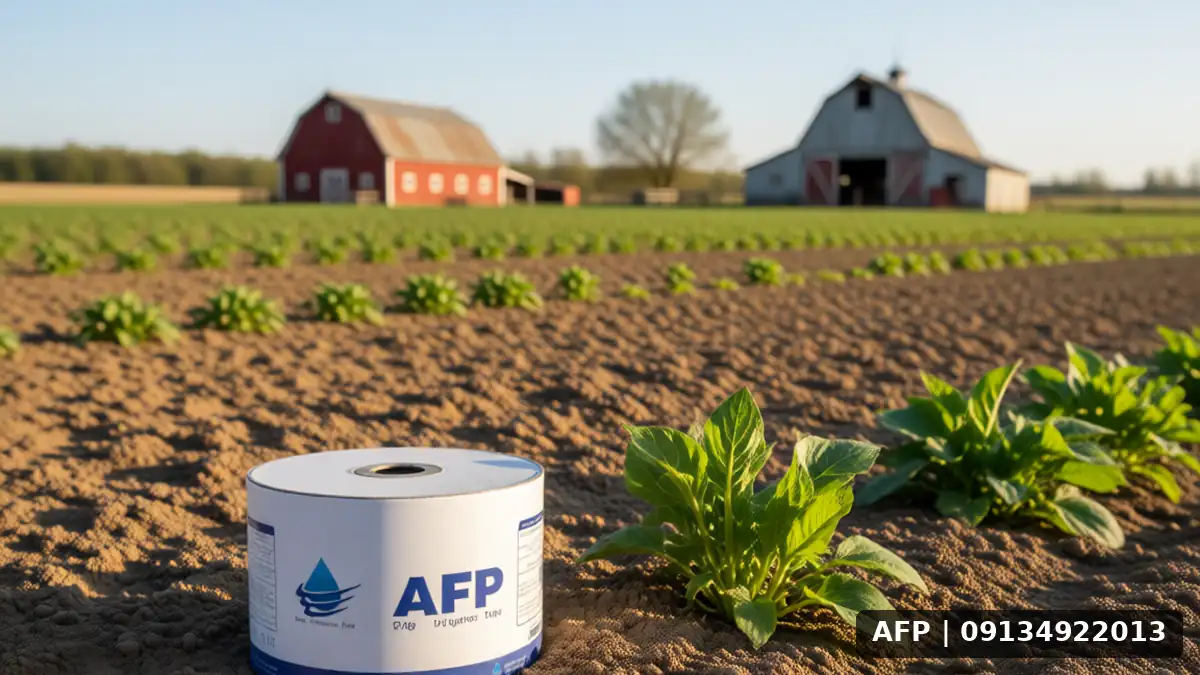
Summary and final recommendation
Sprinkler irrigation for spinach, although less common than drip irrigation, offers significant technical benefits in surface moisture management, heat stress reduction, and uniform plant nutrition. The key to success with this method is precise sprinkler system design and adherence to irrigation scheduling to prevent diseases. Farmers who prioritize product quality and health can leverage the full potential of their farms by gaining a deeper understanding of this system.
We recommend verifying your field’s soil and water conditions before finalizing your irrigation system selection. Educational resources are available to assist you if you need to compare alternative methods or review side products. A smart irrigation system, regardless of its type, is built upon precise environmental data, which contributes to the growth of fresh and healthy spinach.
Related articles: Mexican corn yield per hectare: A comprehensive guide for farmers, Melon seed quantity per hectare? (Comprehensive guide), clover yield per hectare factors increase, Garlic seed quantity per hectare D8AFD8B1