Rain-Based Irrigation in Chickpea Cultivation: Field Cost Analysis
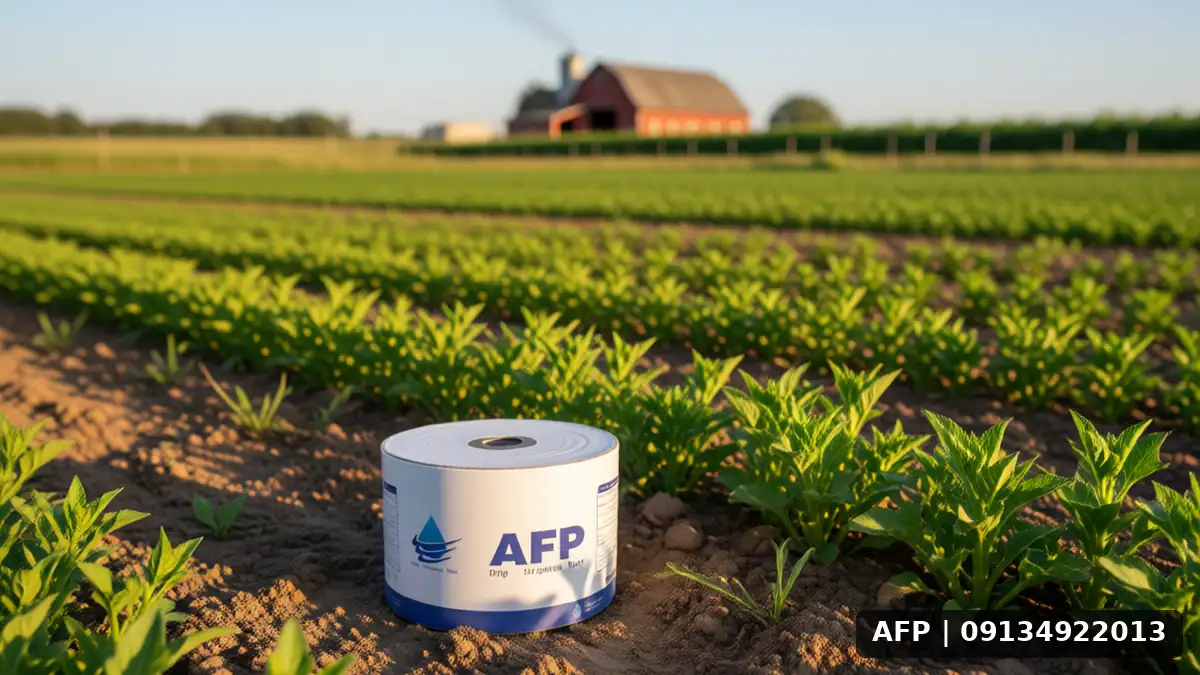
Introduction to Irrigation Management in Chickpea Cultivation
Chickpea is one of the most important legumes in Iran’s agricultural value chain, requiring specific climatic and precise irrigation conditions that significantly impact production costs. While Sprinkler Irrigation maintains its position in rural areas due to its easy installation and broad field coverage, up-to-date analyses indicate that the total cost of the cropping cycle using this method is particularly challenging in water-stressed regions. The importance of inspecting sub-main lines and pipes to reduce maintenance costs and extend the system’s useful life is a key consideration that farmers must include in the initial design of their sprinkler irrigation systems. This article dissects the hidden cost layers in chickpea cultivation with sprinkler irrigation and provides cost-optimization strategies based on field data.
Chickpea is a crop sensitive to heat and drought stress, where improper irrigation management can lead to a noticeable decrease in grain quality and protein content. Therefore, selecting the correct irrigation method is not just a technical decision but a critical economic one. The following section examines unit and total cost details.
Initial Capital Investment Cost Structure for Sprinkler Irrigation Systems
Investment costs (CAPEX) for rain irrigation include pipeline installation, diesel or electricity required for pumping, and spray equipment purchase. For a medium-sized chickpea farm, the estimated system installation cost per hectar varies depending on pipe type and irrigation point density. While high-quality standard pipes incur higher initial costs, they reduce breakage and leakage rates, lowering long-term expenses. Understanding pipe and fitting types is critical. Diesel-powered pipes and fittings must be industrial-grade polyethylene (HDPE) to withstand UV radiation and temperature changes.
Operational Cost Breakdown (OPEX)
Operational costs include water pumping energy, discovery water costs, and labor for system operation. In rain irrigation, high-pressure pumping requires significant energy. Since spraying occurs in open air, evaporation and crosswinds can waste up to 20% of water volume, directly increasing farm consumption costs. Precise adjustment of spray heights and angles is necessary to reduce these costs.
Challenges of Suitability and Hidden Costs in Chickpea Cultivation
One of the biggest hidden costs in chickpea rain irrigation is the reduced irrigation-to-yield conversion coefficients. Chickpeas are highly sensitive to water stress during the flowering and pod-filling stages. Pump pressure fluctuations can cause uneven irrigation, resulting in stunted plant growth in field corners. The amount of onion or other legumes sown under these conditions requires more precise irrigation management to prevent water stress from compromising their genetic yield potential. In chickpea fields, although chickpea seed is cheaper than other crops, the land opportunity cost due to reduced productivity is a significant expense.
Damage Caused by Fungal Diseases
Rain irrigation increases relative humidity within the plant canopy, creating a favorable environment for the growth of anti-biotics. Treating these pathogens and the potential loss of 15 to 30 percent of the crop involves chemical treatment costs and can sometimes result in total crop loss. This makes rain irrigation a high-risk economic option during dry, high-humidity years.
Economic Comparison with Drip and Subsurface Band Irrigation
Does converting the system from rain to drip or subsurface band irrigation yield a higher financial return? Studies in Arid Regions Studies have shown that, despite higher initial costs, transitioning to drip irrigation results in a long-term reduction of 30 to 40 percent in total energy and consumable costs. For chickpeas, a flowering crop, drip irrigation allows direct feeding of root shoots and, in some cases, concentrated roots within the subsurface shoots. However, if the budget for installing a drip system is unavailable, using subsurface band irrigation as an intermediate option can reduce costs compared to rain irrigation in terms of energy and waste.
Key Point: In economic calculations, attention must be paid to the amount of water losses as well. Sprinkler irrigation requires a higher volume of water due to losses, which increases the cost per unit of water produced in the event of water scarcity.
Practical Tips for Reducing Farm Costs
Despite technical limitations, farmers can reduce the total system costs by adhering to the following points:
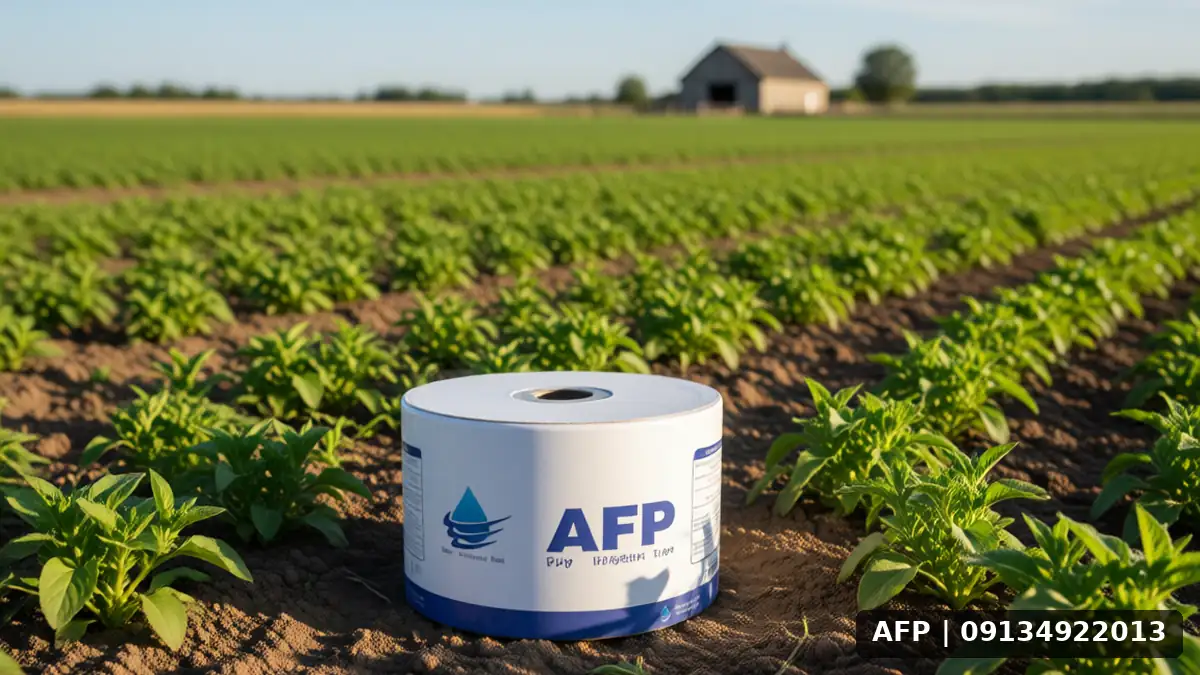
- Using high-quality pipes: Eliminate repair costs caused by the failure of thin pipes. Welded diesel pipes, 90mm in diameter with standard wall thickness, guarantee a longer system lifespan.
- Pressure Management: Adjusting pump pressure during low-demand hours reduces electricity or fuel costs.
- Water chemistry: The use of UV rays for water purification and preventing sedimentation in drip lines reduces the need for frequent cleaning and high water costs.
- Field drainage: In chickpea cultivation, if you use a sprinkler system, you should slightly increase the plant spacing to prevent over-density, which leads to antibiotic growth. This practice significantly reduces chemical costs.
Frequently Asked Questions (FAQ)
Is sprinkler irrigation cost-effective for chickpeas?
In the short term, yes, because it has lower initial costs than drip irrigation. However, in the long term, due to losses and costs associated with antibiotic use, it is less cost-effective.
What is the optimal time to start pumping for rainfed chickpea cultivation?
The optimal time is early morning or evening to prevent severe evaporation and system efficiency loss.
What is the main difference in seed and irrigation costs between these two methods?
The seed cost remains unchanged, but the total cost varies through energy consumption and irrigation. Additionally, in drip irrigation, less flush water is required, which impacts operational costs.
Conclusion and Final Recommendation
Cost management in rainfed chickpea cultivation requires a systemic approach to the entire production chain. Although simplification strategies exist, in the long term, transitioning to low-loss systems such as drip irrigation, particularly considering the foreign exchange rates in the market, is a more economically sustainable option. Farmers must consider the hidden costs of the irrigation system, in addition to seed and planting operation costs, to gain insight into the actual profitability of the crop.
Related Images
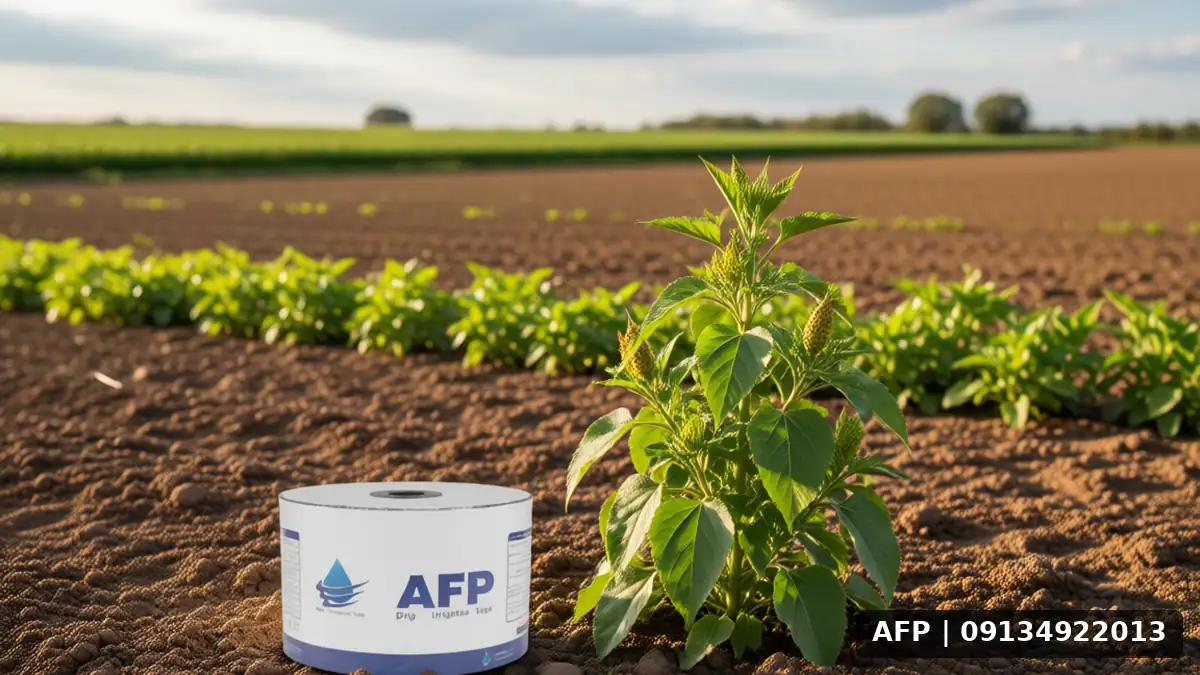
Rainfed Irrigation System Configuration for Chickpea Fields
Operational Comparison of Drip Tape Lateral Lines in the Field
Technical Review of Diesel-Powered Lateral Line Joints in the System
Related Articles: Sub-Surface Irrigation for Crops, fenugreek seed per hectar iraq, pepper yield per hectare tajik farmers guide