Per-Hectare Cost of Cultivating Parsley Using Drip Lines: A Comprehensive Economic Guide
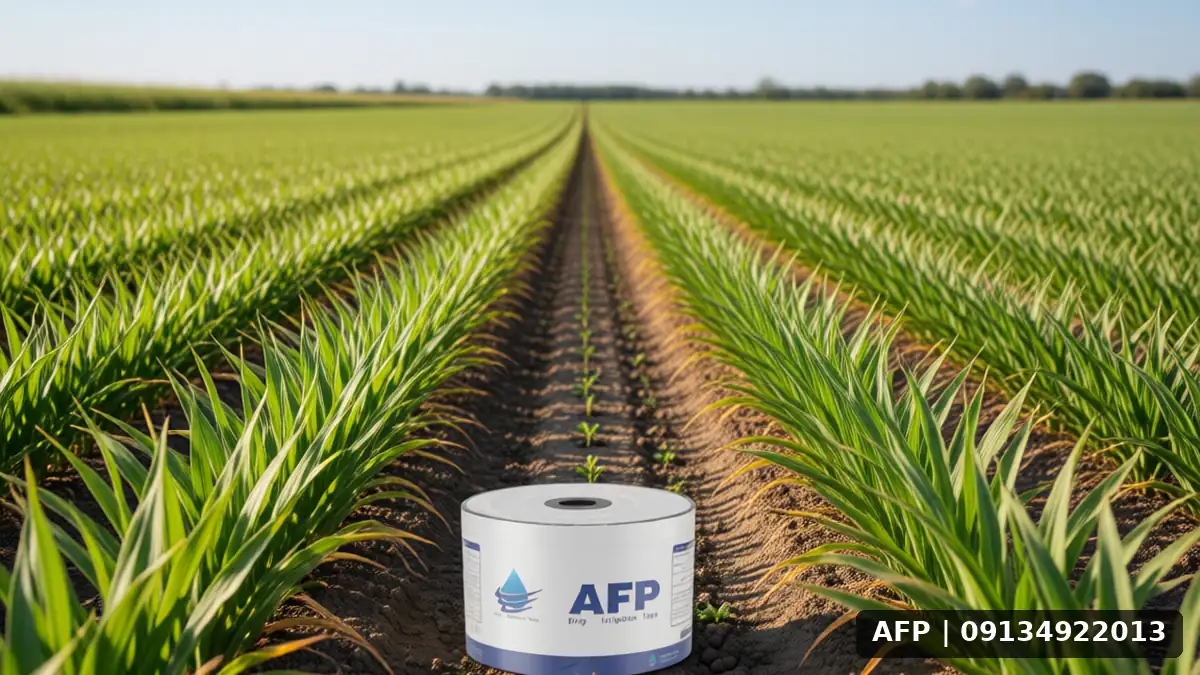
Introduction to the Importance of Cost Optimization in Lettuce Cultivation
Lettuce is one of the most popular vegetables in the Iranian market, with high demand. Farmers are constantly seeking ways to reduce production costs and increase profit margins. The main and frequently asked question is the cost per hectare of growing lettuce with drip tape exactly how much it is, and whether this initial investment is economically justifiable in the long term. Many orchard owners and farmers using conventional irrigation still struggle with severe water and energy wastage, but drip tape systems, with their innovative approach, significantly reduce these issues. Although the purchase of drip tape, pumps, and filters may seem costly at first, a precise analysis shows that water conservation, reduced labor costs, and the direct improvement in crop performance gradually offset all these expenses. The goal of this article is to explain all cost aspects accurately and realistically, without unrealistic claims, to provide a clear and practical picture of the economics of lettuce cultivation with drip tape. Understanding the nature of these costs is not only helpful for financial planning but is considered the first and most important step for dynamic farm management and achieving sustainable profitability. Therefore, carefully reading these sections is essential for any farmer planning to upgrade their irrigation system.
The Economic Position of Drip Tape in Lettuce Cultivation
Lettuce, being a crop grown in colder seasons with very rapid growth, shows extreme sensitivity to water stress and temperature fluctuations. Inconsistent or excessive irrigation can lead to fungal diseases and leaf drop, while water deficit causes growth stagnation and a reduction in head weight. Therefore, drip tape, due to its uniform, local, and controlled water distribution, as well as the significant reduction in evaporation and deep percolation, has become an ideal option. This system provides the plant with exactly the volume of water its roots require. For a better understanding of how proper irrigation management can directly impact the project’s key profitability, we recommend referring to the advantages of drip irrigation . This useful resource explains the technical details of reducing water losses and improving crop quality. Ultimately, by continuously reducing operating costs related to pumping and energy consumption, the final profit margin per kilogram of lettuce noticeably increases, and the economic risk of cultivation is reduced.
Factors Affecting Total Cost per Hectare
- Seeds and Transplants: Initial costs include purchasing high-quality export or domestic lettuce seeds, and soil and compost preparation costs.
- Irrigation System: Purchase of drip tape, installation, filtration (mesh or disk filters), and pumping equipment and tanks.
- Operating Expenses: Electricity costs for pumps, water costs (which depend on the region or district), purchase of pest control pesticides, and labor.
- Yield Rate: The actual volume of harvested product per hectare, which is the main variable determining your net profit at the end of the season.
To accurately forecast your expected yield and optimally allocate overhead costs, understanding the key factors affecting increasing lettuce yield per hectare is of critical importance. The higher the farm efficiency and yield, the lower the drip tape capital cost per kilogram produced, making the overall economic justification of the project more tangible and attractive for the farmer. This relative calculation is the key to final decision-making.
Cost Breakdown: Is Drip Tape Cost-Effective?
For a precise calculation of the cost of lettuce cultivation with drip tape per hectare, you should know that these costs are divided into two main and distinct categories: capital costs (such as purchasing physical drip tape, installing filters, buying the main pump, and tanks) and operating costs (including electricity bills, monthly water costs, chemical pesticide consumption, engineer or labor wages, and seeds). Many beginner farmers assume that drip tape costs are far beyond their budget, but by selecting the appropriate pipe size, determining the correct emitter spacing (density), and using pre-assembly equipment, this cost not only reaches a reasonable level but is significantly lower compared to losses from flood or hose irrigation. Precise analysis and separation of these two cost categories are an absolute necessity for liquidity management in different seasons of the year.
Examination of Tape Type and Its Impact on Cost
One of the most important hidden cost factors is the choice of physical drip tape type. You must decide whether to use laminated (co-extruded) or flat (single-layer) tapes. The choice of drip tape type (laminated or flat) directly affects the tape’s durability, resistance to damage, and replacement costs in subsequent years. To confidently select the best option based on your current budget, we highly recommend studying the detailed article on the difference between laminated and flat drip tape. Field experiences show that laminated tapes, due to their stronger structure against UV radiation and wear, generally have a longer useful life and reduce replacement and repair costs in the long term. This final decision must be made based on the farm’s climatic conditions, soil profile, and overall budget.
Water and Energy Costs
One of the most significant and measurable direct advantages of drip tape is the substantial reduction in water consumption (approximately 30 to 50 percent) compared to surface irrigation. This direct and decisive reduction impacts the final water bill and energy consumed by pumps. In regions with high energy costs, where electricity bills are very heavy for farmers, this section can become a main pillar for reducing cost of lettuce cultivation with drip tape per hectare and significantly advance the break-even point. Additionally, deep familiarity with the correct operational and maintenance procedures for irrigation tapes, for example by reading the complete guide on drip irrigation with tape, helps improve efficiency, transparency, and reduce unnecessary energy waste. Precise and continuous optimization of this section will directly help improve your cash flow.
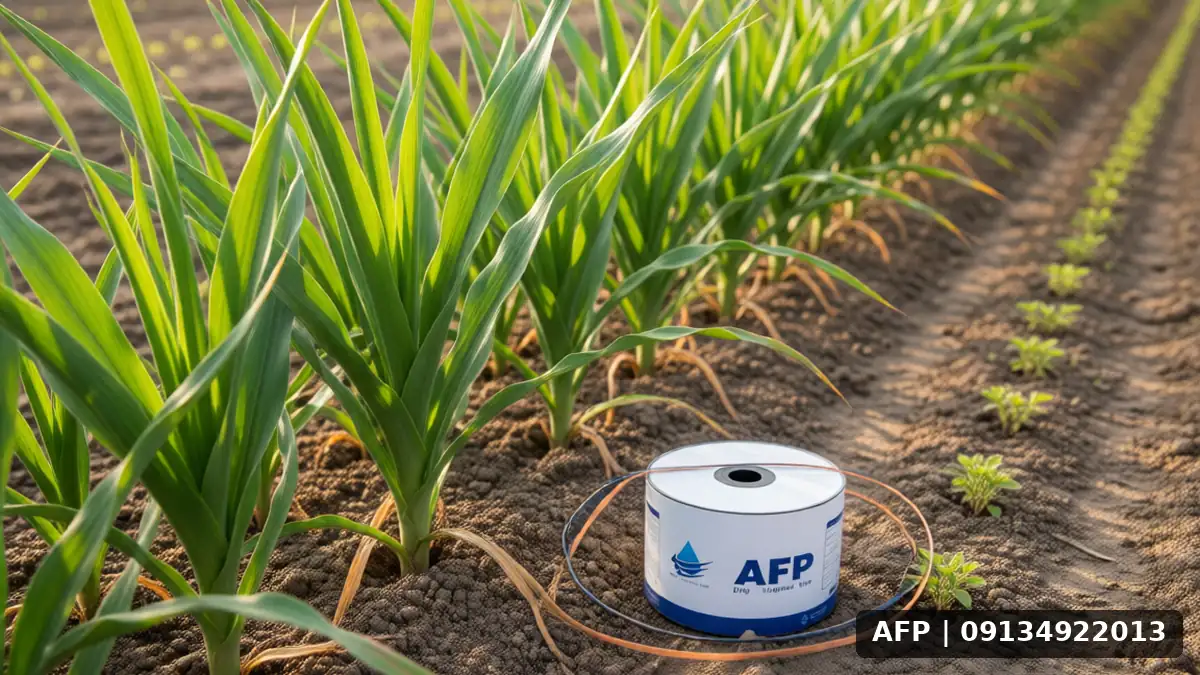
Practical Tips for Reducing Costs and Increasing Profit
To maximize the possible profit from lettuce cultivation with drip tape on your farm, careful adherence to the following technical and management points is of particular importance and should not be neglected:
- Correct filter installation: Clogging of the small holes in the drip tape is one of the biggest problems, leading to a severe reduction in irrigation uniformity and ultimately a decrease in crop yield. Investing in appropriate filtration costs from the beginning prevents paying for the high cost of replacing damaged tapes.
- System flushing management: At the end of each cropping season, remaining chlorine, chemical substances, or waste waters must be completely purged from the system to prevent the tape from becoming damaged or degraded. This simple procedure significantly extends the lifespan of the irrigation system.
- Irrigation planning based on conditions: The correct use of soil moisture sensors or even manual visual root observation to reduce unnecessary and excessive irrigation significantly reduces current water and electricity costs.
- Simultaneous planting with other crops: Sometimes, intercropping leafy greens in rotation with other vegetables and lettuce divides common costs (such as the main purchase of tape and initial infrastructure installation) between two crops and increases profitability.
Comparison with other vegetables: A broader overview
If your farm is not limited to growing leafy greens and you have crop diversity, a comprehensive understanding of the cultivation costs of other similar products can be very helpful in the optimal allocation of resources. For example, a detailed review of Basil yield per hectare indicates that management and irrigation principles in leafy vegetables are very similar, and by following similar principles for cost reduction, you achieve similar results. Also, familiarity with the yields of other vegetables per hectare helps you better manage crop rotation planning and optimize the shared irrigation system more accurately. Having this comprehensive farm view is a necessity for professional farmers.
Answer to Frequently Asked Questions (FAQ)
Is the drip tape cost for leafy greens lower than for lettuce?
If we examine the irrigation system technically, it is approximately the same, as both are leafy vegetables with similar water requirements. The main difference is in the purchase price of leafy greens seeds compared to lettuce and their sales market, which affects the final crop profitability, not the current irrigation costs.
What is the lifespan of drip tape in leafy green farming?
By following correct maintenance principles, side-welded tapes can last for 3 to 5 seasons. For more information and to increase the tape’s lifespan, be sure to read the section on drip irrigation tape maintenance and management in our articles.
Is a drip tape with a smaller diameter better suited for lettuce?
Yes, due to the rapid growth of lettuce, drip tapes with smaller diameters and higher emitter density provide better water distribution and lower initial field installation costs.
Summary: Is investing in drip tape economically justified?
Ultimately, it can be concluded that The cost of growing lettuce with drip tape per hectare is not just a fixed or variable number, but a function of execution quality, tape type, and precision in field management. By selecting the correct tape type, installing proper filtration systems, and smartly managing water and energy resources, you can reduce operating costs and increase profitability. We recommend updating your costs before starting a new growing season and using the guides available on our website to select appropriate equipment. Sustainable success requires precise planning.