Orchard Irrigation in Asparagus Cultivation: Benefits and Optimal Methods
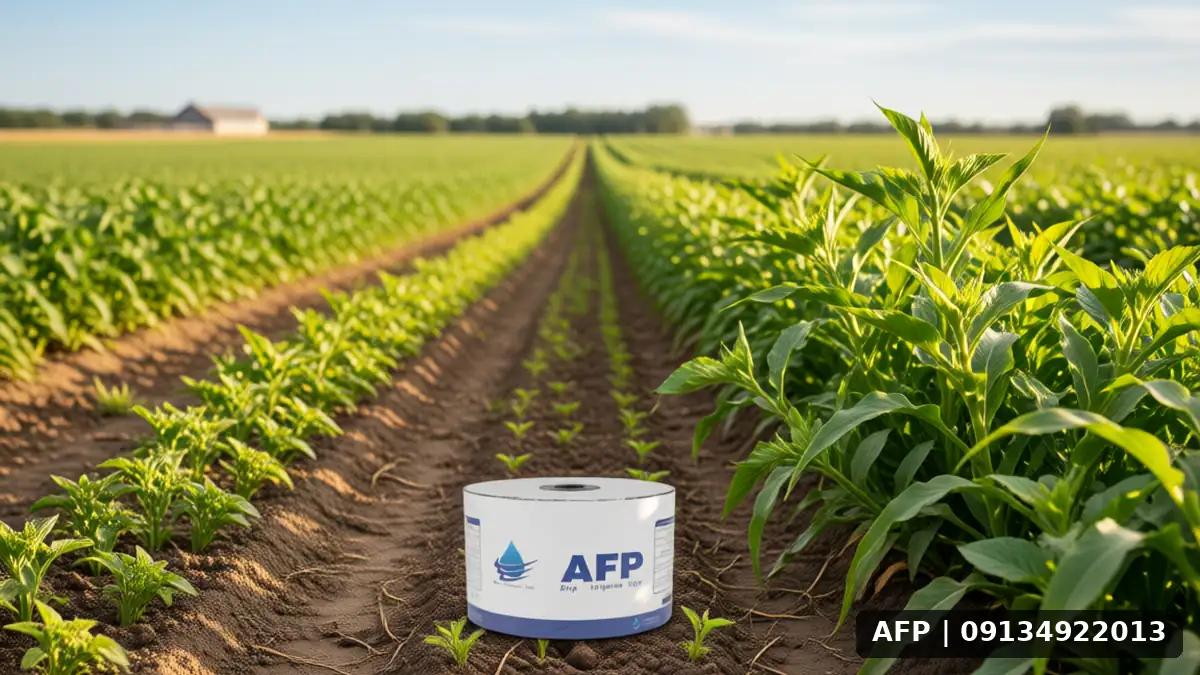
Introduction to irrigation management in asparagus and fruit orchard cropping
Asparagus cultivation is often observed as a cover or base crop in fruit orchard understories, or farmers in orchard lands utilize open spaces for vegetable crops such as asparagus. One of the main challenges in this type of intercropping is the smart management of water resources. Asparagus, due to its deep root system and variable moisture requirements, has high sensitivity to water stress. On the other hand, fruit trees also have a different water consumption pattern. Therefore, utilizing modern irrigation systems such as taper and drip, not only reduces costs but also optimizes crop quality. This approach emphasizes maintaining moisture balance and reducing vegetative hydric stress.
Next, we examine in detail how proper irrigation network design can simultaneously meet the water needs of short-lifespan plants (such as asparagus) and woody trees (fruit orchards). This approach focuses on energy efficiency, reducing soil salinity, and controlling root diseases. It is also explained how system integration can prevent resource waste and increase overall farm productivity.
Main advantages of using taper in asparagus cropping
The taper system, due to its uniform distribution of water in furrows between rows, is very ideal for row crops such as asparagus. However, when this system is employed in a fruit orchard, it brings doubled benefits:
- Reducing evaporation: With precise subsoil irrigation, the amount of water evaporated into the air is significantly reduced. This is critical in warm and dry regions where orchards are typically located and directly impacts maintaining moisture for sensitive young plants such as asparagus.
- Weed control: Since water is discharged only in designated strips, weeds remain on the dry strips, limiting their growth. For asparagus, which is sensitive to weed competition, this is a major advantage that reduces the need for herbicide use.
- Water savings: Studies have shown that using pressurized or semi-pressurized systems, such as tape lines, reduces water consumption by up to 30 percent compared to surface (flood) irrigation. This can be Tent, Furrow, Strip and Drip Irrigation explored in greater depth to understand the subtle operational differences of these methods.
- Enhanced nutrient uptake: Fertigation is possible with drip tape systems. This method delivers nutrients in solution directly to the asparagus root zone, increasing uptake speed and minimizing chemical waste.
Technical differences in selecting drip tape for orchards
Selecting the type of drip tape (side-seam or flat tape) is a key technical consideration. In fruit orchards where piping may be more complex, understanding the difference between these two types aids in optimal selection. Incorrect selection can lead to premature fitting rot or inadequate water delivery.
- Side-seam drip tape: It has a lower cost and faster installation. However, fittings may be weaker under impact pressures. This type is more suitable for privately owned farms with a limited initial budget.
- Flat (plate) drip tape: It offers higher durability and is better suited for networks requiring greater resistance to mechanical stress. Separate separator plates allow for dividing sections of the channel.
To better understand these differences, you can refer to the difference between taped and plate-connection side drip tape for reference. Additionally, for comparison with other similar systems in woody crops, studying emitters per hectare can help in understanding general resource management principles, although it is a more specialized topic.
Practical tips for implementing a combined irrigation system
Implementing an irrigation system for asparagus cultivation on orchard beds requires precision in network design. The following key points are provided, and adhering to them prevents system failure:
1. Grading and pipe continuity
Use of transparent pipes with appropriate diameter (such as 90mm flexible pipe) is vital for the primary water distribution along orchard rows. Ensure that the ground slope is accounted for and that pressure drop at the end of the lines does not exceed limits. Precise adjustment of the inlet pressure for each drip tape gradient is essential to prevent either over-spray or insufficient coverage.
2. Irrigation Scheduling
Broccoli requires frequent, low-volume irrigation throughout its growing season. Currently, fruit trees at different growth stages (bud formation, maturation, maintenance) have varying needs. It is preferable to supply the broccoli irrigation schedule through a separate drip system or a dedicated inclined drip tape line to avoid temporal interference. This temporal separation ensures that the moisture required for broccoli does not conflict with the needs of the fruit trees.
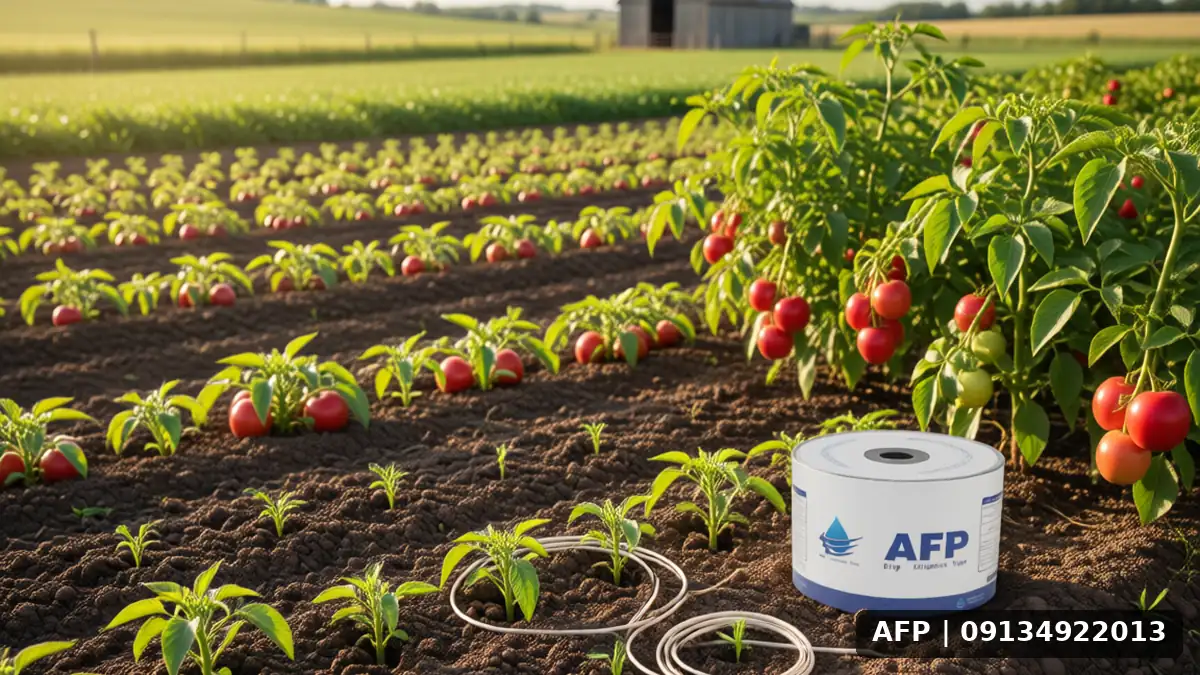
3. Attention to Row Spacing
In fruit orchards, row spacing may range from 2 to 3 meters or more. Drip tape should be installed so that only the sections corresponding to the broccoli crop are active. When using modular drip tape, specific modules can be activated or deactivated, providing high flexibility for intercropping. This flexibility facilitates rapid crop switching.
Economic and Efficiency Analysis
Is broccoli cultivation in fruit orchards economically justifiable? The answer depends on soil quality, labor costs, and yield levels. Proper irrigation implementation reduces the risk of crop failure. Although this article does not directly examine product pricing, it can illustrate how White onion yield per hectare It is managed using similar irrigation methods. The general principles of space and water efficiency in woody-root vegetables such as asparagus and onion are very similar, and experience with one aids the other.
Frequently Asked Questions (FAQ)
Is dripline better than drip for asparagus?
For row crops with close spacing like asparagus, dripline is usually cheaper and more efficient, unless precise moisture control with full coverage is required. In orchards, where long distances exist, dripline allows for longer coverage and has lower maintenance costs.
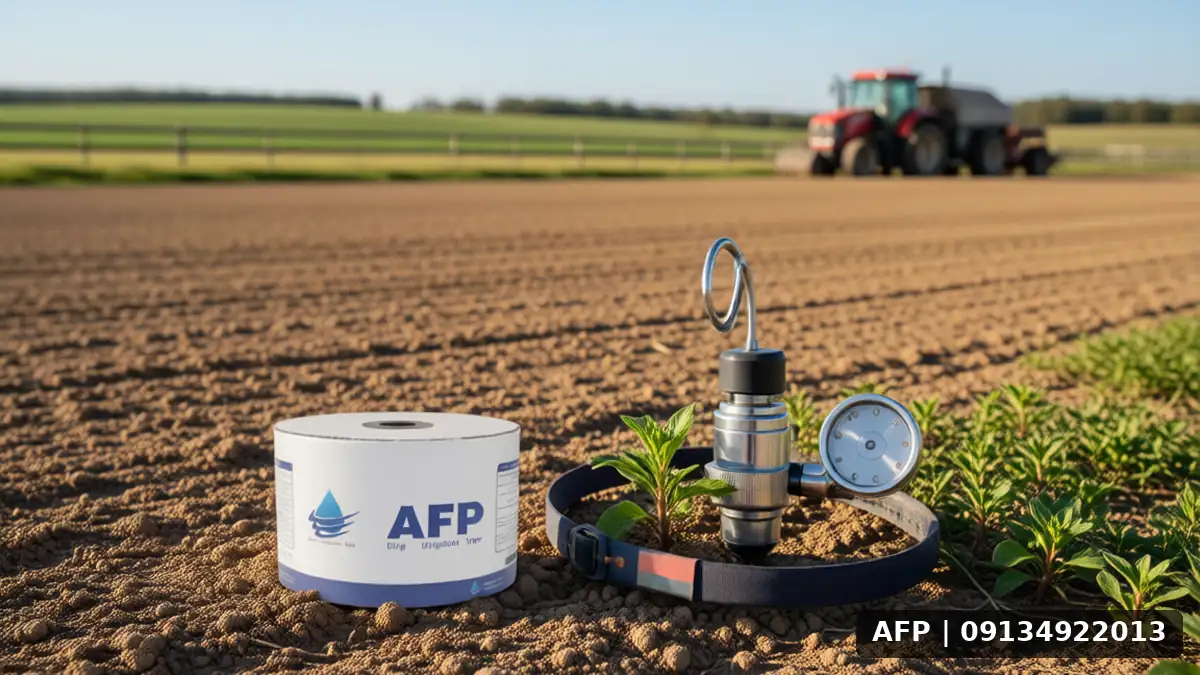
Do I need a stronger filter?
Yes, in orchards where higher levels of debris or sediment may be present, the use of sand media or fine mesh screen filters is mandatory to prevent dripline clogging. Clogged driplines lead to uneven water distribution and reduced overall system efficiency.
What is the best time to plant asparagus in the garden?
The optimal planting time varies by regional climate; however, autumn or spring planting is generally the most effective period to allow the plant to complete its growth cycle before extreme heat or severe cold. Aligning the planting schedule with the tree irrigation program is key to success.
Conclusion
Using drip irrigation systems in fields where asparagus is intercropped with orchards is a win-win strategy. This approach not only helps reduce water and energy costs but also improves asparagus quality and final yield by creating a uniform growing environment. Choosing between plate-type or side-sutured drip lines, along with proper calibration of the discharge coefficient, are critical factors for the success of this intercropping system. Farmers are advised to consult a specialist regarding local soil and water conditions before final implementation and to optimize the network design based on local data.