Orchard Irrigation for Asparagus Cropping: A Comprehensive Guide
Introduction: The Need for Precise Water Management in Broccoli Cultivation
Broccoli is a root-forming plant that, due to its rapid growth and high moisture requirements in early stages, necessitates precise water resource management. While many farmers have focused solely on tree fruits, Irrigating Orchards in Broccoli Cultivation is a specialized challenge that requires an in-depth understanding of soil, irrigation system type, and timing. Using traditional methods such as furrow irrigation not only causes water waste but can also damage the plant’s root system. In this guide, we examine the technical details of pressurized systems, specifically the differences in irrigation across varieties and their impact on final yield. The goal is to leverage current knowledge to optimize water consumption while enhancing product quality.
Understanding the Broccoli Plant and Irrigation Requirements
Broccoli is a perennial plant that, in the first years after planting, directs its primary energy toward establishing a strong root system and initial branches. Therefore, regular, low-dose, but high-frequency irrigation is critical for this plant. Severe fluctuations in soil moisture can lead to fine cracks in the stems and reduce the final product quality. To better understand watering patterns, recognizing the plant’s growth stages is essential. Broccoli is highly sensitive to sudden changes in moisture; therefore, the irrigation system must be designed to maintain consistent moisture in the root zone.
Water Stress-Sensitive Stages
- Seedling Stage: Requires surface soil moisture to form new roots. Drought stress at this stage results in stopped growth and weak stalks.
- Growth period of new branches: Requires sufficient water at depth to support rapid growth. This stage has the highest water demand and requires special attention.
- Flowering period: High sensitivity to drought, which can lead to poor flower adhesion and reduced fruit set percentage.
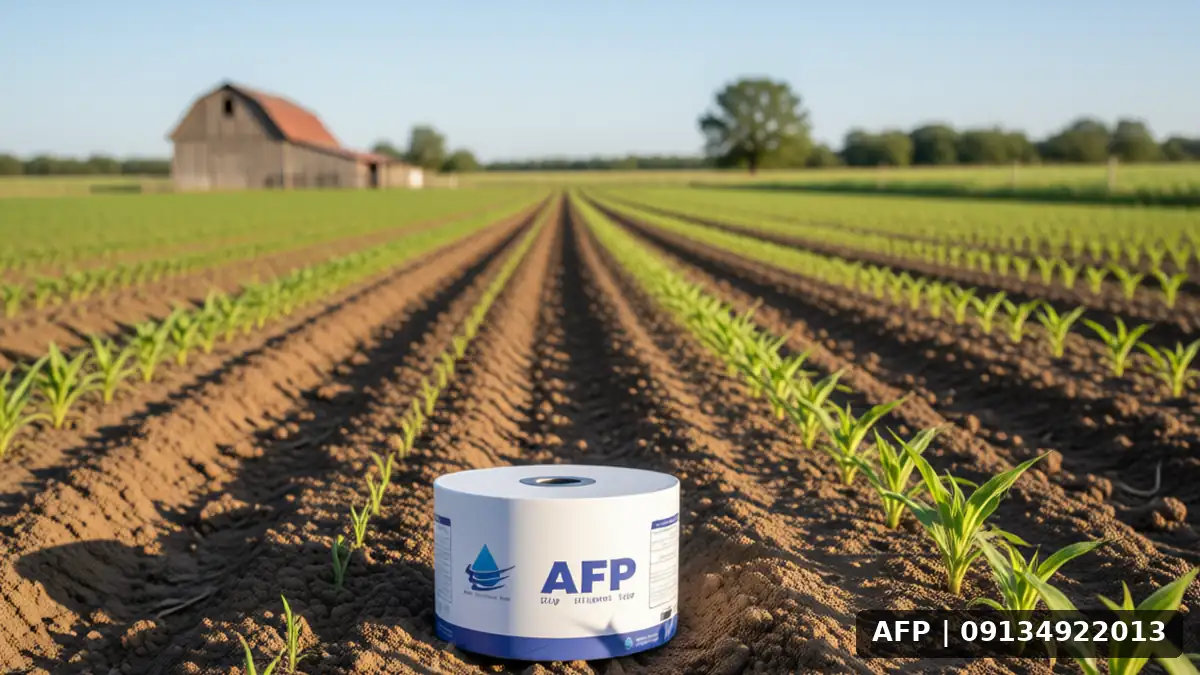
In this regard, studying key points before installing drip tape in the field can serve as a good guide for initial planning, as drip tape is the primary tool for supplying surface broccoli roots. Adhering to these points guarantees better system performance throughout the season.
Comparison of drip tape and drip systems for broccoli
The choice between drip tape and drip systems depends on planting distance and soil type. Drip tapes are generally laid in lines beneath young branches and discharge water in narrow, focused strips around the roots. This method is suitable for bush-type broccoli varieties. In contrast, drip emitters deliver water point-to-point at defined intervals. Both methods have their advantages, and the correct choice depends on field conditions.
Benefits of T-rip Drip in Asparagus Cultivation
- Uniform moisture distribution in the active root zone.
- Reduced leaching of nutrients from the soil surface to depth.
- Capability to integrate with the tape line for fertigation.
Benefits of Drip Irrigation
- Greater flexibility in varying layouts.
- Reduced weed growth between rows due to decreased surface moisture between drippers.
When selecting appropriate components, it is helpful to consider the benefits of Stitch-Through drip tape, which offers better resistance to clogging by salts. This resistance is important for asparagus and reduces the need for continuous maintenance while extending the operational life of the equipment.
Comprehensive Irrigation System Design Guide
Correct system design Irrigation of fruit orchards in asparagus cultivation This requires precise calculation of the flow rate and irrigation duration for each section. For example, if the planting distance for asparagus is 40 cm within a line and 1 m between lines, the use of drip tape with a flow rate of 8 to 12 liters per hour per meter of tape length is recommended. Calculations must be based on soil water holding capacity and plant requirements.
Pressure and flow rate calculation
- Operating pressure: Typically between 1.5 and 2 bar for standard drip tape.
- Irrigation Time: Calculated based on soil water holding capacity. For clay soils, use longer duration with lower flow rate; for sandy soils, use shorter duration with higher flow rate.
Additionally, to better understand irrigation scales across different farms, study Advanced drip irrigation solutions in various regions can provide better insight into climatic challenges. This study helps create better compatibility with your specific farm conditions.
Practical Tips for Installation and Operation
Proper system execution does not end with installation. The following points are essential for optimal performance, and adhering to them prevents problems during the season. Advance planning must include scheduling for maintenance and cleaning.
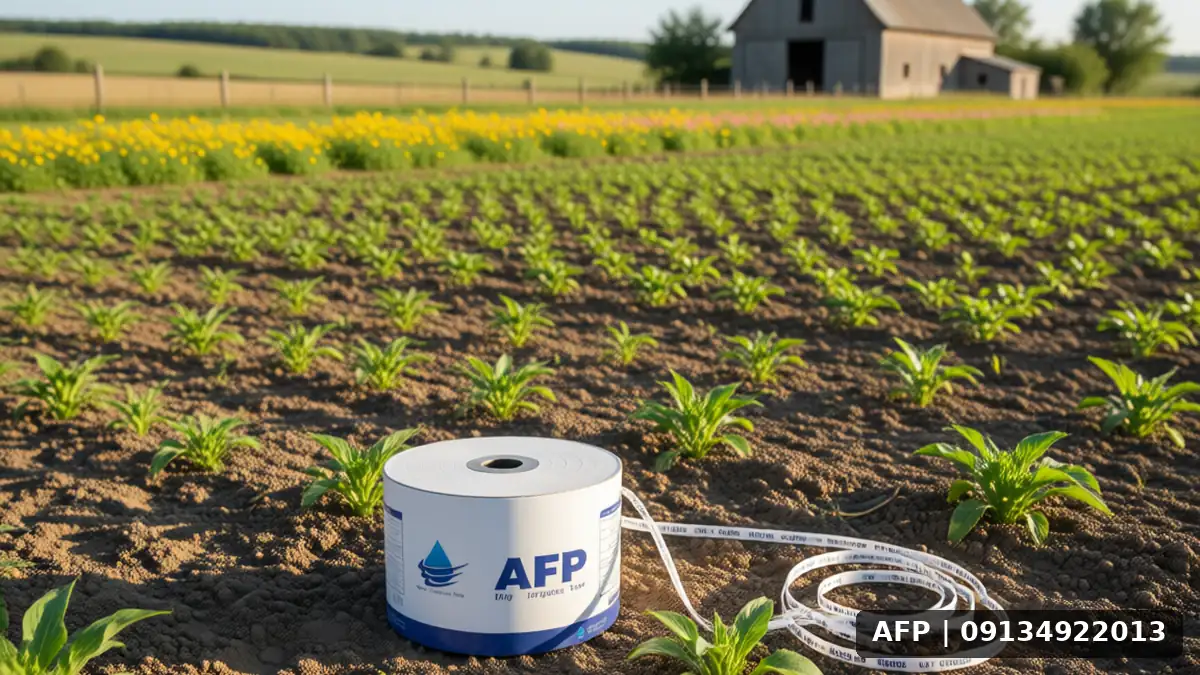
- Relaxation and flushing: Before the season starts, flush pipes and filters, and ensure adequate porosity. This reduces filter clogging.
- Managing the weakest point: Always set pressure based on the system’s weakest point, not the strongest. This maintains system balance.
- Soil moisture monitoring: Use tension meters or digital soil moisture sensors to determine irrigation timing. Regular monitoring is key to success.
- Removing drip lines during harvest: Be careful that polyethylene drip lines do not get caught on or torn by machinery during asparagus harvest. Damaging drip lines is costly.
It is important to know that part prices are variable and are influenced by many factors. For general information, you can Price guide for 20 cm drip tape review, but always prioritize product quality over price. Using tapes with lower dynamic ratings ensures system longevity and reduces long-term costs.
Frequently Asked Questions (FAQ)
Can drip tape be used for tree crops?
Yes, but considering root depth. Asparagus has a shallow root system, so drip tape is ideal. For deeper-rooted trees, you may need deep emitters or a combined system. The choice of emitter type depends on the root depth of the plant.
When should the irrigation system be reviewed?
After each harvest season and before re-planting, inspect all connections, fittings, and drip tapes to prevent microbial or sediment clogging. These reviews increase the system’s lifespan.
How is steel cabbage fertilization performed?
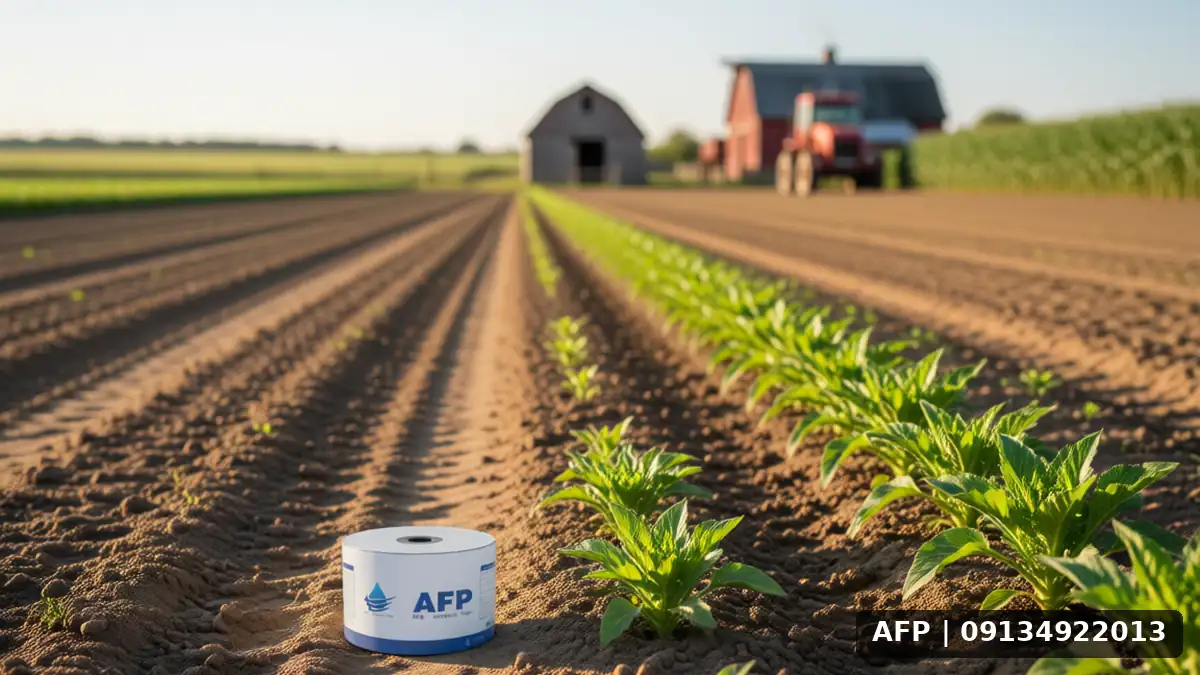
Using a drip tape irrigation system, combine dissolved nutrients with water flow. This practice reduces nutrient waste and enhances root uptake. For similar planting patterns, studying new versions of farm management software can aid in nutrition planning. Fertilization through the irrigation system is an efficient and precise method.
Conclusion
Successful Management Orchard Fruit Irrigation in Cabbage Cultivation It is a combination of botanical knowledge, hydraulics, and farm management. Using drip tape and drip systems not only reduces water costs but also improves cabbage quality. By adhering to design principles, precise installation, and continuous monitoring, maximum efficiency can be achieved. Investing in high-quality equipment and continuous knowledge acquisition is the key to success in this field. Farmers can refer to specialized resources such as Key considerations before installing drip tape in the field and similar articles, understand general farm management patterns, although each grape and fruit variety has its own unique characteristics. Continuous learning and adaptation to local conditions are the ultimate solutions for achieving desirable quality and quantity yields. Also, reviewing Price guide for 20 cm drip tape can be helpful for initial budgeting. Ultimately, integrating new technology and more precise agriculture charts a bright future for the development of orchard products in the region. Any action taken to reduce water loss and increase efficiency is a step toward the sustainability of natural resources.
Related articles: mung bean seed rate per hectare afghanistan