Node Irrigation in Rosemary Cultivation: Applications, Practical Tips, and Complete Guide
Introduction to Drip Node Irrigation in Rosemary Cultivation
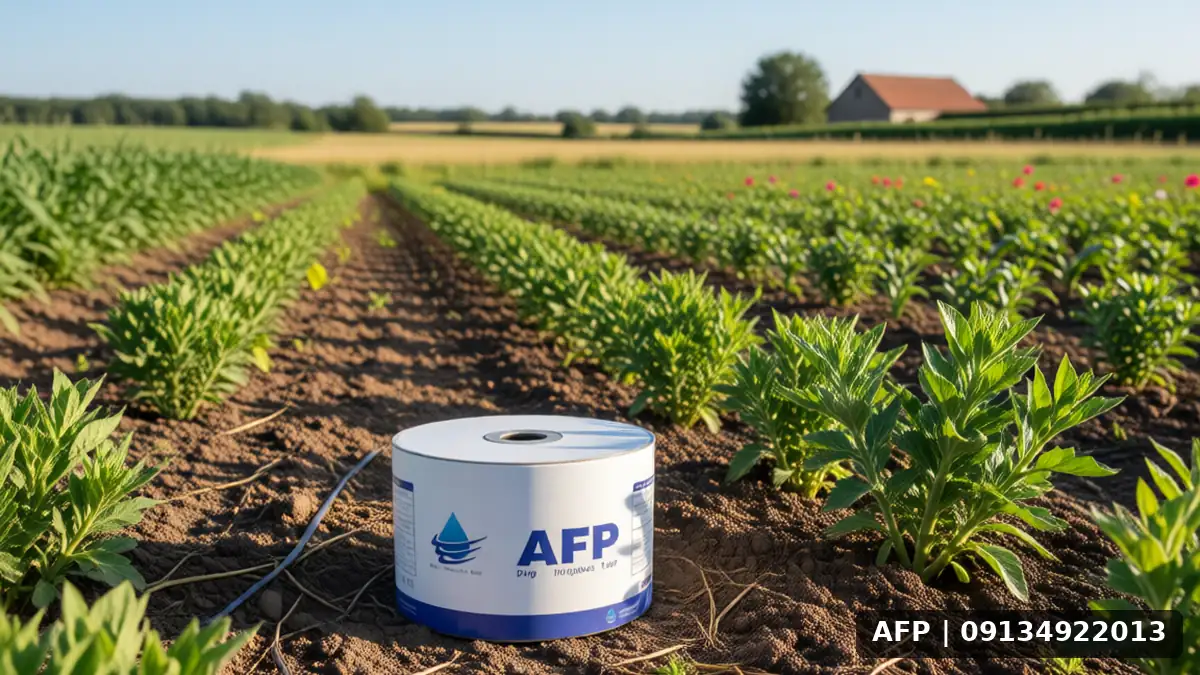
As one of the most in-demand medicinal and edible herbs, rosemary requires precise water resource management to maintain quality and increase production tonnage. In recent years, modern irrigation systems have replaced traditional methods, and Drip Node Irrigation for Rosemary is recognized as one of the most effective approaches. By distributing water and nutrients precisely and locally within the root zone, this system simultaneously reduces water consumption and enhances efficiency. If you are looking for a solution that relieves balancing pressure and improves plant quality, familiarizing yourself with the applications of this technology is vital.
Technical Principles of Drip Node Irrigation and Why It Is Suitable for Rosemary
Drip Node Irrigation, or Drip Node Irrigation, is a system where drippers or irrigation tape are equipped with Flow Control nodes. These nodes create constant hydraulic resistance, keeping the output discharge rate independent of pressure differences along the line. For rosemary cultivation, which is typically planted at specified row spacing, this uniformity in water distribution is critical. Heterogeneities in soil drainage or natural field slopes can cause waterlogging on one side and drought on the other, but Flow Control nodes neutralize these fluctuations.
On the other hand, rosemary is a plant sensitive to root rot. The pressure-compensating system, with its precise control of water infiltration rate, ensures that the drain saturation level remains optimal and prevents long-term waterlogging of the roots. This is particularly important in Iran’s semi-arid climates, where fluctuations in groundwater or surface water quality are observed. To learn more about drip line cost comparisons and structure, you can read ‘How much is the cost of a drip line per hectare?’ to gain a better understanding of the initial investment section.
Specialized applications of pressure-compensating irrigation in rosemary fields
1. Uniform water distribution on sloped fields
Many rosemary crops are grown in mountainous or foothill regions with moderate to steep slopes. Under these conditions, using simple pressure-sensitive emitters can cause water to move faster with higher pressure and deeper penetration at the lower end of the field. Pressure-compensating emitters eliminate this problem. A direct application of this technology allows rosemary to be planted on slopes that previously struggled with unequal water distribution. This uniformity ensures that all plants in the rows, whether at the top or bottom, benefit equally from water and nutrient resources.
2. Precise Fertigation
One of the most important applications of pressure-compensating irrigation for rosemary is its suitability for fertigation. Rosemary requires accessible phosphorus and potassium for good growth. In pressure-compensating systems, the stable flow allows nutrients to be uniformly dissolved in the water solution via the fertilizer injection system and delivered directly to the root zone. This minimizes fertilizer loss. To better understand the overlap of irrigation systems with other products, you can refer to the guide on Irrigation performance for beans per hectare Refer to it, which explains similar principles of water and nutrient management.
3. Leachate Management and Salinity Reduction
In Iran’s arid regions, the salinity of agricultural water is a major challenge. Rosemary has relative salt tolerance, but continuous increase in soil surface salinity leads to yield reduction. The node system, with its ability to quickly adjust discharge flow rate, allows the farmer to apply a larger volume of water at specific times to flush out surface salts. This flexibility in soil salinity management is considered another vital application of this technology.
Practical Tips for Implementing Rosemary Node Irrigation
Proper installation of a node irrigation system requires adherence to specific technical principles. Neglecting these points can lead to system cost overruns or reduced effectiveness.
- Selecting the Node Type: In various markets, filtered and unfiltered nodes are available. For rosemary, which is typically irrigated with water from shallow wells or surface collection, using nodes equipped with internal filters or central pump filters is important to prevent clogging of the nodes.
- Number of drippers per meter: The spacing of drippers for rosemary is typically adjusted to 10 to 20 centimeters. In a pressure-compensating system, each dripper has a pressure-compensating diaphragm. It is essential to check the flow rate of each diaphragm under standard pressure conditions and ensure it meets the root water requirements of rosemary.
- Packing of tubes: Pressure-compensating tubes are typically made of polyethylene with a UV protective layer. For rosemary cultivation in open fields, placing the tube on the soil surface or using a sub-surface drip line should be done with caution to prevent direct sunlight from damaging the pressure-compensating diaphragms.
- System pressure management: Each pressure-compensating system has a specific working pressure range (e.g., 1 to 5 bar). The farm’s pumping unit should be configured so that the pressure at the start and end of the main line remains within the specified range while maintaining flow rate.
Additionally, familiarity with the various types of drip tapes will help you select the best combination for your farm. It is recommended that you read the article Types of Drip Tapes and Their Performance Study the differences to compare the technical specifications of the node systems with other options.
Advantages and Limitations of Node Systems
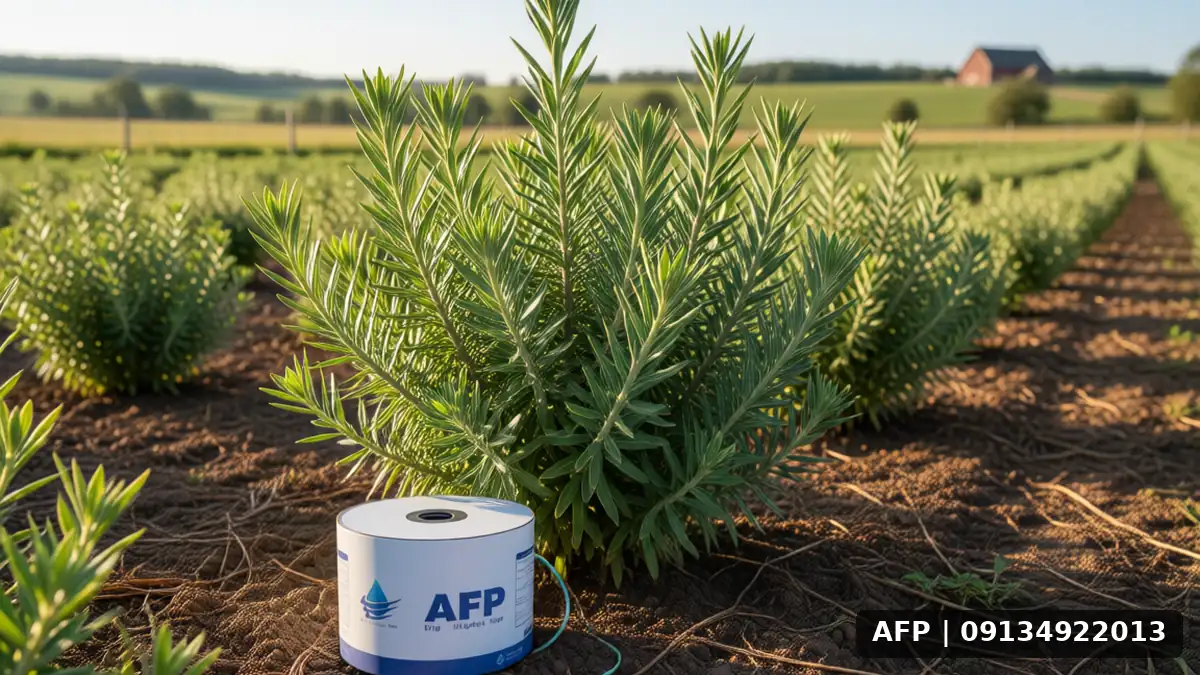
As reviewed in previous sections, the primary advantage of this system is uniform distribution. However, like any technology, it has limitations. The most significant one is the risk of node clogging if chlorinated water or poor filtration is used. Therefore, maintaining the farm’s filtration system is the top priority. A good filtration system can increase the service life of the nodes from 5 years to 15 years. Additionally, while the initial cost of a node system is slightly higher than standard drip emitters, the savings from reduced pump energy consumption and increased water efficiency result in a payback period of 3 to 4 years.
To better understand the economic cycle of irrigation systems for different crops, refer to the guide for Yield per Hectare for other products to compare similar return on investment patterns.
Frequently Asked Questions (FAQ) About Rosemary Node Irrigation
Is node irrigation cost-effective for small-scale rosemary farms?
For small farms under half a hectare, the installation costs of a node system may appear relatively high. However, in the long term, this cost is offset by reducing the need for labor in manual irrigation and minimizing water waste. It is recommended that small farms use shorter pipes and lower-power pumps to reduce energy costs.
What is the optimal row spacing for rosemary when using node tape?
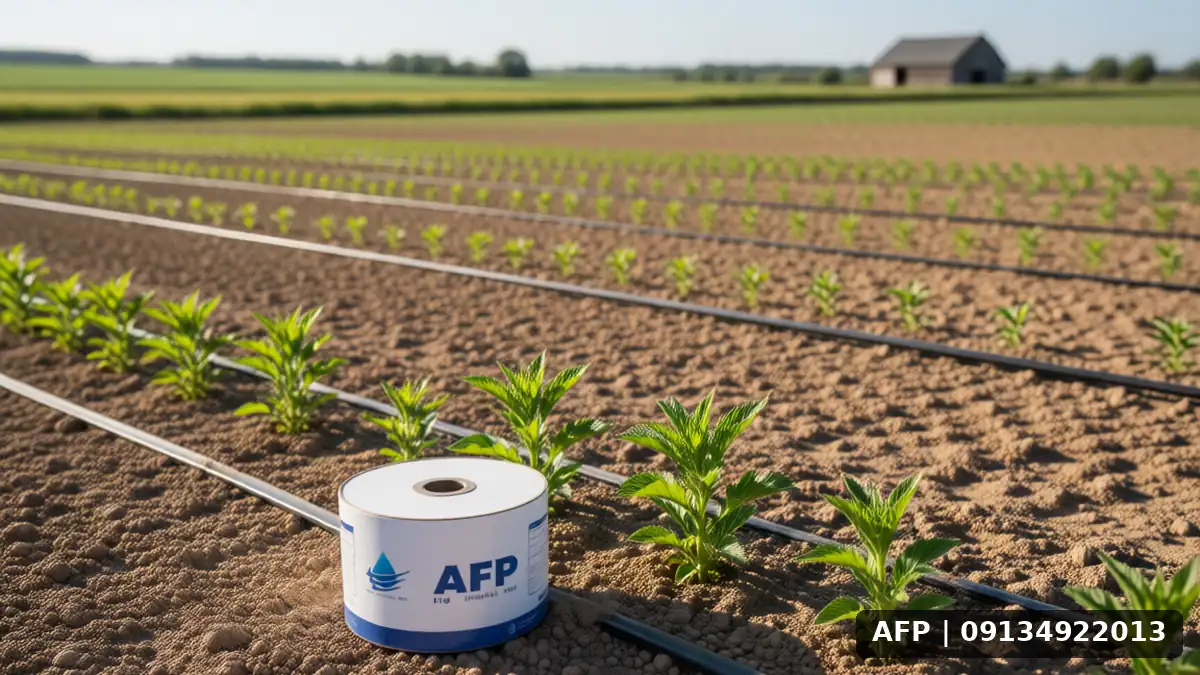
Rosemary row spacing is typically between 80 and 100 cm. Place the node tape exactly in the center of the row or at a distance of 15-20 cm from the plant. This spacing ensures that roots have easy access to water sources without directly wetting the leaves, which reduces the risk of early fungal infections.
How can we prevent clogging of nodes?
The key is using disc filters or screens with appropriate ratings (for example, 120 mesh for small nodes) and periodically washing the filters. Additionally, injecting a small amount of acid during cold seasons can be useful to maintain pipe clarity.
Can a node system be used simultaneously with artificial rainfall irrigation?
No, these two systems are typically alternatives to each other, and simultaneous use is not recommended because it creates excessively wet conditions for rosemary roots and increases fungal diseases. You must choose one: the dripper system for higher precision at the soil level, or the spray system for washing stems and leaves.
Conclusion and Final Recommendations
Drip irrigation for rosemary represents a revolution in water resource management for this valuable medicinal plant. By ensuring uniform distribution of water and nutrients, this system enables cultivation on steeper slopes and reduces salt stress. Success in this system requires attention to operational details such as filtration, selecting drippers suitable for the desired flow rate, and regularly monitoring system pressure.
Given the importance of water economy in Iranian agriculture, transitioning to smart, remotely controllable systems (Smart Drip) is a new trend. Flow control drippers are fundamental to this technology. We recommend that farmers consult with irrigation technical advisors before purchasing a system and test on a small scale. By combining technical knowledge with practical experience, your rosemary farm will become a hub for sustainable and high-quality production. Familiarity with other salt-sensitive crops like quince and beans can also help you develop a similar pattern for your mixed farm, for example, a guide on Increasing Lettuce and Quince Yield per Hectare.