Node Irrigation in Garlic Cultivation: A Comprehensive and Specialized Guide
Introduction: The Importance of Precise Water Management in Garlic Cultivation
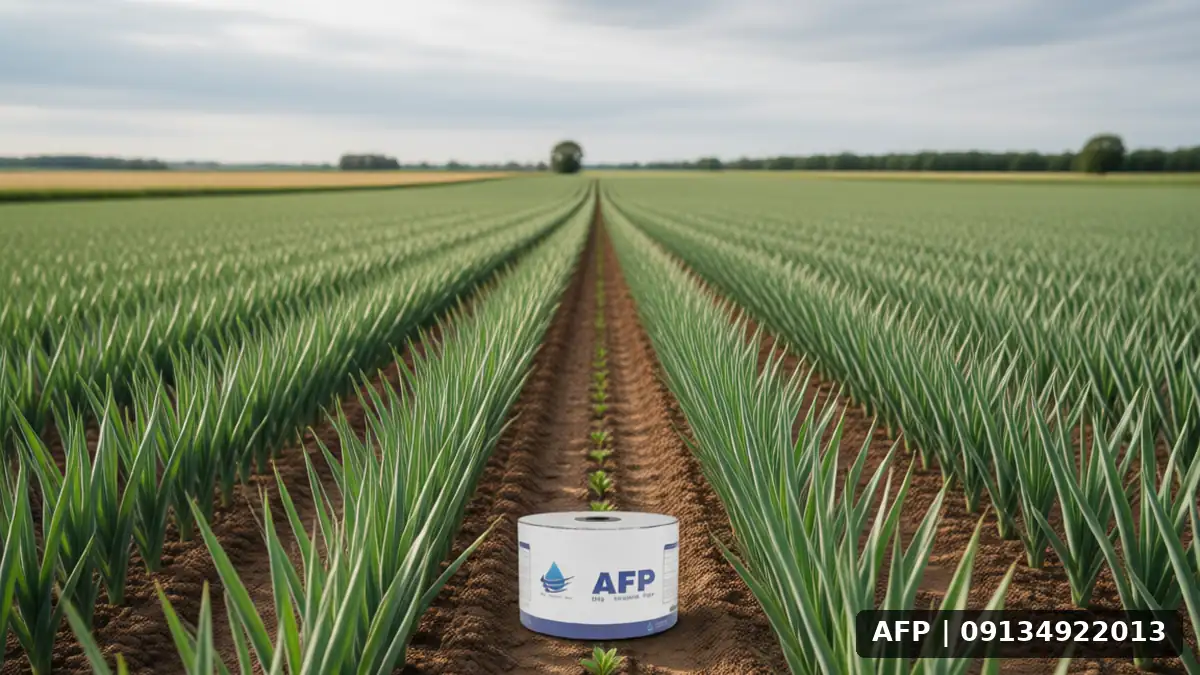
Garlic is one of the most important bulb crops that exhibits high sensitivity to soil moisture conditions. In Iran’s climate, characterized by water scarcity and drought, the use of conventional irrigation methods such as flood irrigation not only leads to water waste but also causes abnormal plant growth, fungal diseases, and a reduction in final product quality. In this context, node drip irrigation or advanced drip systems are recognized as a key technology for enhancing water use efficiency. By precisely supplying the required moisture to plant roots, this method enables more uniform growth of cloves, ultimately leading to a significant increase in yield per unit area.
The objective of this comprehensive guide is to examine the various technical and practical dimensions of node drip irrigation for garlic cultivation. In this article, we have attempted to answer the most relevant questions from farmers in simple yet specialized language and to provide a clear roadmap for implementing this system. From selecting the appropriate drip emitters to irrigation scheduling, all important details are explained in the following sections.
Principles of Operation of Node Drip Irrigation Systems in Garlic Cultivation
Differences Between Node Drip Irrigation and Standard Drip Irrigation
Many farmers assume that node drip irrigation is merely a trade name for drip emitters. In reality, irrigation nodes (such as pressure-compensating or plug types) possess unique hydraulic characteristics. In garlic cultivation, where planting density is typically high and inter-row space is limited, the node system appears to be the optimal choice due to its more uniform flow and lower susceptibility to clogging. These systems typically feature small, constant flows (e.g., 1.6 or 2 liters per hour), which is ideal for supplying water and applying fertigation to garlic roots.
Key Benefits for Improving Garlic Bulb Quality
- Moisture Control at Critical Stages: Garlic requires stable moisture levels during bulb formation. Significant fluctuations in soil moisture can cause bulb splitting or underdevelopment. Drip irrigation eliminates these fluctuations.
- Reducing Surface Soil Salinity: In flood irrigation methods, salts accumulate on the soil surface, which can damage garlic. Drip emitters distribute salts within the root zone, and periodic leaching manages salt deposition.
- Increasing Water Use Efficiency: Water savings of up to 40 percent compared to surface irrigation can be recorded, which is vital for water-scarce regions.
Practical Guide to System Installation and Configuration
Selecting Drippers and Row Spacing
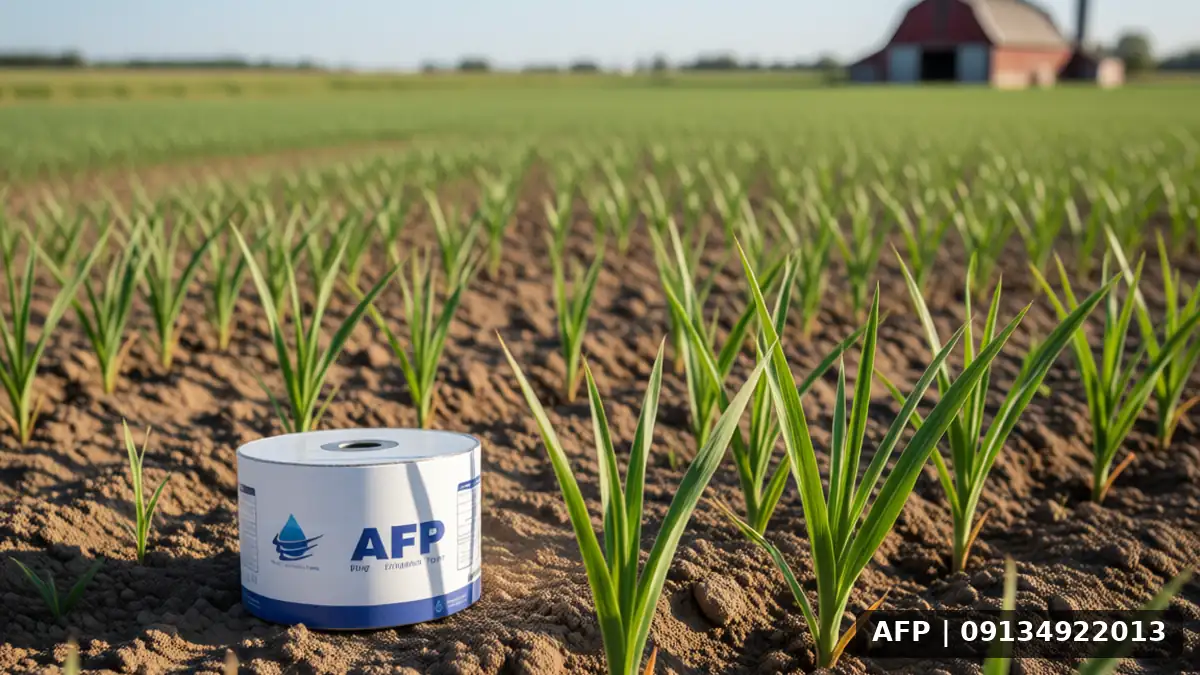
For garlic cultivation, it is recommended to use pressure-compensating (PC) drippers with a flow rate of 1.6 or 2 liters per hour. The spacing between drippers is typically set at 15 to 20 centimeters. This spacing must align with the dimensions of the planting ridge (wedge) at the time of planting to ensure roots are positioned exactly within the wetted zone. If you have high planting density in your fields, it is preferable to use drip lines with internal pressure regulators to guarantee uniform water distribution along the entire length of the tube.
Irrigation Scheduling Based on Growth Stages
- Germination to leaf formation stage: Frequent but low-volume irrigation (every 2 to 3 days) to stimulate root establishment.
- Vegetative growth and bulb formation stage: Increase the irrigation frequency to every 4 to 5 days, but extend the duration of each irrigation session. This stage represents the most critical period for water supply.
- Maturity stage: Gradual moisture reduction one to two weeks before harvest to increase storage longevity and prevent bulb rot during storage.
Nutrient management and disease prevention
One of the greatest advantages of drip irrigation is the ability Fertigation . In garlic cultivation, the correct use of nitrogen fertilizers during the growth stage and potassium during the bulb formation stage directly affects final yield weight. Injecting fertilizer through the irrigation system ensures better nutrient uptake. In this context, reviewing specialized resources on seed rates per hectare and the nutritional requirements of similar crops can provide a better understanding of the fertilization sequence.
In addition to nutrition, chemical disease management is also performed through the irrigation system. To prevent pipe clogging, the use of an appropriate filter (disc or mesh with a 100-120 rating) is mandatory. Also, in drip systems, due to the sensitivity of drippers, it is essential to disinfect the system with oxidizing agents such as chlorine at the beginning and end of each growing season. For those using tape systems, understanding the differences in salinity and moisture management is very important; you can gain a more comprehensive view of selecting the appropriate system for your farm by studying tape spacing and modern irrigation methods.
Frequently Asked Questions (FAQ)
Is the initial cost of node irrigation for garlic justifiable?
Although the initial installation cost of drip and node systems is higher than open-channel irrigation, considering the savings in water consumption, pump electricity, and labor, along with a 20 to 30 percent yield increase, the break-even point is typically reached within the first or second growing season. In particular, if the market price for high-quality garlic is higher than for ordinary garlic, the return on investment will be faster.
How can we prevent clogging of node drippers?
The main causes of clogging are mineral deposits, green algae, and sand particles. The primary solution involves three steps: 1. Installing an appropriate filter, 2. Using clean water from a well or tank, and 3. Periodic flushing of the system with roccoon. Additionally, exposing drippers to intense direct summer sunlight without adequate shade can promote algal growth; therefore, using UV-resistant hoses or creating shade in some cases is recommended.
Can harvested garlic stalks be used as mulch?
Yes, mulching in node irrigation systems is highly effective. Garlic stalks remaining after bulb harvest can be spread on the soil. This practice helps maintain soil moisture, prevents garlic clove splitting due to severe dryness, and reduces irrigation needs. This technique is very common and effective in garlic farms in northern Iran and semi-arid regions.
Conclusion: Final steps for a successful farmer
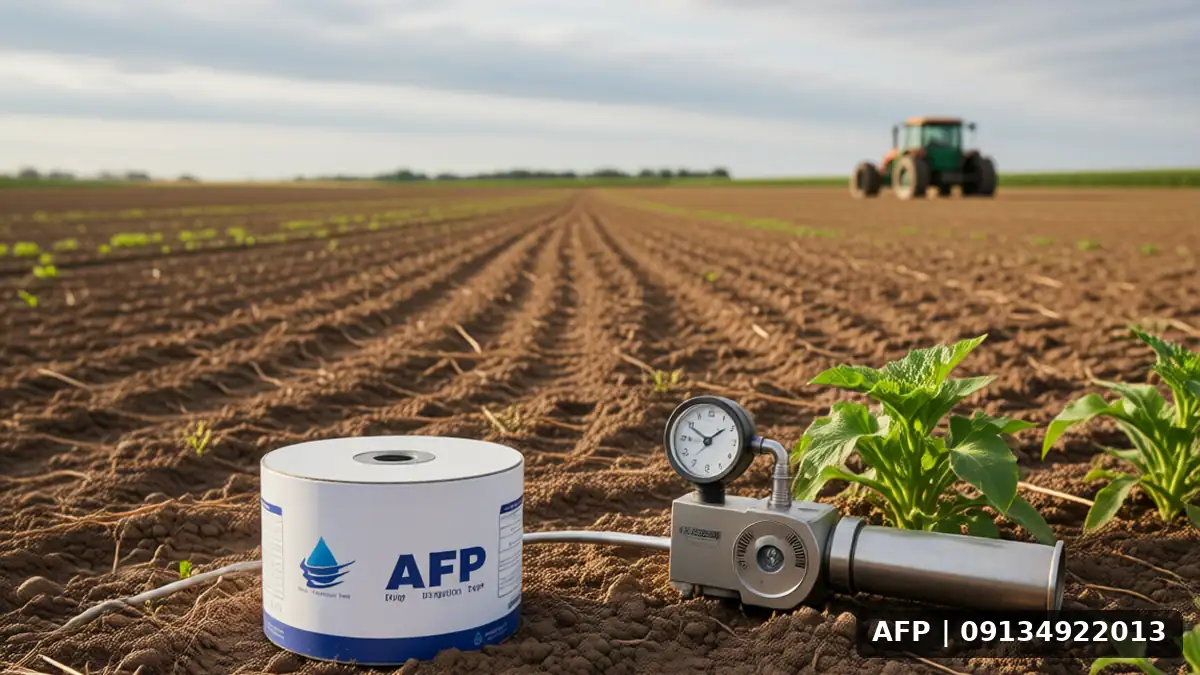
Implementing a node irrigation system in garlic cultivation is an integrated process that requires precision in design, installation, and continuous maintenance. The key to success is continuous monitoring of system performance and timely adjustment of irrigation parameters based on climatic conditions and soil type. Farmers using this technology not only reduce water consumption but also deliver a uniform, large, and longer-lasting product to the market. Remember that investing in irrigation infrastructure is an investment in the future of sustainable production. To familiarize yourself with other cultivation variables, we recommend studying related items such as seed quantity per hectare to gain a clear understanding of the entire production chain.
Related articles: Drip irrigation for pumpkin, Pumpkin yield per hectare using drip tape, Potato tonnage per hectare: influencing factors + methods to increase, cantaloupe seed rate per hectare iraq