Node Irrigation in Cotton Cultivation: Prerequisites and Key Considerations
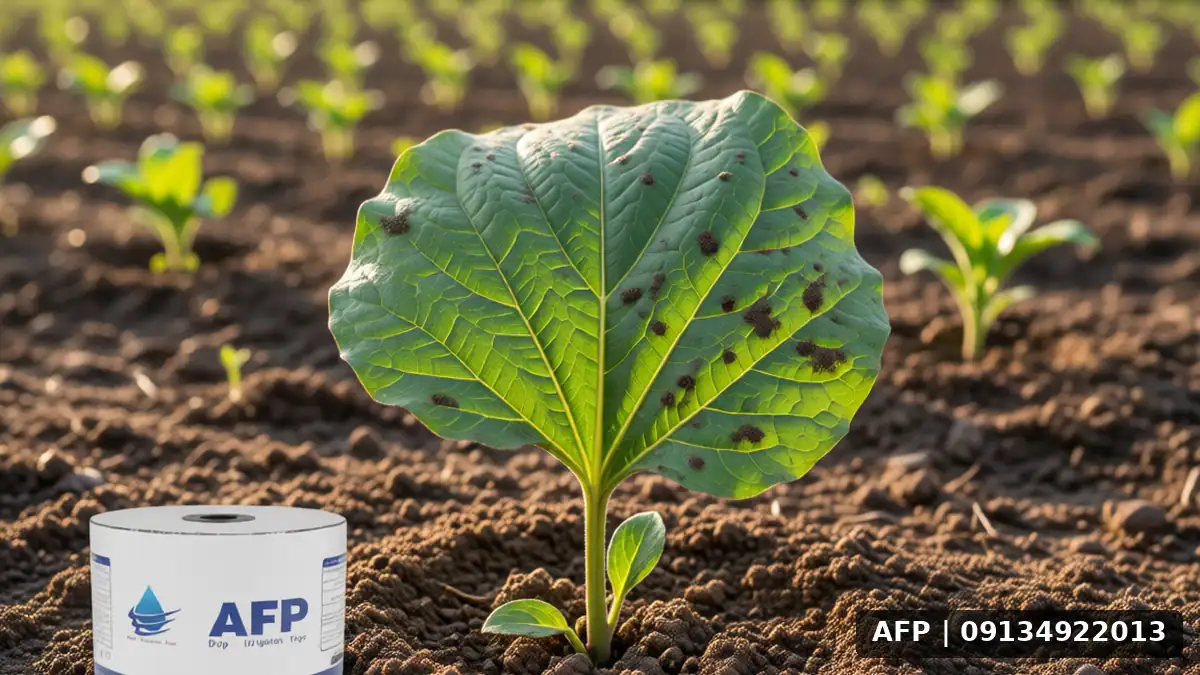
Introduction to the Importance of Node Irrigation in Cotton Cultivation
Cotton is a strategic agricultural commodity that requires specialized care in nutrition and irrigation. Node Irrigation systems are recognized as a preferred option for advanced farmers due to their uniform water distribution in the root zone, optimal fertilizer management, and reduction in total water consumption. However, prior to purchasing and installing equipment, a precise understanding of prerequisites for the success of this system is vital for cotton crops. In this section of the article, we will focus on analyzing the technical and environmental prerequisites to enable you to make the best decisions. This system plays a key role especially in arid and semi-arid climates with limited water resources, as it minimizes water waste by precisely directing water to the root zone. Therefore, familiarity with technical and management details is the first step toward effectively utilizing this technology.
Technical and Engineering Prerequisites for Node Irrigation Systems
Successful implementation of a Node Irrigation system requires strict adherence to precise technical standards. The first prerequisite is water source quality and the availability of an appropriate booster pump with the required flow rate and pressure. In this system, water is delivered locally to the roots through specific points or nodes. This requires precise pressure management in main and sub-lines. To learn about appropriate line selection and pressure calculations, reviewing topics related to optimal number of irrigation tape walls can help you select equipment with high durability and efficiency. Selecting a tape or hose with an appropriate wall thickness directly affects the wear coefficient and equipment lifespan, preventing unwanted leaks.
- Perform precise hydraulic calculations to determine node flow rates
- Select appropriate filters to prevent node clogging
- Install pressure control valves at critical points in the network
Impact of water quality on node performance
Water quality is one of the most critical hidden prerequisites that is often overlooked during the design phase. If the water used contains calcium, iron, or suspended solids deposits, disc or screen filters with very fine meshes must be used. These filters must be installed before the water enters the main nodes to prevent clogging of the small node openings. Additionally, water pressure fluctuations can cause stress in the system. Therefore, installing static tanks or pressure regulators is essential to stabilize the output flow rate from the nodes. In areas with hard water, adding acidifying agents or using ion-exchange filters can extend the useful life of irrigation equipment. Ignoring these prerequisites leads to clogged nodes and uneven water distribution in the field, which ultimately negatively impacts cotton fiber performance and quality.
Coordination with the drainage system
In addition to calculations, the physical precondition of the land is also important. Cotton has roots that are sensitive to soil depth and permeability. Node irrigation, due to water concentration at specific points, requires precise identification of weaknesses in root zone distribution to prevent exacerbating moisture stress. This system must be coordinated with an appropriate drainage system, especially for crops like cotton which have high drainage requirements, to prevent root waterlogging. Proper drainage prevents the accumulation of salts in the soil surface and around the nodes, which can gradually reduce soil permeability and cause physiological stress in cotton plants.
Agricultural and Management Prerequisites for Cotton Cultivation
Agricultural management is the main pillar of successful dripper irrigation. Cotton is a crop that has different water requirements at various growth stages (germination, flowering, boll opening). The primary prerequisite is having a precise and scheduled irrigation program. Merely installing lateral lines or drippers without in-depth knowledge of cotton physiology will not only be ineffective but can also be damaging. You must be aware of the seed rate required for your planting density, as planting density directly affects flow rate and dripper spacing. To better understand this relationship, you can refer to the guide on Cantaloupe seed rate per hectare to gain a comprehensive understanding of planting density, even though cotton is a different crop, the general principles of planting density and spacing are similar. Understanding these principles helps the farmer adjust the number of drippers based on the number of plants per meter of planting line.
Nutrition and Drip Irrigation (Fertigation)
Fertigation and drip irrigation are interdependent. In drip irrigation, nutrient solution can be injected directly into the root zone. Therefore, a key prerequisite is the presence of an injection system and dosing pumps. Without these prerequisites, the economic efficiency of drip irrigation decreases significantly. The farmer must be able to adjust the pH and EC of the nutrient solution to prevent salt precipitation in the drippers. Nutrient solutions must pass through specialized filters to ensure that fine particles do not clog the drippers. Additionally, fertilizer injection must be performed precisely during low-pressure periods of the system or between main irrigation cycles to prevent excessive mechanical stress on connections. This approach not only enhances nutrient uptake by cotton roots but also prevents fertilizer leaching into drains and groundwater contamination.
Practical Challenges and Implementation Notes in Cotton Farms
At the operational level, implementing drip irrigation involves challenges that must be considered before starting. One of the most important practical prerequisites is keeping the field free of weeds and small pests. Micro-irrigation systems, such as drip systems, are prone to clogging and require regular maintenance. Furthermore, training the agricultural team to operate these innovative systems is a necessary human prerequisite. To better understand the factors affecting crop performance and optimize resources, review the article Performance of Mixed Crops per Hectare in Iraq which can provide a comprehensive view of resource management in similar conditions. These insights will help you gain a better understanding of the overall farm dynamics in the face of climatic changes.
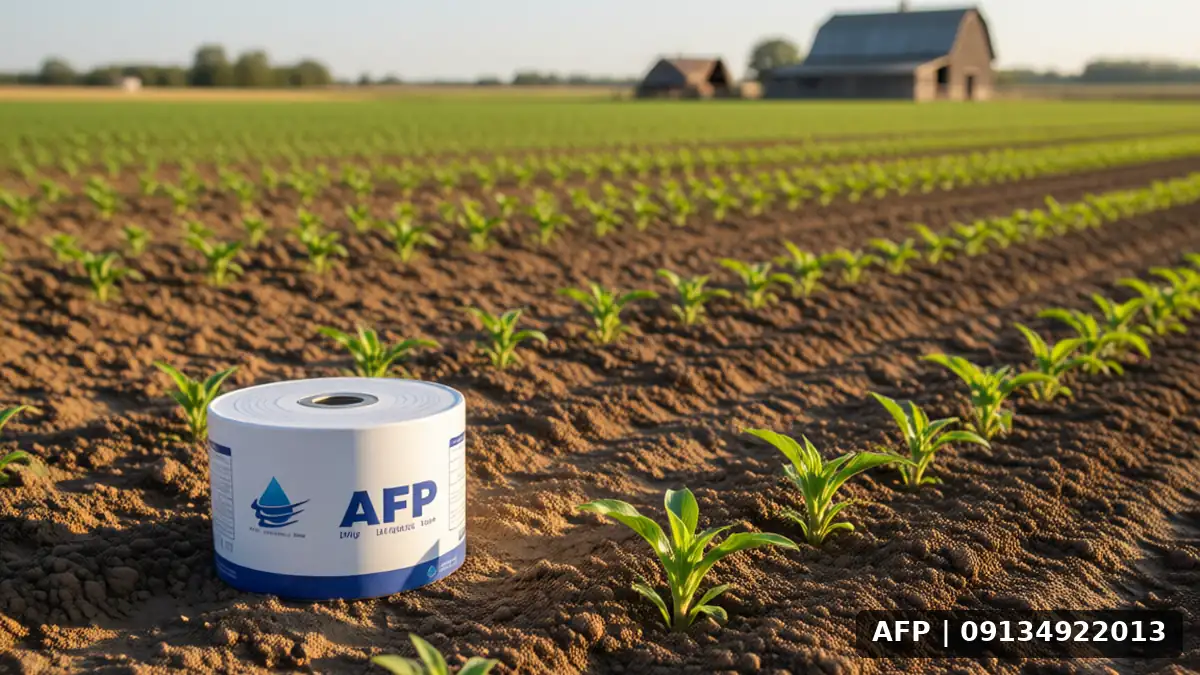
- Periodic inspection of drippers to ensure uniform water distribution
- Precise soil moisture management using moisture sensors
- Adjusting emitter spacing based on cotton root depth at each growth stage
Selection of emitter type and flow capacity
Selecting the emitter type and its flow capacity is also a necessary technical prerequisite. Conventional emitters with unidirectional flow rates may face limitations in uniform soil conditions. In this regard, knowing information such as The amount of eggplant seed per hectare helps you compare planting densities of other crops and adjust the final flow rate of each emitter for cotton accordingly so that it aligns with the root density of that crop. This level of precision in calculations is the key to preventing water stress and root rot. Additionally, using self-purging emitters can help reduce the accumulation of dissolved solids within the emitter. This feature is particularly important in farms using high-salinity water from deep wells.
Planning for maintenance
Prior to system commissioning, a routine maintenance plan should be established. This plan includes pre-season flushing with acidic additives, visual inspection of emitters, and flow rate tests. Failure to perform this maintenance can lead to complete clogging of emitters and loss of irrigation accuracy, causing irreversible damage in sensitive crops such as cotton. Furthermore, documenting key pressures and flow rates at various growth stages will significantly help optimize energy and water consumption in future seasons.
Frequently Asked Questions (FAQ)
Is the nodal irrigation system suitable for all cotton climatic conditions?
Not absolutely. This system has high technical prerequisites and in regions with severe water scarcity or heavy soils, it must be implemented with caution and precise hydraulic calculations. The main prerequisite is having sufficient energy resources and proper management. In heavy soils with low permeability, longer irrigation times and larger water volumes are required to fully wet the root zone.
Do the prerequisite costs of this system offer economic savings for small cotton farms?
For small farms, using systems smaller than drip or tape usually is more expensive, unless economic sustainability is achieved through potted plants or smaller turf areas. The main prerequisite for small farms is achieving sufficient distribution accuracy, which nodal systems can provide, but this must be evaluated through a precise cost-benefit analysis. Usually, for small farms, combining nodal irrigation with simpler systems can be a better option.
Can this system be used for pesticide application as well?
No, the main prerequisite in nodal irrigation is the precise delivery of water and nutrients to the roots. For pesticide application, different equipment and pressure are required, and combining these two without separate design pushes the roots toward pesticide damage. If you intend to use the system for application, you must use separate pathways and safe connections to prevent chemical contamination of the roots.
Summary
Success in implementing drip irrigation for cotton does not end once the equipment is installed; it lies in understanding and executing the technical, agricultural, and management prerequisites. Precise hydraulic calculations, continuous monitoring of root density, and synchronization with the nutrient delivery system are the three main pillars that, if overlooked, significantly reduce cotton performance. By focusing on these prerequisites and leveraging foundational agricultural knowledge, your farms can benefit from the advantages of this emerging technology, such as reduced waste and improved cotton quality as the final product. This comprehensive approach reduces agricultural risks and ensures long-term farm economic profitability.