Node Irrigation in Coriander Cultivation: Advantages
Introduction to Node Irrigation in Coriander Cultivation
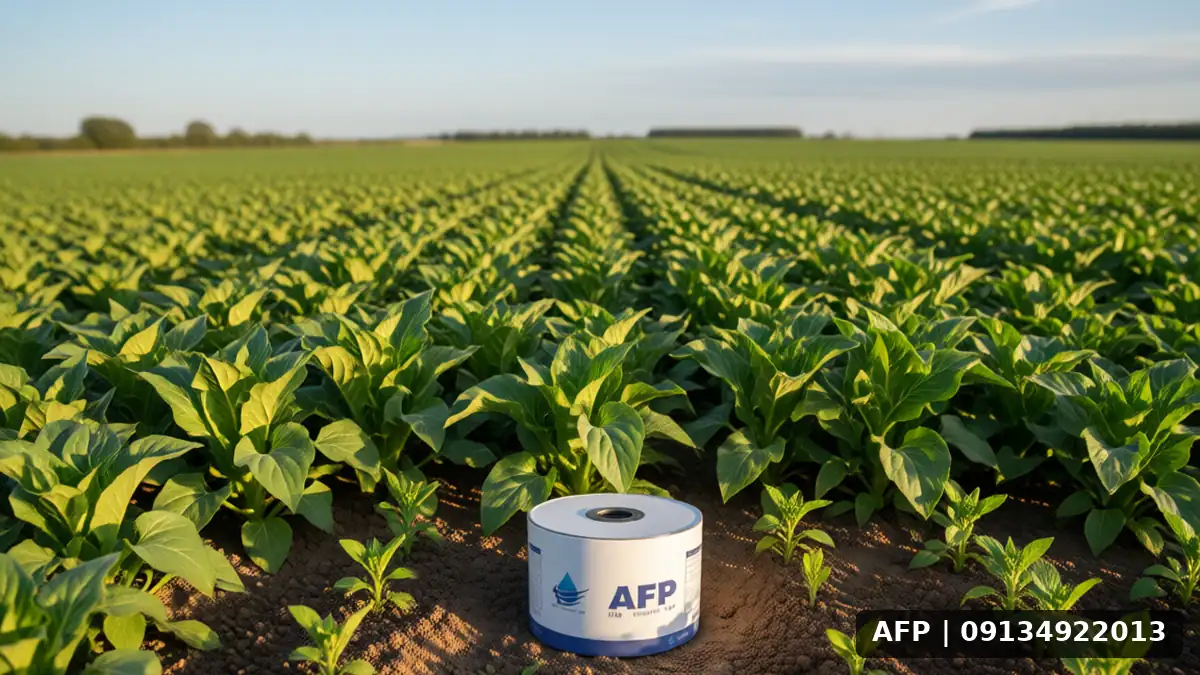
Coriander is a medicinal and industrial plant of high economic value that faces significant challenges with conventional irrigation methods due to its requirement for uniform root-zone moisture and the high susceptibility of its leaves to fungal diseases. Node Irrigation or Node Irrigation is a technique where water and nutrients are delivered directly to the roots as small droplets at or slightly below the soil surface, without reaching the leaf blades or floral parts. This method can be a turning point in improving both the quality and yield of coriander, which is often grown for flower or seed production in warm regions. Given the biological sensitivity of coriander to moisture stress, this technique has evolved beyond a simple option into an essential requirement for ensuring plant health.
Unlike surface irrigation, which leads to high evaporation and uneven soil moisture, the node system provides precise control over the root zone by using specific nozzles or modified drip tape. Below, we examine the key advantages of this method from technical and economic perspectives and describe how to optimize it for various field conditions. A deep understanding of the operational mechanism of this system enables farmers to make the most effective use of the full production potential of coriander.
Technical Advantages of Node Irrigation for Coriander
Reduction of Fungal and Bacterial Diseases
One of the major challenges in fenugreek cultivation is leaf blight and common fungal diseases such as mycotoxins, which thrive in high ambient humidity. Since drip irrigation focuses moisture solely in the root zone, the soil surface and leaves remain dry. This significantly reduces the prevalence of foliar diseases and substantially lowers the need for fungicides. The low relative humidity in the plant’s phyllosphere creates an unfavorable environment for pathogen development. In addition to reduced chemical use, maintaining a healthy green canopy allows the plant to allocate more energy to flower and seed production. This reduction in disease-induced stress positively impacts the plant’s useful lifespan and the number of productive stems.
Increased water and nutrient use efficiency
Fenugreek has a relatively shallow but extensive root system. Drip irrigation, by delivering water at low rates with high frequency, keeps the root zone consistently moist without causing root saturation that leads to rot. Furthermore, fertigation is highly effective in this system because nutrients reach the roots directly, preventing leaching by rainfall or excess water. This method allows the farmer to manage the plant’s nutritional program more precisely and prevent fertilizer waste.
Improved flowering uniformity and seed quality
Uniform soil moisture is vital for preventing erratic flowering. In conventional methods, moisture fluctuations cause some flower clusters to bloom earlier and others later. Drip irrigation, with its stable root-zone moisture, promotes a more uniform flowering process, directly leading to consistent seed quality and better product grading. This uniformity is essential for cilantro export markets, adding value to the crop. Furthermore, the reduction in waste from small or irregular seeds is a significant advantage of this system.
Practical tips for drip system installation and operation
Selecting the appropriate drip tape
For implementing drip irrigation, it is necessary to use drip tape with an appropriate thickness and suitable emitter spacing. When selecting the tape, attention must be paid to the ideal wall thickness of the drip tape to prevent the tape from tearing due to tension and air pressure. Choosing tape with an appropriate diameter and UV resistance extends the system’s useful life against direct sunlight. Additionally, checking the accuracy of the cuts and the quality of the connectors can prevent water leakage and energy loss.
Land preparation before installation
Before laying the drip lines, the ground surface must be completely level and without lateral slopes to ensure even water distribution. Furthermore, weed control and preparation of planting lines are necessary to ensure the tape is placed accurately adjacent to the main cilantro roots. Maintaining an appropriate distance between the tape and the planting site prevents root burn. At this stage, studying and understanding general principles such as Important considerations before installing drip lines in the field can prevent technical errors in the initial stages. Proper soil bed preparation ensures the correct performance of the emitters throughout the season.
- Level the field and ensure that all soil clods are broken up.
- Mark the planting lines precisely.
- Install appropriate filters to prevent clogging of the drippers and monitor the quality of the incoming water.
Pressure and Flow Management
The system’s working pressure must be set based on the drip emitter’s flow rate differential. Pressures exceeding the permitted limit can cause water to scatter across the soil surface and damage leaves, while low pressure results in inadequate water distribution. The use of a pressure gauge for continuous monitoring is recommended. Accurate calibration of these parameters requires initial on-farm trials to determine the optimal flow rate for each soil type. Neglecting this aspect can lead to fertilizer leaching or water stress.
Comparison of Node Irrigation with Conventional Methods
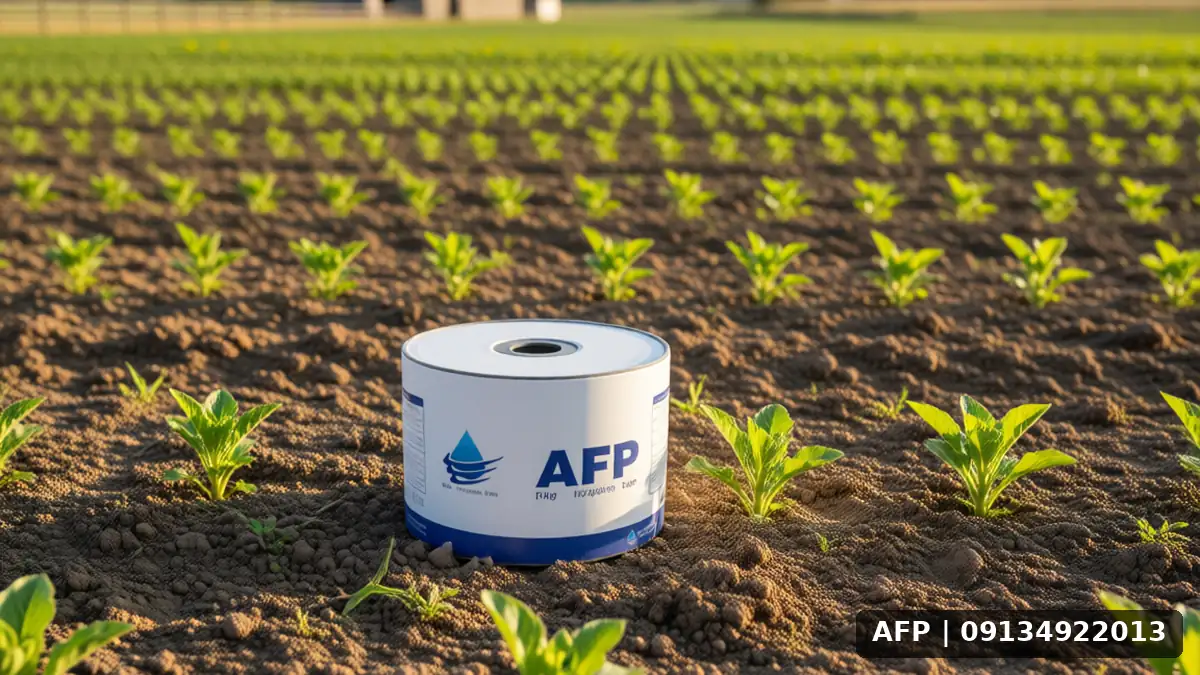
To better understand the advantages of this method, it can be compared to flood irrigation and even standard drip irrigation. In flood irrigation, water management is difficult and moisture fluctuations are high. In standard drip irrigation, water sometimes accumulates on the soil surface. However, node irrigation focuses on creating a uniform moisture halo at an appropriate depth. For farmers working with other crops, such as determining sorghum yield per hectare, understanding the concept of moisture uniformity can help optimize other fields as well. The general principles of irrigation management in fenugreek farming are applicable to other moisture-sensitive crops.
Frequently Asked Questions (FAQ)
Is a node-based system economical for small farms?
Yes, although the initial installation cost of drip or node systems is higher than that of flood irrigation, the long-term savings in water, labor, and chemical use accelerate the return on investment. For small farms, using recyclable lines can reduce costs. Additionally, improved crop quality and reduced waste enhance long-term revenue.
What is the appropriate depth for placing tape lines for coriander?
The recommended depth is generally between 5 and 10 centimeters. Deeper placement may restrict access for lateral roots, while shallower placement increases evaporation. This depth is also related to the tape’s wall thickness and material; therefore, analyzing the seed rate of spinach per hectare as a safe, shallow-rooted example can provide guidance for adjusting depths in moisture-sensitive plants. Aligning the tape depth with the plant’s root zone is the key to success.
What should be done if the emitters become clogged?
Using appropriate filters and regularly flushing the system at the end of the season are key to preventing clogs. Additionally, applying acids to neutralize calcium deposits in hard water systems prevents sudden blockages. Periodic maintenance and filter care ensure the system’s useful life.
Summary
Drip irrigation in coriander cultivation is a strategic approach for modern agriculture. By reducing disease risk, increasing water efficiency, and improving seed quality, this method becomes more than just a simple saving; it becomes a competitive advantage for coriander producers. Farmers looking to upgrade the technical level of their farms can move toward this technology step by step by considering the principles mentioned above and reviewing supplementary resources such as Key considerations before installing a lateron line in the field, proceeding step-by-step toward this technology. Correct implementation requires attention to installation details and irrigation routine management.
Ultimately, paying attention to specific climatic conditions and farm soil type is the key to success in selecting irrigation duration and flow rates. Consulting irrigation specialists before starting large projects can prevent costly errors.
Related articles: chickpea seed per hectar iraq, corn seed rate per hectare, tikmi nuki dimi dar yak hektar