Node Irrigation in Basil Cultivation: Key Points for Efficiency
Introduction to the importance of node irrigation in basil cultivation
Basil (Tulsi) is a high-value medicinal plant that holds a special position in domestic and export markets. One of the main determinants of basil crop quality and quantity is proper water management. In recent years, node irrigation or drip with tape, has been recognized as the most optimal irrigation method for this plant. This method facilitates uniform plant growth by creating appropriate moisture in the root zone and reducing evaporation. In this guide, we examine the technical and operational details of this system in basil cultivation to enable you to make a well-informed, top-tier investment.
Definition of node irrigation system and its compatibility with basil
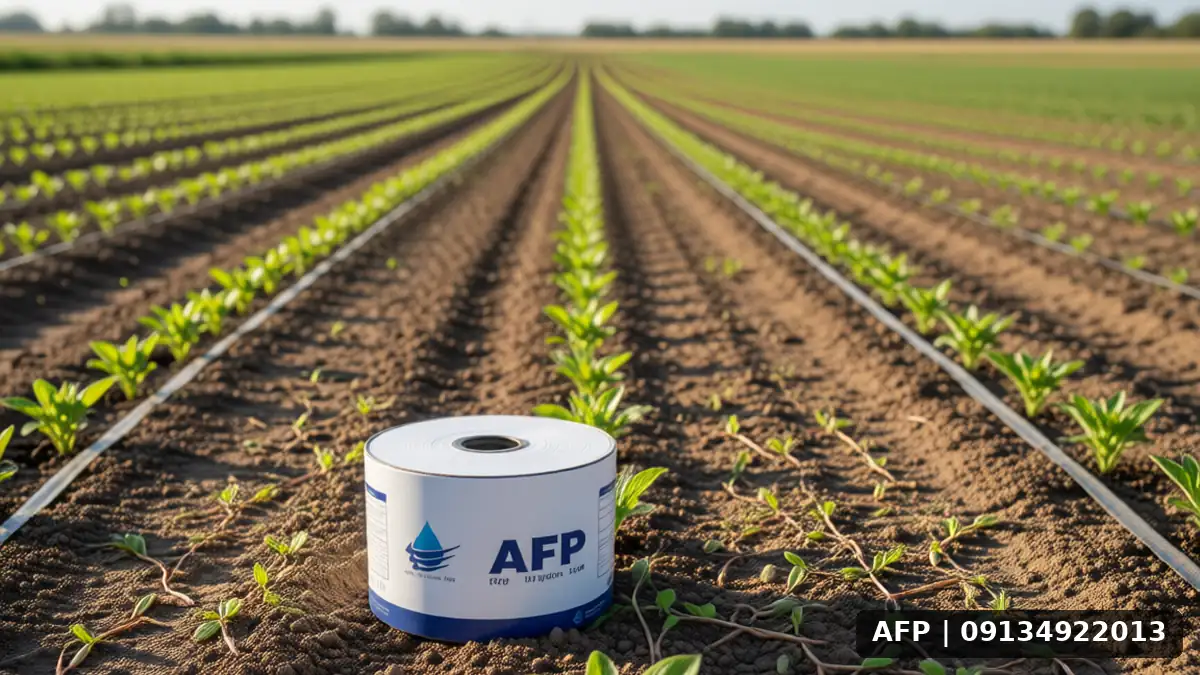
Node irrigation is a technique in which water is supplied at low pressure through drip tapes, dripping at a steady rate to the plant roots at specific points (nodes). This process maintains soil moisture in a narrow strip around the roots, ensuring uniform plant growth. Due to its shallow root system and high moisture requirement without causing soil compaction, basil is an ideal candidate for this irrigation system.
Why is basil compatible with tape drip?
- Uniform moisture coverage: Drip tape ensures that all surface roots of the basil have equal access to water.
- Reduction in fungal diseases: Unlike sprinkler irrigation, drip tape prevents excessive wetting of leaves, reducing the risk of root rot and fungal diseases.
- Water savings: Direct delivery of water to the root zone reduces water consumption by up to 40% compared to sprinkler irrigation.
If you want to learn more about the types of drip tapes, you can refer to the comprehensive guide on Types of Drip Tapes and Their Performance Review specifications to select the best type for your farm conditions.
Key points for installing and designing node irrigation for basil
Adhering to design principles from the start is vital for an efficient irrigation system. The following are the most important technical guidelines to follow when installing a drip system for basil.
Plant spacing and tape placement
Basil seeding spacing can vary depending on climate and cultivation objective (leaf or flower), but it is typically set at 30 to 40 cm between plants. The drip tape must be placed directly under the plants, maintaining a distance of 2 to 3 cm from the stem. This safety gap prevents stem scalding from water droplets at varying temperatures. Additionally, the tape should not have excessive contact with dry soil to prevent mechanical clogging.
Selecting tape diameter and emitter spacing
For basil, drip tapes with flow rates of 2 to 4 liters per hour (l/h) per meter and emitter spacings of 10 to 20 cm generally provide the best performance. For very hot climates, tapes with closer emitter spacing (such as 5 cm) are recommended to maintain consistent moisture.
It is important to know that planting density and root management can affect system pressure. If you are designing a system for high-density plants, study the study on okra seed rate and planting density table which can serve as a good model for understanding the relationship between density and water requirements, although basil is a different plant, the principles of drip tape management in indoor and outdoor spaces are shared.
Pressure and Filtration Management: The Heart of the Node System
A drip irrigation system without proper filtration is like an engine without oil. Clogging of nozzles is the biggest threat to irrigation efficiency.
Types of filters and their roles
- Left cylinder filter (Screen Filter): This filter is used to remove suspended particles in water. For basil, a screen filter mesh size of 200 to 400 (P 200-400) is suitable to prevent fine particles from entering the tape.
- Disc Filter: This filter is effective against sediment and rust, and is recommended for clearer water sources.
- Sand Media Filter: Excellent for well water containing fine particles and suspended sediment. Multi-stage filtration (a combination of sand and disc filters) is always recommended.
The operating pressure for a drip system for basil is typically between 1 and 2 bar (100-200 meters of water column). Accurate adjustment of the supply pressure is critical; high pressure causes rapid wear of drip emitters and water splash, while low pressure leads to drips and uneven irrigation. To ensure correct operation, you can refer to Types of irrigation systems as a general guide.
Practical tips for operating and maintaining a node-based system for basil
Irrigation schedule
Basil is a plant sensitive to consistent moisture. In warm climates, it may require daily irrigation or even twice a day. Never allow the soil to dry out completely, as basil roots are quickly damaged. On the other hand, overwatering leads to soil compaction and reduced root oxygen. Using plastic hoses and adjusting the pressure-compensating valves can help manage flow.
Fertigation
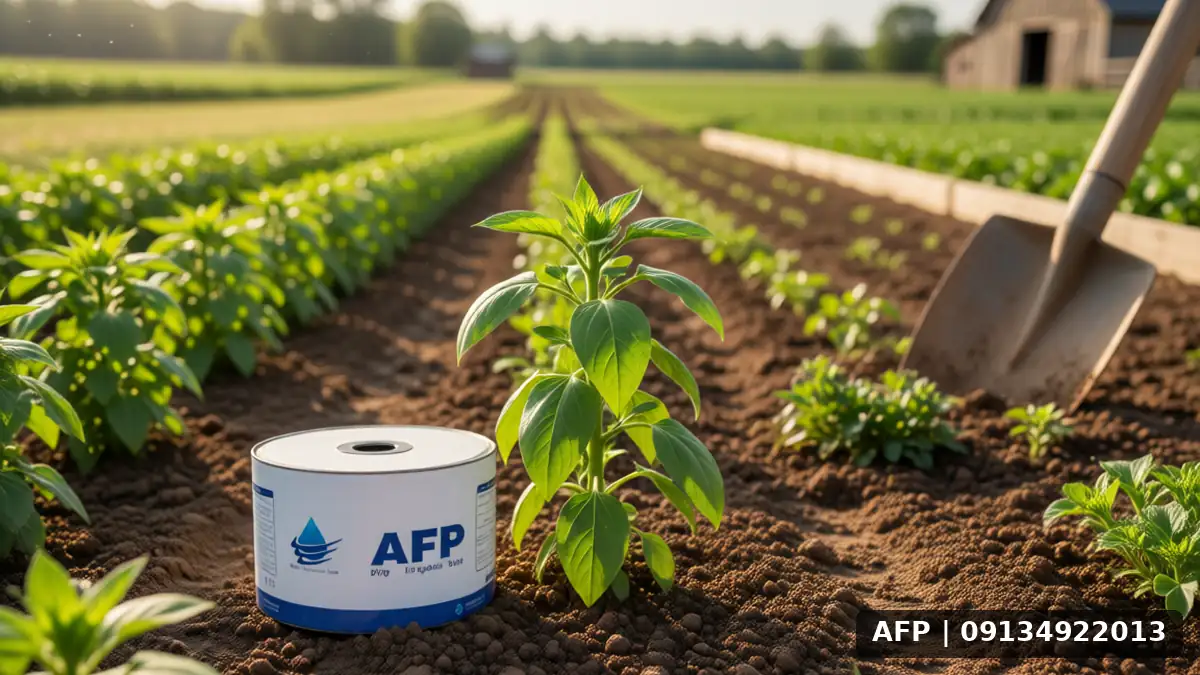
One of the major advantages of drip irrigation is the ability to combine watering and fertilization (Fertigation). Water-soluble fertilizers are delivered directly to the root zone through drip lines. Basil responds well to nitrogen and potassium fertilizers. Note that excessive fertilization can cause leaf burn and reduce the aromatic flavor of basil. Maintaining the right fertilizer concentration is key to plant health.
Additionally, pest and disease management is easier with this system. While drip irrigation reduces the risk of fungal diseases, small insects may still accumulate in the soil. Using yellow traps or injecting solutions through the irrigation system can be effective. For comparison with oilseeds that have similar needs, understanding proper nutrition from other sources, such as studying carrot seed quantities, can teach you much about root density and water requirements, even though basil is a herb.
Tables for recommended pressure and emitter spacing for basil
Below is a summary table of recommended parameters for a basil drip irrigation system:
Frequently Asked Questions (FAQ) About Tarragon Irrigation
Is drip irrigation cheaper than sprinkler irrigation for basil?
Although the initial cost of purchasing drip tape and filtration equipment may seem higher, in the long term, water savings (the most significant expense in agriculture) and the reduction of disease losses make node irrigation more economically efficient.
How can we prevent clogging of the tapes?
Using an appropriate filter (dual-media), regular flushing of pipes and tapes at the end of each irrigation cycle, and using water cleaned of sediment and suspended matter are key to preventing clogging.
Can the drip system be used for growing other vegetables as well?
Yes, the general principles are similar. If you are growing other vegetables such as garlic or carrots, it is important to understand their root behavior in a drip system. Studying the seed rate of garlic per hectare can help better understand dense planting and its impact on water consumption, although garlic is an onion-like plant and differs from basil.
Conclusion and final recommendations
Drip irrigation for basil cultivation is an intelligent and dynamic method that significantly boosts crop yield when technical principles are observed. The key to success lies in precise filtration, careful pressure regulation, and regular monitoring of soil moisture. By following this guide, you will not only achieve healthier plants but also take responsibility for the efficient use of valuable water resources. Investing in these irrigation systems is an investment in a more productive and sustainable future for basil farms.
Related articles: Red bean D8AFD8B1 seed quantity per hectare