Node-Based Irrigation in Melon Cultivation: Key Technical Points
Introduction: The Importance of Point Irrigation in the Muskmelon Industry
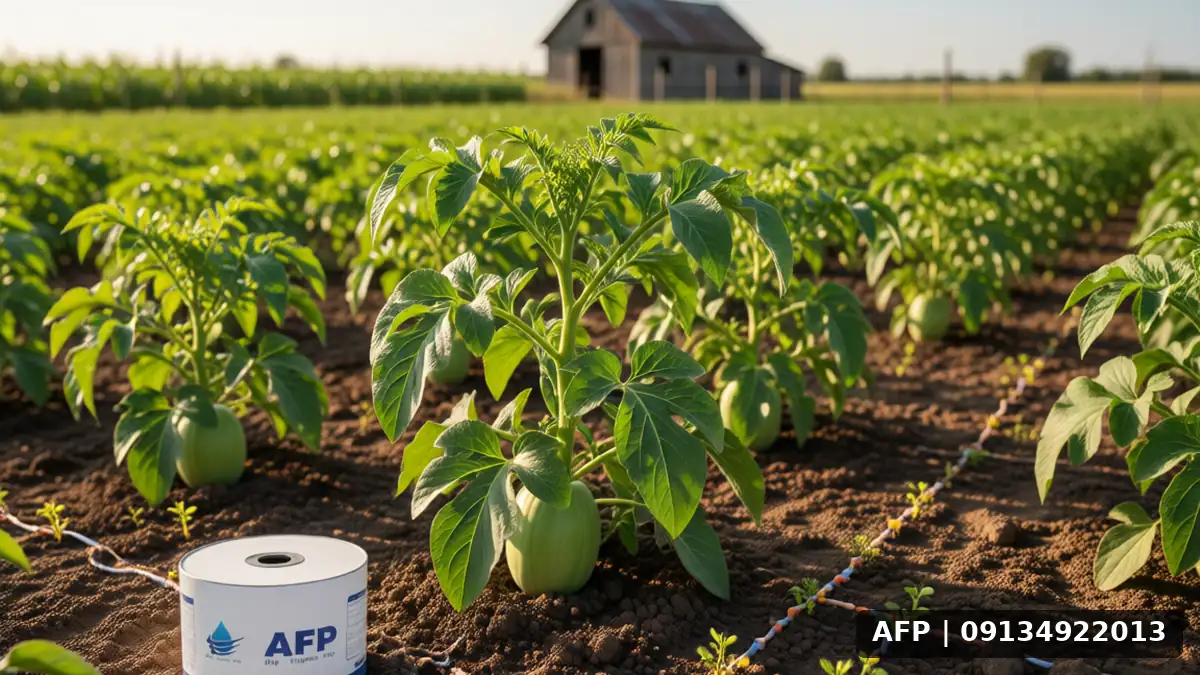
Muskmelons are among the most orchard crops sensitive to soil moisture. Severe fluctuations in water levels can cause fruit cracking on one hand and reduce sweetness (Brix) and seed visual quality on the other. In this regard, Muskmelon point irrigation or drip tape systems, is considered an innovative and efficient solution for the precise management of water resources and plant nutrition. This method, by slowly and controllably releasing water at the root zone, enables maintaining optimal root zone moisture, allowing the farmer to prepare the best environmental conditions for plant growth.
Unlike conventional irrigation where the entire planting area is uniformly wetted, the point method discharges a specific volume of water at specific intervals. This feature is vital for muskmelon, which has shallow and extensive roots. Additionally, reduced leaf wetness due to the absence of water spraying on the plant plays an important role in preventing common fungal diseases in this crop.
Operating Principles and Advantages of the Point System in Muskmelon Orchards
Why is drip tape ideal for muskmelon?
- Improved water efficiency: Water loss through deep percolation and direct surface evaporation is greatly reduced in this system.
- Better control of plant growth: By precisely regulating water flow rate, excessive vegetative growth (stem and leaf) can be prevented, directing the plant’s focus toward fruiting.
- Weed reduction: With strip irrigation, the space between strips remains drier, which helps reduce the weed population.
- Precise fertilization capability (Fertigation):: Combining node irrigation with a fertigation system enables liquid nutrition delivery according to the plant’s changing needs at each stage.
One of the most important topics in designing this system is selecting the appropriate drip tape diameter and flow rate. For melons, using tapes with suitable diameters, such as common market standards that can be reviewed at Comprehensive Guide to Drip Tape Irrigation, can make a significant difference in irrigation speed and spray uniformity.
Key design points for a drip irrigation system
Lateral spacing and distribution uniformity
In melon orchards, there are generally two methods for laying drip laterals: along the row (Row) or across the row (Across). The common recommendation for melon is to place two laterals across the row, either crossing each other or running in parallel under the plant’s canopy drip line. The spacing between laterals should be such that the irrigated zone covers approximately 40 to 50 percent of the row width. This ensures that roots are located in both a wet zone and a dry zone (mild stress), which is beneficial for increasing brix levels and melon sweetness.
Selecting the appropriate drip lateral
Due to melon’s sensitivity to root diseases, maintaining irrigation system hygiene is essential. Selecting a drip lateral that allows for flushing and backwashing and is equipped with appropriate filters prevents clogging of the small emitter holes. For technical details and purchasing standards, you can refer to the article Tips Before Buying Drip Irrigation Laterals. Additionally, ensuring that the operating pressure in the lateral is within the permitted range (usually 1 to 2 bar) is vital to prevent lateral bursting or collapse.
Irrigation scheduling based on melon growth stages
From planting to seedling establishment
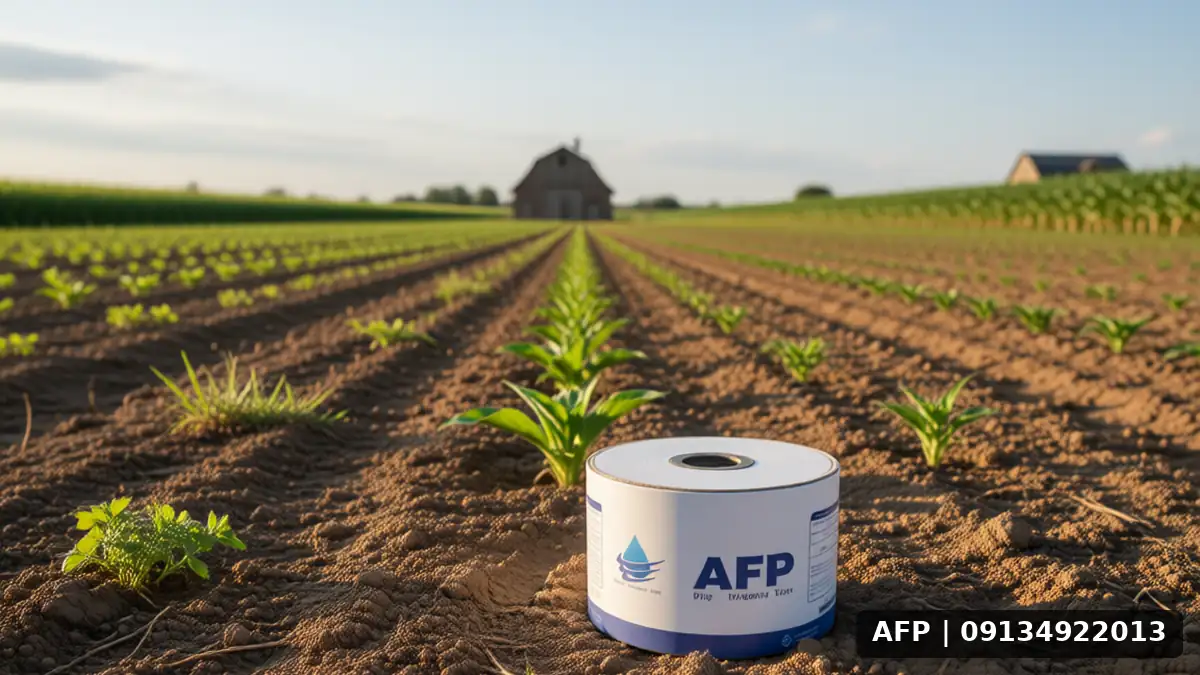
At this stage, the plants are small and their root zone is limited. Frequent, short irrigation cycles (e.g., every 1 to 2 days) with low flow rates are recommended. The goal is to maintain adequate root zone moisture to promote seed germination and early root development. The drip line should not remain continuously active during this stage; instead, it should be operated on a rotational or simultaneous schedule, depending on system pressure.
Vegetative Growth Phase (pre-flowering)
After strong plant establishment, the plant requires more water. The irrigation interval increases to every 3 to 5 days. At this stage, soil moisture should not exceed optimal levels, as rapid leaf growth is detrimental to flower formation. Using the Rotational Irrigation Technique can help better manage pressure in the mainlines, though more precise control on drip lines may require pressure-regulating valves.
Fruit Development and Ripening Phase
The most critical stage for final quality is the fruiting period. From 20 to 30 days before harvest, irrigation should be reduced (applying mild moisture stress). This forces the plant to focus resources on fruit, increasing sugar content and preventing fruit cracking at harvest. Heavy irrigation must absolutely be avoided during the final week.
Practical Tips and Drip System Maintenance
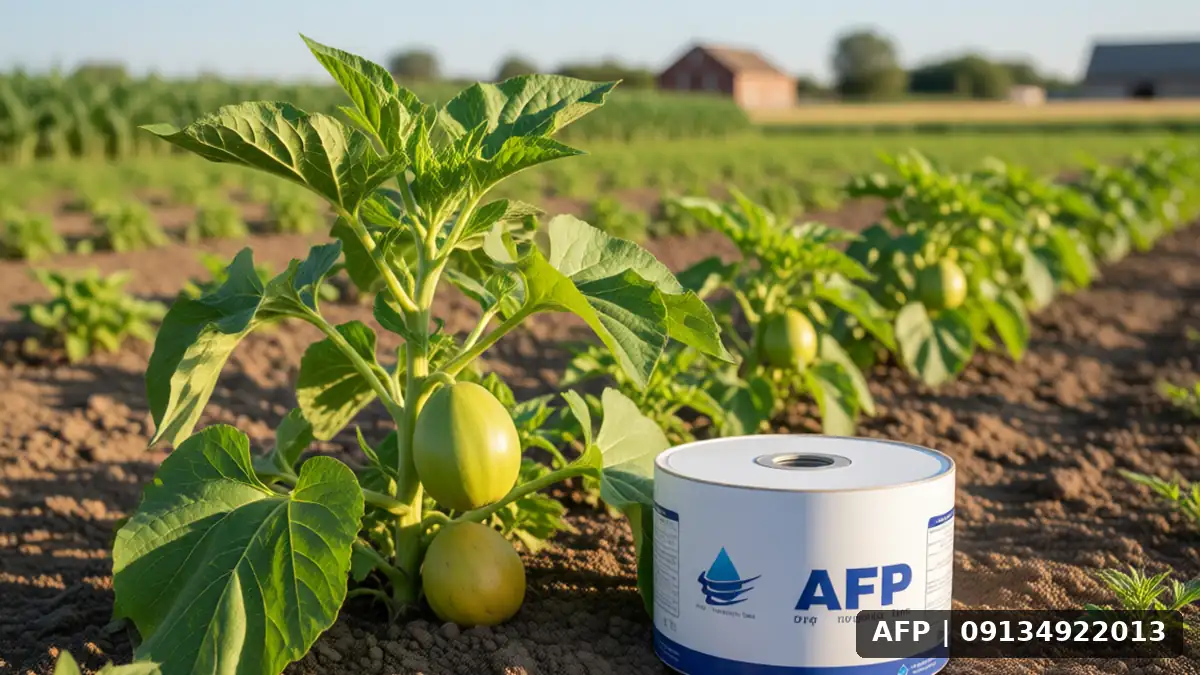
- Filtration: Use disc and screen filters at the head of the system to prevent tubing clogging by suspended water particles.
- Flush Valves: Install flush valves or tail end cones regularly at the end of each line to flush out sediment.
- Soil Moisture Monitoring: Use soil moisture probes or sensors at depths of 30 to 60 centimeters for precise irrigation scheduling.
- Weed Management: Cover the irrigation lines with specialized plastic mulch or use line-specific herbicides to reduce root competition.
- Visual Inspection: Inspect tapes for leaks or breaks that can cause uneven irrigation.
Additionally, understanding the relationship between Mexican corn yield per hectare and other similar water-demanding crops can help farmers learn general feeding and irrigation algorithms, although melons have different sensitivities. However, the general principles of moisture and liquid nutrient management are shared.
Frequently Asked Questions (FAQ)
Is drip irrigation suitable for all soil types?
Yes, but the settings vary based on soil type. In clay soils, a lower flow rate is needed for water to infiltrate and prevent blockages. In sandy soils, irrigation intervals should be shorter due to their lower water-holding capacity. A drip tape is a recognized type of drip tape that offers high flexibility.
How can blockages or clogging of drip tape be prevented?
Using chlorine at 2-3 parts per million at the start of the system, employing appropriate filters, and regularly flushing the tapes are the most important methods to prevent clogging caused by calcium and iron deposits.
Can melons be irrigated using a drip (Drip) method?
Yes, drip irrigation can also be used, but tape tape is more popular in intensive melon cultivation due to continuous coverage and lower cost. The main difference is in the water distribution pattern; because melons have surface roots, tape usually performs better.
Conclusion
Trust in Melon irrigation via knots Melon irrigation via knots is no longer a luxury option; it is a necessity for competing in the global market with high-quality, sustainable produce. By properly designing the system, selecting the appropriate tape, planning precisely according to growth stages, and following maintenance guidelines, water consumption can be reduced while melon fruit quality, including weight and delicacy, improves. The future of Iranian agriculture is moving towards smart water resource management, and these systems are the key to this transformation.
Related articles: Rotational irrigation of farmland: Advantages and disadvantages, Garlic Seed Quantity per Hectare: Influencing Factors and Strategies for Improvement, Watermelon Variety D8AFD8B1 Yield per Hectare, Pre-Purchase Considerations for Drip Irrigation Tape