Moisture Irrigation in Lettuce Cultivation: A Comprehensive Guide
Introduction to the Importance of Moisture Irrigation in Lettuce Cultivation
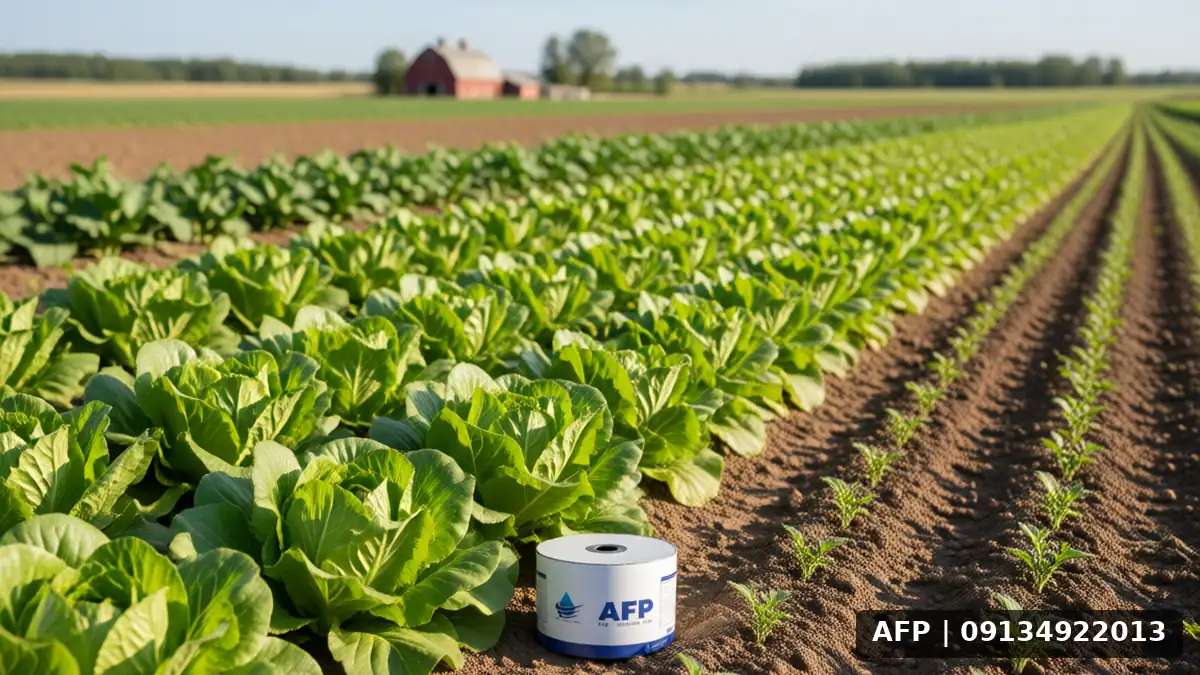
Lettuce is a horticultural crop highly sensitive to soil moisture conditions. In this crop, balancing dryness and wetness in the planting medium can directly affect leaf quality, prevent decay, and increase yield. Moisture Irrigation of Lettuce This means maintaining appropriate moisture in the root zones to prevent both severe dryness and waterlogging, which creates an environment for fungal growth.
The use of precision irrigation systems, such as drip tape, is considered a key tool for intelligent water management in lettuce cultivation. By placing the tape adjacent to the planting row, water is distributed uniformly at root depth. This method not only conserves water but also prevents soil crusting and respiratory barriers for roots by reducing surface moisture. The following section examines the technical and practical details of correctly implementing this system.
Familiarization with Suitable Irrigation Systems for Vegetable Crops
Selecting the optimal irrigation infrastructure requires understanding the technical differences between systems. While there is a wide variety of irrigation systems, drip tape is the preferred option for lettuce due to its compatibility with row planting. In this system, the tape is buried horizontally at a depth of 10 to 20 centimeters below the soil surface. This depth must align exactly with the location of active lettuce roots.
The spacing and configuration of drip tape emitters are determined by the crop type. For lettuce, which has shallow roots, the tape should have wider emitter spacing to increase the wetted zone. In contrast, deep-rooted crops like wheat require tighter spacing or different configurations. In this regard, the study Drip line spacing in lettuce and other crops can provide a broad overview of general principles; however, for lettuce, a spacing of 50 to 60 cm from the row center to the drip line is generally considered the optimal point.
Comparing coextruded and flat tape drip lines
One of the main challenges in installing drip lines is selecting the correct type. Coextruded lines offer high water flow rates, but their welds are subject to stress over time. Flat tape lines, on the other hand, have higher durability. To make an accurate decision, it is recommended to study the differences between coextruded and flat tape drip lines. For short-cycle lettuce plantings, coextruded lines can be a suitable option due to better initial cost efficiency, provided that adequate filtration is in place to prevent clogging of the drippers.
Technical regulations and scheduling for lettuce moisture irrigation
Irrigation scheduling is the most important part of lettuce moisture irrigation In fact, the objective is to maintain soil moisture within the optimal range. If the soil moisture becomes excessively high, the lettuce roots experience root suffocation due to oxygen deficiency. If the moisture level drops too low, the leaf cell division process is halted, resulting in a small and premature crop.
- Initial growth period (days 1 to 14): After planting, the drip line requires water to promptly initiate germination. During this stage, using a smaller amount of water with more frequent applications is the key to success.
- Mid-growth period (days 15 to 35): With rapid vegetative growth, water demand increases. It is recommended to irrigate every 2 to 3 days.
- Product maturation period (day 35 to harvest): In the final week, gradually reducing the irrigation frequency to every other day helps maintain leaf firmness and prevents the crop from becoming loose.
To optimize resource use, understanding the needs of other crops can also serve as a useful guide; for example, conducting a study Sunflower seed yield per hectare + influencing factors It shows that precise water and fertilizer management has the most critical impact on production across all crops.
Flush Management and Clogging Prevention
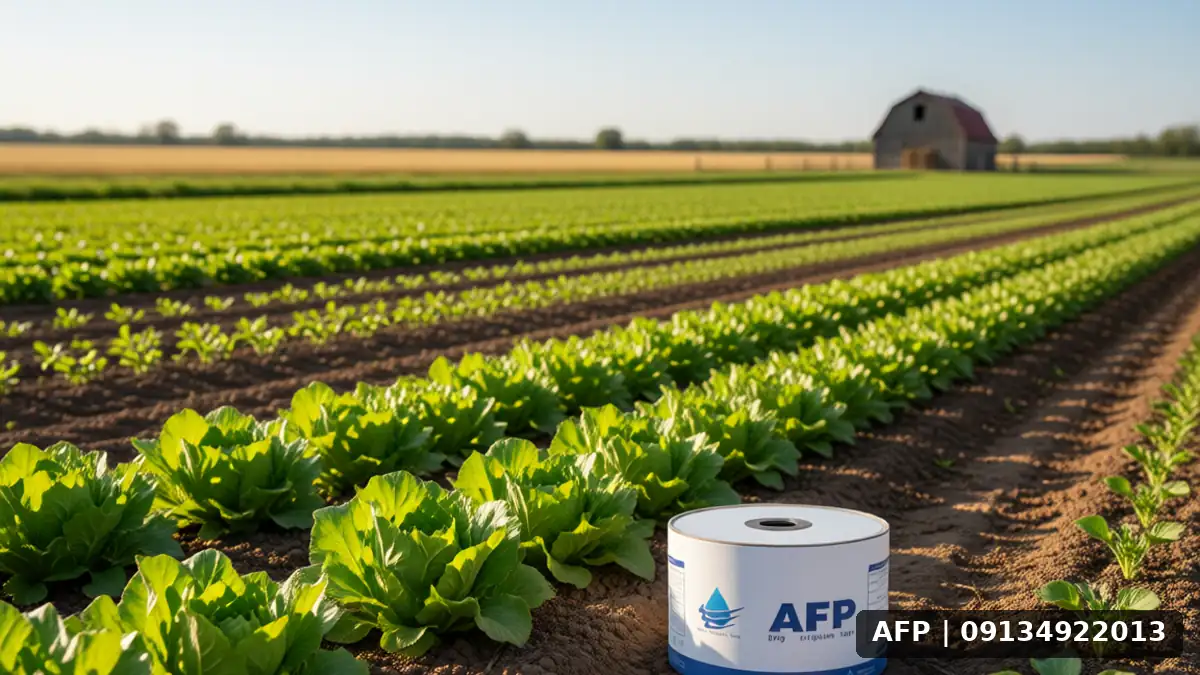
One of the main causes of drip line clogging in lettuce cultivation is the growth of fungi and algae in moist environments. Periodic flushing of the pipeline with high flow velocity and the use of appropriate acids or water treatment chemicals should be included in the weekly irrigation schedule. Flushing should start exactly from the beginning of the lateral to ensure sediment is discharged toward the outlet. Additionally, water temperature control is important in preventing the growth of microorganisms. In hot seasons, nighttime flushing is recommended to prevent excessive heating of water inside the pipes.
Practical Tips for Increasing Efficiency in Lettuce Cultivation
Subsurface drip irrigation is not limited to simply placing the lateral in the soil; it is a management process. Here are practical tips for better execution:
- Precise water application rate: For every meter of tape length, approximately 3 to 5 liters of water per hour are required. Use constant pressure distribution pumps to ensure pressure stability.
- Tape coverage: After installation, cover the tape with loose soil. This prevents the tape from degrading under direct sunlight and helps retain soil moisture.
- Water quality monitoring: Take samples of both inlet and outlet water weekly. High turbidity in the water increases the risk of clogging the tape’s small emitters.
For farmers seeking to compare the performance of different crops, familiarity with factors that increase garlic bulb size and other crops can provide a deeper understanding of the role of water in each crop. Each crop has a unique water uptake pattern, and lettuce is among the crops that prefer continuous and dispersed irrigation.
Frequently Asked Questions (FAQ)
Can a drip tape be used for several years?
Multi-year use of drip tape for lettuce cultivation is feasible, but the accumulation of organic residues leads to increased clogging in the emitters. It is recommended to replace the tapes every two to three years to prevent a drop in efficiency.
Does acid flushing damage lettuce roots?
No. Flushing should be done at midnight with a dispersed flow rate so that the acid quickly passes through the tape and does not linger on the roots. Flushing during the day at a low pressure can be harmful.
What should the distance be between the drip tape and the lettuce roots?
A distance of 20 to 30 centimeters from the center of the row toward the root is ideal. If the distance is too short, the roots will burn; if too long, the lateral roots will not reach the water.
Summary
Moisture-based irrigation of lettuce using the drip line system is a combination of technical expertise, attention to detail, and resource sustainability. By selecting the appropriate drip line type, ensuring precise spacing from the root, and managing regular flushing, both energy and water can be used in the most optimal form. Adhering to the above principles not only increases the quality of vegetables but also guarantees the longevity of the farmland by reducing pressure on soil infrastructure. Farmers who use sprinkler and drip line irrigation regularly report that their percentage of marketable yield has increased by up to 15%. This is a smart investment for the future of planting.
Related content: bell pepper yield per hectare iraq farmers guide