Moisture Irrigation in Basil Cultivation: Managing Challenges and Practical Solutions
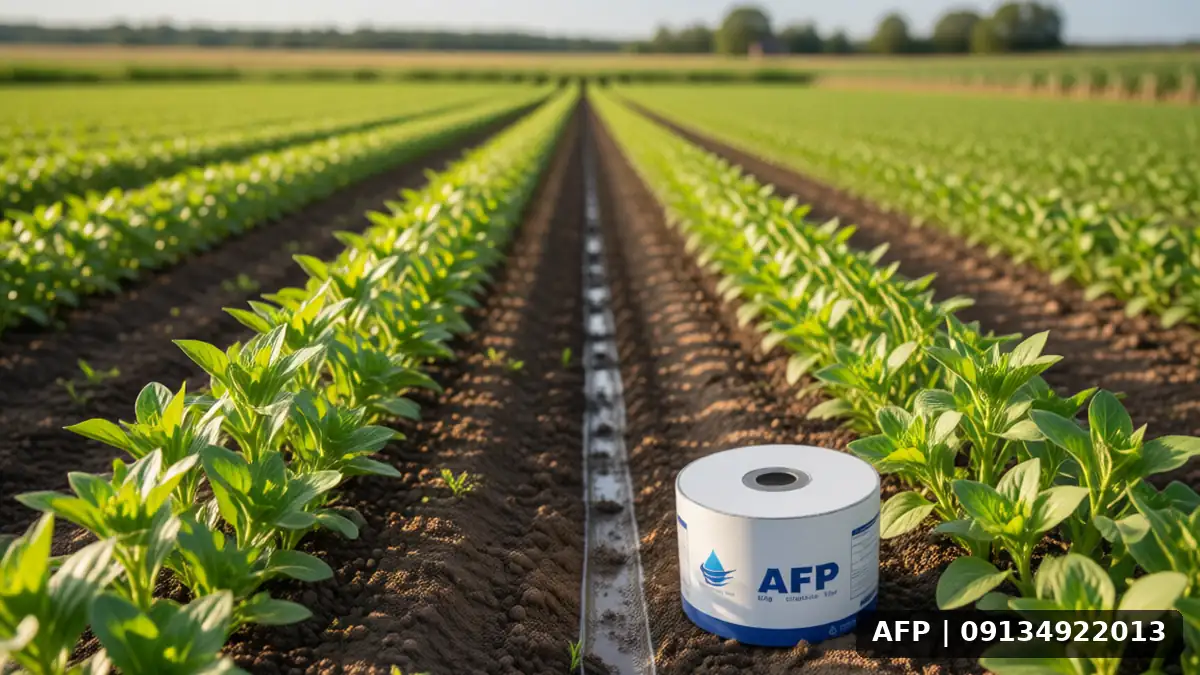
Basil cultivation has become one of the most profitable crops in Iran due to high demand in the food and medicinal plant industries. However, one of the primary concerns for producers is maintaining soil moisture balance throughout the production cycle. Basil is a plant that is sensitive to drought, and its shallow root system requires precise and regular irrigation. In this article from [Irrigation Band], we aim to focus on moisture irrigation, the challenges farmers face in implementing this method, and solutions based on drip and tape irrigation systems.
The importance of moisture irrigation in producing high-quality basil
Keywords Basil moisture irrigation This means that the soil structure and root zone must remain sufficiently moist without exposing the roots to waterlogging. This delicate balance directly affects the concentration of essential oils and the specific flavor of the plant. If soil moisture drops, the plant reduces its production of essential oils to maintain water balance, resulting in lower quality of the final product. Conversely, over-irrigation causes root rot and creates a suitable environment for the spread of Cuscuta and other fungal diseases. Therefore, choosing the appropriate irrigation method is not just an economic decision but a critical mission to preserve the commercial value of basil.
Technical challenges in implementing moisture irrigation
Non-uniform water infiltration across different soil layers
One of the primary challenges in moisture irrigation for basil cultivation is the uniform distribution of moisture across the surface. Conventional drip systems, if installed with incorrect flow rates and scheduling, wet only part of the soil profile, leaving dry zones between drippers. This phenomenon places lateral roots in severe drought stress while main roots remain in saturated conditions. To overcome this issue, using a subsurface drip irrigation line (SDL) can be beneficial, as it creates a more uniform distribution. However, critical considerations before installing the SDL in the field must be strictly observed to prevent pipe clogging and improper water distribution.
High energy consumption in water pumping
In drip and subsurface drip irrigation methods, although total water consumption is reduced, the required pressure to establish water flow on low-elevation land necessitates high-capacity pumps. This issue increases farmers’ operational costs. The main challenge is finding a balance between energy and irrigation costs. Using subsurface drip lines with smaller diameters and lower flow rates can be effective in reducing pump workload. In this regard, studying the technical specifications of the equipment and selecting the optimal option is of high importance. It is recommended to consult the guide before purchase. Selecting agricultural subsurface drip lines to select an option suitable for the regional climatic conditions.
Practical solutions for soil moisture management
To overcome the aforementioned challenges, implementing a comprehensive management program is essential. This program should include the use of soil moisture sensors, regular irrigation system adjustments, and periodic monitoring. Soil moisture sensors help farmers determine the precise timing for irrigation and prevent soil drying or excessive saturation. Additionally, covering the field with polymer mulch can conserve soil moisture and prevent rapid evaporation. This combination, particularly in Iran’s hot and dry regions, can reduce water consumption by up to 30%.
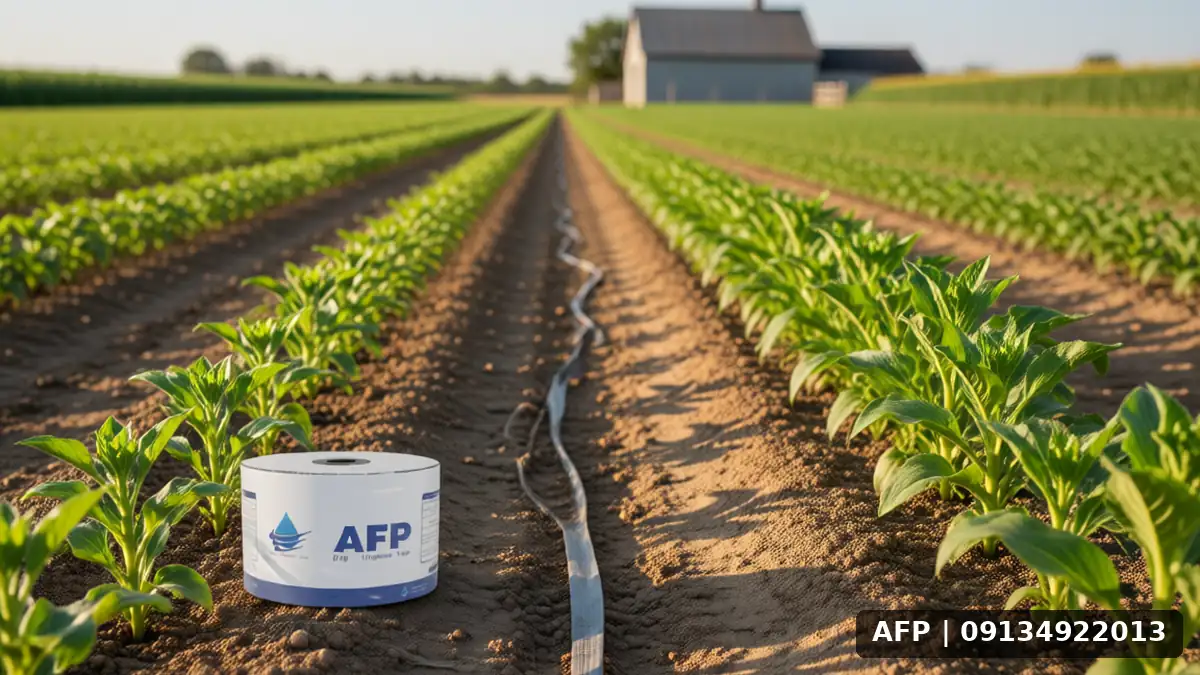
When selecting tape drip lines, paying attention to the emitter flow rate and spacing between emitters is crucial. For basil, which has shallow roots, a tape drip line with 20 to 25 cm emitter spacing and a flow rate of 10 to 15 liters per hour is generally the better option. If you use a drip system, ensure appropriate filters are installed at the system inlet to prevent emitter clogging. Regular system flushing after each cropping cycle is also necessary.
Impact of Moisture Irrigation on Yield and Quality
Appropriate moisture irrigation, particularly during the early growth stages of basil, can increase the rate of fine root formation and stem growth. Although basil is a fast-growing plant, delayed response to soil moisture can reduce the number of harvestable stems per cycle. To compare yields, it is essential to understand the concept of harvest rate per hectare for plants in the Lamiaceae family, such as basil and other flowers. While basil harvesting is based on successive cuts, sustained increased humidity raises the concentration of chrysan (eucalyptol) and rosmarinic acid, which are primary essential oils of the plant.
Frequently Asked Questions (FAQ)
Is drip irrigation better than tape drip for basil?
Both methods have specific advantages. Drip irrigation offers high precision, but clogged emitters increase the risk of localized dryness. Tiphane tape creates a more uniform distribution but requires stricter control of pressure and flow. The best choice depends on soil type, land slope, and farm technical facilities. In heavy soils, drip irrigation may be more effective, while in light soils with high porosity, tiphane tape with lower flow rates is a better option.
How many times a week should basil be irrigated?
This depends heavily on climatic conditions, season, and soil type. Typically, irrigation two to three times a week is recommended in spring and summer. In temperate and rainy regions, this frequency may decrease. Using soil moisture sensors is the best guide for precise scheduling.
Can plastic mulch replace drip irrigation?
Plastic mulch is not an irrigation method in itself, but a method for preserving soil moisture. These two methods are complementary. If you use plastic mulch, you can increase irrigation intervals rather than reducing irrigation volume, thereby saving water. Additionally, plastic mulch should be black to absorb light and prevent weed growth.
Conclusion: Final steps for optimizing basil cultivation
Moisture management irrigation in basil cultivation is a continuous process requiring attention to technical and managerial details. By selecting the appropriate drip or tape system and utilizing new technologies such as smart moisture sensors and mulch cover, you can reduce water consumption while increasing product quality and yield. This approach is viable not only for commercial farms but also for home producers. Remember that شريط الري بالتنقيط في أربيل is only one example of the global applications of tape systems, but its principles for managing moisture in sensitive plants are applicable in all climates. Success in basil cultivation ultimately depends on your commitment to maintaining the balance between water and soil. This balance is an asset that ensures sustainable profitability and environmental sustainability of your farm.
Related articles: شريط الري بالتنقيط في أربيل: Comprehensive Guide to Modern Agriculture, Spinach Yield per Hectare: Influencing Factors and Methods for Increase, Yield of Iceberg Lettuce D8AFD8B1 per Hectare