Lentil Seed Rate per Hectare: A Comprehensive Guide to Maximum Efficiency
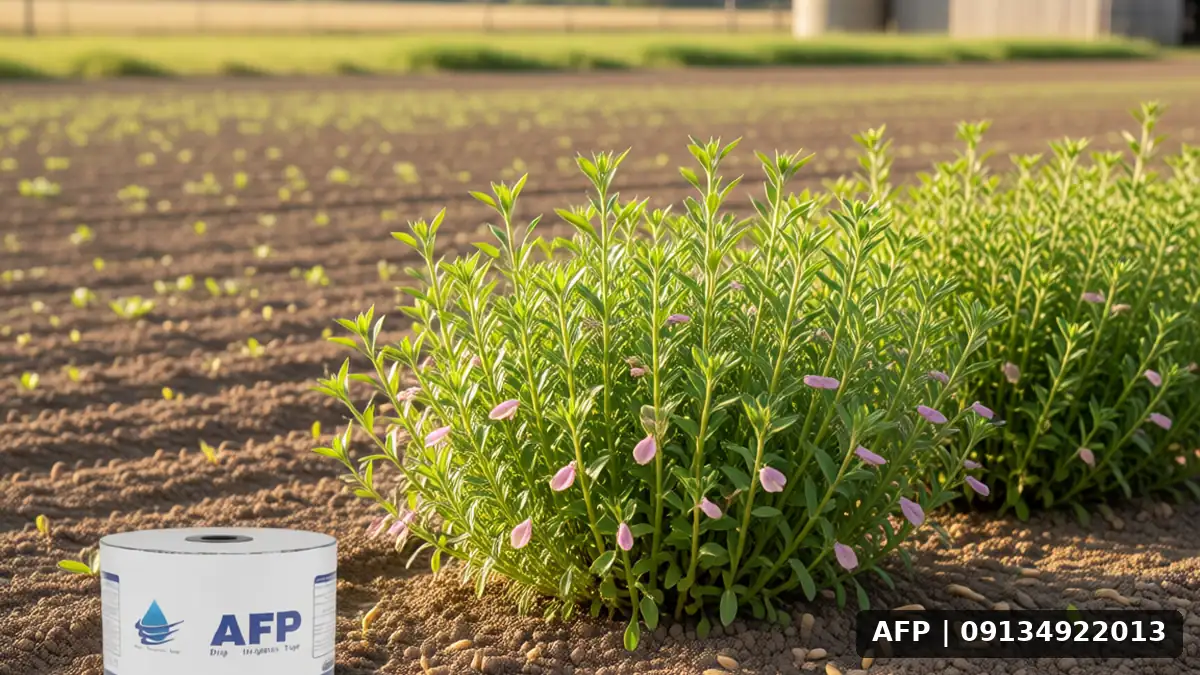
Introduction: The Importance of Determining Correct Chickpea Planting Density
Chickpea is a highly demanded legume in both domestic and export markets. One of the most important factors affecting the final yield of this crop is the correct selection and implementation of the amount of chickpea seed per hectare . If this amount is less than the desired level, the plant does not have enough opportunity to develop sufficient lateral branches, and if it is excessive, intense competition for light, water, and nutrients occurs, leading to a decrease in seed weight per plant.
In modern agriculture, simply knowing the number is not enough. We must know how to combine this figure with modern irrigation methods such as drip and trickle irrigation to reduce water consumption while improving crop quality. In this article from the planting guide, we have explained everything you need for a successful crop in simple terms.
The standard amount of chickpea seed per hectare depends on climate conditions
Generally, the standard range for chickpea planting varies between 30 and 50 kg of seed per hectare. However, this figure is not a fixed number and depends on several key factors. If you are planting in cold regions with light soils, you generally need the highest amount of seed per hectare, i.e., 50 kg, to create an appropriate plant density. In contrast, in tropical regions with well-drained soils, an amount of 30 to 35 kg may be more suitable.
Factors such as seed size, seed purity percentage, and available water levels all affect this calculation. For example, if your seeds are larger than average, you need a higher kilogram figure to maintain a consistent density per unit area. Additionally, when using drip irrigation, you can prevent water deficiency in the root zone from over-dense planting by creating balanced moisture conditions. Familiarity with Types of irrigation systems It helps you determine which system has better compatibility with a specific seed density.
Combination of tape drip and drip irrigation with lentil planting density
One of the main challenges for farmers is coordinating seed density with water distribution in the soil. In tape drip irrigation, thin tubes are placed on the soil surface or slightly beneath it, delivering water as droplets or slow streams to the roots. This method is ideal for lentils, which have a shallow-root system.
If you increase the lentil seed amount to 40 kilograms per hectare, the seed spacing and the diameter of the tape drip lines must be coordinated so that no plant is left thirsty. In this case, using narrower diameter tapes and more lines ensures moisture stability for denser plants. Conversely, for lower density plantings, you may use wider lateral spacing to give roots enough room to expand. To better understand this process, you can take a look at narrow web tape production line complete guide which describes the correct production and installation steps for these equipment.
Practical tips for precise calculation and error-free planting
To calculate the most accurate lentil seed quantity per hectare, we recommend using the following practical steps. These points are highly practical and do not require complex tools:
- Measuring Seed Weight: Before purchasing seed, determine the average weight of the seeds. The heavier the seed, the fewer seeds per kilogram, and more kilograms are required to achieve dense planting.
- Determining Spacing and Size: Lentils generally require approximately 25 to 35 cm between rows and 8 to 12 cm between seeds along the row. Adjust these distances to your local climate conditions.
- Considering Seed Wastage and Germination Losses: Always add approximately 10 to 15 percent to the total seed amount to compensate for planting losses and initial pest damage.
- Pit Seeding Test: Before sowing the entire field, plant several small test strips with different seeding rates to observe the plant’s root and stem behavior before full-scale expansion.
These methods help you be more confident about your yield. Although these figures are for chickpeas, their general principles apply similarly to calculating the seed quantity for melon and other small-seeded legumes.
The impact of seed quantity on yield quantity and product quality
A common question is whether increasing the seed rate will definitely result in higher yield. The short answer is no. Excessive planting density leads to stem thinness, light deficiency in the lower parts of the plant, and increased insect stress. The final result is crops with small grains and heavy roots that have lower economic value.
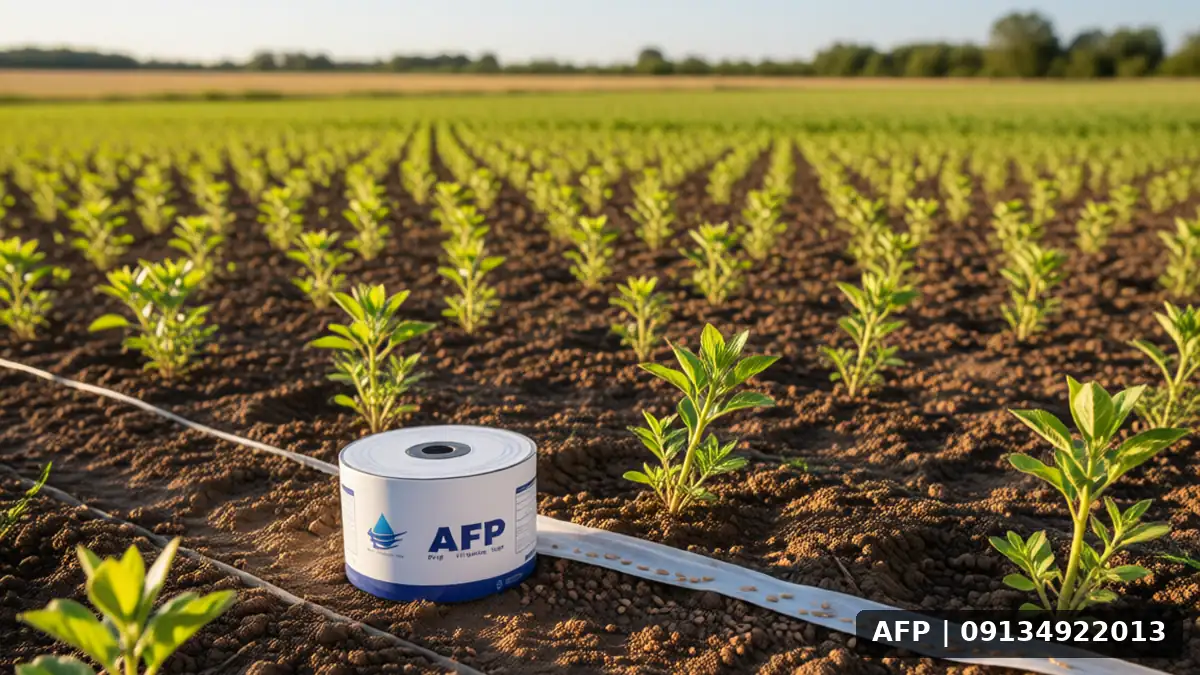
To achieve the best balance, the goal is to reach maximum podding density without compromising grain quality. Experience has shown that under ideal soil and water conditions, a seed rate of 40 to 45 kilograms per hectare often results in the best combination of plant count and average grain weight. This trend has many conceptual similarities with the topic of Garlic yield per hectare There is one in which correct layout and appropriate density are the key to increasing yield.
Answers to Frequently Asked Questions (FAQ)
Is the lentil seed rate per hectare the same for all regions?
No. This amount is slightly lower in arid and semi-arid regions, and in moister regions with richer soils, it can be slightly higher, provided there is caution and precise monitoring of soil moisture. Always use local conditions as your guideline.
When should I use Naareyit instead of Trad?
If you have an early planting schedule or are in cold regions with a risk of low seed viability, using Naareyit seed (cracked or softened) can increase germination speed. This method is more effective alongside drip irrigation systems that better support early root establishment.
Does a drip system cost more than a Tip strip?
Drip tape is generally more economical in the long run with lower energy consumption, but drip systems are a better choice for crops with very high value-added. For crops like celery which have high moisture sensitivity, drip irrigation takes priority, but for lentils, drip tape is usually a suitable and optimal option.
What is the appropriate lateral spacing?
A lateral spacing of 25 to 30 cm is recommended for most planting methods in Iran’s temperate climate. In light soils with high temperatures, a spacing of 35 cm or more is recommended to reduce surface temperature stress.
Conclusion: Moving Towards Smarter Planting
Ultimately, determining the lentil seed rate per hectare is a dynamic decision that requires trial and error and continuous monitoring. By combining knowledge of proper seeding and precise irrigation, you can increase your water efficiency by more than 20 percent and your economic yield by at least 15 percent. Instead of focusing solely on increasing the kilograms of seed, prioritize planting quality, soil health, and smart water management.
If you are still uncertain about the setup of your drip tape or drip irrigation system, reading Benefits of Drip Tape can give you a deeper understanding. The farming of the future is one where every seed and every drop of water plays a pivotal role.