The Role of Irrigation Systems in Optimizing Yields and Reducing Agricultural Water Consumption
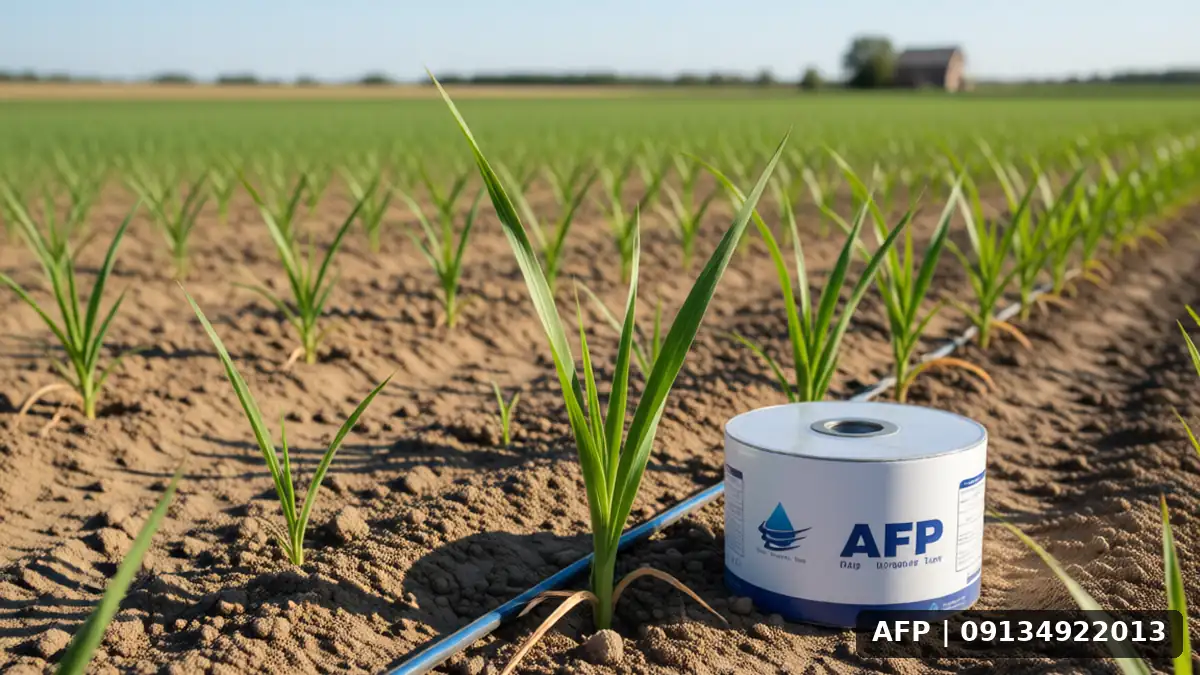
Water resource management in the agricultural sector is consistently considered a major challenge for producers. Given water scarcity in many arid and semi-arid regions, improper irrigation methods can lead to the severe waste of valuable resources and a decline in product quality. In this regard, Agricultural irrigation As a science and an art, requires a deep understanding of plant root requirements, soil conditions, and local climate. The objective of this article is to examine various water delivery mechanisms to plant roots in detail and provide practical solutions for farmers and orchardists to achieve maximum efficiency with minimum consumption. We will also address the direct relationship between irrigation type and final crop yield, as discussed in topics related to Sorghum yield in Tajikistan and other crops. Additionally, we analyze the factors affecting irrigation accuracy and their impact on optimizing production costs.
One of the fundamental principles in designing irrigation systems is understanding the soil water retention capacity. Clay soils, due to their fine particle size, have high retention capacity but low permeability, causing excess water to escape to the soil surface and streambeds. Conversely, sandy soils have high permeability and low retention capacity, requiring frequent irrigation with small doses. In these conditions, employing intelligent algorithms to determine irrigation timing and volume not only prevents the scorching of roots but also prevents root growth in deeper layers that are inaccessible to roots. To better understand the principles of water distribution in different soils, study the article Irrigation conditions with Tengesh and Deravi It can be beneficial. This approach prevents water loss due to evaporation and deep percolation, thereby maintaining optimal moisture levels in the root zone.
Water transmission from the storage source to the plant root involves a chain of processes, each of which can be optimized for increased efficiency. In open systems, significant water is lost to leakage and evaporation from earthen or stone canals. Therefore, using high-quality polyethylene pipes and proper overflow design are basic principles of irrigation engineering. Additionally, water pressure at the start of each set must be precisely controlled to prevent soil erosion and the washing of fine particles into the root zones. For high-value crops, such as greenhouse plants or ornamentals, precise management of water pressure and temperature can directly impact final product quality. For example, understanding the relationship between water pressure and root growth is key to discussions on Factors Increasing Garlic Yield including rain-fed trees that require continuous moisture. This point doubles the importance for producers of balancing water deficit and root flooding.
Improper irrigation methods, in addition to wasting resources, can lead to soil salinization and reduced fertility. Whenever water is applied in excess of root zone requirements, salts present in deeper layers migrate to the soil surface. This phenomenon occurs rapidly, particularly in arid climates where rainfall is insufficient for leaching salts. To combat salinity, using drip irrigation systems with leaching strips is an effective solution. These systems prevent salt migration into the soil profile by concentrating water around the roots. Additionally, selecting salt-tolerant seed varieties and proper fertilizer management can help mitigate the negative effects of salinity. In this regard, understanding irrigation principles and selecting appropriate seeds is a topic that is addressed in White bean seed rate per hectare and influencing factors as well. White bean is a crop sensitive to salinity, and proper irrigation can ensure vigorous growth.
The role of soil moisture in vigorous plant growth, particularly during flowering and fruiting stages, is critical. Water deficiency during these phases can cause flower abortion, cessation of fruit production, and reduced fruit weight. Conversely, repeated waterlogging of roots can lead to root rot and root diseases. Therefore, precisely timing irrigation based on plant root zone needs is an absolute necessity. Using soil moisture sensors and meteorological data can be beneficial in this regard. For vegetable crops, such as green beans, moisture management directly affects the texture and taste of the final product. Studying Yield factors of green beans per hectare can provide valuable insights into moisture management to improve the yield of this crop.
In addition to humidity, water temperature can also significantly affect plant growth. Irrigation with cold water, especially later in the day, can cause thermal shock to the roots, leading to root injury. Conversely, irrigation with warm water can trigger fungal and bacterial diseases. Therefore, managing water temperature and irrigation timing are two critical factors for producers. For temperature-sensitive crops, such as green onions, these factors must be considered with greater precision. In this regard, understanding the green onion seed rate per hectare and its irrigation principles can help producers achieve optimal yields.
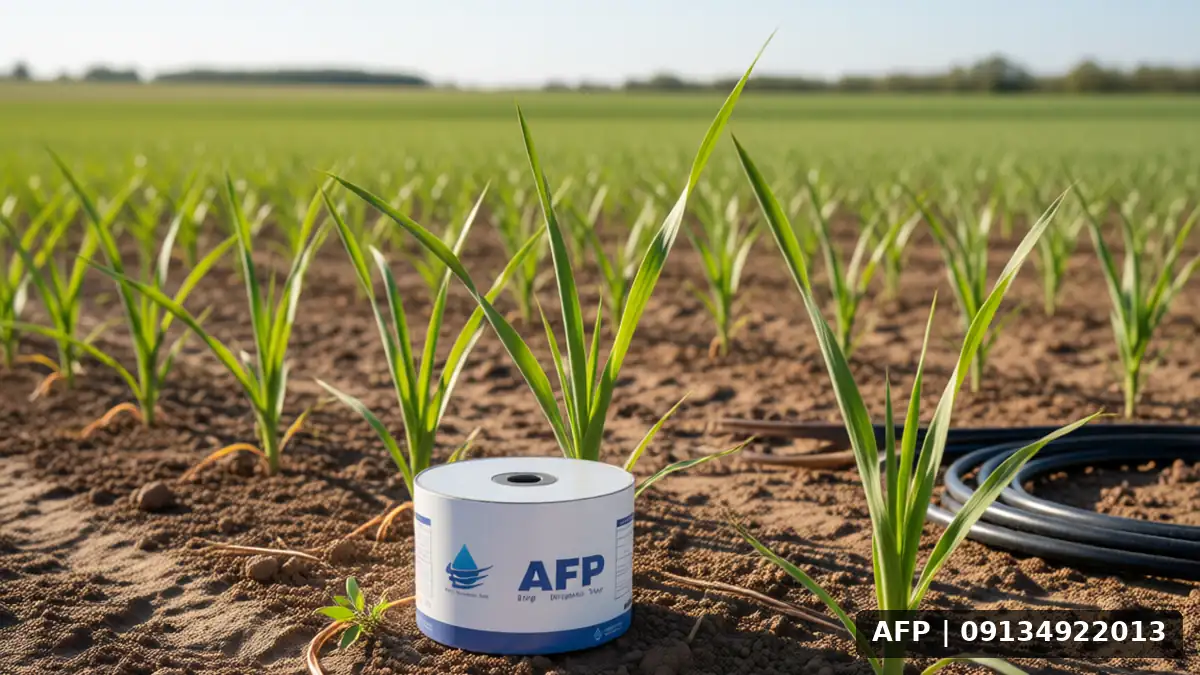
Finally, irrigation system sustainability and energy efficiency are two other key factors. Dynamic irrigation systems, which can automatically adjust based on plant needs and environmental conditions, can reduce energy consumption and increase overall efficiency. Additionally, using solar energy to power irrigation pumps can significantly reduce operational costs. For high-value crops, such as watermelon, proper irrigation can increase tonnage and improve fruit quality. For more information on this topic, study Watermelon harvest tonnage per hectare and the factors affecting it is recommended.
Ultimately, applying crop-care principles in agricultural irrigation not only increases crop and orchard yields but also helps conserve water resources for future generations. Farmers and orchard owners should select the best irrigation methods to achieve optimal performance by thoroughly understanding plant root needs, soil conditions, and local climate. Furthermore, using advanced technologies and meteorological data can be effective in achieving this goal.
The following chart compares water consumption between drip irrigation and flood irrigation systems. It clearly shows that the use of drip systems significantly reduces water consumption.
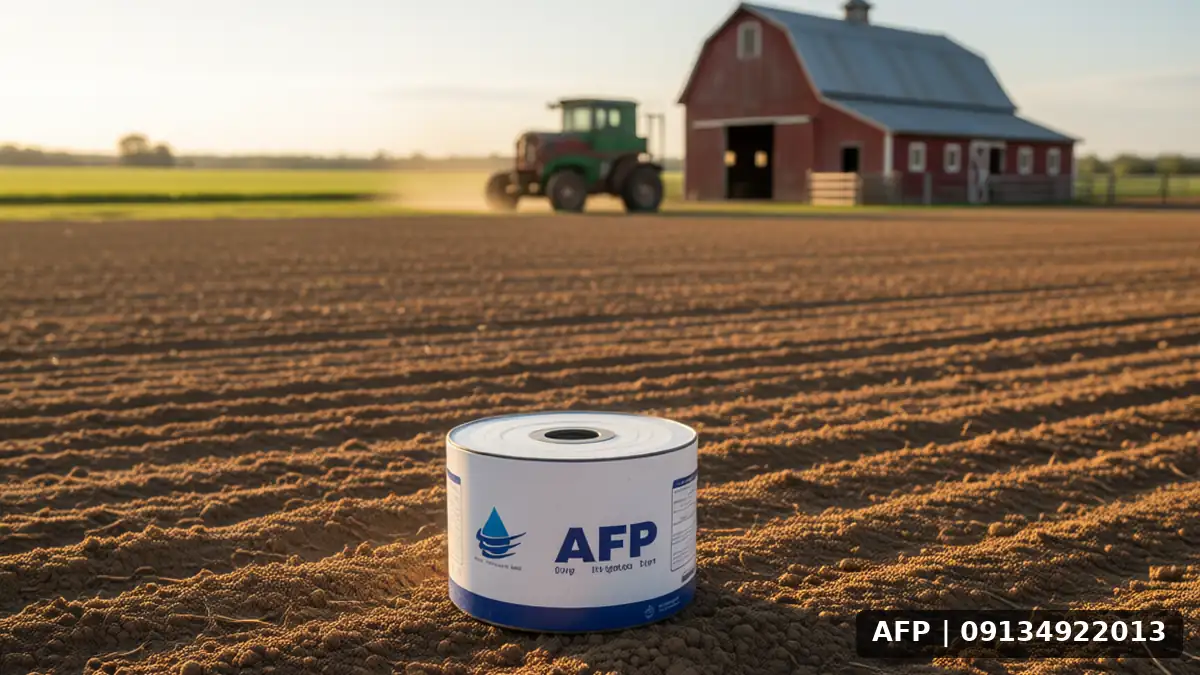
The image below shows a drip irrigation system on a green bean farm. As observed, water is evenly distributed around the plant roots.
This image shows how soil moisture is evenly distributed around the plant roots, preventing root erosion.