Irrigating Fruit Orchards with Spinach Crops: Benefits and Scientific Principles
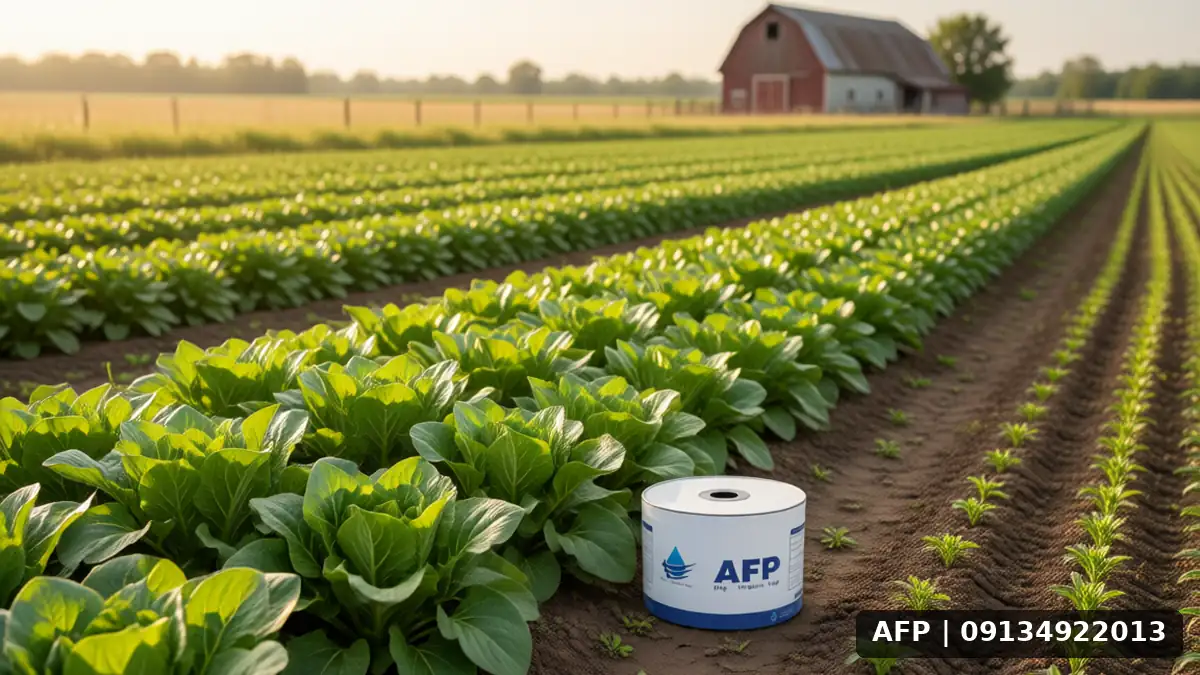
Introduction to Spinach Irrigation in Fruit Orchards
One of the main challenges for farmers in mixed orchard and vegetable cropping is the precise management of water resources. Due to its rapid growth rate and specific need for uniform moisture, spinach is an ideal option for intercropping under fruit trees. However, the irrigation method plays a decisive role in leaf and root quality. This section examines the importance of using modern irrigation technologies, such as drip and tape systems, to improve spinach performance. Spinach is a cool-season crop that is typically planted as an intermediate or early-maturing crop in the open spaces of orchards. These mixed cropping systems not only utilize idle land but also prevent soil salinization at the surface during low-rainfall seasons by creating vegetation cover. Nevertheless, the water balance between fruit trees, which have deeper water requirements, and spinach, which has shallow and sensitive roots, is complex. Therefore, selecting the correct irrigation system is the key to the success of this cropping system. Drip and tape irrigation manage this balance most effectively by delivering water precisely to the root zone.
Advantages of Using Drip Irrigation in Spinach Cropping
The drip irrigation system is an ideal choice for moisture-sensitive plants like spinach due to its uniform distribution of water and nutrients. The main advantages of this method include:
- Reduced Evaporation: Since water is delivered directly to the root zone, the soil surface remains drier, which helps control weeds.
- Prevention of Fungal Diseases: Keeping leaves wet is a major pathway for plant pathogen infection. Drip irrigation significantly reduces the risk of these diseases by lowering leaf relative humidity.
- Water conservation: This system reduces water consumption by up to 40%, which is critical in fruit orchards.
For better implementation, consult the Drip Irrigation Guide to ensure technical installation details are addressed. Additionally, the pressure in the drip irrigation line must be strictly controlled to prevent dripper clogging. Using appropriate filters and water treatment systems before water enters the pipes extends the useful life of irrigation equipment. In fruit orchards, which typically contain older trees, the installation of drip lines must not damage the main tree roots; therefore, the burial depth of the lines should be handled cautiously and in coordination with the chief orchardist.
Impact on Shrub and Root Quality
Spinach is a crop highly sensitive to water stress. In drip systems, roots are maintained at a uniform temperature, resulting in more uniform growth in the vegetative parts. This factor increases the commercial value of the product through consistent green coloration. Furthermore, in diverse multi-crop farming, product quality consistency is achieved through the standard management of basic resources. Spinach roots spread rapidly and wilt quickly in the event of water shortage. Regular irrigation with small doses resolves this issue. On the other hand, irrigation-based fertilization (Fertigation) allows for the precise delivery of micronutrients such as iron and manganese, which are essential for leafy vegetables like spinach. This method not only increases growth rate but also prevents soil nutrient deficiencies, which are common in fruit orchards.
Tipe Tape: A Step Beyond Drip
Tipe tape (Micro-bubble Tape) is a new generation of drip tape that improves soil permeability by creating small air bubbles and reduces fine dust and solute contamination. This feature is doubly advantageous for spinach, which has shallow roots.
- Soil Aeration: Air bubbles prevent soil compaction and allow spinach roots to grow freely.
- Enhanced Nutrient Uptake: Improved moisture retention facilitates the uptake of micronutrients such as iron and manganese, which are vital for spinach.
To select the most suitable tipe tape, you can read the tipe tape guide to learn about appropriate pipeline spacing for root crops. The distance of the tipe tape from the center of the spinach row should ensure complete moisture coverage. Typically, a distance equivalent to half the width of ridge plantings is recommended. Also, due to its mesh structure, tipe tape is less prone to clogging than common drippers, making it an economical option for fast-maturing seasonal crops.
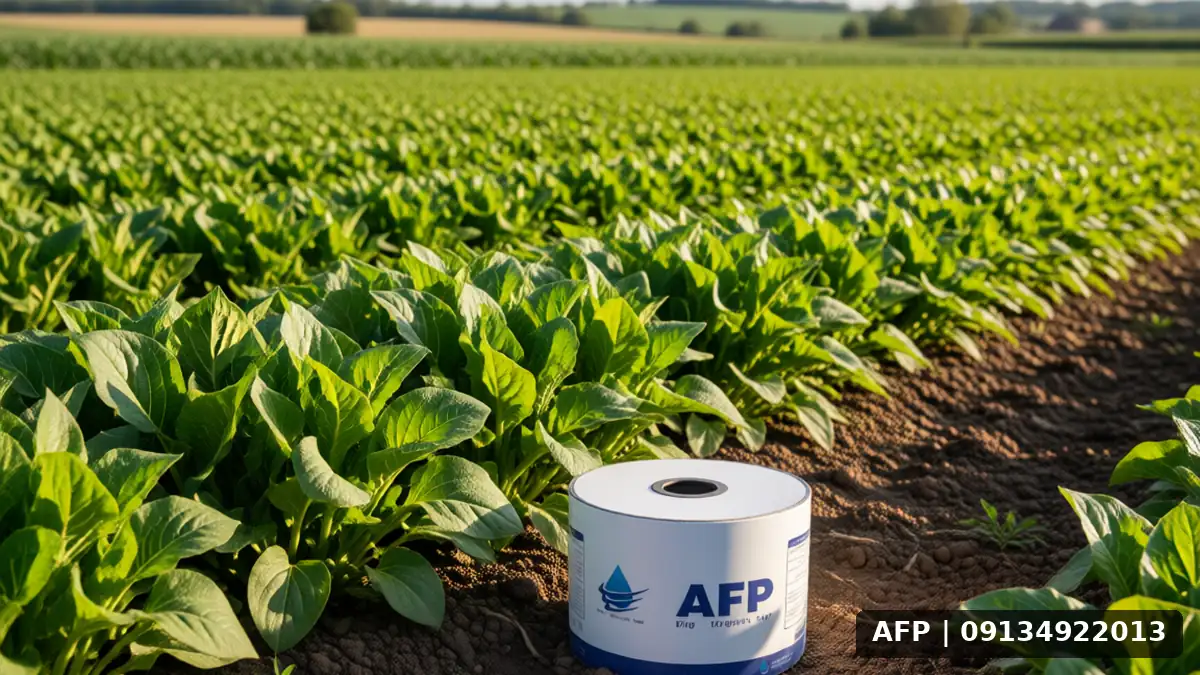
Practical implementation notes
- Calculating planting density: The suitable density for spinach is generally between 30,000 and 40,000 plants per hectare. This density must be coordinated with the spacing of irrigation pipes. Excessive density can cause competition among plants for water and nutrients, thereby reducing leaf quality. Therefore, before installing the irrigation system, the dimensions of the planting rows must be measured precisely so that the tape pipes are cut to the correct length.
- Planning water dose: Spinach requires approximately 1,000 to 1,400 millimeters of water annually. Using precise shutoff valves for water dosing is essential. This amount of water must be calculated based on irrigation frequency and soil water capacity. Regular and short-duration irrigations are preferable for spinach over long and intermittent ones. Additionally, irrigation is typically recommended during early morning or evening hours to minimize evaporation.
- Shading effects: In orchards, tree shading affects moisture distribution. In shaded sections, the number of pipes may need to be slightly increased to maintain balance. This phenomenon results in part of the spinach crop growing in tree shade, which keeps soil temperature lower and slightly reduces water requirements; however, photosynthetic growth will be reduced in return. Therefore, water dose calculations must be performed separately for shaded and sunny sections to ensure uniform crop quality.
In addition, maintaining and cleaning irrigation systems during the spinach growing season is crucial. Periodic flushing of pipes and filters with citric acid or diluted chlorine prevents salt deposition. Spinach is sensitive to soil salinity; therefore, if the irrigation water has high salinity, the water application rate must be increased to flush salts from the root zone. This is particularly important in orchards, which often use drainage water with moderate salinity. For more information on water management and dose calculation, you can refer to the article on water intake per hectare to obtain a more accurate estimate of available water resources.
Frequently Asked Questions (FAQ)
Is drip irrigation expensive for spinach?
Although the initial installation cost may be higher than surface irrigation, the economic efficiency of this method is significantly higher when factoring in water costs, pumping energy, and crop loss. In the long term, investing in modern irrigation systems proves to be the most cost-effective approach. Furthermore, increased crop yields due to better quality and heavier leaf weight offset the initial cost within a single growing season. Additionally, the ability to reuse systems for other vegetable crops, such as cucumber or pepper, in other seasons makes this investment highly logical.
Can subsurface drip irrigation be used for multiple under-plant crops?
Yes, drip tape is suitable for diverse crops such as tansy, marigold, and even fenugreek due to its high flexibility. To determine the appropriate drip tape spacing for various crops, it is useful to review guides on cucumber and other root-crop seedbeds. Cucumber seed rates per hectare and other density tables can help you achieve optimal performance for different plants by adjusting the pipe spacing. Thanks to its mechanical strength, drip tape remains durable through successive plantings, reducing the need for annual replacement.
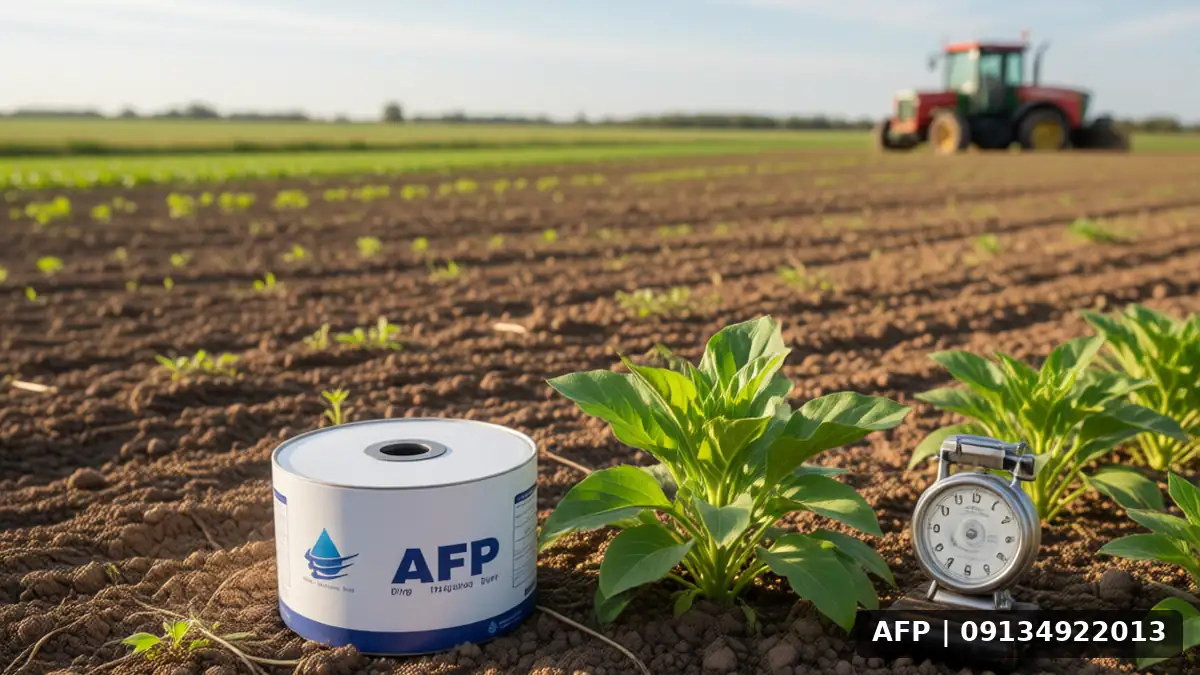
Conclusion and final recommendations
Using drip irrigation and drip tape systems for spinach cultivation in fruit orchards not only increases quantitative yield but also improves the quality of cuttings and roots. These methods enhance economic returns by reducing water stress on plants. It is recommended that you consult a horticultural engineer or irrigation specialist before implementing any changes to ensure local parameters are calculated accurately. Proper water management is not just a technique but a sustainable strategy for agriculture. Given the importance of water resources in Iran, transitioning from traditional irrigation methods to modern systems is a necessary step to preserve soil wealth and crop quality. Irrigating spinach with drip tape is a combination of science and practice that provides precise and predictable results for farmers. Ultimately, the proper implementation of these systems requires patience, continuous monitoring, and a deep understanding of the physiology of root crops, which can be reinforced by studying specialized resources such as Vegetable performance studies can be reinforced.
Related articles: okra seed per hectare density table, Tomato drip tape line