Irrigating Fruit Orchards in Melon Cultivation: Key Prerequisites for Success
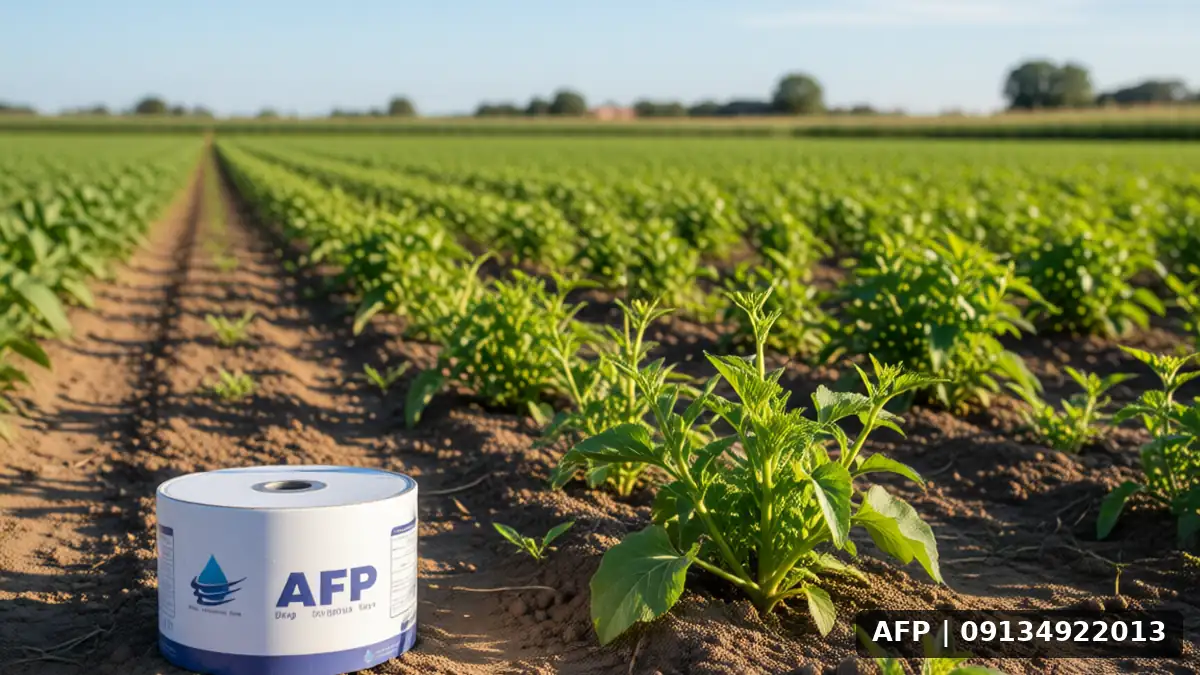
Transitioning fruit orchards from traditional methods to tape or drip irrigation in sparse planting systems is a concern many orchardists face. In sparse planting, characterized by a lower tree density and increased planting spacing, precise soil moisture management becomes an unavoidable necessity. In this system, fertilizers must be delivered to the tree roots with greater precision, as non-plant competition is reduced and each plant has more space for root growth. However, without a regular and smart irrigation cycle, this extra space leads to adverse effects and reduced yields. Below, we examine the main prerequisites for success with this system.
Technical prerequisites for fruit orchard irrigation in sparse planting systems
Soil type and permeability assessment
The first and most important prerequisite is a precise understanding of the farm’s soil type. Citrus trees and other fruit trees require soils with adequate drainage. In sparse planting, if the soil is clayey, its water retention in irrigation tapes can lead to root disease. Conversely, in sandy soils, water infiltration is very fast, and water may be lost before reaching the deep roots. Therefore, a soil profile up to a depth of 1 meter must be conducted before system installation. At this stage, technical consultation to determine tape length and the spacing between tapes is vital. Tape length should be adjusted based on the tree’s canopy radius and soil permeability to ensure uniform coverage.
Expansion of the piping network and required pressure
Unlike classical dense orchards, melon cropping has wider spacing between trees. This requires the use of main pipes with larger diameters and greater wall thickness to maintain pressure. Pressure loss along the drip tape line must be calculated to prevent the end of the line from running dry. If the terrain has a significant elevation difference, pressure regulating valves (PRV) should be installed at the lowest pressure points. A guide on irrigation network design principles can assist in calculating pipe diameters and selecting the appropriate pump.
Management and Operational Prerequisites
Planning Based on Water Requirement (ET)
Irrigation in melon cropping should not follow a fixed schedule but must be adjusted based on plant need. Citrus trees have different requirements at various growth stages (dormancy, flowering, fruit set, and pre-harvest). Using a tensiometer or scientific calculations from meteorological data is a key prerequisite for management. As the number of trees decreases, operational irrigation practices change and require more precise control.
Adequate Filtration and Disinfection
Although drip tape emitter holes are generally smaller than standard drip emitters, clogging risk remains. Especially when using water sources such as wells or qanats, a precise filtration system (disc filter and mesh filter) is essential. Additionally, a reverse flushing protocol or purging of the drip tape filters must be planned every 1 to 2 months. Neglecting this prerequisite gradually leads to reduced output flow and uneven irrigation in the orchard.
Practical and Implementation Points for Melon Cropping Execution
Correct installation of the drip tape around the tree’s root zone
In melon cultivation, drip tapes must be installed so that soil movement throughout the year does not expose the pipes from below. The use of appropriate underground anchoring wires is a critical practical point. The starting point of the drip tape must be at least 1 meter away from the tree trunk to prevent root zone waterlogging and fungal diseases. Additionally, in hot climates, vegetative cover between rows can help reduce evaporation, but it must be considered that ornamental or cover plants also use water from the drip tape.
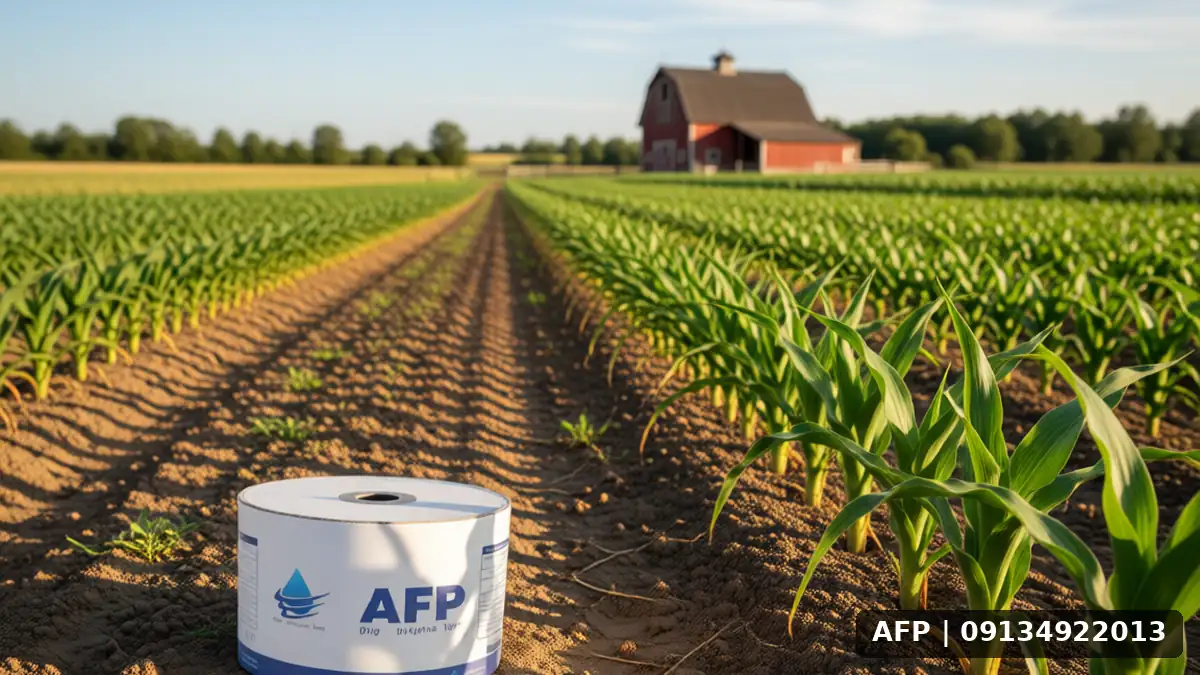
Integration of irrigation and fertigation
One of the major advantages of irrigating melon orchards is the ability to use fertigation systems. Due to the lower number of trees, calculating fertilizer concentration is more precise and effective. Before irrigation, dissolve the fertilizer correctly in the spray solution or main system to prevent the formation of insoluble precipitates at the end of the drip tape. This technique is particularly effective for citrus crops, which are sensitive to potassium and calcium. In this regard, important notes prior to the installation of the drip tape must have an operational focus.
Comparison table of drip tape and drip systems in melon cultivation
According to this table, the tape line is a better option for uniform root coverage in melon orchards with elongated canopies. However, if the canopies are very wide and irregular, drip irrigation offers greater flexibility. The final choice is determined by the canopy shape of the trees in your orchard.
Frequently Asked Questions (FAQ)
Is tape line suitable for young trees?
Yes, but the length of the drip lines must be adjusted based on the annual canopy growth. In the initial years, shorter lines and wider spacing are recommended to encourage horizontal root development. In later years, as the canopy is thinned and fills in, make the lines longer or increase their number.
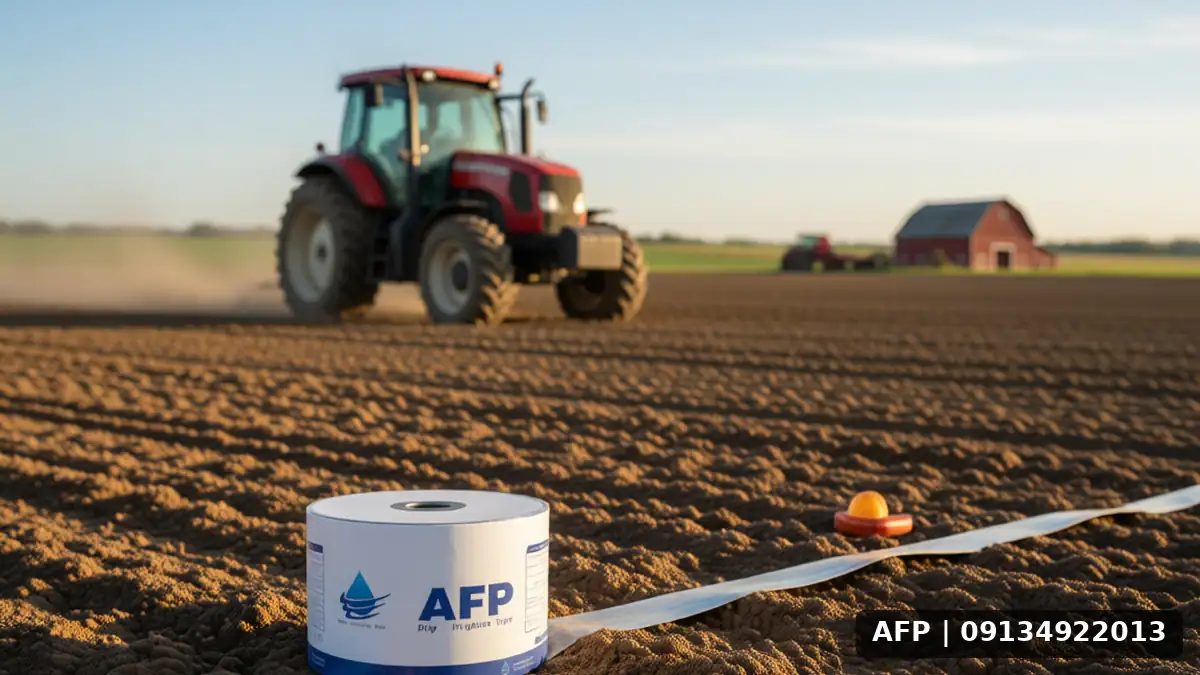
How deep should the drip lines be buried?
A typical depth of 10 to 15 cm below the soil surface is ideal for citrus. Depths exceeding 20 cm prevent water from reaching surface roots, while shallower depths increase the risk of evaporation and filter clogging.
Conclusion and Final Recommendation
Implementing an optimized irrigation system in melon orchards is a long-term investment that yields high returns by reducing labor costs and improving crop quality. Before proceeding with any action, do not overlook consulting irrigation specialists to ensure precise dimensions suitable for your farm’s conditions. By adhering to these prerequisites and focusing on data integrity in complex irrigation systems, you can transform your orchard into a high-density, low-efficiency operation.
Related Articles: Lentil Yield D8AFD8B1 per Hectare, drip tape irrigation line, Soybean yield D8AFD8B1 per hectare, Drip irrigation lines in al-Qadisiyyah: Advanced agricultural solutions