Irrigating Cumin in Fruit Orchard Systems: Benefits and Technical Insights
Introduction to Smart Irrigation in Orchards and Fields
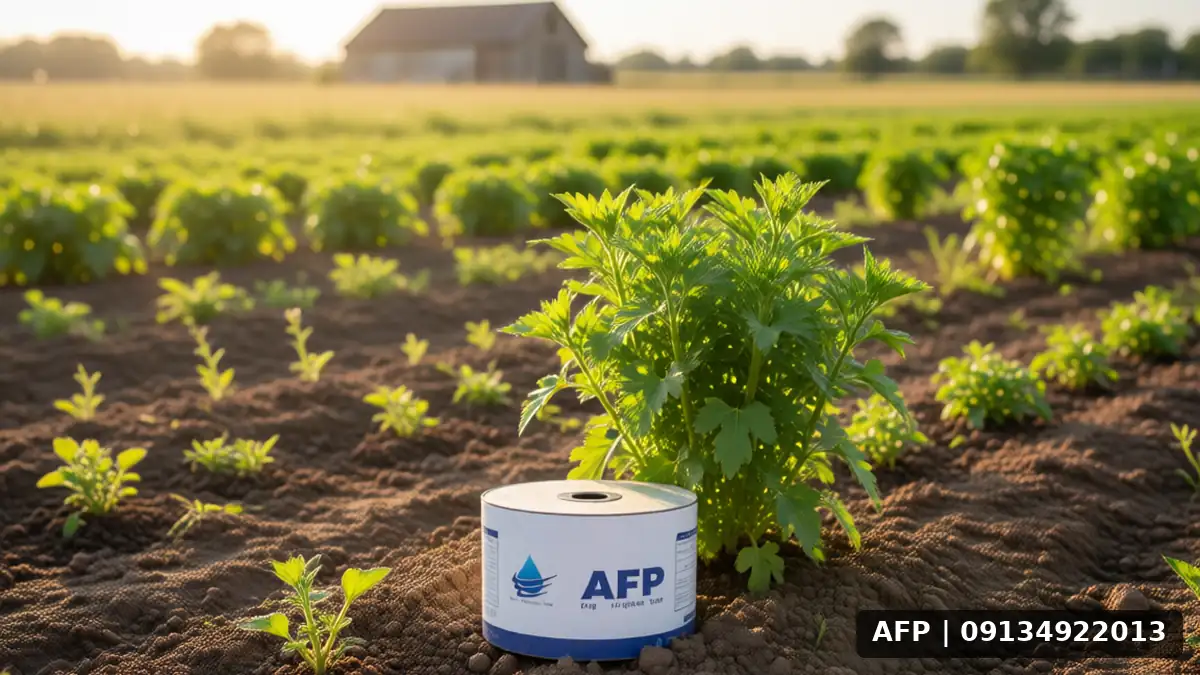
Irrigation is one of the most critical pillars of agricultural production. In recent years, utilizing modern irrigation systems such as drip and tape (lanta) has become the primary approach for farmers seeking maximum efficiency, due to reduced water losses and increased yield. Cilantro cultivation, as one of the most widely used aromatic plants, and orchard management both require precise and regular irrigation. Cilantro is a plant that is sensitive to moisture fluctuations due to its weak and shallow root system, while fruit trees have a different irrigation pattern due to their deeper root depth. Understanding these differences and using suitable equipment for each is key to successful agricultural production. Additionally, paying attention to fine details in the planting process and soil management, in sync with the irrigation schedule, can make a significant difference in final performance. [Increasing cilantro yield per hectare] is directly dependent on providing optimal moisture and nutrition conditions.
In the following article, we focus on the specific benefits of drip and tape irrigation systems in these two areas, examine common challenges, and provide practical actionable tips so that you can make your decisions with greater confidence.
Benefits of Drip Irrigation in Cilantro Cultivation
Reducing water stress and maintaining root moisture
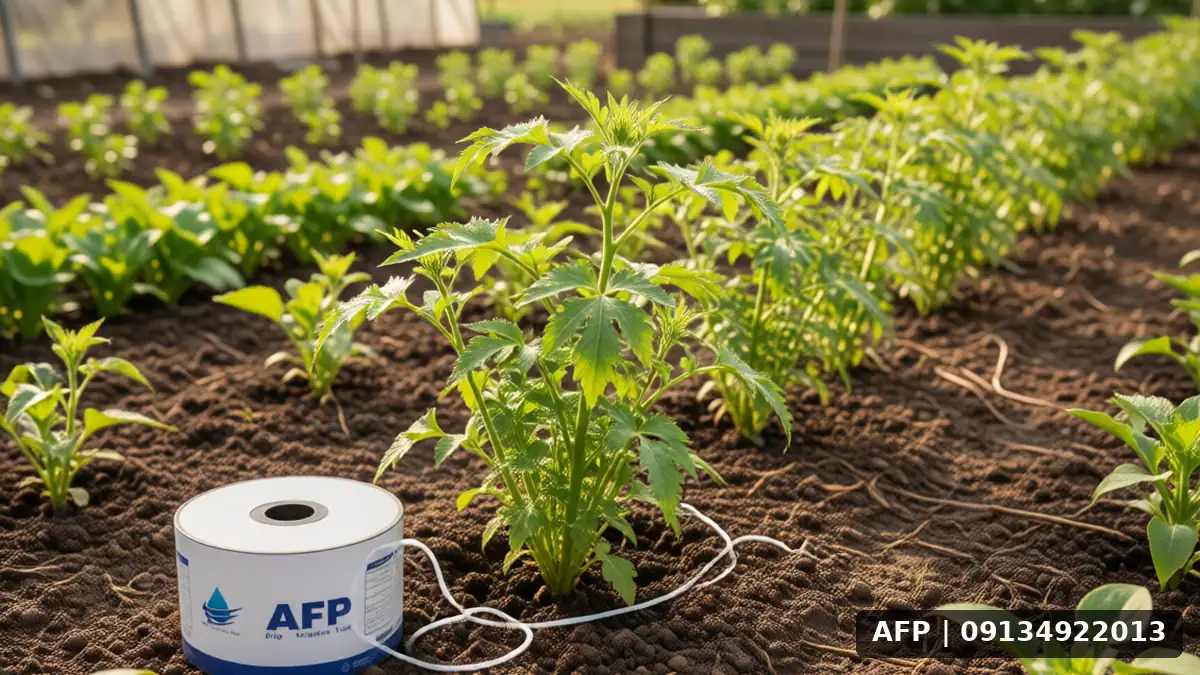
Coriander is a plant whose shallow root system is sensitive to moisture fluctuations. Drip irrigation systems, through the precise application of water, maintain stable soil moisture in the root zone. This reduces plant stress caused by temperature fluctuations and drought conditions, directly affecting the quality and yield of harvests. Maintaining uniform moisture in the upper soil layers prevents soil cracking and the damage of delicate coriander roots. This hydraulic stability allows the plant to allocate more energy toward biomass production and the synthesis of volatile aromatic compounds, thereby increasing the commercial value of coriander. For information on appropriate line spacing in root crops such as beet, which share similar root behavior with coriander, refer to the article on line spacing for beet. This comparison is highly beneficial for selecting appropriate equipment.
Reduction of weed growth
Since water is delivered only near the coriander stem and roots, the soil surfaces between rows remain dry. This condition suppresses weed growth and reduces the need for herbicide application, resulting in cost savings and improved plant health. Furthermore, dry conditions between rows decrease the relative humidity around the leaves, significantly reducing the risk of fungal diseases that thrive in moist environments. This secondary advantage of drip irrigation is particularly important during hot and humid seasons when the incidence of phytopathological diseases is high, thereby reducing the costs of chemical pest control.
Application of drip tape and drip lines in orchards
Precise moisture management in the orchard
In fruit orchards, deep root systems reduce the need for high-volume irrigation at shorter intervals. Drip and micro-sprinkler systems enable direct water delivery to the root zone. This method allows roots to remain in a moist and dynamic environment. Many farmers have realized that by using [extending the service life of drip irrigation tape], replacement costs can be minimized. Proper management of operating pressure and selecting the appropriate tape diameter are two main parameters for extending the lifespan of these components. Additionally, uniform water distribution across all sections of the orchard, achieved through proper design of sub-lines, ensures that a tree at the end of the line does not experience a significant difference in water intake compared to the first tree on the line. This precision in distribution is critical for large orchards that require uniform crop yields.
Mitigating uneven terrain
One of the key advantages of drip and micro-sprinkler systems is their ability to function effectively on sloping land, where conventional sprinkling often causes soil erosion and uneven water distribution. By using appropriate emitters, hydraulic balance can be maintained even in sloping orchards. In such conditions, using pressure regulators or dividing the orchard into different pressure zones ensures that excess pressure caused by the slope does not damage the trees. Soil erosion is a major enemy of any crop, and drip systems, by controlling water discharge velocity, prevent soil washing and the loss of the fertile topsoil layer, thereby ensuring nutrient retention in the root zone.
Practical tips for better system operation
- Limiting operating pressure: Avoid excessive pressure in drip systems to prevent emitter puncture. High pressure can damage or rupture Lenta membranes. Precise regulation of initial manifold pressure is the key to proper system operation.
- Adequate filtration: Using appropriate filters is vital to prevent clogging of the tip line. Cilantro requires a more precise filtration system to prevent Lenta pores from clogging. For orchards, disc filters generally perform better, whereas for cilantro, which has fine and sensitive roots, mesh filters with an appropriately finer size may be necessary to prevent suspended particles from entering the Lenta.
- Irrigation scheduling: Irrigation during the hottest hours of the day causes evaporation. The optimal time is early morning or late afternoon. Adjusting the schedule according to the plant’s actual needs and weather conditions can reduce water consumption by up to 20%. Using soil and weather sensors to automate scheduling is the best modern approach.
- Monitoring soil moisture: Using soil moisture sensors helps adjust the water dose based on the plant’s actual needs. Regular monitoring of moisture at different depths, especially in orchards, enables irrigation to be adapted to various tree growth stages.
Keep in mind that proper seed management also affects performance. For example, the [seed rate of dill per hectare] varies depending on soil conditions, but general principles of planting density and arrangement also apply to cilantro. Correct planting density optimizes water flow pathways and prevents energy loss due to competition between plants. Additionally, selecting disease-resistant varieties, combined with proper irrigation, are the two main pillars for maintaining plant health.
Frequently Asked Questions (FAQ)
Is the tape drip system suitable for pistachio or olive orchards?
Yes, with the selection of appropriate emitters, the tape drip system is usable for arid orchards and deep-rooted fruits. However, the system design must be based on root depth. In these orchards, it is sometimes recommended to use dual-line tape or higher-flow emitters to cover a larger root volume. Additionally, in pistachio orchards, due to salt sensitivity, frequent system flushing is essential to prevent salt deposition.
What is the water loss rate in drip irrigation for coriander?
Water losses in drip systems are reduced by up to 30% compared to linear sprinklers due to direct root delivery and reduced soil surface evaporation. This saving, in addition to reducing costs, helps conserve water resources. In arid regions, this advantage can be a determining factor for farm profitability.
Is it necessary to flush the tape drip system?
Especially if you are using well water with high salinity, periodic system flushing prevents sedimentation in the emitters. Reverse flushing, as a preventive method, should be performed at least once a week or based on water quality. Failure to flush regularly causes clogging of emitters and system inefficiency, which significantly increases repair costs.
Summary
Applying the correct principles of drip irrigation and tape line systems in coriander and orchard crops results in water savings, increased yields, and reduced operational costs. Farmers seeking to improve productivity per hectare can use related concepts such as [spring barley harvest yield per hectare] for field configuration. Modern irrigation systems are not just an expense, but an investment in agricultural sustainability. The initial investment in precision irrigation infrastructure guarantees long-term and sustainable yields, freeing farmers from the dependency on irregular rainfall. Ultimately, combining irrigation knowledge with proper crop management provides the best results for producers.
Related articles: cucumber seed per hectare guide