Rain Irrigation in Hemp Cultivation: A Comprehensive Comparison with Drip and Tape Systems
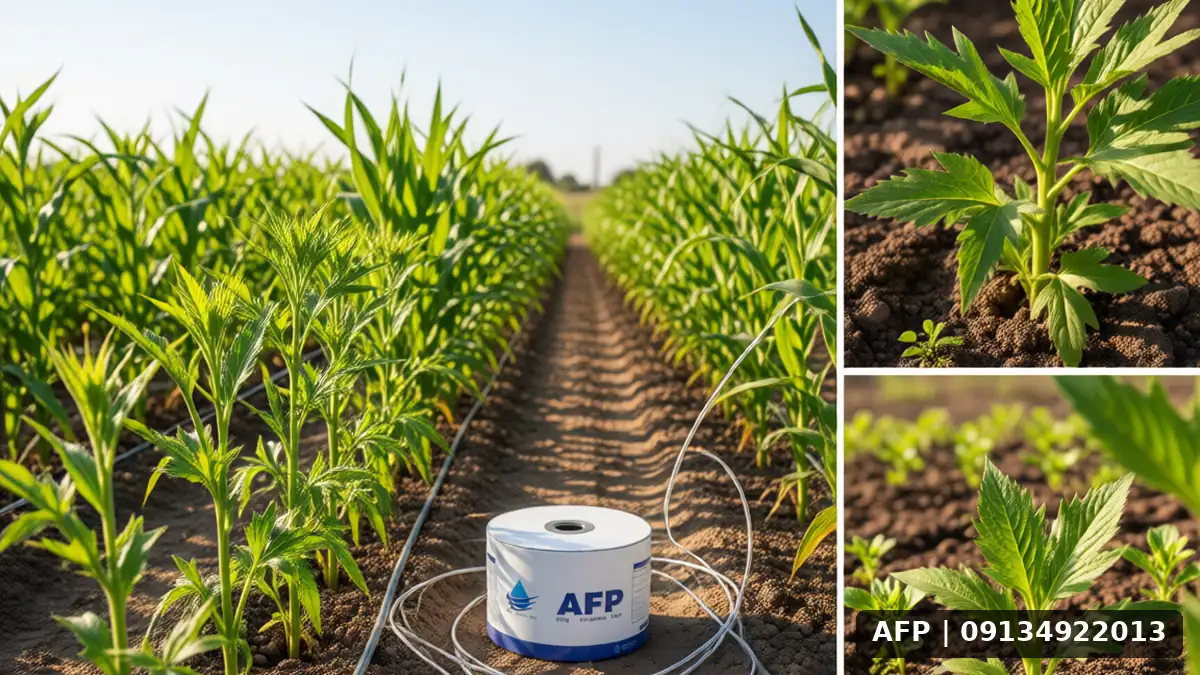
Introduction: The Critical Importance of Selecting an Irrigation Method for Sesame Cultivation
Sesame (Sesamum indicum) is a valuable oilseed plant that plays a significant role in pharmaceutical, food, and oil industries. Due to its specific sensitivity to moisture patterns, it has become one of the most challenging crops in terms of water management. Choosing the correct irrigation method directly impacts not only the final yield but also seed quality, oil content, and even plant resistance to fungal diseases. While sprinkler irrigation is recognized as the oldest method, the emergence of new technologies such as drip irrigation and tape drip irrigation has led to fundamental changes in modern agricultural approaches.
The main objective of this article is to provide a clear and comparative analysis of these three methods, enabling farmers to make the optimal choice based on climatic conditions, soil type, and available budget. A deep understanding of the physical mechanisms of each irrigation method is the key to success in reducing water losses and increasing economic efficiency.
Technical and Practical Analysis of Sprinkler Irrigation in Sesame Fields
Advantages and Structural Limitations of Sprinkler Systems
Sprinkler irrigation systems use sprinklers that distribute water in the form of small droplets. In terms of initial cost, these systems are generally cheaper than drip networks and have relatively simpler installation and setup. This characteristic makes them an attractive option for small farms or farmers with limited working capital. A secondary advantage in tropical regions is the cooling effect; water spray can reduce the air temperature around the plants at the peak of summer, alleviating plant heat stress.
Despite these benefits, sprinkler irrigation for hemp cultivation comes with serious challenges. The most significant drawback is the physical damage inflicted on flower heads. Hemp is highly sensitive during the flowering stage, and impact from pressurized water droplets can cause petals to drop and significantly reduce yield. Additionally, in arid and desert regions, a large portion of water is lost due to high evaporation rates. If you use this system, precise adjustment of water pressure and nozzle height is essential. To find out about additional costs, you can refer to The price of flat drip tape and key purchase points to ensure you select the appropriate equipment.
Comparing drip and strip irrigation methods with sprinkler irrigation
Accuracy and water conservation in drip irrigation
Drip irrigation, as the most advanced method, delivers water at a very low flow rate and low pressure directly to the root zone (Root Zone). This method reduces soil surface moisture, directly leading to decreased weed growth and reduced need for herbicides. Compared to sprinkler irrigation, drip irrigation can save up to 30 percent on water consumption. For plants like hemp, which are highly sensitive to waterlogged roots, drip is the safest option because it prevents soil saturation.
Furthermore, planting density is linked to the irrigation system. If you intend to use a drip system, the spacing between emitters must align with the seed layout. For a better understanding of the relationship between seed density and water requirements, it is recommended to read Seed rate of Sesame per hectare Review this, as similar spacing principles apply to many oilseed crops.
Tape Line Irrigation: A Compromise Solution
Tape Line or Netafim irrigation is a combination of the two previous methods. In this system, pipes or narrow tapes are placed along the crop rows. This method is highly in demand for row-crop fields with variable spacings. Its advantage over drip irrigation is lower cost and easier maintenance, while its benefit over sprinkler irrigation is reduced evaporation and better flower protection. Choosing this method for sesame can create a good balance between cost and yield.
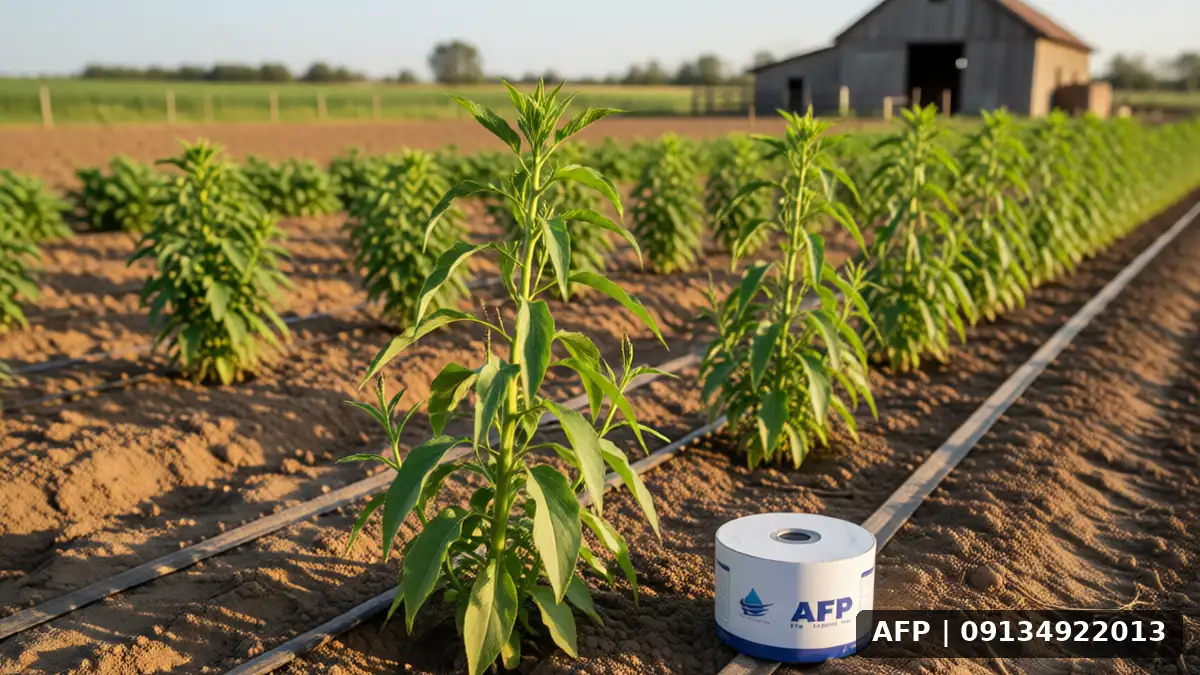
Practical Guide for Implementing Irrigation Systems
- Soil analysis and determining the infiltration coefficient: Before installing any system, the soil type must be identified. Sandy soils have high permeability and water drains out of them faster; therefore, they require frequent, low-volume irrigations. In contrast, clay soils require less frequent but higher-volume irrigations.
- Synchronizing Planting Density with Irrigation: Planting density directly affects irrigation intensity and duration. High density requires greater precision in water distribution. For example, in crops with different planting depths such as carrots, furrow management is more challenging. You can use the article ‘Carrot Seed Quantity per Hectare: A Comprehensive Guide’ as a comparison to understand the varying needs of different crops.
- Wind Management in Sprinkler Irrigation: If you are committed to using sprinklers, you must assess the prevailing wind direction. Wind can disrupt the spray pattern and cause asymmetric water distribution across the field.
Comprehensive Comparison Table of Irrigation Methods
Each of these methods has advantages and disadvantages that must be evaluated based on local farm conditions. Long-term economic efficiency, achieved by reducing water and energy consumption, often justifies the initial costs of advanced systems.
Frequently Asked Questions (FAQ)
Is sprinkler irrigation recommended for oilseed hemp?
Generally, it is not recommended unless used during the initial vegetative growth stage (before flowering). During the flowering stage, flower drop due to wetting and impact from water droplets can cause severe damage. At this stage, transitioning to drip or tape systems is essential.
What is the ideal spacing between emitters for sesame?
A spacing of 20 to 25 centimeters is usually recommended. This spacing must be coordinated with the planting pattern. For a better understanding of planting patterns and their relationship with yield, you can refer to Wheat and rainfed crop yield per hectare which has similar principles regarding row arrangement.
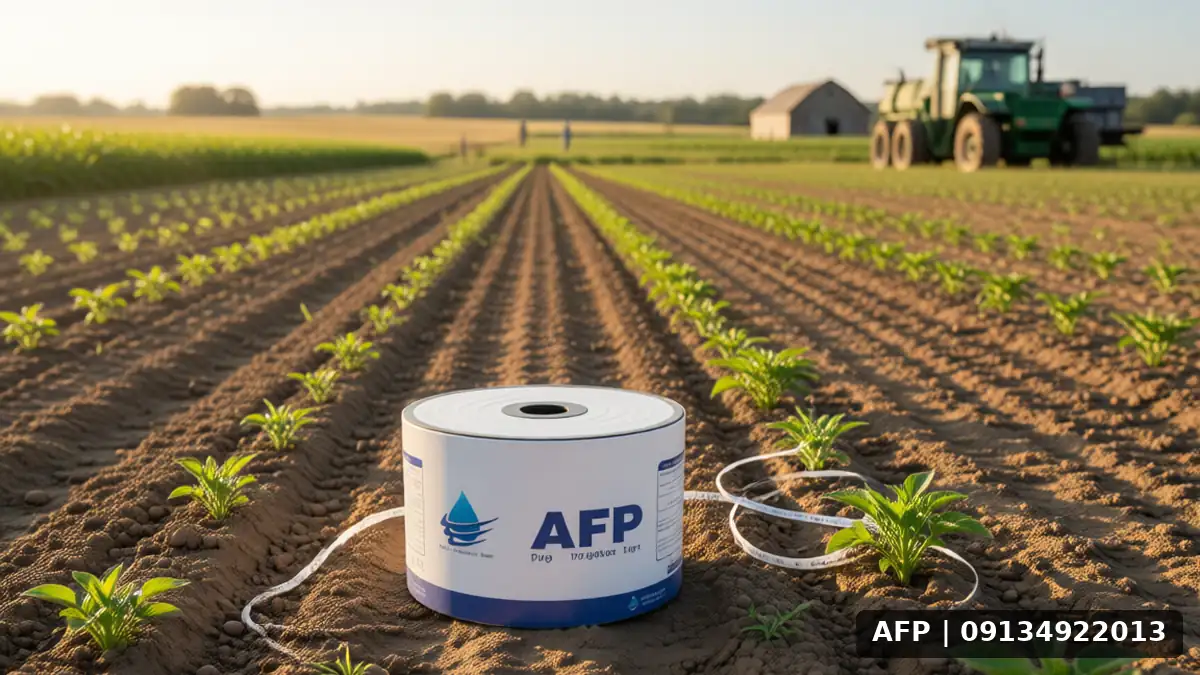
How do the maintenance costs of drip systems compare to those of sprinkler systems?
The drip system requires precise filtration (media or disc filter) and periodic pipe flushing to prevent emitter clogging. Drip maintenance costs are higher, but its water efficiency is excellent. In sprinkler systems, maintenance primarily involves cleaning nozzles and inspecting for pipe leaks.
Summary and Final Recommendations
Selecting an irrigation system for hemp is a multifaceted decision. Drip irrigation is the clear winner in terms of precision and waste reduction, though its high cost may be a constraint for some farms. Subsurface drip irrigation can serve as a smart alternative that strikes a good balance. Spray irrigation is only justifiable for small farms with very limited budgets or during the early growth phases.
Do not forget that water management is the cornerstone of sustainable agriculture. With the right choice, you not only reduce water consumption but also ensure the soil quality and yield of your oil hemp crop. To learn about other economic variables, familiarize yourself with the seed rate of phenogreek per hectare as well, which can also broaden your perspective on other medicinal plants.