Comprehensive Guide to Hemp Cultivation with Drip Irrigation
Introduction: Why Does Sesame Require Precise Water Resource Management?
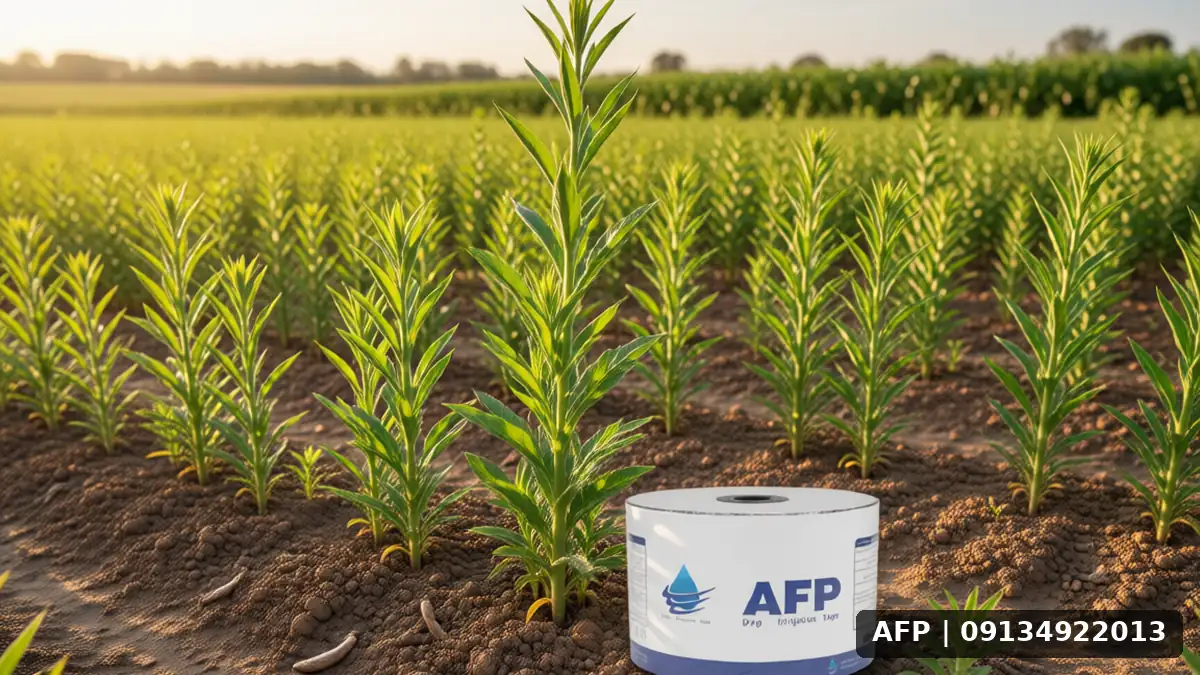
Sesame (Guizotea oleifera) is one of the world’s oldest oilseed crops. Due to its high oil content (approximately 35 to 50 percent in the seed) and extensive applications in the food and pharmaceutical industries, it holds a special place in agriculture. One of the main challenges in sesame cultivation is the crop’s sensitivity to root zone stress. As a plant characterized by compact root systems and low tolerance to early-stage drought, sesame requires precise and targeted water management. Therefore, utilizing modern technologies such as Drip Irrigation System can significantly improve water use efficiency and prevent the waste of precious resources. In arid and semi-arid regions, where rainfall is uneven and insufficient, reliance on flood irrigation not only causes soil salinization but also exposes sesame’s delicate roots to a high risk of fungal diseases. Consequently, transitioning from traditional methods to modern, smart approaches is an economic and ecological necessity that must be considered to maintain farm profitability.
Why Use a Drip Irrigation System for Sesame?
Drip irrigation, and specifically the strip tape system, is a superior alternative to conventional surface irrigation due to the uniform distribution of water and fertilizer to the plant roots. In this method, water infiltrates near the seed or seedling planting zone under low pressure and low flow rate. This maintains root-zone moisture and prevents soil leaching and nutrient loss. Unlike older methods where water flows freely over the soil surface, the strip tape allows water to reach only deeper soil layers. This characteristic reduces weed growth because surface moisture is lower. Additionally, because the furrow beds remain dry, the activity of rodents and certain pests that thrive in high humidity is reduced.
Key benefits of strip tape in hemp cultivation
- Water savings: Reduces water consumption by 30 to 40 percent compared to flood irrigation.
- Reduction in fungal diseases: Keeping leaves dry prevents the formation of fungal spores and reduces the need for constant spraying.
- Denser planting: Enables planting at shorter intervals due to optimal use of the space between irrigation lines.
- Increased Growth Rate: Continuous access to moisture at the root zone promotes vegetative growth and the production of seeds with higher protein and oil content.
Seedbed Preparation and Sowing
Before beginning cultivation, a precise understanding of plant physiology under local conditions is important. Sesame prefers light, well-drained soils with a balanced pH. Prepare the seedbed with appropriate land preparation to prevent soil pore blockage. Proper seedbed preparation includes deep plowing and harrowing to create a smooth soil surface free of clods. This ensures uniform absorption of drip line water at the planting depth. If your soil is heavy, adding organic matter can improve soil structure and increase permeability. Additionally, correcting soil salinity before sowing is vital for sesame cultivars that are sensitive to salt.
Including Seed Rate per Hectare
The required seed rate per hectare depends on the cultivar type, thousand-grain weight, and sowing method. Generally, a rate of 15 to 20 kg of sesame seed per hectare is recommended. This amount may vary based on climatic conditions and seed quality. For more detailed information on precise calculations, study Melon seed rate per hectare as another example of sensitive crops can provide a comprehensive view of agricultural calculations. Selecting high-quality seeds with good germination potential is key to success in the sowing stage.
Hemp seeds are generally sown using a seed drill or manually alongside the drip line. The typical planting depth is 2 to 3 centimeters. After planting, an initial complete irrigation is necessary to activate the seeds. This initial irrigation should be gentle to prevent the seeds from shifting. The distance between the seeds and the drip line must be strictly maintained because the water should not jet directly onto the seeds, which could cause the seedbed to become waterlogged.
Hemp drip irrigation schedule
Managing the timing schedule (Irrigation schedule) is the most critical component in growing hemp using a drip system. This schedule is adjusted based on the plant’s growth stages, urgent moisture needs, and climatic conditions. Continuous soil monitoring with sensors can increase the accuracy of this timing. Since hemp is highly sensitive to water stress during critical stages such as pollination, any severe fluctuations in moisture can lead to flower drop and reduced yield.
Irrigation schedule table (Irrigation schedule)
- Germination and seedling stages: During the first 7 to 10 days, light and frequent irrigation is required to maintain soil moisture. At this stage, the flow rate should be low.
- Vegetative growth stage (Vegetative stage): From days 10 to 30, as vegetative volume increases, drip line flow rate rises. Irrigation frequency reaches 2 or 3 times per week. During this period, the plant expands its vegetative tissue.
- Productive growth (Flowering & Fruit Set): This is the most sensitive stage. Irrigation must be regular and without sharp fluctuations to ensure optimal seed setting. Water deficit at this stage directly reduces pod weight.
- Seed filling: In the final weeks, irrigation is gradually stopped to prepare the plant for seed maturation. This is similar to Benefits of drip irrigation which emphasizes reducing operation costs and improving final quality. Cessation of irrigation must be gradual to avoid sudden stress on the plant.
Practical and technical tips for using drip irrigation
Proper use of the irrigation system requires precision in installation and maintenance. One key point is selecting the appropriate drip tape type. For hemp, drip tapes with a flow rate of 1 to 1.5 liters per hour are generally efficient. Selecting the appropriate emitter based on soil type is also important. In clay soils, emitters with a higher flow rate are recommended, while in sandy soils, emitters with a lower flow rate are recommended.
Filter and Pressure Management
You must use an appropriate filter (screen, disc, or sand) to prevent emitter clogging. The inlet pressure to the drip tape must be adjusted between 0.5 and 1 bar. If the pressure is too low, water distribution will be uneven, and if too high, the tape will be damaged. Additionally, regular system maintenance and cleaning filters after each use increases the system’s useful life.
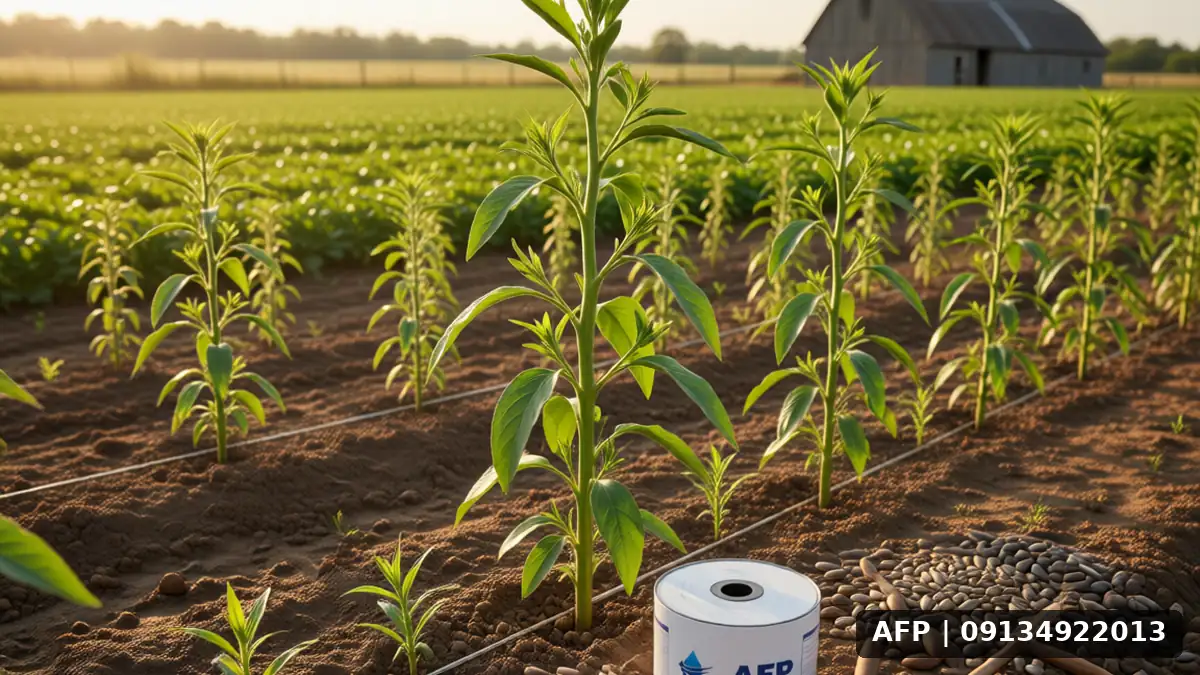
Also, at the end of each season, do not cut the drip tapes so they can be reused or properly collected for the next season. To learn about strategies to increase yield, read the article clover yield per hectare factors increase demonstrates that similar principles in clover agricultural management are applicable to hemp. Optimized resource management and continuous monitoring are the keys to increasing efficiency in any crop.
Modern Irrigation Methods
Current technologies in drip irrigation have made systems smarter. Using soil moisture sensors can determine irrigation timing more accurately than any fixed schedule. This approach is part of modern agricultural land irrigation methods that allow farmers to make decisions based on real-time data. Connecting the irrigation system to the Internet of Things (IoT) enables remote monitoring and automatic control of water valves.
Frequently Asked Questions (FAQ)
Does drip line work well on heavy soils?
Yes, but heavy soils have poorer drainage. Therefore, increase the spacing between drip lines and increase flow rates to prevent moisture accumulation around the roots. It is also recommended to use drainable bedding to allow excess water to drain away.
What is the appropriate planting distance for hemp in a drip system?
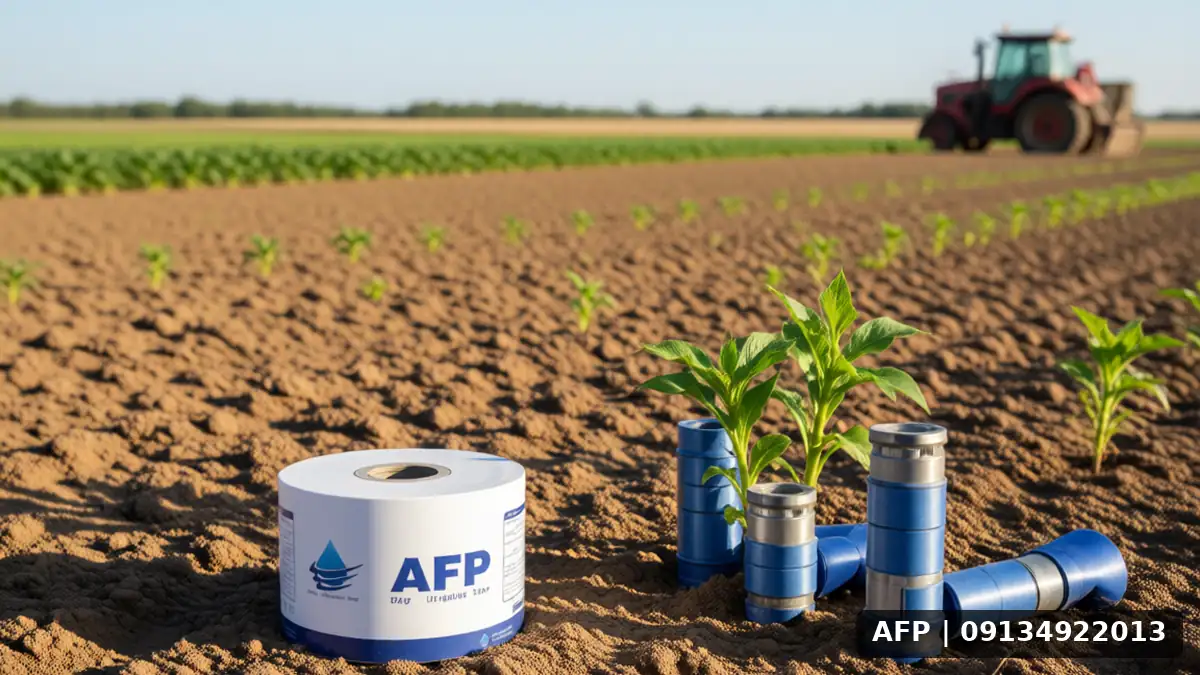
Depending on the cultivar, a spacing of 45 to 50 cm between plants and 40 to 45 cm between rows is generally recommended. The drip line can be placed on the bedding or just below the soil surface adjacent to the planting row. Maintaining these distances is essential for equipment access and proper ventilation between plants.
Can liquid fertilizer be applied to hemp through the drip line?
Yes, drip systems are the best method for liquid fertilization due to their proximity to the roots. This promotes faster nutrient uptake and reduces fertilizer waste. Point fertilization (Fertigation) is more efficient than surface spraying.
Summary
Cultivation of sesame using drip and tape irrigation is a sustainable, common, and economical method that has become essential under today’s water scarcity conditions. By adhering to principles of precise timing, selecting appropriate seed, and proper irrigation system management, one can expect acceptable yields and high-quality oilseed. Implementation Crop type and area per acre of cultivation and care can similarly provide practical guidance for the cultivation of other crops. Awareness of technical and agronomic details not only guarantees the farmer’s economic profit but also significantly contributes to preserving the environment and water resources for future generations. Investment in modern irrigation infrastructure is a step toward precise and promising agriculture.